
Mold Inspection in Harbor Isle, NY
When Your Home Sits on Tidal Water, Mold Doesn't Wait
Hear from Our Customers
Residential Mold Detection Harbor Isle, NY
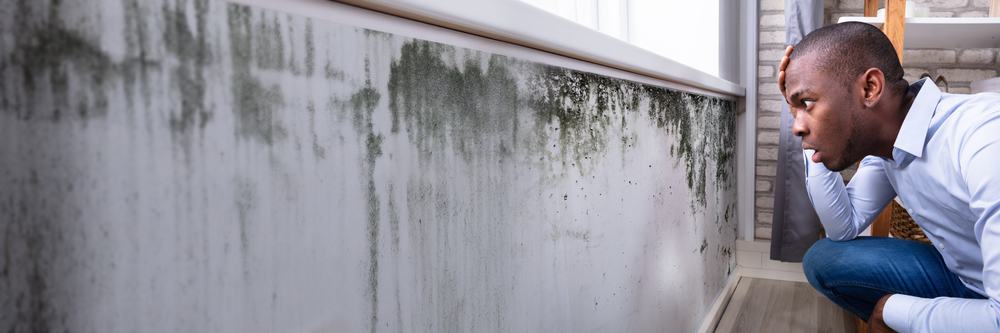
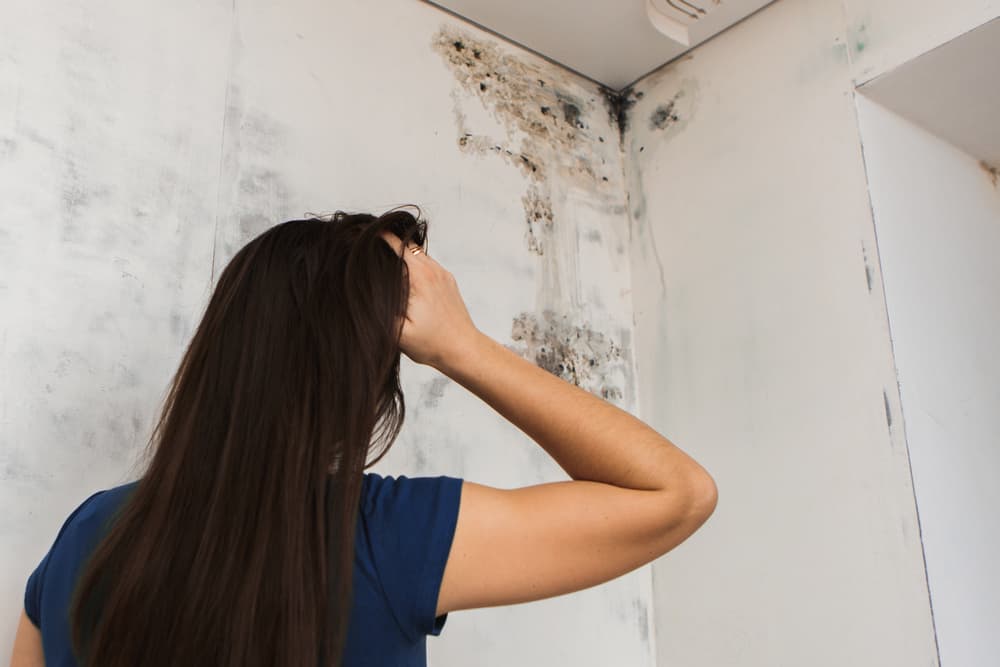
A musty smell in a Harbor Isle home isn’t just an inconvenience it’s a signal. When your house was built in the 1940s, sits within feet of a tidal channel, and has been through at least one major coastal storm, that smell has context. It means there’s a real chance moisture found its way into a wall cavity, a crawl space, or under a floor and stayed there long enough to grow something.
The homes in Harbor Isle are older, and older homes have gaps: aging plumbing that can weep for months before you notice, attic spaces with little to no ventilation, and original building materials that absorb moisture instead of shedding it. Add the ambient humidity that comes with living on a true island surrounded by water, and you have conditions that mold genuinely thrives in.
When a professional inspection is done right, you stop guessing. You get a lab-backed report that tells you exactly what’s present, where it is, and what needs to happen next. For homeowners carrying flood insurance, navigating a real estate transaction, or just trying to understand why someone in the house keeps getting sick that document is worth more than the inspection fee by a wide margin.
Licensed Mold Inspector Nassau County NY
First Response Restoration and Cleaning Inc. has been serving Nassau and Suffolk County homeowners for over three decades. We’re licensed by the New York State Department of Labor under Article 32 the mandatory mold assessor and mold contractor licensing law that’s been in effect since 2016. Every technician on our staff holds IICRC certification. Not just the owner. Everyone.
Harbor Isle isn’t new territory for us. We already have an active mold removal service presence in this community, and the Island Park area connected to Harbor Isle by those two bridges is a place we know well. We’ve worked in the post-Sandy reconstruction landscape across the south shore, and we understand what that history means for the homes here.
We’re based in West Babylon, which keeps us close to Nassau County without being a national franchise operating out of a call center. When you call, you’re reaching a Long Island company that has been doing this work since before most of the current mold licensing laws existed.
Professional Mold Assessment Process Harbor Isle
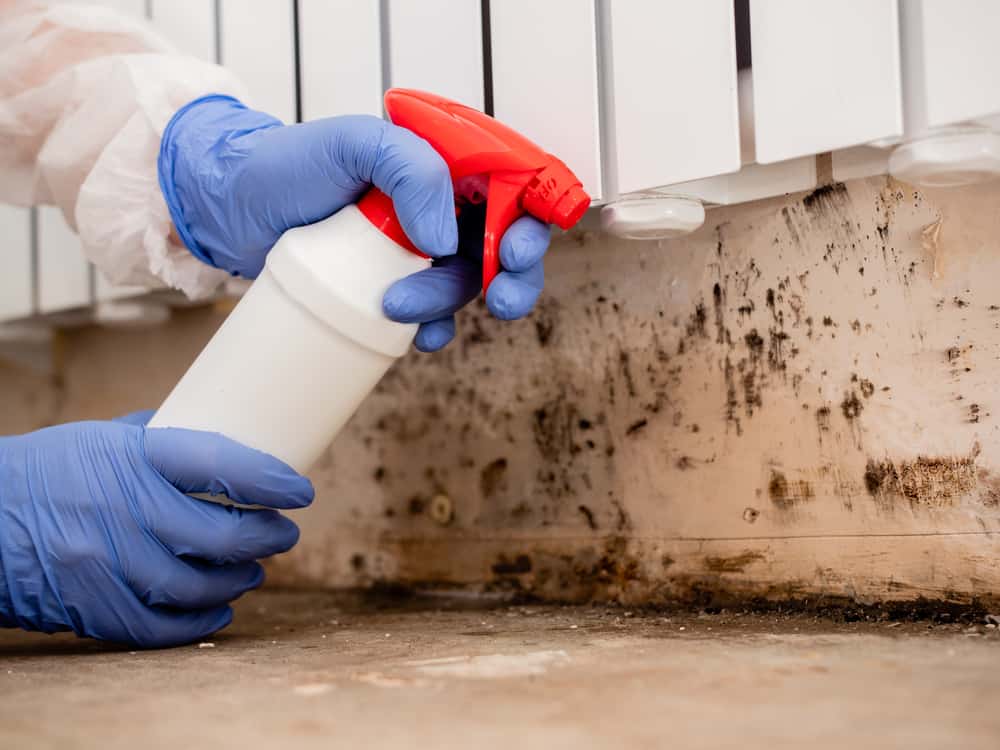
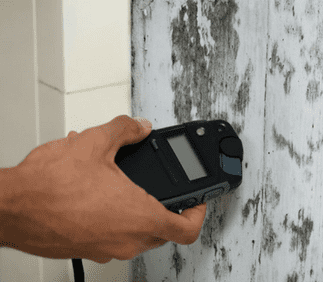
When one of our technicians arrives at your Harbor Isle home, the inspection follows a structured five-point protocol not a visual scan and two air samples. It starts with a moisture level assessment using calibrated meters that detect elevated moisture in walls, floors, and ceilings even when there’s nothing visible on the surface. From there, infrared technology scanning identifies hidden temperature differentials that indicate moisture intrusion behind drywall, under flooring, or inside attic knee-wall spaces the kind of hidden pockets that are common in 1940s Cape Cods and split-levels.
Air samples are collected from multiple points inside the home and compared against outdoor baseline readings. Surface swab samples are taken from any areas of visible concern. All samples go to a certified third-party laboratory not interpreted in-house. The written report you receive includes species identification, spore concentration levels, the indoor-versus-outdoor air comparison, photographic documentation, and specific remediation recommendations tied to what was actually found.
Because Harbor Isle is an unincorporated hamlet in the Town of Hempstead, any remediation work that follows may involve Nassau County and Town of Hempstead permitting requirements. Your inspection report is formatted to support that process, as well as flood insurance documentation and real estate transaction disclosure requirements both of which come up regularly in this community.
Ready to get started?
Mold Testing Services Harbor Isle, NY
A mold inspection for a waterfront home in Harbor Isle covers more ground than a standard residential assessment. Beyond the living spaces, the inspection accounts for the environments that coastal homes accumulate over time: dock-adjacent storage areas, crawl spaces with no vapor barrier, attic insulation from decades past, and lower-level spaces that may have taken on water during Sandy or any of the nor’easters that have followed. These aren’t afterthoughts they’re often where the problem actually lives.
The inspection includes air testing, swab sampling, moisture level measurement, infrared scanning for hidden mold, photographic documentation, and a full written report with certified lab results. If you’re dealing with a home that was rebuilt or raised after Hurricane Sandy, that report can help identify whether mold was sealed inside walls during reconstruction something that’s been showing up in south shore homes more than a decade after the storm.
We also handle the full remediation and restoration process if the inspection confirms a problem. That means one company, one point of contact, and a remediation plan built directly from the inspection findings. For Harbor Isle homeowners managing a real estate transaction, an insurance claim, or a health concern, that continuity matters. You’re not handed off to a second contractor who never saw the original findings.
Does living near Hog Island Channel actually increase my home's mold risk?
Yes, and it’s not a minor difference. Harbor Isle sits on a tidal island surrounded by Hog Island Channel and Wreck Lead Channel, which means the ambient humidity around your home is consistently higher than in inland Nassau County communities. When indoor humidity climbs above 60%, mold can begin growing within 24 to 48 hours. In a waterfront environment where outdoor humidity is frequently elevated especially during Long Island’s summers keeping indoor levels below that threshold requires active HVAC management that many older homes in Harbor Isle simply weren’t built to support.
Salt air compounds the issue by accelerating the breakdown of building materials over time. Window seals fail earlier. Wood framing absorbs more moisture. Drywall paper facing degrades faster than it would in a drier, inland setting. If your home was built in the 1940s which most Harbor Isle homes were those materials have been absorbing coastal moisture for seven or eight decades. A professional mold inspection with infrared scanning is the only way to know what’s accumulated inside the structure without tearing anything open.
My Harbor Isle home was rebuilt after Hurricane Sandy should I be worried about mold now?
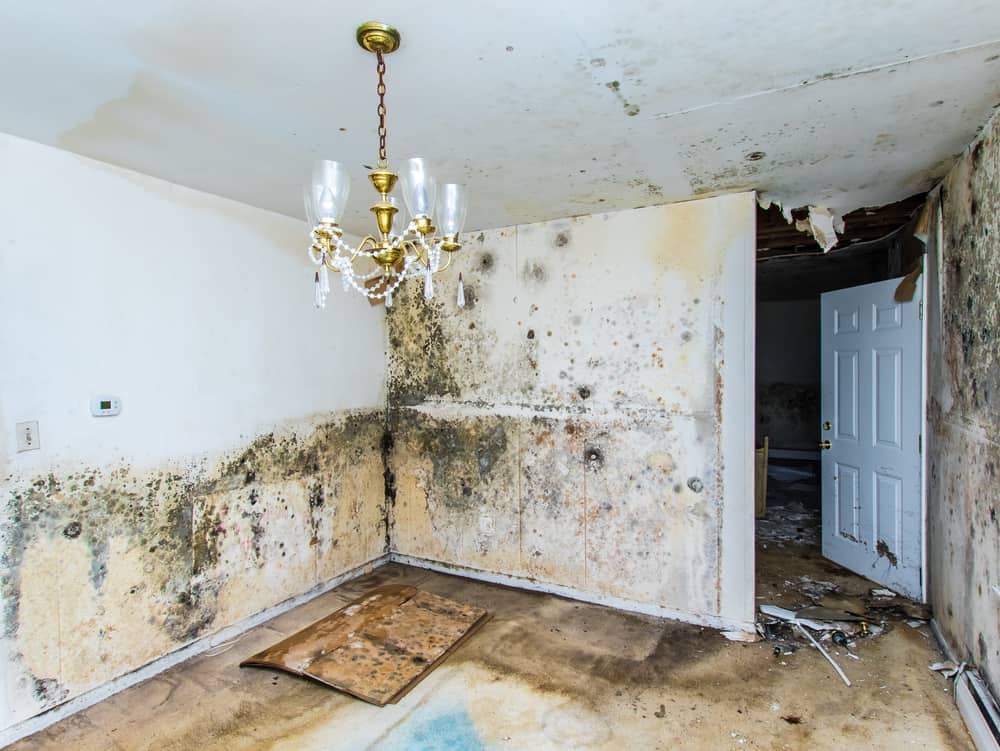
This is one of the more important questions for homeowners in Harbor Isle, and the honest answer is: possibly, yes. When the Island Park and Harbor Isle area was inundated during Sandy, reconstruction happened quickly and under significant pressure. In some cases, structural elements weren’t fully dried before new drywall and insulation were installed. Over time, mold colonies can establish inside those sealed cavities and grow slowly for years without producing visible signs on the surface.
If your home was rebuilt, raised, or significantly renovated between 2012 and 2015 and you’ve never had a post-remediation clearance inspection done, that’s a gap worth closing. Infrared technology scanning can detect temperature differentials behind finished walls that indicate hidden moisture without pulling a single nail. A certified lab report from that inspection gives you a documented baseline for your home’s current condition, which is useful whether you’re planning to stay, sell, or refinance.
What's the difference between a mold inspection and mold testing in New York?
In New York State, the terms are sometimes used interchangeably by consumers, but there’s a meaningful distinction. A mold inspection is a physical assessment of the property a trained professional evaluating moisture levels, air quality, visible mold growth, and potential sources of water intrusion. Mold testing refers specifically to the collection and laboratory analysis of air or surface samples to identify mold species and quantify spore concentrations.
A thorough mold assessment includes both. You need the physical inspection to understand the scope and source of any problem, and you need the lab results to confirm what species are present and at what levels. Under New York’s Article 32 licensing law, the professional conducting a mold assessment for compensation must hold a NYS Department of Labor license as a mold assessor. That’s a non-negotiable requirement not a credential that’s optional depending on the company. If you’re getting a quote from someone who can’t provide their NYS license number, that’s a problem.
How much does a professional mold inspection cost in Nassau County?
Mold inspection costs across Nassau County typically fall in the range of $300 to just over $1,000, with the national average landing around $670. Where your inspection falls in that range depends on the size of your home, the scope of the assessment, the number of samples collected, and whether the inspection includes certified laboratory analysis which it should.
For Harbor Isle specifically, homes that have waterfront exposure, older construction, or post-Sandy history often warrant a more thorough assessment than a standard suburban property. That may mean more sample points, more infrared scanning time, and a more detailed written report. The cost of a thorough inspection is a fraction of what remediation costs if a problem goes undetected and in a community where homes sell in the $600,000 to $1.3 million range, discovering mold during a real estate transaction without a prior inspection on file is a significantly more expensive problem than the inspection itself.
Can mold inspection results be used to support a flood insurance claim in Harbor Isle?
Yes, and this comes up regularly in coastal Nassau County communities. Many Harbor Isle homeowners carry flood insurance through the National Flood Insurance Program given the area’s coastal flood zone designation. When mold is discovered following a flood event whether that’s a major storm like Sandy or a more recent nor’easter a professionally documented inspection report is the kind of evidence an insurance company will actually work with.
A verbal assessment or a home test kit result doesn’t carry the same weight as a written report backed by certified laboratory analysis. The report needs to identify what was found, where it was found, and what remediation is recommended. Our inspection reports are structured to support exactly this kind of documentation whether you’re filing a flood insurance claim, preparing for a real estate disclosure, or working with a contractor on a remediation scope. The documentation is part of what you’re paying for, and it’s often what makes the difference in how a claim is handled.
How do I know if the mold inspector I hire is actually licensed in New York State?
New York State requires all mold assessors and mold contractors to hold a license from the NYS Department of Labor under Article 32 of the NY Labor Law. This law has been in effect since January 1, 2016, and fines for unlicensed mold work can reach $10,000. More practically, remediation work performed by an unlicensed contractor carries no legal standing meaning you can’t use it to support an insurance claim, a real estate disclosure, or a legal dispute.
You can verify a contractor’s license directly through the NYS Department of Labor’s online license lookup tool. Any licensed mold assessor operating in Harbor Isle should be able to provide their license number without hesitation. We’re fully licensed under Article 32, and our owner, Richard Peterson, holds personal licenses in both mold inspection and mold remediation. In a community where property values are high and documentation matters for insurance, for real estate transactions, and for legal purposes working with a licensed assessor isn’t just a preference. It’s the only way to ensure your inspection results hold up when it counts.
Useful Links
Other Services we provide in Harbor Isle