
Mold Inspection in Hewlett, NY
South Shore Homes Hide Mold. Here's How to Know for Sure.

Hear from Our Customers
Residential Mold Inspection Hewlett, NY
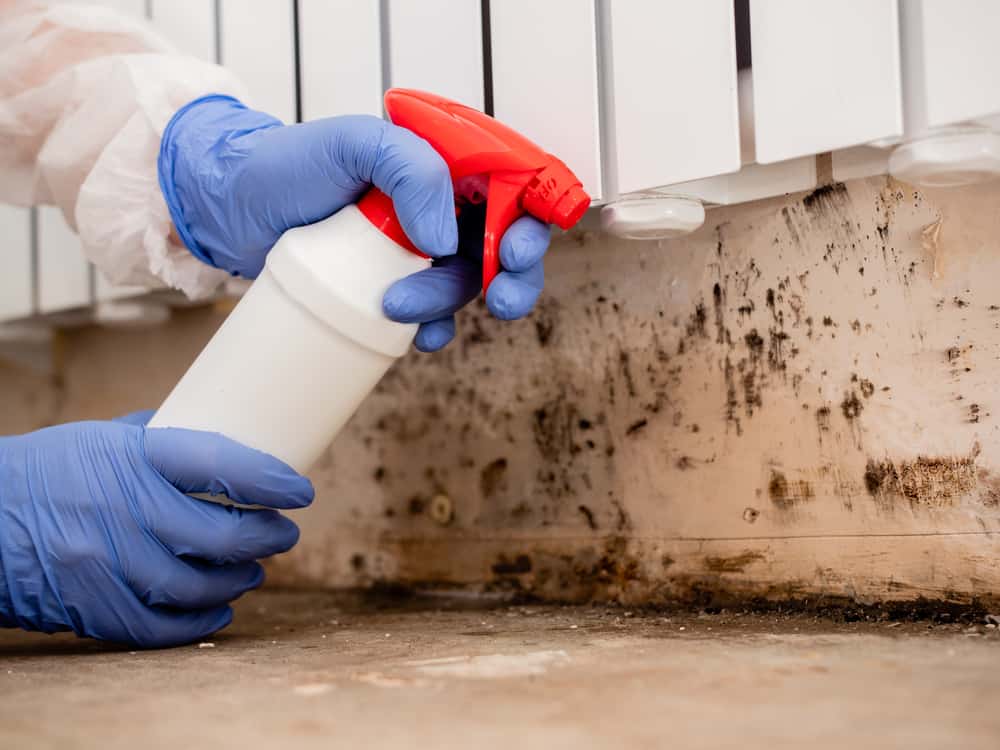
Most Hewlett homeowners don’t find mold mold finds them. A musty smell in the basement that won’t go away. A water stain on the ceiling after a bad nor’easter. An unexplained cough that shows up every winter and disappears every summer. These aren’t coincidences. They’re signals. And the only way to know what you’re actually dealing with is a real inspection not a store-bought kit, not a guess, not a contractor eyeballing your crawl space.
When you get a professional mold inspection in Hewlett, NY, you walk away with something concrete: a certified lab report that tells you exactly what species are present, how concentrated the spore levels are indoors compared to outside, and where the moisture source is feeding the problem. That’s the document your insurance company needs. That’s what a real estate attorney asks for before closing on a Five Towns home. That’s what lets you make a decision based on facts instead of anxiety.
For homeowners in Hewlett where the median home sale price sits around $668,000 and the housing stock runs heavily toward Cape Cods and ranches built between the 1940s and 1970s that clarity has real financial weight. These homes were not built with modern vapor barriers or moisture-resistant assemblies. The South Shore’s high water table and coastal humidity don’t help. Knowing what’s in your home isn’t just peace of mind. It’s protection for an asset most people have spent decades building.
Mold Inspection Company Hewlett, NY
First Response Restoration and Cleaning Inc. has been serving Nassau and Suffolk County homeowners for over three decades long before New York State even required a license to do this work. Our owner, Richard Peterson, holds a current NYS Department of Labor Mold Assessor license under Article 32 of the Labor Law, and every technician on our team is IICRC-certified. That’s not a marketing line. That’s the legal and professional baseline you should be demanding from anyone you let into your home.
We’ve worked on homes throughout Hewlett and the surrounding Five Towns the aging Cape Cods off Peninsula Boulevard, the basements that flooded during Sandy and never fully dried out, the attics in Hewlett-Woodmere school district homes that parents assumed were fine until they weren’t. We know what South Shore moisture does to this housing stock because we’ve been remediating it since before most of our competitors existed. First Response is licensed, bonded, and insured, and we’re available 24 hours a day, 7 days a week because water damage and mold don’t wait for Monday morning.
Professional Mold Inspector Hewlett, NY
When a First Response inspector arrives at your Hewlett home, the process starts with a full water intrusion assessment not just a visual scan, but a systematic look at where moisture is getting in and where it’s likely been sitting. In South Shore Nassau County homes, that almost always means the basement and the attic first. Older foundations on the coastal plain absorb groundwater differently than newer construction, and Cape Cod-style attics with inadequate ventilation trap humidity in ways that accelerate mold growth against roof sheathing.
From there, we take air samples and surface swab samples, then run them through a certified laboratory. The internal air sample gets compared directly against an outdoor baseline that comparison is what actually tells you whether your indoor air quality is compromised, not just whether spores are present (they always are, to some degree). We also use infrared thermal imaging to detect moisture accumulation behind finished walls and under flooring, which is the only reliable way to find hidden mold in a home that’s been drywalled over a previous water event.
You receive a written report with the lab findings, identified mold species, spore concentration levels, and specific remediation recommendations tied to what we actually found. Under New York State’s Article 32, the assessor who inspects your home cannot be the same licensed entity performing the remediation but First Response handles the full scope of work under proper licensing on both sides, which means your inspection findings translate directly into an accurate remediation plan without any handoff errors or scope gaps.
Ready to get started?
Mold Assessment Services Hewlett, NY
A real mold inspection in Hewlett, NY is not a single air sample and a handshake. Our inspection protocol covers six distinct components: air quality testing, surface swab sampling, water intrusion inspection, moisture level measurement with calibrated meters, infrared technology detection for hidden mold behind walls and in cavities, and photographic documentation of every mold source identified. Every sample goes to a certified lab. The written report you receive is the format that Nassau County insurance adjusters, real estate attorneys, and mortgage lenders recognize and accept.
This matters specifically in Hewlett because of the post-Sandy reality that still affects Five Towns homes. Superstorm Sandy’s storm surge reached more than 12 feet along parts of the western South Shore of Nassau County in 2012. Homes that flooded and were “remediated” by unlicensed crews or simply dried out and closed up can still harbor mold colonies behind drywall more than a decade later. If your home was affected and you’ve never had a professional assessment, that’s not a hypothetical risk. It’s a documented pattern we’ve seen repeatedly across this area.
The inspection also covers the scenarios that drive most mold calls in Hewlett’s housing stock: attic mold from failed ventilation in midcentury Cape Cods, basement mold from groundwater seepage in homes without modern waterproofing, and bathroom or kitchen mold from aging plumbing in homes that haven’t had a full plumbing update. Whether you’re buying a home in Hewlett, preparing to list, dealing with a water damage insurance claim, or just trying to understand why someone in your household keeps getting sick the inspection gives you a documented, defensible answer.
How much does a mold inspection cost in Hewlett, NY?
The national average for a professional mold inspection runs between $300 and $1,000, with most homeowners landing somewhere around $500 to $700 depending on the size of the home and the scope of testing involved. In Hewlett, where homes tend to run larger and often require both attic and basement assessment due to the area’s coastal humidity and older building stock, you can reasonably expect a thorough inspection to fall in the middle to upper end of that range.
What you’re paying for matters more than the number itself. A complete inspection includes certified lab analysis, written documentation, and a report that’s actually usable by your insurer, your real estate attorney, or your doctor if there’s a health concern driving the call. A cheap visual inspection with no lab work behind it tells you almost nothing. In a community where homes are selling at a median of $668,000, spending a few hundred dollars to know exactly what you’re dealing with before a transaction or a remediation project is one of the more straightforward financial decisions you’ll make as a homeowner.
What's the difference between mold inspection and mold testing in Hewlett?
These terms get used interchangeably, but they’re not the same thing. Mold testing refers specifically to the sampling process collecting air samples or surface swabs and sending them to a lab for analysis. Mold inspection is the broader process: a trained assessor evaluates your home for moisture sources, visible mold growth, water intrusion pathways, and environmental conditions that support mold growth, and then uses testing as one tool within that larger assessment.
In a Hewlett home, you need both not just one. Testing without inspection tells you spores are present but not where they’re coming from or how bad the underlying moisture problem is. Inspection without lab-backed testing gives you an opinion instead of evidence. The combination is what produces a report that’s actually actionable: specific mold species identified, indoor vs. outdoor spore levels compared, moisture sources mapped, and remediation recommendations tied to real findings rather than estimates. That’s the standard we hold every inspection to, regardless of the size of the home or the scope of the concern.
Can mold really hide in Hewlett homes without any visible signs?
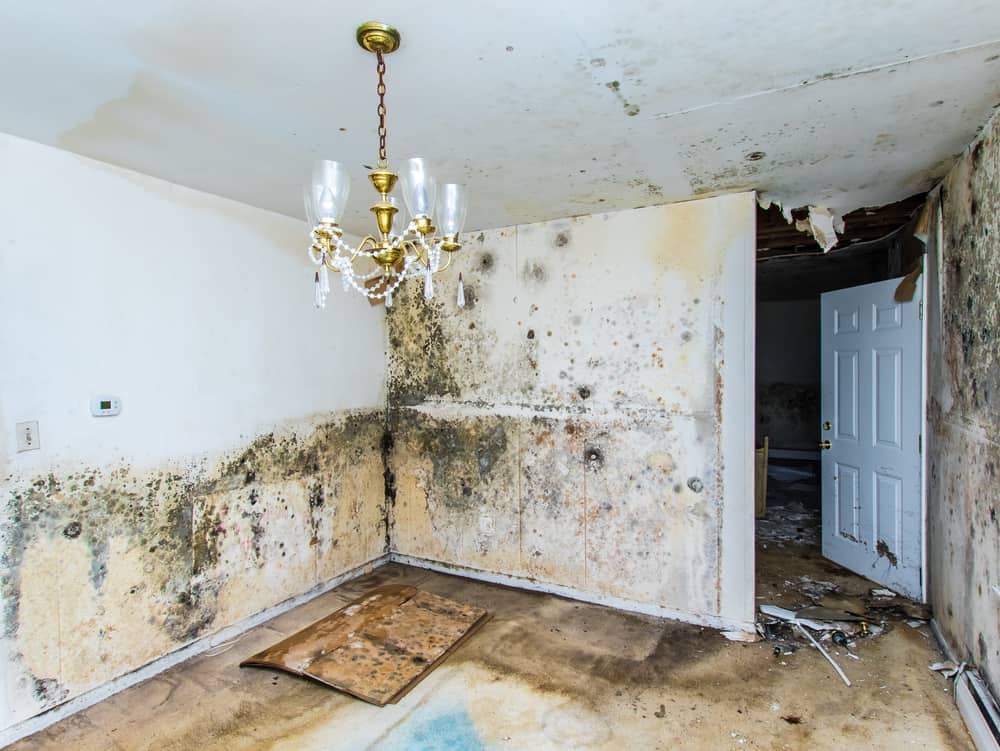
Yes and in Hewlett’s housing stock specifically, it’s more common than most homeowners expect. Midcentury Cape Cods and ranch-style homes built in the 1940s through 1970s were constructed without the vapor barriers, moisture-resistant sheathing, and modern insulation standards that newer homes use. When water gets into a wall cavity from a slow roof leak, a plumbing drip, or groundwater seeping through an older foundation it can sit behind finished drywall for months or years before any visible sign appears on the surface.
The South Shore’s high water table compounds this. Homes in Hewlett and the surrounding Five Towns communities sit on a coastal plain where groundwater pressure against basement walls is a chronic condition, not an occasional event. Infrared thermal imaging is the only reliable way to detect moisture accumulation behind finished surfaces without tearing walls open. That’s why it’s a standard part of every First Response inspection not an add-on. If your home has a musty smell that comes and goes, or if you had any flooding during Sandy or a subsequent storm event, there’s a real possibility that mold is present somewhere you can’t see it.
Do I need a mold inspection before buying a house in Hewlett, NY?
A standard home inspection does not include mold assessment. The inspector will note visible water stains or obvious moisture issues, but they’re not equipped to collect air samples, use infrared imaging, or produce a lab-backed mold report. In Hewlett’s real estate market where buyers are regularly paying $600,000 to $800,000 or more for midcentury homes relying on a general home inspection to clear a property for mold is a meaningful gap in due diligence.
The case for a pre-purchase mold inspection is especially strong in Hewlett because of the housing stock’s age and the area’s documented flood history. If a home you’re considering was built before 1980, has a finished basement, or sits in a neighborhood that experienced any flooding during Superstorm Sandy, a professional mold inspection gives you information your general home inspector simply cannot provide. If mold is found, you have documentation to negotiate with. If it’s not found, you close with confidence. Either way, you know what you’re buying and in this market, that knowledge is worth every dollar of the inspection fee.
Is black mold testing different from a standard mold inspection in Hewlett?
“Black mold” is one of the most searched and most misunderstood terms in the mold inspection space. The mold people typically mean when they say black mold is Stachybotrys chartarum a specific species associated with chronic moisture exposure and linked to respiratory symptoms. But the color of mold doesn’t determine how dangerous it is, and not every dark-colored mold is Stachybotrys. The only way to know what species you’re dealing with is certified laboratory analysis.
A professional mold inspection in Hewlett, NY covers toxic mold testing as part of the standard process not as a separate service. When air and surface samples go to the lab, the analysis identifies specific mold species, which tells you whether Stachybotrys or other health-relevant species are present and at what concentration levels. For families in Hewlett with children who have asthma, allergies, or unexplained respiratory symptoms, that species-level identification is important it’s the difference between knowing you have a general moisture problem and knowing you have a specific health concern that needs to be addressed with urgency. Our lab-backed reports give you that level of detail.
How long does a mold inspection take for a typical Hewlett home?
For a typical single-family home in Hewlett a Cape Cod, ranch, or two-story Colonial in the 1,500 to 2,500 square foot range the on-site inspection generally takes two to three hours. Larger homes, homes with finished basements, or homes where the inspector identifies multiple areas of concern may run longer. The on-site portion is only part of the timeline: after samples are collected, they go to a certified laboratory for analysis, and the full written report with lab results typically comes back within two to five business days depending on the lab’s current turnaround.
If you’re in the middle of a real estate transaction and working against a contract deadline, it’s worth communicating that upfront so the inspector can prioritize lab processing accordingly. We operate 24 hours a day, 7 days a week, which means scheduling is flexible even for homeowners commuting into the city on the Far Rockaway Branch you’re not limited to a narrow weekday window. The goal is to get you a complete, lab-confirmed report as efficiently as possible, without cutting corners on what the inspection actually covers.
Useful Links
Other Services we provide in Hewlett