
Mold Inspection in Huntington Station, NY
Older Homes, Hidden Mold, Real Answers

Hear from Our Customers
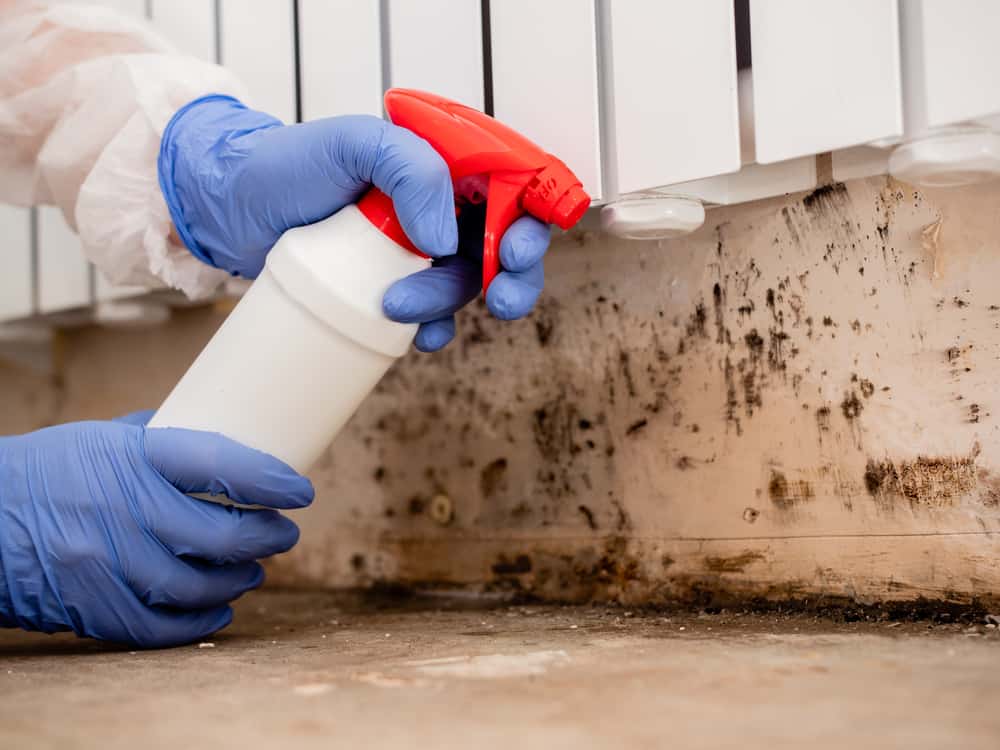
Home Mold Testing in Huntington Station
A musty smell in the basement after a rainstorm isn’t just annoying it’s your house telling you something. In Huntington Station, where a huge share of the housing stock was built before modern vapor barriers and waterproofing standards existed, that smell often means mold has been quietly growing inside a wall cavity or beneath a subfloor for months. Maybe longer. The inspection doesn’t just confirm whether mold is present. It tells you where it is, what type it is, and what’s feeding it so you’re not guessing, and you’re not paying for remediation work that doesn’t address the actual source.
For commuters catching the LIRR into the city every morning, the reality is that water intrusion events a slow pipe leak, basement seepage after a storm, condensation building up in a poorly ventilated attic can go unnoticed for days. Mold starts growing within 24 to 48 hours of a moisture event. By the time you notice the smell or the discoloration, the problem is already established. Getting a professional mold inspection in Huntington Station early is almost always less expensive and less disruptive than dealing with what happens when you don’t.
The other thing worth knowing: 25% of properties in Huntington Station face serious flooding risk over the next 30 years. That’s a reason to understand your home’s current condition now, before a water event forces the issue.
Licensed Mold Inspector in Huntington Station
We’ve been doing this work in Nassau and Suffolk Counties since the early 1990s. That means we’ve inspected homes in virtually every neighborhood across the Town of Huntington, including the post-war Cape Cods and split-levels that line the streets of Huntington Station, South Huntington, Dix Hills, and Elwood. We know what these homes look like from the inside, and we know exactly where moisture hides in construction that’s 60 or 70 years old.
Every technician on our team holds IICRC certification not just the owner, every technician. We hold both the New York State Mold Assessor license and the Mold Remediator license, as required under Article 32 of the NY Labor Law. That dual licensing isn’t standard across every company advertising mold services in Suffolk County. It’s verifiable through the NY Department of Labor’s public registry, and it matters before you let anyone into your home.
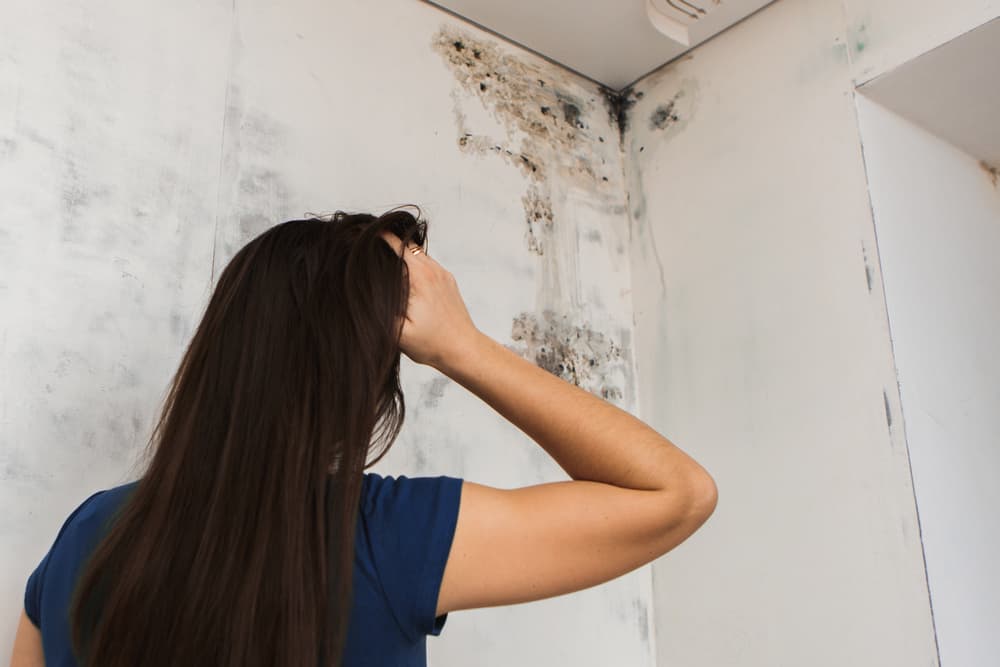
Mold Assessment Services in Huntington Station
The inspection starts with a walkthrough but not the kind where someone glances at your walls and hands you a clipboard. We use infrared thermal imaging to detect temperature differentials behind surfaces, which is how hidden moisture and mold growth gets found inside wall cavities and beneath flooring without tearing anything open. In older Huntington Station homes where original insulation and framing have been holding moisture for decades, this step alone changes what gets found.
From there, air samples are collected and surface swabs are taken from areas of concern. Those samples go to an accredited laboratory not an in-house kit, an actual certified lab and the results come back with specific mold species identified and spore counts put in context. Moisture levels throughout the home are measured with calibrated equipment, and the source of any water intrusion is documented. Everything is photographed.
What you get at the end is a written report in plain language. Not raw data you have to decode. An actual explanation of what was found, what it means, and what the recommended next steps are. If remediation is needed, we handle that process under New York State Article 32 requirements with a licensed assessor and a licensed remediator keeping their roles properly separated, as the law requires. If the home is clear, you’ll know that too, with documentation you can use for a real estate transaction, an insurance claim, or your own peace of mind.
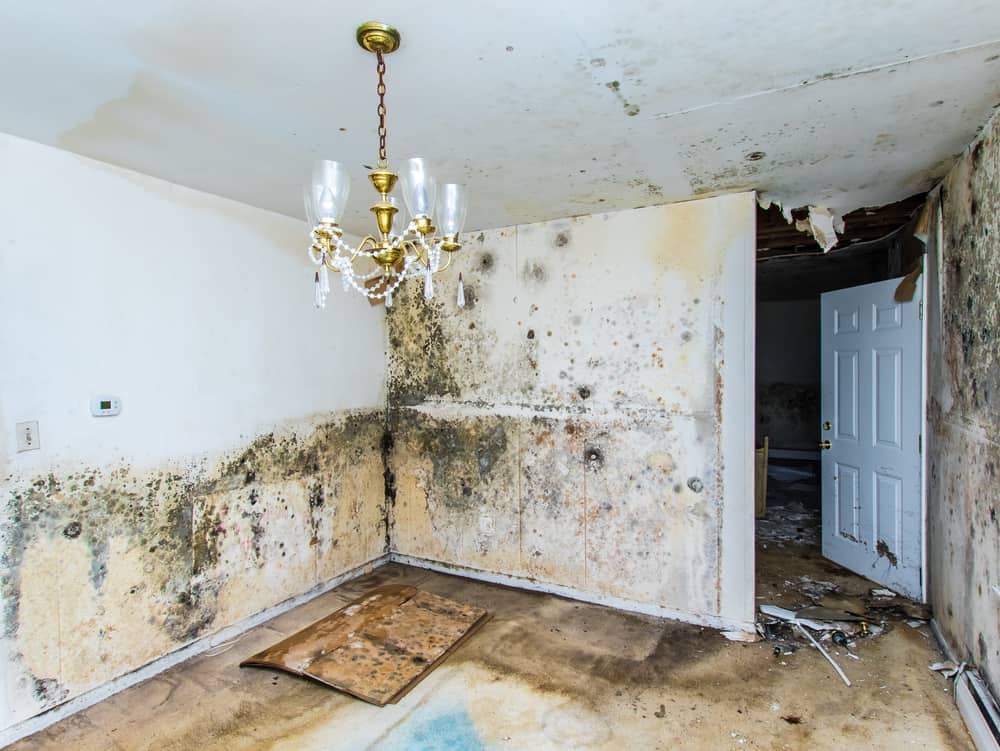
Ready to get started?
Residential Mold Inspection in Huntington Station
A mold inspection in Huntington Station covers the areas where mold actually lives not just the spots that are easy to check. Basements and crawl spaces are a primary focus, especially in homes along the older blocks off New York Avenue and throughout the South Huntington and Elwood edges of the hamlet, where high water tables and aging foundation systems create persistent moisture exposure. Attics are inspected for the condensation-driven mold growth that develops when ventilation is inadequate a common issue in homes built before modern ventilation codes existed. HVAC systems and ductwork are evaluated, because mold in the air handling system means mold gets distributed to every room every time the system runs.
The inspection also covers bathrooms, kitchens, and any area with known or suspected plumbing history. If you’ve had a water event a burst pipe during a cold January, basement seepage after a heavy storm, or an ice dam that forced water under your roof those specific areas get focused attention. Commercial properties along the Route 110 corridor are also served, with assessments tailored to the specific layout and use of the space.
Every inspection is backed by accredited lab analysis, full photographic documentation, and a written report. If remediation is needed, we handle that work as well, under our licensed team, through to final clearance testing. There’s no handoff to a third party, no coordination gap, and no starting over with a company that doesn’t know your home.
How much does a mold inspection cost in Huntington Station, NY?
The cost of a mold inspection in Huntington Station typically ranges from $300 to $700 for a standard residential assessment, depending on the size of the home and the scope of the inspection. Homes with multiple areas of concern, larger square footage, or specific conditions like a finished basement or a complex attic may fall toward the higher end of that range. Laboratory analysis fees are sometimes included and sometimes billed separately depending on the provider, so it’s worth asking upfront.
The more useful framing is what the inspection costs relative to what it prevents. Mold remediation in Suffolk County runs anywhere from $1,150 on the low end to $20,000 or more for widespread contamination in an older home. Catching a mold problem early before it spreads through wall cavities or into an HVAC system is almost always significantly less expensive than addressing it after the fact. For homeowners in Huntington Station dealing with aging housing stock that was built before modern moisture management standards, that math is worth taking seriously.
How do I know if a mold company in Huntington Station is actually licensed?
New York State Article 32 of the Labor Law requires any company performing mold assessment or mold remediation in Suffolk County including Huntington Station to hold a valid license issued by the New York State Department of Labor. This law has been in effect since January 1, 2016, and it applies to every job, regardless of the size of the project. The license is not optional, and performing mold work without one is illegal.
You can verify any company’s license directly through the NY DOL’s public online registry before you book. Search the company name or license number and confirm that both a Mold Assessor license and a Mold Remediator license are active and current. These are two separate credentials a company that holds one but not the other is only partially licensed. We hold both, and both are verifiable. If a company you’re considering can’t point you to their license numbers, that’s your answer.
Can mold really grow in my attic if I haven't had any leaks?
Yes, and it happens more often than most homeowners realize especially in Huntington Station’s older housing stock. Attic mold doesn’t always require a roof leak or a visible water intrusion event. It can develop purely from condensation when warm, humid air from the living space rises into an attic that lacks adequate ventilation. In homes built in the 1950s and 1960s which make up a significant portion of Huntington Station’s residential inventory attic ventilation was often minimal by today’s standards, and insulation was installed without the vapor barriers that modern construction requires.
Long Island’s coastal humidity compounds the problem. During the warmer months, ambient humidity in the area regularly exceeds 80%, which means there’s consistently enough moisture in the air to sustain mold growth in a poorly ventilated attic space even on days with no rain. The mold grows on the roof decking and rafters, often without producing any visible signs from inside the home. An infrared thermal imaging inspection is one of the most effective ways to detect this kind of hidden moisture accumulation before it becomes a structural issue.
What's the difference between a mold inspection and mold testing are they the same thing?
They’re related but not identical. A mold inspection is the broader process a trained professional physically examines your home, identifies areas of concern, evaluates moisture sources, and determines where sampling should occur. Mold testing refers specifically to the collection and laboratory analysis of air samples or surface swabs to identify which mold species are present and at what concentration levels. Testing is typically a component of a full inspection, not a standalone substitute for one.
Some companies offer “mold testing” as a lower-cost entry point, which usually means they collect samples without the full investigative process no moisture mapping, no infrared imaging, no documentation of water intrusion sources. The problem with that approach is that the lab results tell you mold is present without telling you where it’s coming from or how far it’s spread. In a Huntington Station home with a 1960s foundation and decades of potential moisture exposure, knowing that mold exists without knowing its source doesn’t give you enough information to actually solve the problem.
Does homeowner's insurance cover mold inspection or remediation in New York?
It depends on the cause. Most standard homeowner’s insurance policies in New York will cover mold damage if it resulted directly from a covered peril a burst pipe, a storm-related roof leak, or sudden water damage from a specific incident. What most policies exclude is mold that developed from long-term moisture issues, deferred maintenance, or gradual seepage that the homeowner could reasonably have addressed earlier. The distinction matters, and insurers will look closely at the timeline and cause when evaluating a claim.
For Huntington Station homeowners, the key is documentation. If you’ve experienced a water event basement flooding after a storm, a pipe failure, or ice dam damage during a hard winter getting a professional mold inspection done promptly and having the findings documented creates the paper trail your insurance claim needs. We handle insurance documentation from the initial inspection through project completion, which means you’re not navigating that process alone while also managing the disruption of a water damage event in your home.
Is it safe to stay in my Huntington Station home during mold remediation?
It depends on the location and extent of the mold, and an honest answer requires knowing what the inspection actually found. For minor, contained mold growth a small area in a bathroom or a localized basement corner it’s often possible to remain in the home during remediation, provided the affected area is properly contained and the HVAC system is isolated to prevent spore spread. For more widespread contamination, particularly in areas that affect the home’s air handling system or involve significant structural materials, temporary relocation during active remediation is the safer choice.
Under New York State Article 32, licensed remediators are required to establish containment barriers and follow specific protocols designed to prevent cross-contamination during the work. Post-remediation clearance testing conducted by a licensed Mold Assessor must confirm that spore levels have returned to acceptable levels before containment is removed and the space is reopened. That clearance step is not optional, and it’s what separates a properly completed remediation from one that just looks finished. We conduct both the remediation and the post-clearance assessment under our dual licensing, so the process is managed from start to finish without gaps.
Useful Links
Other Services we provide in Huntington Station