
Mold Inspection in Kings Park, NY
When Nissequogue Humidity Gets Into Your Walls, You Need Real Answers

Hear from Our Customers
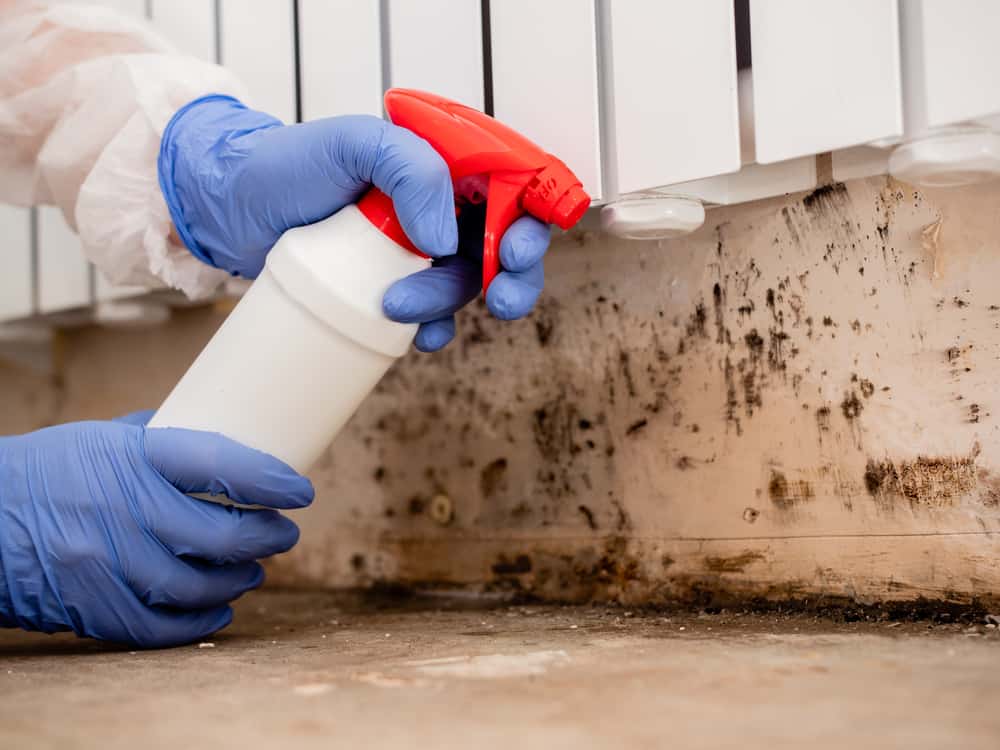
Mold Testing Services in Kings Park
Most Kings Park homeowners who call us aren’t panicking. They’re just done wondering. There’s a smell in the basement they can’t explain, or the kids have been sneezing since October, or they saw something dark near the crawlspace and decided today was the day. Whatever got you here, the outcome of a proper mold inspection is the same: you stop guessing and start knowing.
Kings Park’s housing stock skews older a lot of it built in the 1950s through 1970s, before vapor barriers and modern waterproofing were standard. Those homes have block foundations that groundwater can push right through, especially in areas close to the Nissequogue River watershed where the water table runs high after heavy rain. When you get a thorough inspection done, you find out whether the moisture you’re seeing is surface-level or whether it’s been sitting inside a wall cavity long enough to become a real remediation project.
The other thing that changes is your position. If you’re planning to sell, a clean inspection report is documentation a buyer’s agent can’t argue with. If you’re staying, you know your family isn’t breathing something that shouldn’t be there. Either way, you’re not making decisions in the dark anymore and that alone is worth the call.
Licensed Mold Inspector in Kings Park, NY
We’ve been operating out of Suffolk County for over three decades. That’s not a number we throw around for effect it means we’ve inspected and remediated mold in homes across the North Shore through nor’easters, pipe failures, post-storm flooding, and everything in between. We know what Kings Park homes look like from the inside, and we know what the conditions around Sunken Meadow and the Nissequogue River corridor do to basements and attics over time.
Every technician we send to your door is IICRC-certified. We hold New York State licenses for both mold assessment and mold remediation both verifiable through the NY Department of Labor. And if the inspection turns into a remediation project, or remediation turns into reconstruction, you don’t need to find another contractor. We handle the full scope, including insurance documentation, under one roof.
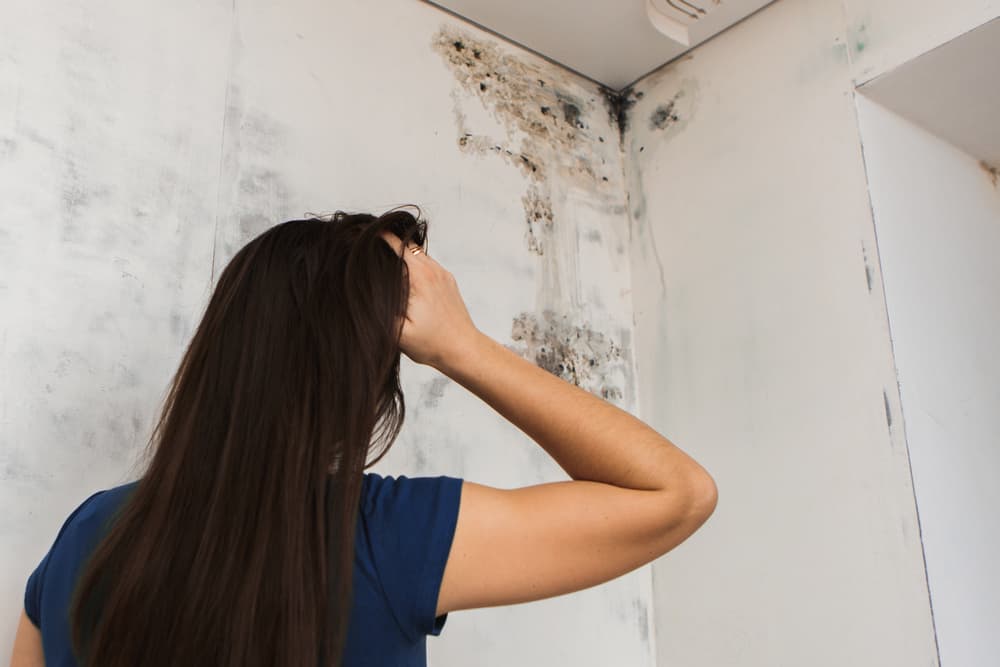
Our Mold Assessment Process in Kings Park
When we arrive at your Kings Park home, the inspection starts with a full walkthrough not a quick scan. We’re looking at areas where moisture tends to accumulate in this type of housing stock: basements with block foundations, attic spaces with older or inadequate ventilation, exterior walls on the north-facing or tree-shaded sides of the house, and anywhere you’ve had water intrusion in the past.
From there, we collect air samples and surface swab samples, which go to a certified, accredited laboratory for analysis. We also take moisture readings throughout the home using calibrated instruments, and we run infrared thermal imaging to detect temperature differentials that point to hidden moisture inside walls, floors, and ceilings the kind of mold that a visual inspection alone would completely miss. We compare indoor spore counts against an outdoor baseline sample, so the lab results actually tell you something meaningful rather than just showing a number with no context.
New York State requires all mold assessors and remediators to hold active state licenses something worth confirming before you hire anyone in Kings Park or anywhere else in Suffolk County. Once your lab results are back, you receive a written report in plain language: what was found, where it is, what caused it, and what needs to happen next. No raw data dump. No vague recommendations. Just a clear picture of what’s going on in your home.
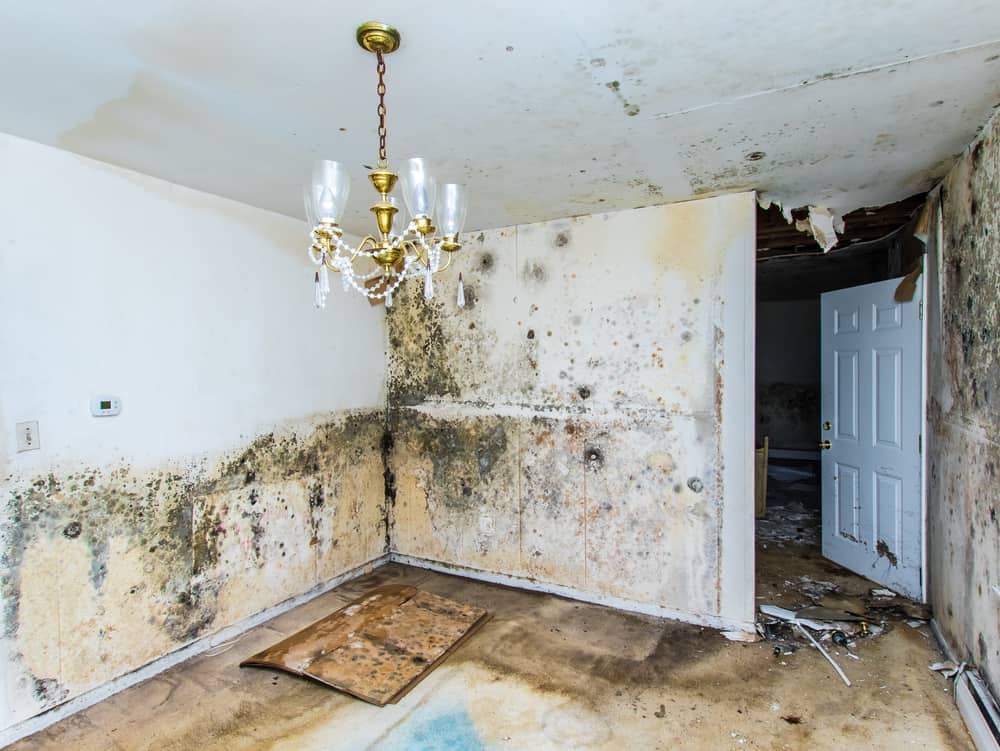
Ready to get started?
Residential Mold Inspection Services in Kings Park
A mold inspection with us covers the full picture not just the spots you can already see. We conduct air quality testing for mold, surface sampling, moisture level measurement, water intrusion source identification, and infrared thermal imaging, all in a single visit. Every sample goes to an accredited lab, and every report includes specific remediation recommendations, not just findings.
For Kings Park homes specifically, attic inspections are something we take seriously. The wooded, parkland-adjacent character of this community bordered by Nissequogue River State Park and Sunken Meadow means a lot of homes have shaded rooflines, debris-clogged gutters, and attic spaces that hold heat and moisture longer than they should. We’ve documented exactly this kind of issue in a Kings Park attic case involving moisture buildup from poor ventilation. It’s not rare here it’s a pattern. Basement mold inspection is equally critical in this area, where older foundations and proximity to the river watershed create persistent groundwater seepage risk, especially after significant rainfall.
We also serve commercial properties along Route 25A and Indian Head Road in Kings Park. Whether it’s a residential home in San Remo or a commercial space near the Kings Park LIRR station, the inspection process is thorough, the results are lab-verified, and the report is something you can actually use for insurance, for real estate, or for your own peace of mind.
How much does a mold inspection in Kings Park, NY typically cost?
Mold inspection costs in Kings Park generally run between $300 and $700 for a standard residential inspection, though the total can vary depending on the size of the home, the number of samples collected, and whether specialized testing like infrared thermal imaging is included. Nationally, the range sits between roughly $303 and $1,043 according to industry data Kings Park falls squarely in that window for most single-family homes.
The more useful way to think about the cost is relative to what you’re protecting. The median home value in Kings Park represents a significant financial stake, and mold discovered during a buyer’s inspection can reduce a sale price by tens of thousands of dollars or kill a deal entirely. A $400 inspection is a small line item against that risk. If mold is found and remediation is needed, catching it early before it spreads into structural materials is almost always less expensive than addressing it after the fact. The inspection isn’t an added expense. It’s the decision that determines how expensive everything else gets.
What are the most common signs that a Kings Park home needs mold testing?
The most common triggers we hear from Kings Park homeowners are a persistent musty smell in the basement or crawlspace, visible dark spots or staining near windows, on ceilings, or around HVAC vents, and unexplained allergy or respiratory symptoms that seem to improve when family members leave the house. Those are the obvious ones. The less obvious ones are water stains from a past leak that was “fixed,” condensation on interior walls during humid months, or a basement that got water in it after a storm and was dried out with fans but never professionally assessed.
Given Kings Park’s proximity to the Nissequogue River and its older housing stock, basement moisture intrusion is genuinely common here, particularly after significant rainfall events. The August 2024 North Shore flooding affected communities throughout this area and left a lot of homes with water that sat long enough to create mold conditions even when no visible growth appeared. If your home had any water intrusion in the past two years and you haven’t had it professionally tested, that’s reason enough to schedule an inspection.
Is there a difference between mold testing and mold inspection, and which one do I need?
These terms get used interchangeably, but they’re not exactly the same thing. Mold testing refers specifically to the lab analysis of air or surface samples it tells you what mold species are present and at what concentration. A mold inspection is the broader process: a physical walkthrough of the property, identification of moisture sources and water intrusion points, thermal imaging to detect hidden growth, moisture measurements, and then the collection of samples for lab testing. The inspection is what gives the testing its context.
If you just order a test without an inspection, you might get a spore count back from a lab and have no idea what it means or where the mold is coming from. The inspection is what connects the lab data to a specific location in your home and a specific cause. For most Kings Park homeowners dealing with a suspected mold issue whether it’s from a leaky foundation, attic condensation, or post-storm moisture a full inspection with lab testing is what actually gives you actionable information. Testing alone is rarely enough to make good decisions.
Does New York State require mold inspectors in Kings Park to be licensed?
Yes and this matters more than most homeowners realize before they start calling around. New York State law, which took effect January 1, 2016, requires anyone performing mold assessment or mold remediation in New York to hold an active license issued by the New York Department of Labor. This applies to every job in Kings Park, which falls under Suffolk County and New York State jurisdiction. The Town of Smithtown, which administers permits and codes for Kings Park as an unincorporated hamlet, does not override that state requirement.
You can verify any mold contractor’s license directly through the NY Department of Labor’s online search tool before you hire. It takes about two minutes and tells you whether the license is active and what it covers. We hold both a mold assessor license and a mold remediator license not just one or the other. Some companies in the Kings Park market hold one but not both, which limits what they can legally do on your property. If a contractor can’t show you a valid NY State mold license, they’re not legally permitted to do the work.
Can mold grow in my attic if I haven't had any flooding or visible water damage?
Absolutely and attic mold is one of the most commonly missed problems in Kings Park homes precisely because it doesn’t require a flood to develop. What it requires is moisture and poor airflow, and Kings Park’s wooded, parkland-adjacent environment provides both in abundance. Homes near Nissequogue River State Park and Sunken Meadow tend to have shaded rooflines and gutters that collect organic debris leaves, pine needles that trap moisture against the roofline and contribute to humidity buildup in the attic space below. Older homes in Kings Park, particularly those built in the 1960s and 1970s, frequently have attic ventilation systems that were never designed to handle modern humidity loads.
The result is condensation that accumulates on roof sheathing and insulation over months or years, creating ideal mold conditions without a single drop of standing water. We’ve documented this exact pattern in Kings Park attic inspections mold growing on sheathing in homes where the owners had no idea anything was wrong because there was no water event to trace it back to. Infrared thermal imaging is particularly useful in these cases because it detects the temperature differentials caused by moisture-saturated insulation before any visible growth appears.
If mold is found, do I need to hire a separate company for remediation and repairs?
Not with us. One of the more frustrating parts of dealing with a mold problem is the chain of contractors it typically creates one company for the inspection, a different one for remediation, and then a third for any drywall, insulation, or structural repairs that come out of it. For Kings Park homeowners who are commuting into the city or managing full schedules, coordinating that many vendors while also dealing with an insurance claim is genuinely difficult.
We handle the entire process: inspection, lab testing, remediation, and full structural reconstruction if the mold has damaged building materials. We also manage insurance documentation and communication directly with your carrier from the first call through project completion. That matters especially for homeowners who experienced water damage during storm events and are navigating claims while trying to get their homes back to normal. You make one call, we handle the scope, and you’re not left trying to figure out who’s responsible for what when three different contractors have been in your home.
Useful Links
Other Services we provide in Kings Park