
Mold Inspection in Lake Success, NY
What's Hiding Behind 70 Years of Lake Success Walls?

Hear from Our Customers
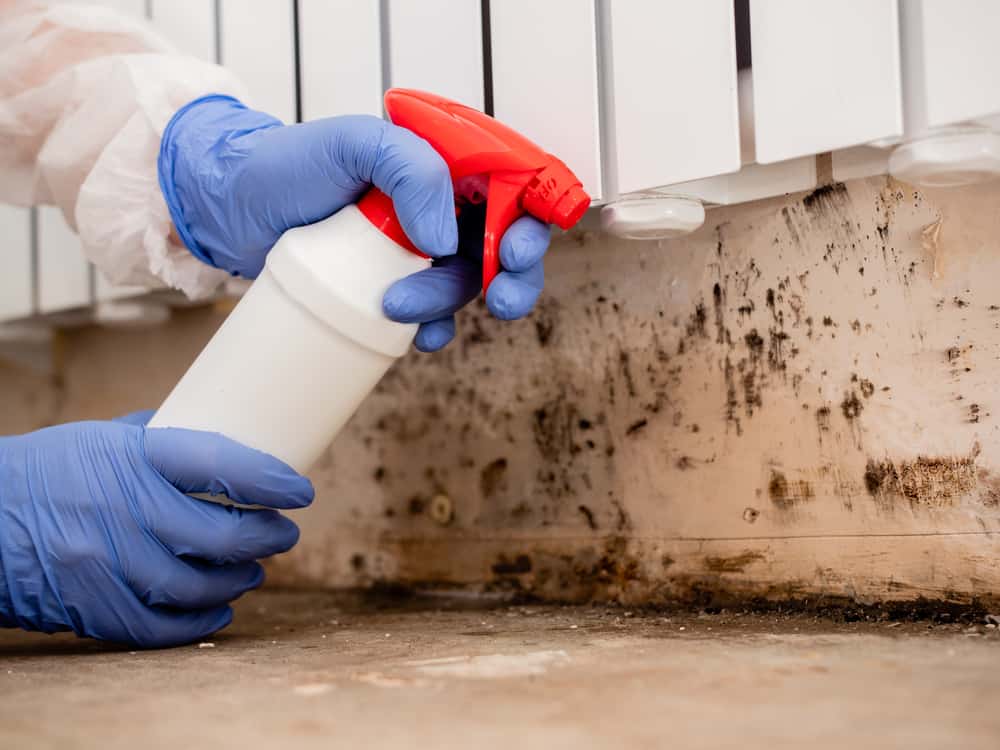
Residential Mold Detection, Nassau County
The majority of homes in Lake Success were built in the 1950s. That’s not a knock on the neighborhood it’s just reality. Original plumbing corrodes. Basement waterproofing from 60 years ago fails quietly. And when moisture finds its way in through a slow pipe, a compromised foundation wall, or groundwater moving through the sandy glacial soils beneath Lake Success mold doesn’t announce itself. It grows behind walls and under floors for months before anyone notices.
We provide a professional mold inspection in Lake Success that gives you a clear, documented picture of what’s actually happening inside your home. Not a guess. Not a visual scan with a flashlight. A five-point assessment that includes air testing, surface swab sampling, moisture level measurement, infrared thermal imaging, and water intrusion inspection all backed by certified lab results.
For homeowners near the lake itself, the groundwater risk is real. Kettle lakes like Lake Success sit in permeable glacial soils, and in wet seasons, that moisture moves. Basements in low-lying areas of the village can take on groundwater without a single visible crack in the foundation. If you’ve noticed musty smells, unexplained allergy symptoms, or visible discoloration anywhere in your home, our inspection will tell you whether mold is the cause and exactly where it’s coming from.
Licensed Mold Inspection Company, Nassau County
First Response Restoration and Cleaning Inc. has been serving Nassau County homeowners for over three decades, including the Lake Success area and surrounding North Shore communities. We’re owned by Richard Peterson, who holds a New York State Department of Labor mold license under Article 32 of the NY Labor Law the state-mandated credential required for all mold assessment and remediation work in New York since 2016. More importantly, every technician on our team carries IICRC certification, not just the owner. That matters when someone shows up at your door.
We’ve worked throughout the Great Neck area, North Hempstead, and across Nassau County’s North Shore for years. We know the housing stock here the postwar colonials, the expanded ranches, the Tudor-style homes on generous lots and we know where moisture hides in homes of this age and construction type. This isn’t a franchise operation learning your neighborhood from a manual. We’ve genuinely been here.
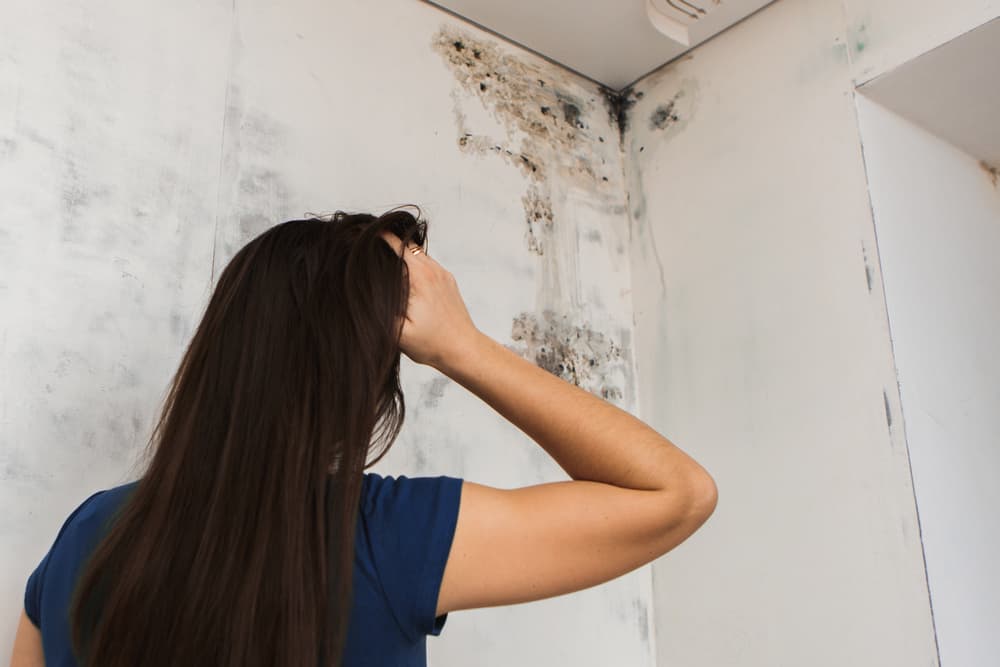
Mold Assessment Services in Lake Success, NY
Our inspection starts with a full walkthrough of your home not just the obvious spots, but the areas that mid-century construction makes vulnerable: basement slabs and foundation walls, attic insulation and roof decking, wall cavities near plumbing lines, and HVAC components that may have been retrofitted over the years. We use infrared thermal imaging to detect temperature differentials behind surfaces, which reveals hidden moisture that a visual inspection alone would miss entirely.
From there, we collect air samples and surface swab samples and send them to a certified third-party laboratory. You’ll receive a written report with the lab results, mold species identification, spore concentration levels, photographs of problem areas, and specific remediation recommendations. This is the documentation that holds up in real estate transactions, insurance claims, and conversations with your attorney if it comes to that.
One thing worth knowing if you’re planning remediation after the inspection: Lake Success is an incorporated village with its own building permit office. Any work that involves opening walls or replacing structural elements requires a village permit, and construction in Lake Success is restricted to Monday through Friday between 8:00 AM and 5:00 PM. We’re familiar with Nassau County’s incorporated village requirements and handle this as part of the process you won’t be left figuring out the permit side on your own.
Ready to get started?
Indoor Air Quality Testing for Mold, Lake Success
A mold inspection in Lake Success through First Response is a five-point assessment, not a walk-through. It includes air testing, surface swab sampling, water intrusion inspection, moisture level measurement, and infrared technology scanning for hidden mold. Every sample goes to a certified lab. The written report you receive includes the lab results, mold species identification, spore concentration data, photographs of identified sources, a comparison of internal versus external mold particle levels, and specific remediation recommendations.
For homes in the Lake Success area particularly those near the lake, adjacent to the LIE service roads where drainage was altered during highway construction, or in low-lying areas with groundwater exposure we conduct especially thorough moisture mapping. We use infrared imaging to find the moisture that’s there but not visible, behind original plaster walls and under flooring, without opening anything up unnecessarily.
If our inspection finds mold, we handle remediation and full property restoration as well. You don’t need to start over with a new contractor. The same certified team that wrote the assessment executes the remediation plan which means no miscommunication between an inspector and a separate crew, and no gap in accountability. For homeowners managing a pre-purchase inspection on a $1.5 million property or dealing with a post-flood situation after a nor’easter hit the North Shore, that continuity is worth a lot.
Does a mold inspection in Lake Success require a village permit?
The inspection itself does not require a permit a certified mold assessor can come in, test, sample, and produce a report without triggering any village permitting requirements. Where permits come into play is on the remediation side. If the inspection findings lead to remediation work that involves opening walls, removing drywall, or replacing structural components, Lake Success’s village building permit office requires a permit before that work begins. Lake Success is an incorporated village in the Town of North Hempstead with its own code enforcement separate from Nassau County and construction is restricted to Monday through Friday, 8:00 AM to 5:00 PM.
This is something to factor into your timeline, especially if you’re working toward a real estate closing or trying to address a post-flood situation quickly. We’re familiar with Nassau County’s incorporated village requirements and can help you understand what the remediation scope will trigger before you’re caught off guard by a permitting delay.
How much does a professional mold inspection typically cost in Nassau County?
For a standard single-family home, mold inspection costs in the Nassau County area generally run between $300 and $1,000, with the final number depending on square footage, the number of samples collected, and the complexity of the inspection. Lake Success homes tend to fall toward the higher end of that range many are 3,000 square feet or larger, sit on generous lots, and have basements, attics, and HVAC systems that all warrant thorough assessment. A more complete inspection of a larger, older home simply takes more time and more samples.
What’s worth keeping in mind at Lake Success property values is the math. A home worth $1.5 million or more that has an undetected mold problem can see that problem surface during a buyer’s inspection, complicate a sale, or become a far more expensive remediation project if it’s left to grow. The cost of a thorough mold inspection is a small fraction of what a delayed discovery costs financially and in terms of your family’s health.
What are the most common signs of mold in older Lake Success homes?
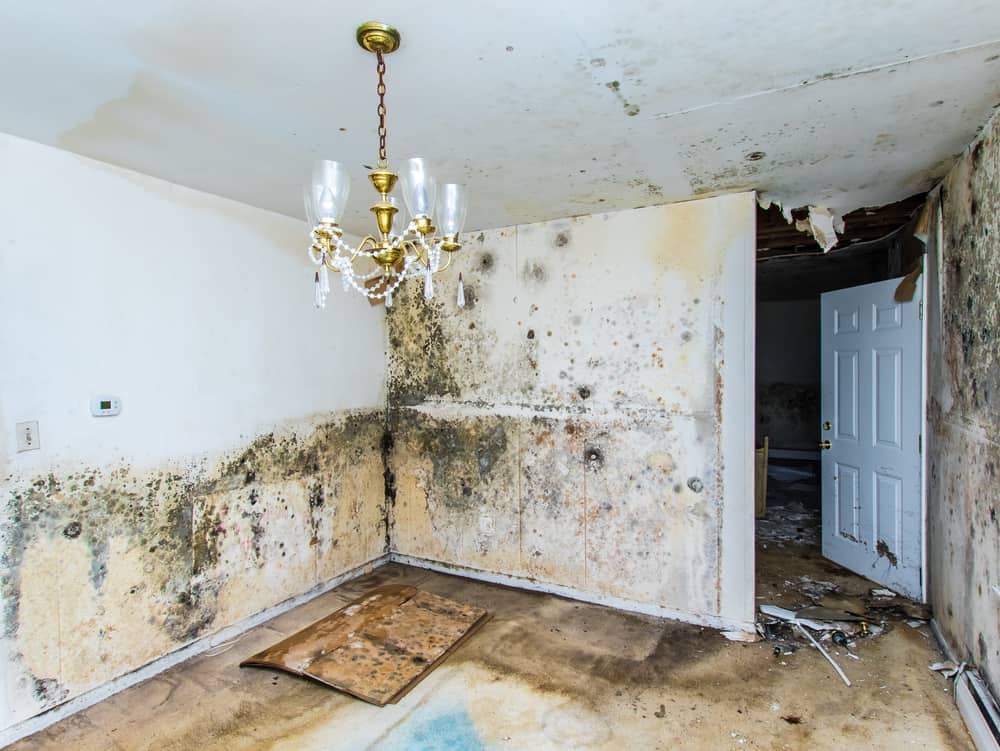
The most common signs in mid-century Lake Success homes are musty odors in basements or closed rooms, visible discoloration on walls or ceilings particularly near plumbing lines or exterior walls and unexplained respiratory symptoms or allergy flare-ups that improve when you leave the house. Original plaster walls and lath construction in homes built in the 1950s and 1960s can mask moisture damage that’s been accumulating for years. You might not see anything on the surface, but the mold is there.
Basements are the most common problem area in Lake Success, particularly for homes in lower-lying areas near the lake or adjacent to the Long Island Expressway service roads, where the highway’s construction in the late 1950s altered the natural drainage patterns across parts of the village. Attics are the second most common location, especially in homes that have experienced ice dam water intrusion during winter water forced under roofing shingles by ice dams at the eaves can saturate insulation and roof decking without leaving any obvious interior evidence until mold is well established.
Is mold inspection in Lake Success, NY required before buying or selling a home?
New York State does not legally require a mold inspection as part of a real estate transaction, but at Lake Success price points where median sale prices have been running between $1.85 million and $2.1 million it’s become a standard part of serious due diligence. Buyers at this level almost always have an attorney involved, and when a general home inspector flags moisture concerns or potential mold, the next step is a certified mold assessor who can produce the lab-backed documentation that a real estate attorney or lender will actually accept.
For sellers, having a clean mold inspection report in hand before listing can prevent a deal from falling apart at the inspection stage. For buyers, it protects you from inheriting a problem in a home where the mid-century construction makes hidden mold genuinely common. Either way, the written report we produce with certified lab results, species identification, and specific findings is the kind of documentation that holds up in negotiations, not just a verbal opinion.
How long does a mold inspection take for a large home?
For a typical Lake Success home a 2,500 to 4,000 square foot mid-century colonial or expanded ranch the on-site inspection generally takes two to four hours. That includes the full walkthrough, infrared thermal imaging of suspect areas, air sampling, and surface swab collection. Larger homes or properties with multiple problem areas will take longer. The lab analysis that follows typically returns results within three to five business days, after which you receive the written report.
The inspection itself is non-invasive. Nothing gets opened, cut, or removed during the assessment the goal is to identify where the problems are and document them thoroughly before any remediation work begins. If you’re on a tight timeline for a real estate closing, it’s worth mentioning that upfront when you call, so the scheduling and lab turnaround can be factored into your timeline accordingly.
Can mold grow in a home that doesn't have visible water damage?
Yes and in Lake Success specifically, this is one of the more common scenarios. Mold needs moisture, but that moisture doesn’t have to come from a burst pipe or a flooded basement. In a village built on glacial outwash soils surrounding a kettle lake, groundwater moves freely through the ground beneath Lake Success, particularly during wet seasons. Basement slabs and foundation walls in homes near the lake or in low-lying areas can absorb that moisture slowly and steadily, with no visible flooding event and no obvious water entry point.
Condensation is another source that often goes unnoticed. HVAC systems that have been retrofitted or poorly balanced in older homes can create condensation in wall cavities and ductwork. Attic spaces with inadequate ventilation trap humidity that, over time, creates the conditions mold needs. The reason infrared thermal imaging is part of every First Response inspection is precisely this to find the moisture that’s there but not visible, before it becomes a problem that’s impossible to ignore.
Useful Links
Other Services we provide in Lake Success