
Mold Inspection in Massapequa Park, NY
South Shore Homes Hide More Than You Think
Hear from Our Customers
Residential Mold Detection in Massapequa Park
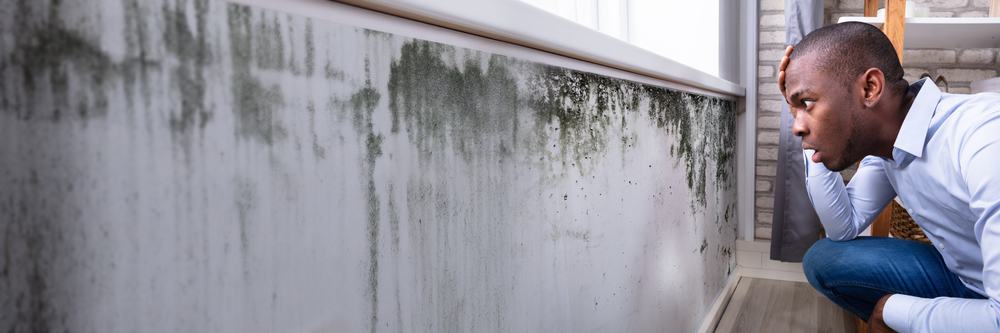
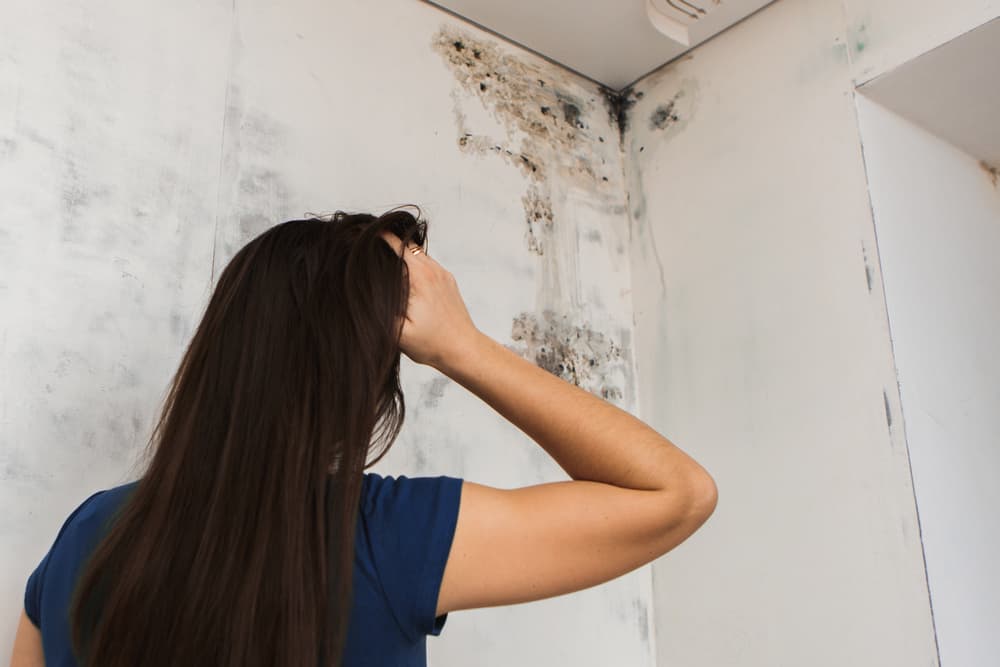
Most mold problems in Massapequa Park don’t start with a visible patch on the wall. They start with a musty smell in the basement, a kid who can’t stop coughing, or a bathroom that never quite dries out. By the time you can see it, it’s already been growing somewhere behind the scenes for a while.
What a professional mold inspection gives you is certainty. Not a guess, not a visual scan actual lab-backed results that tell you what species are present, at what concentration, and whether the levels in your home are elevated compared to normal outdoor air. That’s the difference between knowing you have a problem and knowing what to do about it.
For homes in Massapequa Park specifically, that level of detail matters more than most people expect. The persistent humidity off Great South Bay, the water table pressure on basement walls, the moisture that migrates from the Massapequa Preserve into adjacent properties these aren’t abstract risks. They’re the reason that two homes on the same block can have completely different mold profiles. A thorough inspection accounts for all of it, so you’re not making decisions based on incomplete information.
Licensed Mold Inspection Company in Massapequa Park
First Response Restoration and Cleaning has been working on Long Island for over three decades not as a franchise, not as a call center routing jobs to subcontractors, but as a real local company with licensed professionals who actually show up. Our owner Richard Peterson holds personal NYS DOL licensing in both mold assessment and mold remediation, and every technician on our team is IICRC-certified. That’s not the norm in this industry.
Operating out of West Babylon, we work throughout the South Shore which means Massapequa Park isn’t a stretch of our service area, it’s home territory. We understand what coastal air does to older homes, how the Preserve’s pond system affects nearby properties, and what post-Sandy moisture damage looks like years after the fact. That kind of local familiarity doesn’t come from a training manual.
We’re fully licensed, bonded, and insured under New York State Article 32 the law that’s required mold assessor licensing since 2016. When you hire First Response, you’re working with a company that meets the legal standard and has the track record to back it up.
How Mold Assessment Works in Massapequa Park
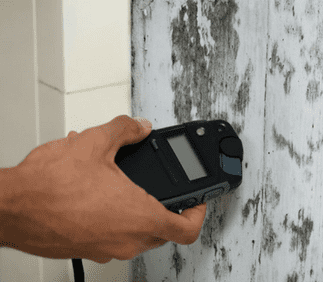
The inspection starts with a full walkthrough of your property basement, attic, crawl spaces, bathrooms, and anywhere else moisture tends to collect. In Massapequa Park’s older Cape Cods and colonials, that often means checking original plumbing lines, finished basement walls, and attic framing that hasn’t been opened in decades. This is where our infrared thermal imaging comes in. It picks up temperature differentials that indicate hidden moisture inside wall cavities and ceilings areas where mold can grow for years without ever becoming visible.
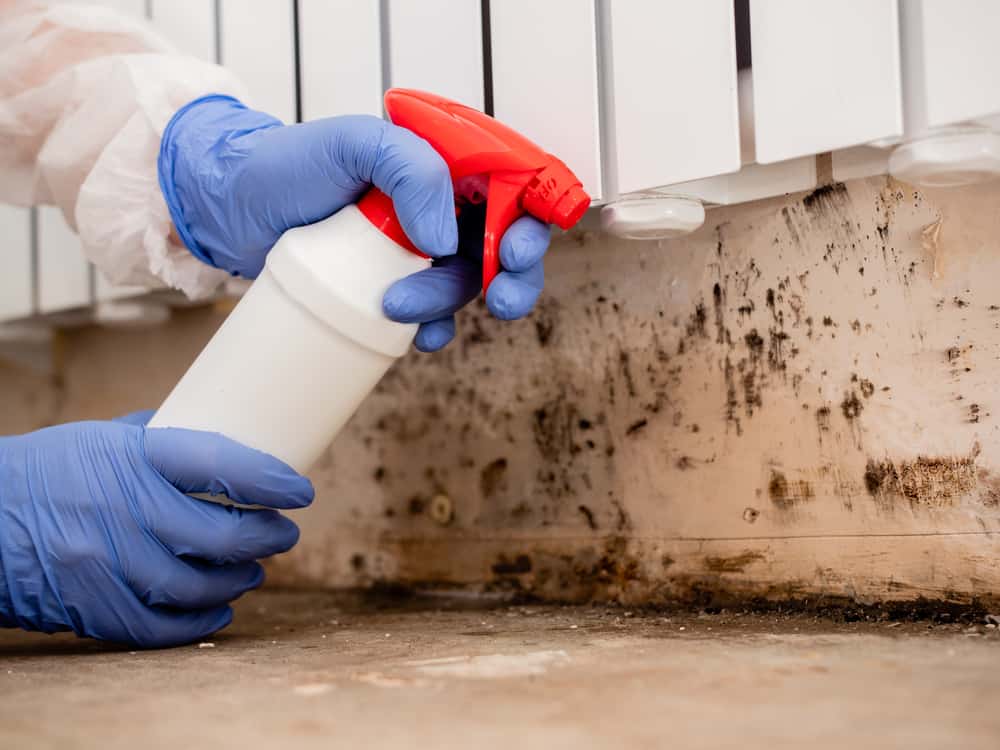
From there, we collect air samples from the interior and compare them against an outdoor baseline. We take surface swab samples from any areas of visible concern. Moisture levels are measured with calibrated meters throughout the home. All samples go to a certified lab, and the results come back with species identification, spore concentration counts, and a clear picture of whether what’s in your home is elevated beyond what’s normal.
You receive a written report that documents everything findings, lab results, photographs, and specific recommended next steps. If you’re navigating an insurance claim from storm damage or a prior flooding event, that report is built to hold up. If you’re buying or selling a home in Massapequa Park’s competitive market, it gives you something concrete to work from. The whole process is designed to leave no guesswork on the table.
Ready to get started?
Mold Testing Services for Massapequa Park Homes
Our mold inspection in Massapequa Park covers air testing, surface swab sampling, water intrusion inspection, moisture metering, infrared thermal imaging, and a full written report with certified lab results. That’s not a menu of add-ons it’s our standard process, because the conditions in this area demand it.
Homes in ZIP code 11762 were primarily built in the 1940s, and that generation of construction didn’t include modern vapor barriers or ventilation standards. Original galvanized plumbing corrodes slowly and leaks inside walls without any visible sign. Attic framing absorbs decades of moisture cycling. Basement walls face constant hydrostatic pressure from the high water table that runs through the South Shore. Any one of those factors can sustain mold growth for years. All of them together in a home that’s never been assessed is exactly why a multi-point inspection matters here.
We serve both residential and commercial properties throughout Massapequa Park and the surrounding Nassau County area. Whether you’re a homeowner who’s noticed something off, a buyer doing due diligence on a 1940s colonial near Bar Harbor, or a property manager dealing with a recurring moisture issue, our inspection is designed to give you accurate answers not a reason to sell you more than you need.
How much does a mold inspection cost in Massapequa Park, NY?
The cost of a mold inspection in Massapequa Park typically ranges from $300 to $700 for a standard residential property, though larger homes or properties requiring more extensive sampling can run higher. The final cost depends on the square footage, the number of rooms being tested, and how many air and surface samples are collected for lab analysis.
It’s worth putting that number in perspective. Massapequa Park’s median home sale price is around $810,000, and most of the housing stock is 75 to 85 years old. The cost of an inspection is a small fraction of what undetected mold damage can cost in remediation, structural repairs, or lost value on a sale. If you’re buying a home in this market or dealing with any history of basement flooding or storm water intrusion, the inspection pays for itself in what it prevents.
What are the signs I actually need a mold inspection in my home?
The most common signs are a persistent musty smell especially in the basement or attic visible discoloration on walls or ceilings, unexplained respiratory symptoms like chronic congestion or coughing, and any recent or past water intrusion. You don’t need to see visible mold growth to have a real problem. In many cases, the mold is behind finished walls or underneath flooring where it’s been growing undisturbed.
For Massapequa Park homeowners, there are a few additional situations that warrant a closer look even without obvious symptoms. If your home experienced any flooding during Hurricane Sandy or subsequent nor’easters and was never professionally assessed for mold, that’s a gap worth closing. If you have a basement that tends to feel damp in summer which is common given the South Shore’s water table that chronic low-level moisture is enough to sustain mold growth over time. A professional inspection tells you definitively what you’re dealing with, rather than leaving you guessing.
Is there a difference between mold inspection and mold testing in New York?
Yes, and it’s an important distinction. Mold testing typically refers to collecting air or surface samples and sending them to a lab it’s one component of the process. A full mold inspection includes testing, but it also includes a physical assessment of the property: looking for water intrusion points, measuring moisture levels with calibrated meters, using infrared imaging to find hidden moisture, and documenting findings with photographs. The inspection gives you context for the test results.
In New York State, the distinction also has a legal dimension. Under Article 32 of the NY Labor Law, anyone performing mold assessment for compensation must hold a NYS DOL Mold Assessor license. That requirement applies in Massapequa Park just as it does anywhere else in the state. A company that hands you a lab result without holding the proper license is operating outside the law and the report they produce won’t carry the same weight with an insurance company or real estate attorney. Always verify licensing before you hire.
Can mold still be a problem in my home years after Hurricane Sandy flooding?
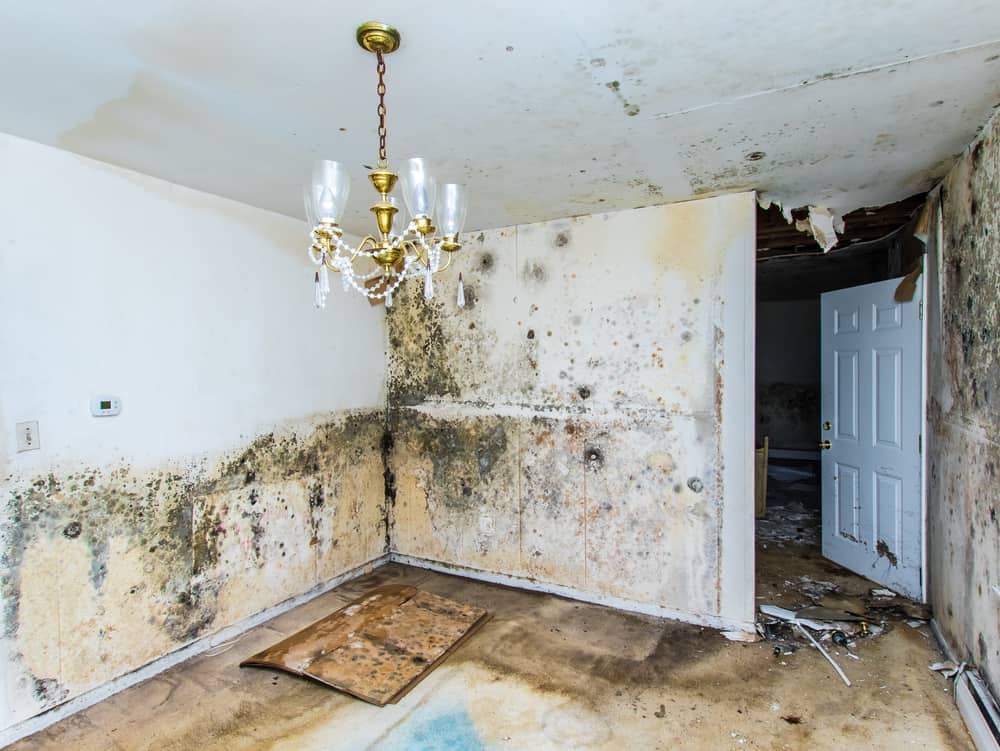
Yes and this is one of the more underappreciated issues on the South Shore. When a property floods, the visible water gets cleaned up. But if the moisture inside wall cavities, beneath subfloors, or in crawl spaces wasn’t fully dried and treated, the conditions for mold growth remain. Mold doesn’t need a lot of moisture to survive it just needs enough, consistently. In a home that was flooded in 2012 and never professionally assessed, there’s a real possibility that slow-growing mold colonies have been present for over a decade.
Massapequa was directly affected by Sandy, and many homes in the surrounding area had water intrusion that was addressed quickly but not thoroughly. If your home was affected and you’ve never had a mold assessment done, it’s not an overreaction to get one now. Infrared imaging and air sampling can detect what a visual inspection would miss entirely.
Do I need a mold inspection before buying a house in Massapequa Park?
A standard home inspection will flag obvious moisture issues and visible mold, but it won’t tell you what’s inside the walls, what’s in the air, or whether the mold levels in the home are elevated beyond normal outdoor concentrations. For a 1940s home on the South Shore which is the dominant housing stock in Massapequa Park that’s a meaningful gap. Original plumbing, uninsulated attic spaces, and basement walls under constant hydrostatic pressure are all conditions that can hide mold for years.
If you’re buying in this market and the home has any history of water damage, flooding, or a musty smell, a dedicated mold inspection before closing is worth the investment. It gives you either the confidence to move forward or the documentation to negotiate. In a market where homes are selling at or above $810,000, walking in without that information is an unnecessary risk. A pre-purchase mold inspection in Massapequa Park is one of the more straightforward ways to protect what you’re about to spend.
Why does mold seem worse in South Shore homes compared to other parts of Long Island?
It comes down to geography. Massapequa Park sits on the northern shore of Great South Bay, and the ambient humidity along the South Shore is consistently higher than what you’d find in inland Nassau County communities like Hicksville or Plainview. That persistent coastal moisture gets into homes through imperfect vapor barriers, attic ventilation gaps, and foundation cracks all of which are more common in the older housing stock that defines this area.
The Massapequa Preserve adds another layer. Its 423 acres of ponds and wetlands create a natural moisture reservoir right at the edge of the village. Properties near the Preserve tend to have elevated ambient humidity, and homes on lower-lying ground near the canal system can have completely different mold patterns than properties just a few blocks away on higher ground. That hyperlocal variability is part of why a thorough, multi-point inspection matters here more than in areas with more uniform conditions. A single air sample won’t capture what’s actually happening in a South Shore home but a five-point assessment will.
Useful Links
Other Services we provide in Massapequa Park