
Mold Inspection in Middle Island, NY
When the Pine Barrens Groundwater Comes Up, Mold Follows
Hear from Our Customers
Home Mold Testing in Middle Island, NY
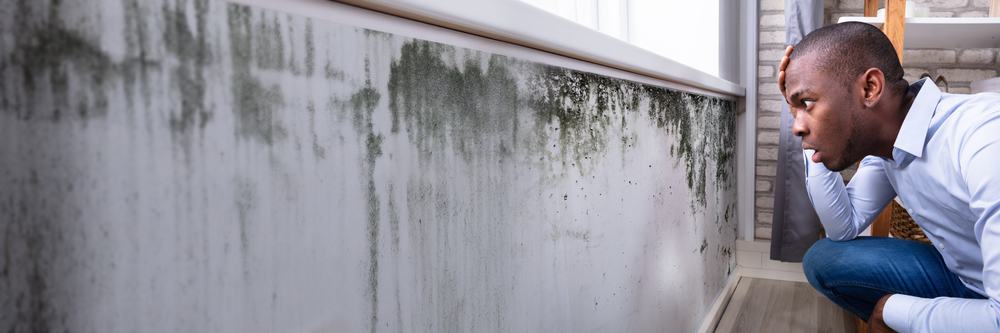
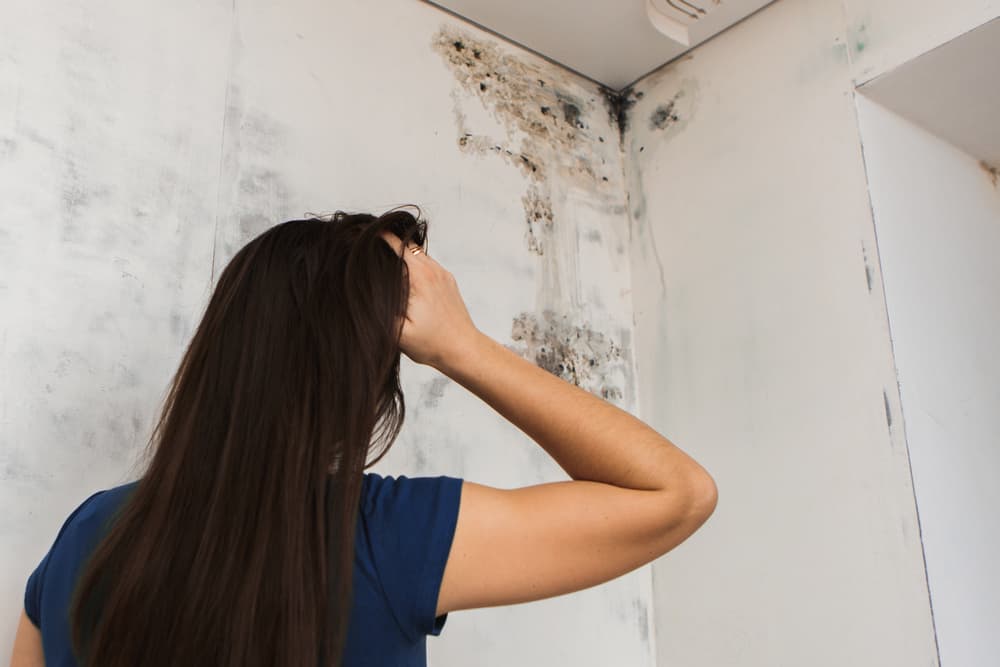
Most mold problems in Middle Island don’t start with something you can see. They start with a smell in the basement after a wet spring, a family member who can’t shake a cough, or a stain behind the bookcase that keeps coming back. By the time it’s visible, it’s usually been growing for months sometimes years.
Middle Island’s housing stock tells the story. A significant portion of homes here were built between the 1960s and 1990s, long before vapor barriers and modern waterproofing were standard. Add the seasonal groundwater rise tied to the Pine Barrens recharge zone actively monitored by the USGS through a 2017–2023 study published in 2025 and basements in this area face a level of hydrostatic moisture pressure that newer construction in other communities simply doesn’t deal with the same way.
Once you have a confirmed inspection with lab-verified results, everything gets clearer. You know what type of mold is present, where the moisture source is, and exactly what needs to happen next. If you’re selling a home in the Longwood school district market or buying one, that documentation protects you at the table. If it’s a health concern, it gives your doctor something concrete to work with. Either way, you stop guessing.
Licensed Mold Inspector in Middle Island, NY
First Response Restoration and Cleaning Inc. has been serving Suffolk County homeowners for over three decades. That’s not a marketing number it’s the kind of tenure that only comes from doing the work right, consistently, in the same local market. We built this company on Long Island and have kept it here, with a dedicated 631 line for Suffolk County and technicians who know the difference between a Brookhaven basement and one on the South Shore.
Every technician on our team holds IICRC certification not just leadership, every person who enters your home. We hold active New York State licenses for both mold assessment and mold remediation, which have been legally required since 2016 and are publicly verifiable through the NY Department of Labor. From homes near Artist Lake to the older ranches and hi-ranches along Middle Country Road in Middle Island, we’ve seen what Long Island’s climate and aging housing stock actually do to a home over time.
Mold Assessment Services in Middle Island, NY
When you call First Response, the first thing that happens is a real conversation not a sales pitch. You’ll describe what you’re noticing, and we’ll help you understand whether an inspection makes sense and what it will cover. From there, scheduling is straightforward, and we’re available around the clock because mold events tied to storms or burst pipes don’t wait for business hours.
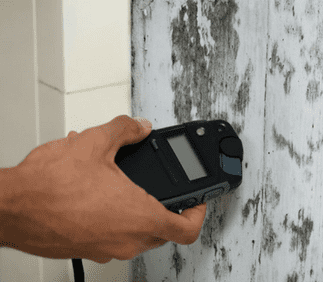
On-site, the inspection follows a documented five-point process. We collect air samples to measure airborne spore levels. We take surface swabs where visible mold is present. We conduct a full water intrusion inspection to find the moisture source because mold without a moisture source is just a symptom, not a solution. Moisture levels are measured throughout the home using calibrated equipment, and everything is photographically documented. Every indoor air sample is also benchmarked against an outdoor control, so the results reflect what’s actually elevated inside your home, not just ambient spore counts.
In Middle Island specifically, attic spaces in ranch and hi-ranch homes get close attention. These structures accumulate heat and condensation in ways that create ideal mold conditions in roof sheathing and insulation especially through Long Island’s humid summers and cold winters. We also use infrared thermal imaging to detect moisture activity inside wall cavities and under flooring without opening anything up. Once samples are collected, they go to an accredited third-party laboratory. The written report you receive includes mold types, spore concentrations, moisture source mapping, and specific remediation recommendations in plain language, not lab jargon.
Ready to get started?
Residential Mold Inspection in Middle Island, NY
A mold inspection from First Response isn’t a visual walkthrough with a clipboard. It’s a full indoor air quality assessment that includes airborne spore sampling, surface swab analysis, infrared thermal imaging, moisture measurement, water intrusion mapping, and accredited lab analysis all delivered in a written report you can actually use.
For Middle Island homeowners, the inspection covers the areas that matter most given the local environment: basements prone to groundwater seepage, attic spaces in ranch-style homes where condensation builds without adequate ventilation, and wall cavities in older construction where moisture has had decades to accumulate. Homes near Artist Lake, Pine Lake, or the Cathedral Pines headwaters area face higher baseline ambient moisture than homes in drier communities and the inspection accounts for that context. If your home was built before 1990, there’s a real possibility that original insulation and drywall have been absorbing moisture for longer than you’ve owned the property.
What sets First Response apart from inspection-only companies is what comes after the report. If remediation is needed, we handle it licensed under New York State law for both assessment and remediation. If structural materials need to come out and be rebuilt, we do that too. You’re not handed a report and left to find three more contractors. One team, one point of contact, through the entire process. For homeowners navigating an insurance claim after storm damage or a water event, we handle the documentation and communicate directly with your insurer which, for a lot of Middle Island families, is the part that feels most overwhelming.
How does Middle Island's location near the Pine Barrens affect mold risk in my home?
Middle Island sits at the edge of Long Island’s Pine Barrens, which functions as the primary recharge zone for the Magothy aquifer the sole freshwater source for Nassau and Suffolk Counties. What that means practically is that the water table in this area is active, seasonally variable, and sensitive to precipitation. After a wet fall or a heavy winter, groundwater levels can rise and exert hydrostatic pressure against basement foundations particularly in homes built before modern waterproofing standards were common.
Most of Middle Island’s housing stock dates from the 1960s through the 1990s. Those homes weren’t built with the drainage systems, vapor barriers, or waterproofing membranes that newer construction uses. When groundwater pushes against an older foundation, moisture finds its way in and mold can establish itself within 24 to 48 hours on wet organic materials like drywall, wood framing, and insulation. A professional mold inspection that includes moisture mapping and infrared imaging is the only way to know whether that process has already started inside your walls.
What's actually included in a professional mold inspection is it just a visual check?
A visual check is where some inspectors stop. That’s not enough. Mold growing inside a wall cavity, under flooring, or within attic insulation is completely invisible to the naked eye and in older Long Island homes, that’s often exactly where it is.
A full mold inspection includes airborne spore sampling, surface swab collection, infrared thermal imaging to detect hidden moisture, calibrated moisture measurements throughout the home, and a water intrusion inspection to identify the source driving the growth. Every air sample is benchmarked against an outdoor control so the results reflect what’s actually elevated inside your home. All samples go to an accredited third-party laboratory not evaluated on-site and the written report you receive includes mold types identified, spore concentrations, moisture source locations, and specific remediation recommendations in plain language. That report is usable for insurance claims, real estate transactions, and medical documentation.
How much does a mold inspection cost in Middle Island, NY and is it worth it?
Mold inspection costs on Long Island typically range from around $300 on the low end to over $1,000 depending on the size of the home and the scope of testing involved. For most Middle Island homes ranches, Cape Cods, and hi-ranches in the 1,500 to 2,500 square foot range you’re generally looking at a mid-range investment for a comprehensive inspection that includes air sampling, surface swabs, moisture mapping, and lab analysis.
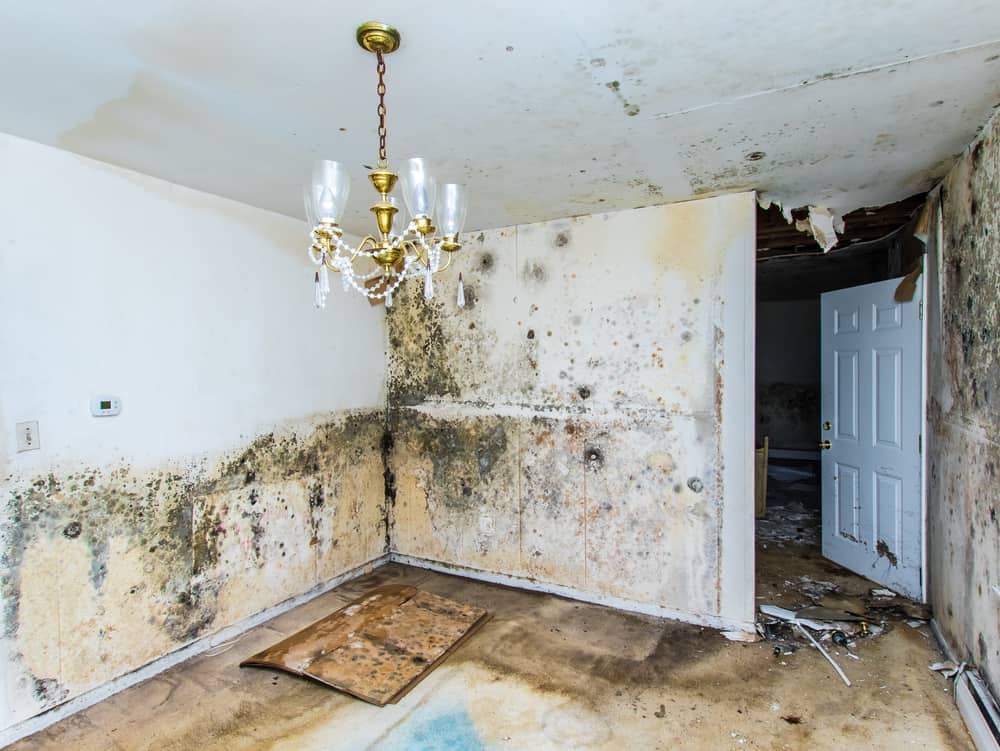
The more useful question is what it costs not to inspect. Mold remediation on Long Island can run anywhere from $1,500 to well over $15,000 depending on how far the problem has spread. And if mold is discovered during a home sale which happens regularly in Middle Island’s active real estate market it can reduce a property’s value by 20 percent or more, or kill the deal entirely. With detached home values in Middle Island averaging over $517,000 in 2024, the math on a professional inspection is straightforward. It’s the cheapest part of the entire problem, and the longer you wait, the more expensive the eventual fix becomes.
Does homeowner's insurance cover mold inspection or remediation in New York?
It depends on the cause. New York homeowner’s insurance policies generally cover mold when it results directly from a covered water damage event a burst pipe, a roof leak from a storm, or a sudden appliance failure. What they typically don’t cover is mold that developed gradually over time from a slow leak, chronic dampness, or deferred maintenance.
For Middle Island homeowners, this distinction matters most after nor’easters and heavy rain events, which are a regular part of central Suffolk County’s seasonal calendar. If your basement flooded during a storm and mold followed, there’s a reasonable chance your claim has merit but the documentation has to be solid. We handle the inspection report, the lab results, and the communication with your insurer directly, which takes a significant burden off your plate during an already stressful situation. If you’re unsure whether your situation qualifies, a mold inspection with proper documentation is the first step toward finding out.
What's the difference between a mold inspection and a standard home inspection in New York?
A standard home inspection covers the general condition of a home’s systems and structure roof, electrical, plumbing, HVAC, foundation. Mold is not the focus, and most home inspectors are not licensed mold assessors. In New York State, mold assessment and mold remediation have required separate state licenses from the Department of Labor since January 1, 2016. A general home inspector cannot legally perform a mold assessment under New York law unless they hold that specific license.
A dedicated mold inspection goes significantly deeper. It uses air sampling, surface swabs, infrared thermal imaging, and moisture measurement tools that a standard home inspection doesn’t include. For buyers purchasing older homes in the Longwood school district area where a significant portion of the housing stock dates from the 1960s through 1980s adding a mold inspection alongside the standard home inspection is one of the most practical things you can do before closing. It’s a separate service, a separate license, and a completely different scope of work.
How do I know if the company I hire is actually licensed for mold inspection in New York?
New York State requires all mold assessors and mold remediators to hold active licenses issued by the NY Department of Labor and those licenses are publicly searchable. Before hiring anyone to inspect your Middle Island home, you can go directly to the DOL’s online licensing portal and verify the company’s credentials by name. This takes about two minutes and tells you immediately whether the person walking into your home is legally authorized to do the work.
What’s worth understanding is that assessment and remediation are separate licenses in New York. A company that holds only a remediation license cannot legally perform a mold assessment and vice versa. We hold both, which matters if your inspection findings require remediation and reconstruction. You’re not being handed off to a second contractor with different credentials and no knowledge of what was found. The same licensed, IICRC-certified team that inspected your home can carry the work through to completion and in Brookhaven Town, where remediation work involving structural repairs may require building permits, that continuity makes a real difference.
Useful Links
Other Services we provide in Middle Island