
Mold Inspection in Munsey Park, NY
Munsey Park's Pre-War Homes Hide More Than History

Hear from Our Customers
Nassau County Mold Detection Services
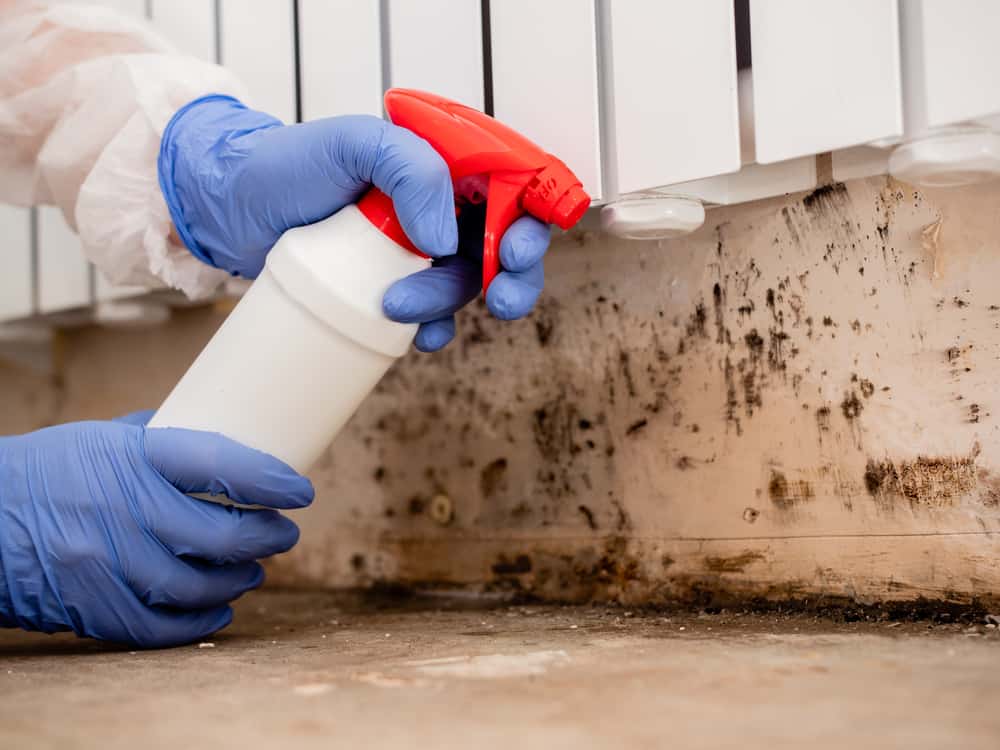
Munsey Park homes are beautiful and old. With a median construction year of 1938, most of the village’s Colonials were built before modern moisture management even existed. Original plumbing corrodes inside walls. Bathroom vents once routed into attic spaces instead of outside. Decades of renovation layers can bury moisture problems that have been feeding mold colonies for years without a single visible sign.
That’s the part most homeowners don’t catch until it’s already a bigger problem. A professional mold inspection in Munsey Park gives you a clear, documented picture of what’s actually happening inside your home not just what you can see, but what’s hiding behind drywall, above ceilings, and inside HVAC systems. With home values in this village regularly exceeding $1,000,000, that documentation isn’t optional it’s how you protect your investment.
The mature tree canopy that makes Munsey Park one of Long Island’s most distinctive communities also keeps shade over your foundation longer after rain. Slower drying soil against older foundation walls is a direct path to basement moisture intrusion. Knowing where the moisture is and what’s already grown because of it is the first step toward fixing it the right way.
Professional Mold Inspector Munsey Park, NY
We’ve been serving Nassau and Suffolk Counties for over three decades. Richard Peterson, our owner, holds active New York State Department of Labor licenses as both a mold assessor and mold remediator and every technician we dispatch to your Munsey Park home carries IICRC certification. Not just the crew lead. Everyone.
That matters in a village like Munsey Park, where the homes along Park Avenue and throughout the North Hempstead corridor were built to a specific architectural standard and have decades of renovation history layered on top of original construction. We’ve worked in these homes long enough to know where the problems tend to hide and how to find them without tearing apart a house that’s been meticulously maintained for generations.
We’re fully licensed, bonded, and insured. We carry a dedicated Nassau County line at 516-698-1776, and we’re available 24 hours a day when something can’t wait.
Home Mold Testing in Munsey Park, NY
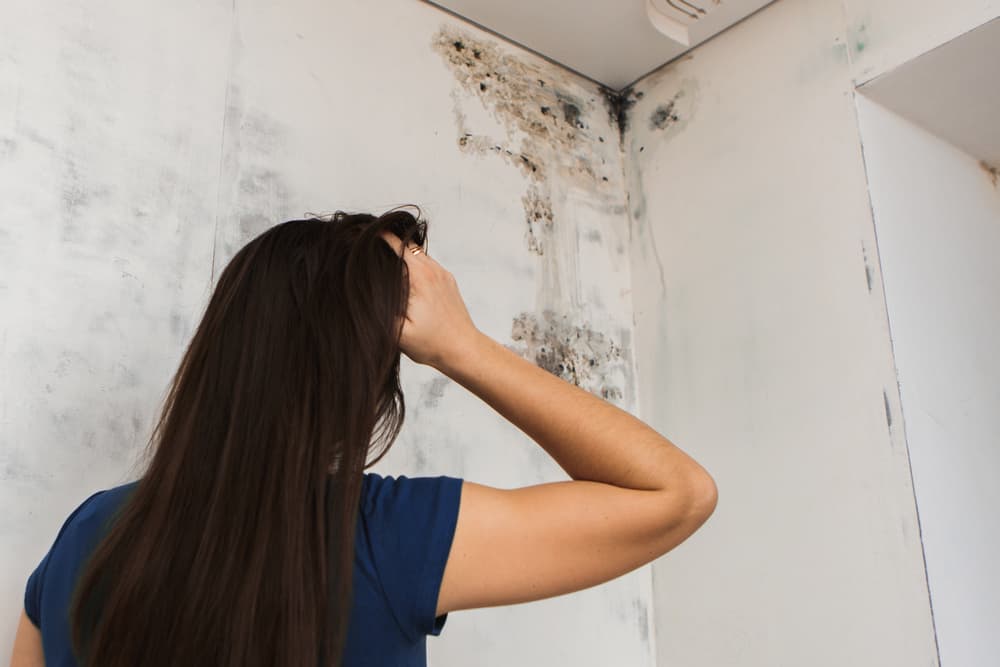
When we arrive at your Munsey Park home, we’re not doing a visual walk-through and calling it done. Our inspection follows a five-point protocol built to find what isn’t visible because in an 85-year-old Colonial, that’s usually where the real story is.
We start with air sampling pulling samples from inside the home and comparing them against outdoor baseline levels. That comparison is the only scientifically sound way to determine whether your indoor air quality is genuinely elevated or within normal range. From there, we take surface swab samples from any areas of concern, measure moisture levels throughout the home using professional-grade meters, and scan walls, ceilings, and structural cavities with infrared technology. Infrared lets us identify temperature differentials that indicate hidden moisture without opening a single wall until we know exactly where to look.
Every sample goes to a certified third-party laboratory. What comes back is a written report with mold species identification, spore concentration levels, and specific recommended next steps. That report is formatted to hold up with insurance companies, real estate attorneys, and Nassau County’s regulatory requirements including the village’s own Building Department at 516-365-7790 if remediation work requires a permit. You get documentation that actually does something, not a verbal summary you can’t use anywhere.
Ready to get started?
Residential Mold Assessment Services Munsey Park, NY
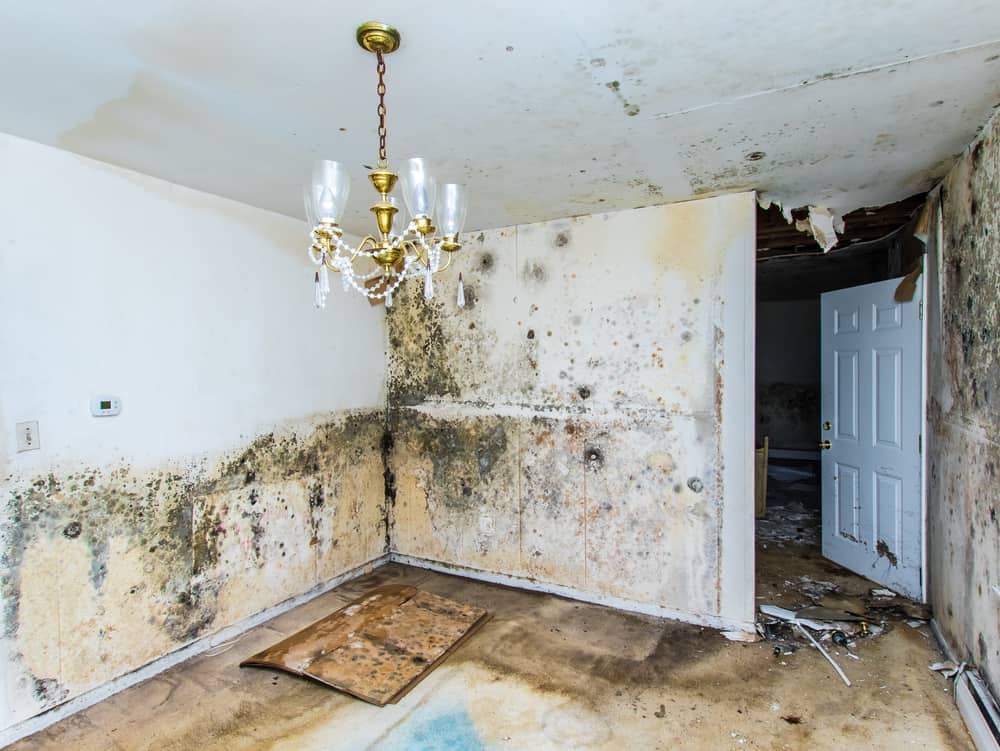
Attic mold is one of the most common findings in Nassau County’s older housing stock and Munsey Park’s Colonial rooflines are particularly prone to it. When bathroom exhaust fans once vented into attic spaces rather than to the exterior, or when roof ventilation wasn’t designed for the thermal dynamics of a steeply pitched 1930s roofline, moisture condenses on roof decking and rafters through Long Island’s winter temperature swings. Our attic mold inspection in Munsey Park covers infrared scanning of the full roof structure, moisture readings at multiple points, and air sampling that gives you a clear before-and-after comparison.
Basement mold inspection in Munsey Park is equally important. Below-grade basements in this area are subject to groundwater pressure from the North Shore water table, and sump pump failures during nor’easters or summer storms can flood a basement in hours. Mold can begin growing in as little as 24 to 48 hours in that environment. We identify not just what’s already there, but the moisture pathways that will bring it back if they aren’t addressed.
For homeowners navigating a real estate transaction, our pre-purchase mold inspection in Munsey Park produces the certified lab documentation that buyers, sellers, and their attorneys need before closing. We also offer black mold testing in Munsey Park, indoor air quality testing for mold in Munsey Park, and commercial mold inspection services all available under the same licensed, IICRC-certified team. We handle the full scope from assessment through remediation and restoration.
How much does a mold inspection in Munsey Park, NY typically cost?
The national average for a professional mold inspection runs around $670, with most residential jobs falling somewhere between $300 and $1,050 depending on the size of the home and the scope of testing involved. In Munsey Park, where the average home is significantly larger than a typical Long Island property and often has multiple areas of concern attic, basement, crawl spaces, and aging HVAC systems the inspection scope tends to be more comprehensive than a smaller, newer home would require.
What you’re paying for isn’t just someone walking through your house. It’s air sampling, surface swab collection, infrared scanning, moisture mapping, and certified laboratory analysis all packaged into a written report that insurance companies, real estate attorneys, and Nassau County regulators will actually accept. For a home worth over a million dollars, that documentation is worth far more than the cost of the inspection itself. The cost of finding nothing is peace of mind. The cost of finding something early is the difference between a manageable remediation and a major structural problem.
Is a mold inspection required before buying or selling a home in Munsey Park?
There’s no state law that mandates a mold inspection as a condition of every real estate transaction in New York but in a market like Munsey Park, it’s become a practical standard rather than an optional add-on. Buyers’ attorneys in Nassau County routinely recommend professional mold assessments for pre-war homes, and for good reason. When you’re purchasing a home that was built in the 1930s in Munsey Park, you’re inheriting 85-plus years of plumbing history, ventilation decisions, and moisture events that no general home inspection is equipped to fully evaluate.
Sellers benefit from a pre-listing inspection too. Knowing what’s there before a buyer’s inspector finds it gives you control over the narrative and the timeline. An undisclosed mold problem discovered during a buyer’s due diligence can kill a deal or dramatically reduce the sale price. A clean inspection report or a documented remediation tells the buyer’s attorney that the home has been properly assessed and addressed. In a village where homes regularly trade above $1,000,000, that documentation carries real weight.
What areas of a Munsey Park home are most likely to have hidden mold?
In Munsey Park specifically, the three highest-risk areas are the attic, the basement, and inside walls adjacent to original plumbing. The village’s Colonial-style homes were built with roofline and ventilation designs that predate modern moisture management standards. Attic spaces in these homes frequently show signs of condensation-driven mold on roof decking and rafters particularly after Long Island winters, when the temperature differential between a heated interior and a cold, under-ventilated attic causes moisture to accumulate on wood surfaces.
Basements in the Greater Manhasset area sit in a groundwater environment that puts constant pressure on older foundation walls. Sump pump dependence is common, and any failure during a storm event can introduce significant moisture in a short window. Mold in a basement often hides behind stored items, inside wall cavities, or beneath flooring none of which a visual inspection alone will catch. Original cast iron and galvanized plumbing inside walls can corrode slowly for years, creating a steady moisture source that feeds mold without any visible leak reaching a living space. Infrared scanning and moisture meters are the tools that find these problems before they become expensive.
How do I know if I need mold testing or just a visual inspection?
A visual inspection alone tells you what’s visible. In an 85-year-old Munsey Park home, that’s a fraction of the actual picture. If you’re dealing with a musty odor you can’t locate, a stain that keeps coming back after you clean it, a family member with unexplained respiratory symptoms, or a recent water event even a minor one you need air sampling and surface testing, not just someone looking at your walls.
The air sampling comparison is particularly important. It measures the mold spore concentration inside your home against the outdoor baseline. If indoor levels are significantly elevated, that tells you there’s an active mold source somewhere in the building even if nothing is visible. Surface swab samples then help identify the species and concentration at specific locations. Together, these tests give you the kind of documented, lab-backed evidence that moves a situation from “I think there might be something” to “here’s exactly what it is, where it is, and what needs to happen next.” For Munsey Park homeowners dealing with the moisture profile of a North Shore pre-war home, that level of specificity matters.
Can mold come back after it's been remediated in an older Munsey Park home?
Yes and it’s one of the most important things to understand before you start any remediation project. Mold is a symptom. The moisture source is the problem. If the underlying cause isn’t identified and corrected, mold will return regardless of how thoroughly the visible growth was removed. In Munsey Park’s pre-war homes, that root cause is often structural aging plumbing that continues to seep, inadequate attic ventilation that keeps producing condensation, or foundation drainage that hasn’t been updated to handle modern groundwater pressure.
Our mold inspection in Munsey Park doesn’t just document what’s growing it identifies where the moisture is coming from and why. That’s the information a remediation plan needs to be built on. Removing mold without addressing the source is like repainting over water damage without fixing the leak. The inspection report we produce includes specific findings on moisture intrusion pathways, not just mold locations so whoever does the remediation work has a complete picture of what needs to change, not just what needs to be cleaned.
Does mold remediation in Munsey Park require a permit from the village?
It depends on the scope of the work. The Village of Munsey Park operates its own Building Department and enforces the New York State Uniform Fire Prevention and Building Code with village-specific requirements. If remediation involves opening walls, replacing structural elements, or modifying building systems which is common in older homes where mold has been growing inside wall cavities or behind original plaster a building permit is typically required before work begins. The village’s Building Department can be reached at 516-365-7790 to confirm what your specific project requires.
Beyond the village permit, New York State requires all mold assessors and remediators to hold active licenses issued by the NYS Department of Labor under Article 32 of the NY Labor Law. This has been a legal requirement since January 1, 2016, and fines for unlicensed mold work can reach $10,000 per violation. Nassau County also has its own Environmental Health compliance layer for remediation projects. We hold all required state licenses and are fully equipped to produce the documentation these regulatory requirements demand so you’re not navigating that process alone after the inspection is complete.
Useful Links
Other Services we provide in Munsey Park