
Mold Inspection in New Cassel, NY
Old Homes, Hidden Mold, Real Answers for New Cassel Residents
Hear from Our Customers
Residential Mold Detection in New Cassel
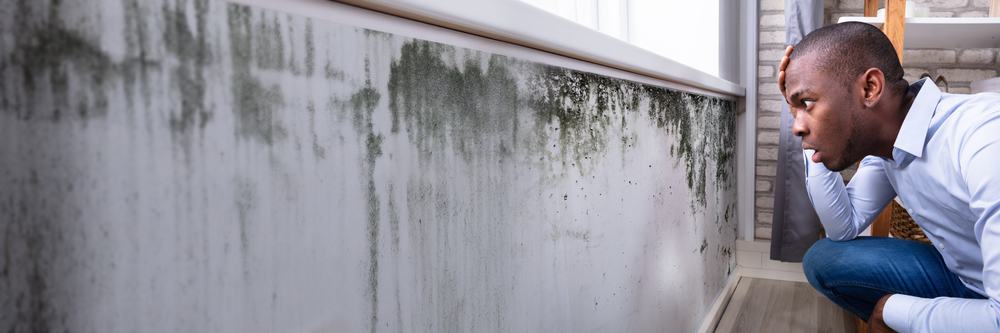
Most mold problems in New Cassel don’t start with a visible patch on the wall. They start with a musty smell in the basement after a wet spring, a family member whose allergies won’t quit, or a water stain that showed up after a nor’easter and never fully dried. By the time you can see it, it’s usually been growing for a while.
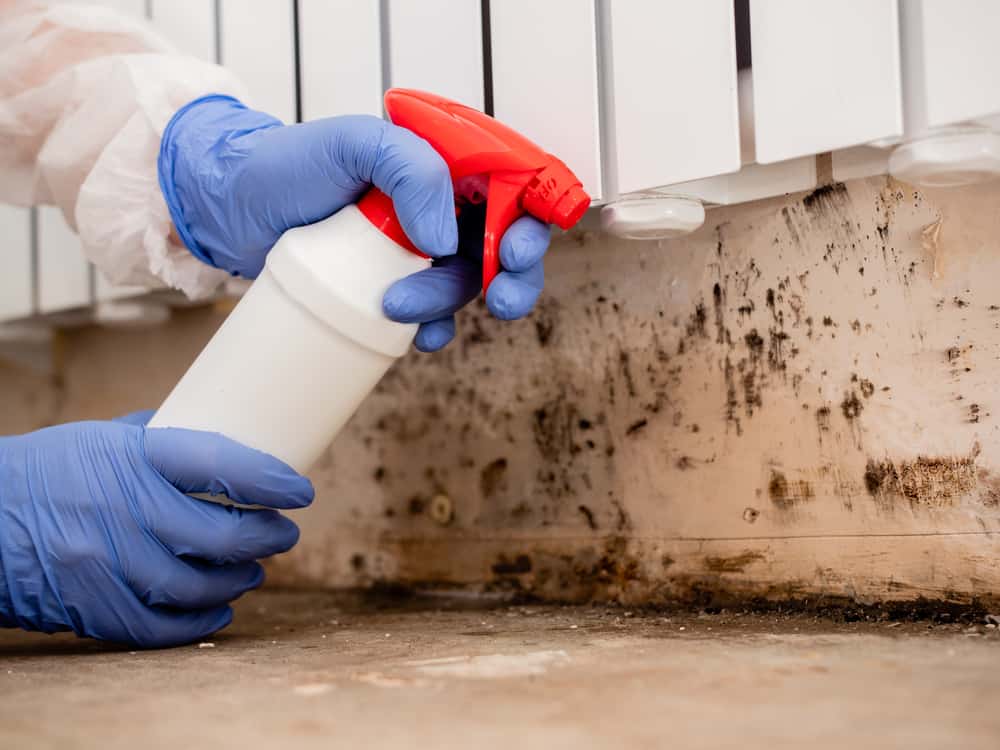
New Cassel’s housing stock Cape Cods, ranch-styles, split-levels, most of them built between 1940 and 1969 was constructed long before modern moisture management standards existed. Original crawl spaces, aging plumbing, and limited ventilation create the exact conditions mold needs to take hold and spread inside wall cavities and attic insulation where a standard visual check won’t find it.
A professional mold inspection in New Cassel, NY gives you a clear picture of what’s actually there. You’ll know the species, the concentration levels, and where the moisture source is not a rough estimate, but certified lab analysis you can hand to an insurance adjuster, a real estate attorney, or a doctor. That’s the difference between knowing and guessing.
Mold Inspection Company Serving New Cassel, NY
We’ve been working in Nassau and Suffolk Counties since the early 1990s. That means our team has inspected and remediated the same Cape Cods, raised ranches, and split-levels on New Cassel streets and in surrounding communities like Westbury, Uniondale, and Hicksville for three decades. We know what these homes look like when they’re in trouble.
Richard Peterson, our owner, holds a New York State license under Article 32 for both mold assessment and mold remediation. Every technician on our team carries IICRC certification not just the person who answers the phone, but the person who actually shows up at your door. That matters more than most people realize when they’re comparing companies.
We’re licensed, bonded, and fully insured. There’s a dedicated Nassau County line 516-698-1776 and 24/7 availability for situations that can’t wait until Monday morning. One company handles the inspection, the remediation, and the full restoration. No hand-offs, no confusion, no managing three separate contractors.
How Mold Testing Works in New Cassel, NY
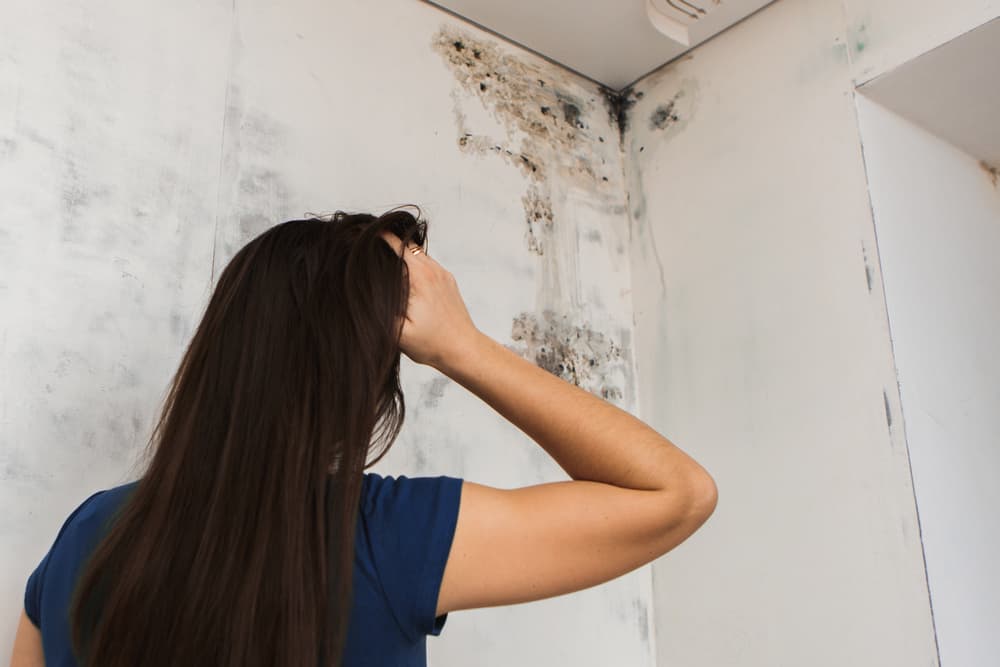
The inspection starts with a full walkthrough of your property. We’re looking for visible mold, water staining, moisture damage, and any areas of concern but that’s just the starting point. In older New Cassel homes, the real problem is often what you can’t see. That’s why we use infrared thermal imaging in every inspection: it detects temperature differentials behind walls and inside ceilings that indicate hidden moisture and mold growth without opening a single surface unnecessarily.
From there, we collect air samples and surface swab samples and send them to a certified third-party laboratory. Indoor air particle counts are compared against an external baseline to establish whether what’s inside your home is elevated beyond what’s normal. This step matters especially in New Cassel, where the community sits near the Northern State Parkway corridor and has documented outdoor air quality concerns establishing a clean indoor-versus-outdoor comparison gives you an accurate read on what’s genuinely coming from inside the structure.
When the lab results come back, you receive a full written report: mold species identified, spore concentration levels, moisture readings, photographs of all sources, and a specific remediation recommendation. Because we handle remediation and full restoration as well, that report isn’t the end of the process it’s the foundation for what comes next if action is needed. Any remediation work involving structural changes in New Cassel goes through the Town of North Hempstead’s building department, and we’re familiar with navigating that process.
Ready to get started?
Indoor Air Quality Testing for Mold in New Cassel
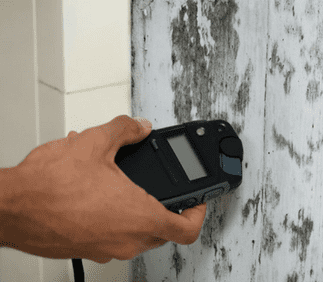
Our mold inspection in New Cassel, NY includes five core components: air testing, surface swab sampling, moisture level measurement with calibrated meters, infrared thermal imaging for hidden mold detection, and a full written report backed by certified lab analysis. That report includes mold species identification, spore concentration levels, and specific remediation recommendations the kind of documentation that holds up with insurance companies, real estate attorneys, and health professionals.
We include basement mold inspection and attic mold inspection in every walkthrough. In New Cassel’s midcentury housing stock, those are the two highest-risk areas basements with original concrete floors and limited vapor barriers, and attics with older insulation that holds moisture after a roof leak or ice dam. Both get the same attention as the main living areas, not a quick glance on the way out.
For New Cassel homeowners navigating a pre-purchase inspection, a post-flood situation, or a landlord-tenant concern, the written report is what gives you standing. New York State’s Article 32 law requires that anyone performing paid mold assessment or remediation in New York hold a valid state license we meet that requirement fully. If you’re comparing companies, that license is the first thing worth asking about. Unlicensed work carries fines of up to $10,000 in New York and has no legal standing.
How much does a mold inspection cost in New Cassel, NY?
For most homes in New Cassel the three-bedroom Cape Cods, ranch-styles, and split-levels that make up the majority of the housing stock here a professional mold inspection typically runs in the $300 to $500 range. Larger homes or properties requiring more extensive sampling may run higher, with the national average sitting around $670.
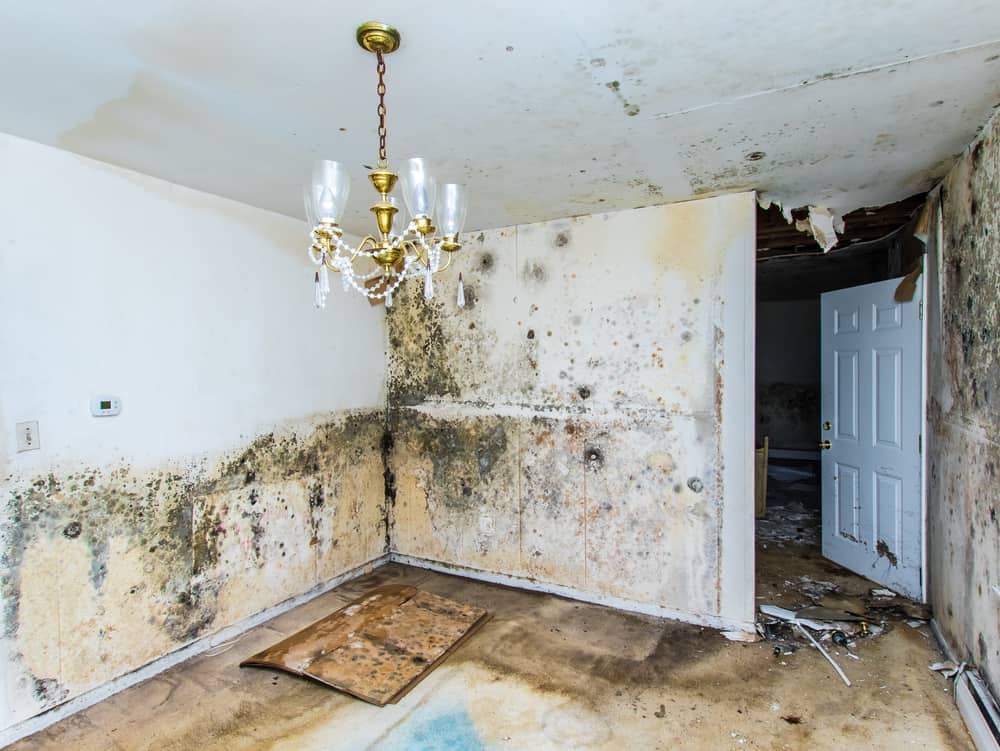
What’s worth understanding is what that cost actually covers. A proper inspection includes air sampling, surface swabs, infrared scanning, moisture measurements, and a certified lab report not a visual walkthrough and a verbal opinion. The lab report is what gives you documentation for insurance claims, real estate negotiations, or landlord-tenant disputes. Without it, you have nothing to show anyone. When you weigh that against average mold remediation costs that range from $1,150 to well over $10,000 depending on severity, the inspection cost is a straightforward investment in knowing what you’re actually dealing with before the problem gets worse.
What's the difference between mold inspection and mold testing are they the same thing?
They’re related but not identical. A mold inspection is the physical assessment a trained technician walks through your property, identifies visible mold, checks moisture levels, uses infrared imaging to find hidden growth, and evaluates the conditions that are allowing mold to grow. Mold testing refers specifically to the collection and laboratory analysis of air or surface samples to identify what species are present and at what concentration levels.
A complete mold assessment includes both. The inspection tells you where the problem is and what conditions are driving it. The lab testing tells you what you’re dealing with and how serious it is. We offer both in a single visit, so you’re not paying for two separate appointments or waiting on results from a company that doesn’t handle the follow-through. For New Cassel homeowners dealing with a pre-closing timeline or an urgent post-flood situation, having both in one process matters.
Can mold grow in a New Cassel home even if there's been no flooding or visible water damage?
Yes and it happens more often than people expect, especially in older homes. Mold needs moisture, but that moisture doesn’t have to come from a dramatic flood event. In New Cassel’s midcentury housing stock, the more common sources are slow plumbing leaks inside wall cavities, condensation from aging HVAC systems, bathroom and kitchen exhaust that vents improperly, and the natural humidity that builds up in unfinished basements with original concrete floors and no vapor barrier.
Long Island’s climate doesn’t help. When outdoor humidity climbs in summer and it does, consistently, given the area’s position between the Sound and the Atlantic older homes without modern mechanical ventilation trap that moisture indoors. Indoor humidity above 60% is all mold needs to begin growing, and it can establish itself within 24 to 48 hours of those conditions being met. A musty smell, unexplained allergy symptoms, or discoloration on a ceiling or wall are all worth taking seriously they’re often the first sign of a moisture problem that’s been building for months.
Does the Superfund site near New Cassel affect indoor air quality in my home?
The New Cassel/Hicksville Groundwater Contamination Superfund site involves VOC contamination compounds like tetrachloroethylene and trichloroethylene which are chemically distinct from biological mold growth. So the Superfund contamination itself doesn’t directly cause mold inside your home. That said, the two concerns aren’t completely unrelated in terms of how you think about indoor environmental quality.
The EPA issued its final cleanup plan for the site in 2024, and the contamination area covers 6.5 square miles across North Hempstead, Hempstead, and Oyster Bay. A 2025 air quality monitoring study also documented elevated pollution levels along the highway corridors running through New Cassel the Northern State Parkway and Wantagh State Parkway both pass through the hamlet. When you’re already dealing with elevated outdoor environmental concerns, getting a clear indoor air quality baseline through professional mold testing makes even more sense. You want to know what’s coming from inside your structure versus what’s part of the broader outdoor environment, and the indoor-versus-outdoor air particle comparison in a certified mold inspection gives you exactly that.
Should I get a mold inspection before buying a house in New Cassel, NY?
If you’re buying an older home in New Cassel and most of the available inventory here falls into that category a pre-purchase mold inspection is worth doing, especially if your general home inspector flagged any moisture concerns, water staining, or musty odors. General home inspectors are not mold specialists. They can note the presence of a potential concern, but they can’t identify the species, quantify the concentration, or tell you how far the growth has spread behind the surfaces they can see.
New Cassel is one of the more accessible entry-level homeownership markets in Nassau County, which means a lot of buyers here are stretching to make a purchase work. The last thing you want is to close on a home and discover a significant mold remediation cost which can run $3,000 to $20,000 or more depending on the extent that wasn’t factored into your budget. A pre-purchase mold inspection gives you either the confidence to move forward or the documentation to negotiate. In a market where every dollar counts, that’s information worth having before you sign.
Is it a conflict of interest to hire the same company for mold inspection and mold remediation in New Cassel?
It’s a fair question, and one worth asking any company you’re considering. The concern makes sense on the surface: if the company doing your inspection also does the remediation, do they have an incentive to find mold everywhere? The honest answer is that a company with a real reputation one built over 31 years of serving Nassau and Suffolk County homeowners has far more to lose from an inflated or dishonest inspection than they have to gain from one extra remediation job.
Our inspection findings are backed by certified third-party laboratory results. The lab doesn’t work for us it reports what the samples show. That’s the check. If the samples come back clean, the report says clean. There’s no subjective judgment call that gets made in a back office. Beyond that, because we handle both inspection and remediation, the remediation work is directly judged against what the inspection found. Accuracy isn’t just ethical it’s how the whole process holds together. For New Cassel homeowners who want a single point of accountability from the first sample to the final clearance test, that’s exactly what this structure provides.
Useful Links
Other Services we provide in New Cassel