
Mold Inspection in New Hyde Park, NY
When Your 1950s Cape Has Secrets Behind the Walls
Hear from Our Customers
Mold Testing Services in Nassau County
New Hyde Park’s housing stock tells a story most homeowners don’t see coming. The capes, colonials, and split-levels built in the 1940s and 1950s were constructed fast for returning veterans who needed homes, not for engineers thinking about vapor barriers and attic ventilation. Seventy years later, those same structures are holding moisture in places that never see daylight: knee wall cavities, unfinished crawl spaces, original basement block walls. Our mold inspection gives you a clear, documented picture of what’s actually there.
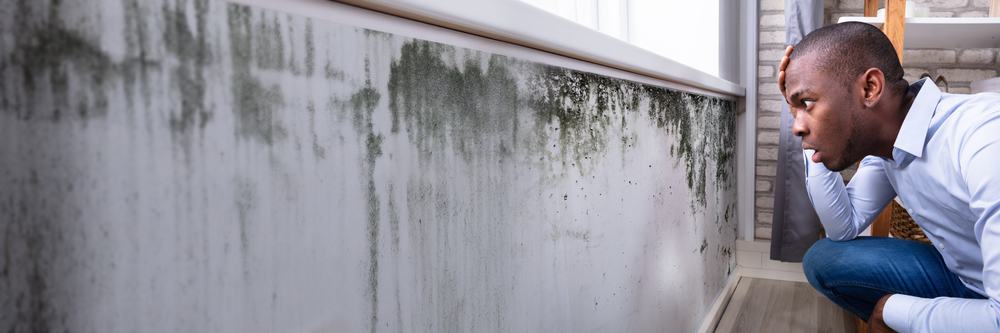
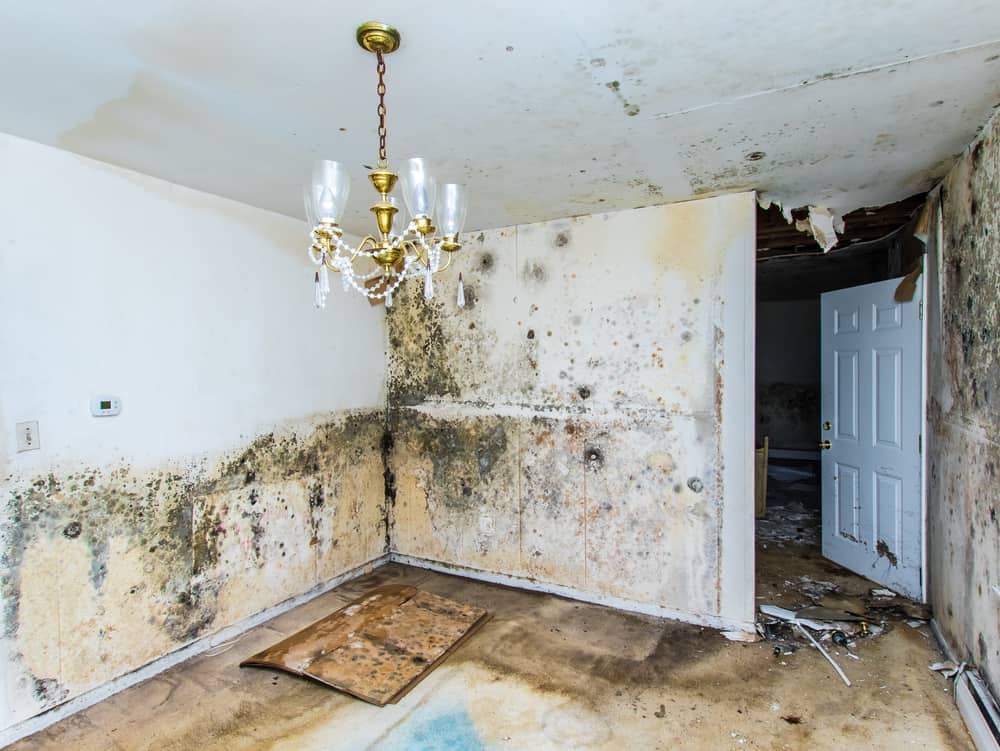
If you’ve had any water in your basement even once the clock started. Nassau County’s clay-heavy soil doesn’t drain the way sandy soil does, and hydrostatic pressure against aging foundation walls is one of the most common moisture drivers we see in New Hyde Park and throughout the area. That musty smell in the corner isn’t always just “old house.” Sometimes it’s an active colony that’s been growing since the last heavy rain came through.
Beyond the health concerns, there’s a practical side. New Hyde Park’s median home value is pushing close to $920,000 in parts of the area. Whether you’re buying, selling, or just protecting what you’ve built here, a professional mold assessment gives you documentation that holds up with insurance adjusters, real estate attorneys, and Nassau County building inspectors alike.
Licensed Mold Assessors Serving New Hyde Park
We’ve been serving Nassau and Suffolk counties for over three decades. That means we were working in communities like New Hyde Park inspecting the same post-war housing stock, the same aging basements, the same homes throughout the area long before most of the current generation of homeowners signed their first mortgage.
Our owner, Richard Peterson, holds a New York State Department of Labor license for both mold assessment and remediation under Article 32 of the NY Labor Law. Every technician on our team carries IICRC certification under the S520 standard not just the owner, every technician. That distinction matters when someone shows up at your door.
Our Nassau County dedicated line is 516-698-1776. Not a call center. Not a franchise routing system. A direct line to a company that knows New Hyde Park, knows these homes, and has the licensing and lab-backed process to back up everything we tell you.
How Mold Inspection Works in New Hyde Park
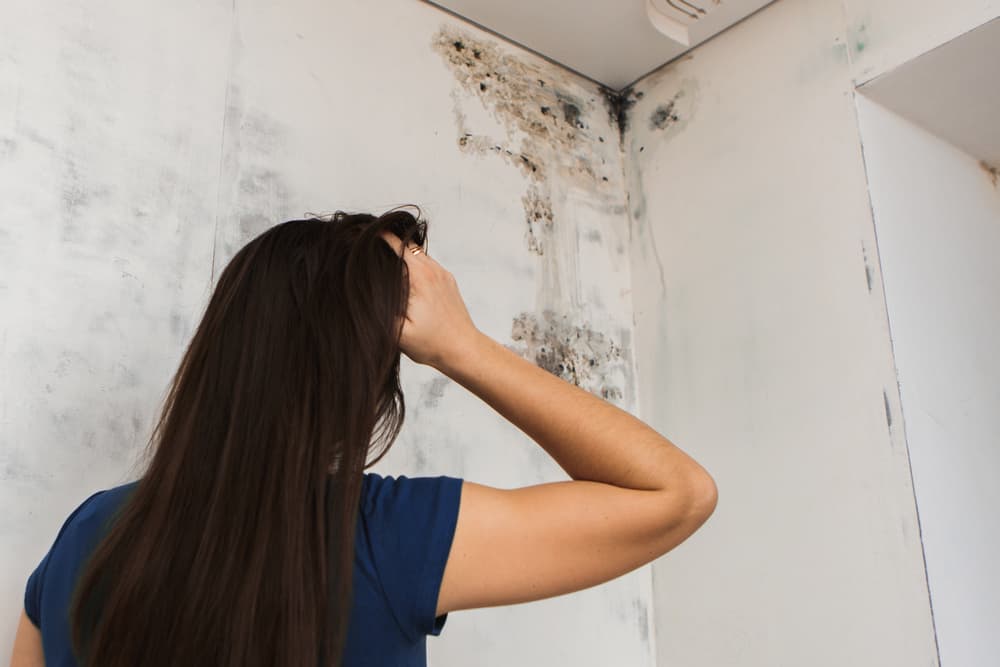
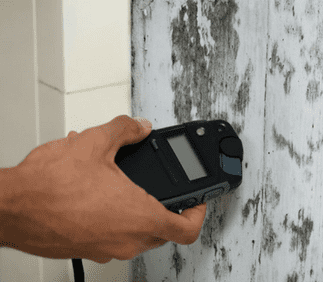
Our inspection starts with a full walkthrough but not the kind where someone glances at your basement and calls it done. We use infrared thermal imaging to detect temperature differentials that point to hidden moisture inside wall cavities, under flooring, and behind finished surfaces. In a New Hyde Park cape cod with a finished attic room or a converted garage addition, that technology isn’t optional it’s the only reliable way to find what’s hiding.
From there, we collect air samples and surface swabs and send them to a certified third-party laboratory. You get real numbers: spore species, concentration levels, and a comparison between your indoor air and the outdoor baseline. That comparison matters because it tells you whether what’s inside your home is actually elevated not just whether mold spores exist, which they always do at some level.
Once results come back, you receive a written report with the lab findings, photographic documentation of every identified source, moisture readings, and specific recommended next steps. If remediation is needed, that report is what initiates the permit process with the Village of New Hyde Park’s building department. If it’s not needed, you’ll know that too clearly, in writing, with the data to support it.
Ready to get started?
Residential Mold Inspection Services in New Hyde Park
Our mold inspection in New Hyde Park covers air testing, surface swab sampling, water intrusion identification, moisture level measurement throughout the affected areas, infrared scanning for hidden colonies, and full photographic documentation of every mold source found. The written report includes certified lab results, internal versus external air quality comparison, and a clear remediation recommendation or a clear confirmation that one isn’t needed.
That last part is worth saying directly: if your home doesn’t have a problem that warrants remediation, our report will say so. We’ve built 31 years of business in Nassau County on honest assessments. An inflated inspection report that sells unnecessary work doesn’t survive long in a community as tightly networked as New Hyde Park and it doesn’t hold up when an insurance adjuster or real estate attorney reviews it either.
New York State’s Article 32 licensing law requires that all mold assessors and remediation contractors hold a valid NYS DOL license. Fines for unlicensed mold work can reach $10,000 per violation. We are fully licensed, bonded, and insured. If you’re in the middle of a real estate transaction, dealing with a post-storm basement flood, or just following up on a concern a family member’s doctor raised this is the inspection that gives you something you can actually act on.
How much does a mold inspection in New Hyde Park, NY typically cost?
The national average for a professional mold inspection runs around $670, with most residential jobs falling somewhere between $300 and $1,050 depending on the size of the home, the number of samples collected, and whether infrared scanning is part of the process. In New Hyde Park specifically, older homes with finished attic spaces, converted additions, or partially finished basements often require more sampling points than a straightforward newer construction which can affect the final cost.
What’s worth keeping in mind is what you’re actually buying. A certified inspection with lab-backed results and a written report is a document you can use for an insurance claim, a real estate disclosure, a Nassau County building permit, or a conversation with your family’s doctor. A cheap walk-through with a verbal opinion is none of those things. For a home in a market where values are approaching $900,000 in parts of the area, the cost of a thorough inspection is a small number relative to what’s at stake.
What's the difference between a mold inspection and a mold test?
A mold test typically refers to collecting air or surface samples and sending them to a lab you get data on what species are present and at what concentration. A mold inspection is the broader process: a physical walkthrough of the property, moisture measurements, infrared scanning, water intrusion assessment, and sample collection, all combined into a comprehensive report that tells you not just what’s there but where it’s coming from and why.
For homeowners in New Hyde Park dealing with post-war construction homes where moisture has had decades to work its way through original block foundations, clay drain tiles, and unvented crawl spaces testing alone often misses the source. You can confirm mold is present without knowing where it’s hiding or what’s feeding it. The inspection is what connects the dots and gives you something actionable, not just a positive result on a lab report.
Is mold common in older New Hyde Park homes, and what causes it?
Yes, and the reasons are straightforward. The median construction year for homes in New Hyde Park is 1951, which means most of the village’s housing stock was built before modern moisture management standards existed. Original basement block walls, minimal vapor barriers, unvented crawl spaces, and attic insulation that’s been compressed or disturbed over decades these are the conditions that allow moisture to accumulate and mold to establish itself.
Nassau County’s clay-heavy soil compounds the problem. Unlike sandy soil, clay retains water and creates hydrostatic pressure against aging foundation walls. After a heavy rain or a significant snowmelt which happens regularly in the Long Island spring that pressure pushes moisture through foundation cracks and floor joints. Add Long Island’s humid summers, where indoor relative humidity can stay above 60% for weeks at a time, and you have conditions that are genuinely favorable for mold growth in a way that many homeowners don’t fully account for until they’re dealing with a visible problem.
Do I need a licensed mold inspector in New York, or can anyone do it?
Under New York State’s Article 32 of the Labor Law, anyone performing mold assessment or remediation for compensation must hold a valid license issued by the NYS Department of Labor. This has been the law since January 1, 2016, and fines for unlicensed mold work can reach $10,000 per violation. An inspection performed by an unlicensed individual isn’t just legally questionable it’s a document that carries no weight with an insurance company, a real estate attorney, or a Nassau County building inspector.
It’s also worth knowing that under Article 32, mold assessors and mold remediation contractors must be separately licensed the same person cannot assess and remediate the same project. A company that holds both licenses, like ours, must use different personnel for each function. This separation is built into the law specifically to protect homeowners from conflicts of interest, and it’s a question worth asking any company you’re considering before you book.
What happens if mold is found during a pre-purchase inspection in New Hyde Park?
Finding mold during a pre-purchase inspection doesn’t automatically kill a deal but it does change the conversation. In most cases, the buyer uses the inspection report to negotiate: either the seller remediates before closing, the sale price is adjusted to account for remediation costs, or the buyer walks away if the scope is significant enough. The key is having a certified, lab-backed report that both parties’ attorneys can review and that a remediation contractor can price against accurately.
New Hyde Park’s real estate market is active and competitive, particularly in spring when the school district’s reputation drives significant buyer interest. Closings have hard deadlines, and a vague or informal mold assessment won’t satisfy a lender’s underwriting requirements or a real estate attorney’s disclosure review. A written report from a licensed NYS DOL mold assessor with actual lab results is the only document that holds up in that context which is why getting the inspection right the first time matters more than getting it done fast.
Can mold grow in a New Hyde Park attic, and how would I know?
Attic mold is one of the most commonly missed problems in New Hyde Park’s cape cod housing stock, and it’s almost never visible from inside the living space. Cape cods with finished or semi-finished attic rooms are particularly vulnerable because the knee wall cavities the enclosed triangular spaces behind the finished wall on each side trap moisture and rarely get inspected. Ice dams on older roofs are another major driver: when ice builds up at the eave line in winter and water backs up under the shingles, it finds its way into the attic insulation and framing, and mold can establish itself before the homeowner ever notices a stain on the ceiling below.
The signs that something’s wrong are often subtle a faint musty smell that’s stronger in one room, a child’s bedroom that always feels slightly damp, or an unexplained spike in allergy symptoms during winter months when the house is closed up. Infrared thermal imaging during a mold inspection is the most reliable way to identify moisture accumulation in attic spaces and wall cavities without tearing anything open. If it’s there, you’ll know exactly where and you’ll have the documentation to address it properly.
Useful Links
Other Services we provide in New Hyde Park