
Mold Inspection in North Great River, NY
When the Bay Brings Moisture, Your Walls Pay for It
Hear from Our Customers

Mold Assessment Services in North Great River
Most mold in North Great River homes isn’t visible. It’s growing inside wall cavities, under original hardwood floors, and along the attic rafters of homes that were built in the 1950s and 60s long before moisture barriers and mold-resistant materials were standard. By the time you smell something, it’s usually been there for a while.
Living this close to the Connetquot River and the Great South Bay means your home sits in a persistently humid environment. That constant moisture in the air finds its way in through attic vents, crawl space gaps, and aging foundation seams the same construction details that were common in the Hi-Ranches and ranch-style homes that make up most of North Great River. A thorough mold inspection tells you exactly where moisture is collecting and whether mold has already taken hold.
With median home prices in North Great River hitting $700,000, the stakes are real. A mold problem that surfaces during a buyer’s inspection can kill a deal or knock tens of thousands off your asking price. Catching it first and handling it on your terms puts you in control of the outcome, not the other way around.
Licensed Mold Inspector in North Great River, NY
First Response Restoration and Cleaning Inc. has been working in South Shore Suffolk County communities for over 31 years. We’ve been inside the basements, attics, and crawl spaces of homes just like yours in North Great River, long enough to know exactly where mold hides and why it keeps coming back.
We’re based in West Babylon, which puts us squarely in the same South Shore corridor as North Great River. We already serve the North Great River area directly so when you call, you’re not getting someone who needs to look up your neighborhood on a map. We know the Connetquot River’s influence on local groundwater. We know what the Great South Bay humidity does to older homes over time. And we know what a proper inspection in this environment actually requires.
Every inspector on our team carries IICRC certification. We hold both the New York State Mold Assessor License and the Mold Remediator License both required by state law since 2016, and both verifiable through the NY Department of Labor.
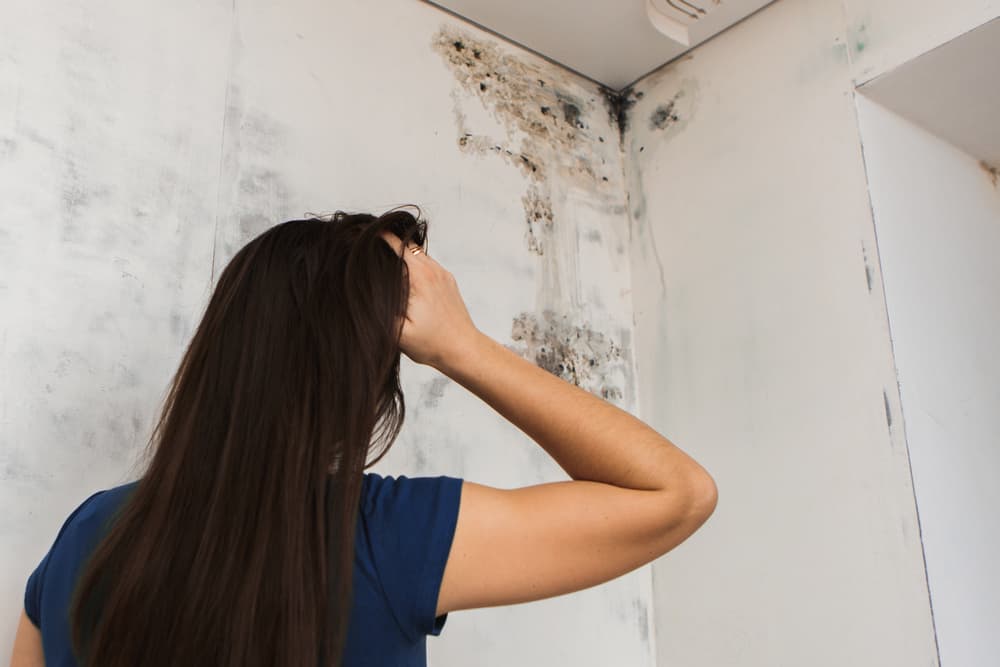
Indoor Air Quality Testing for Mold Near You
When you schedule a mold inspection in North Great River, here’s what actually happens. We start with a full walkthrough of your home not a quick glance, but a structured assessment that covers the areas most likely to harbor hidden mold: basements, attics, crawl spaces, bathrooms, and anywhere water has ever intruded. In homes along the South Shore, we pay close attention to foundation slabs and crawl spaces in ranch-style homes, where the shallow water table can push moisture up from below without any visible flooding event.
From there, we collect air samples and surface swab samples depending on what we find during the visual and moisture inspection. We also use infrared thermal imaging to detect moisture activity inside walls and ceilings areas that look completely fine on the surface but may be actively wet behind the drywall. This matters especially in older North Great River homes where a single nor’easter or sump pump failure can leave water trapped inside wall assemblies for weeks without anyone knowing.
All samples go to a certified, accredited laboratory not an in-house test, not a quick-read kit. You receive a written report with your lab results, a clear explanation of what was found, where the moisture source is, and what the recommended next steps are. If remediation is needed, we can handle that too. If your home comes back clean, you’ll have documentation you can use for a real estate transaction, an insurance file, or simply your own peace of mind.
Ready to get started?
Residential Mold Inspection Services, North Great River NY
A proper mold inspection in North Great River isn’t just a visual check. Our process includes air testing, surface swab sampling, moisture level measurement, water intrusion assessment, and full photographic documentation all compiled into a written report with accredited lab results attached. Every step is designed to give you a complete, defensible picture of what’s happening inside your home.
For homes in the North Great River area including the surrounding Great River and Islip Terrace neighborhoods the most common problem areas we find are attics in aging Hi-Ranch homes where roof ventilation has degraded over decades, basements in ranch-style homes sitting over the shallow South Shore water table, and crawl spaces that haven’t been properly sealed or ventilated. If your property has any accessory structures a detached garage, a barn, or an outbuilding those get assessed too, because mold in adjacent structures can absolutely affect the air quality inside your main residence.
If the inspection finds mold, we’re equipped to remediate it. If remediation requires replacing drywall, insulation, or structural materials, we handle the rebuild as well. We also manage the documentation process with your insurance company, which matters when the cause is storm-related water intrusion a common scenario on the South Shore. One call covers the entire process, from the first air sample to the final clearance test.
Does living near the Connetquot River actually increase my home's mold risk?
It does, and it’s not just about flooding. The Connetquot River one of Long Island’s four largest rivers runs along the eastern boundary of North Great River, and the USGS actively monitors water levels there. What that means for homeowners is a persistently elevated water table, especially during wet seasons and after storm events. That groundwater doesn’t have to flood your basement to cause a problem. It can push moisture vapor up through a concrete slab, saturate the soil beneath a crawl space, and create the damp conditions mold needs to establish itself all without a single visible puddle.
Add the ambient humidity off Nicoll’s Bay and the Great South Bay, and you have an environment that keeps building materials damp for longer than in inland communities. Older homes in North Great River particularly those with original basement slabs and unventilated crawl spaces are especially vulnerable. A professional mold inspection that includes moisture measurement and infrared thermal imaging will tell you whether that environmental pressure has translated into actual mold growth inside your home.
How much does a mold inspection typically cost in North Great River, NY?
Professionally performed mold inspections in Suffolk County typically run between $300 and $1,000 depending on the size of the home, the scope of the inspection, and whether lab testing is included. In North Great River, where median home prices are sitting around $700,000, the cost of a proper inspection is a small fraction of what a mold discovery during a buyer’s due diligence period could cost you. Deals fall apart over mold findings. Values drop. Some buyers walk away entirely, even when the issue has already been remediated. Getting ahead of it with a professional inspection, on your schedule and your terms, is almost always the more cost-effective move. When you call, we’ll give you a clear number based on your specific home no vague estimates, no surprise add-ons after the fact.
What are the most common signs of mold in older North Great River homes?
The most obvious sign is a persistent musty smell the kind that doesn’t go away when you open windows or run the HVAC. But in a lot of the older Hi-Ranch and ranch-style homes in North Great River, mold doesn’t announce itself that clearly. It grows inside wall cavities, under original flooring, and along attic rafters where no one looks until there’s a reason to.
Other things to watch for: dark staining or discoloration on basement walls or ceiling tiles, peeling paint or bubbling drywall near exterior walls, recurring condensation on windows in winter, and any area that stays damp after a rain event. Homes built in the 1950s and 60s which make up a significant portion of North Great River’s housing stock were constructed without the vapor barriers and moisture management systems that modern building codes require. That means hidden moisture accumulation is common, and visible mold is often just the surface indicator of a larger problem inside the structure.
Can I just buy a mold test kit from the hardware store instead?
You can, but those kits have a well-documented limitation: they almost always come back positive. Mold spores exist in the air everywhere inside and outside and a petri dish left open in your home will collect them regardless of whether you have an actual mold problem. What they can’t tell you is the type of mold present, the concentration levels, where it’s coming from, or whether what’s in your air is elevated beyond what’s considered normal and safe.
A professional mold inspection uses accredited laboratory analysis to identify specific mold species and measure spore concentrations against outdoor baseline samples. That comparison is what tells you whether what’s in your home is a problem or just background environmental exposure. It also produces a written report with documented findings something a hardware store kit cannot give you. If you’re dealing with a real estate transaction, an insurance claim, or a health concern, that documentation is what actually matters. A petri dish result won’t satisfy a real estate attorney or an insurance adjuster.
What happens if the inspection finds mold what are my next steps?
If the inspection confirms mold, the next step is remediation and in New York State, that work must be performed by a licensed mold remediator. This has been a legal requirement since January 1, 2016, and it applies to every town in Suffolk County, including North Great River. Any company performing mold removal without a NY Department of Labor Mold Remediator License is operating illegally, and any work they do won’t hold up for insurance or real estate purposes.
We hold both the NY State Mold Assessor License and the Mold Remediator License, so if your inspection reveals a problem, we can move directly into remediation without you having to find a second company and start the coordination process over. If the remediation requires replacing drywall, insulation, or any structural materials, we handle that reconstruction as well. Once the work is complete, we perform a post-remediation clearance test an independent verification that the mold has been fully removed and the space is safe. That clearance report is what you present to your insurance company, your real estate agent, or anyone else who needs documented proof that the problem was properly resolved.
Does homeowner's insurance cover mold inspection or remediation in New York?
It depends on the cause. In New York, homeowner’s insurance policies typically cover mold damage when it results directly from a covered peril a burst pipe, a sudden roof leak, or storm-related water intrusion. What they generally don’t cover is mold that developed gradually over time due to ongoing moisture issues, deferred maintenance, or chronic humidity even when the underlying conditions are as common as they are in a coastal South Shore community like North Great River.
That distinction matters a lot when you’re filing a claim. The documentation from a professional mold inspection including the lab results, the moisture source assessment, and the photographic record is what establishes the cause and timeline of the mold growth. Without that documentation, an insurance adjuster has no objective basis to approve a claim. We work directly with insurance companies throughout the claims process, which means we handle the communication, the required documentation, and the reporting so you’re not navigating that on your own. If the mold in your home traces back to a storm event, a sump pump failure, or any other sudden water intrusion, a properly documented inspection is the first step toward getting that claim approved.
Useful Links
Other Services we provide in North Great River