
Mold Inspection in North Wantagh, NY
When South Shore Basements Hide More Than Water
Hear from Our Customers
Residential Mold Inspection North Wantagh
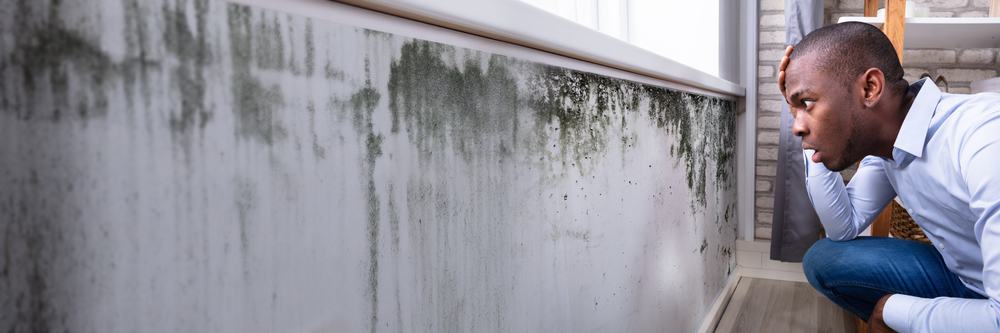
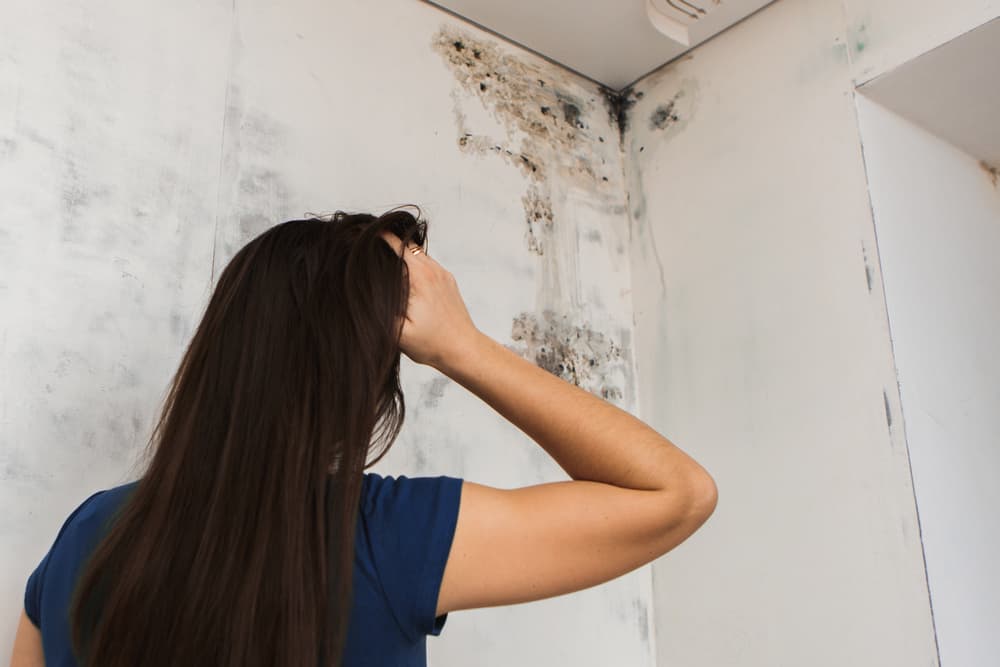
Most mold problems in North Wantagh don’t start with something you can see. They start with a sump pump that failed during a nor’easter, a slow drip behind an original plaster wall, or an attic that’s been trapping South Shore humidity for decades. By the time you smell something or spot discoloration, the growth is usually well established and often in places a basic visual check won’t reach.
A thorough mold inspection gives you a clear, documented picture of what’s actually in your home. Not a guess. Not a “we think it might be.” A certified lab report that identifies the species, measures the concentration, and compares your indoor air quality to outdoor baseline levels so you know exactly what you’re dealing with and what, if anything, needs to happen next.
For homeowners in North Wantagh, where the housing stock was built mostly in the late 1940s through the 1960s and sits on land that was formerly wetlands, that kind of certainty matters. Whether you’re protecting a home you’ve lived in for thirty years or preparing to sell in a market where prices are up and buyers are thorough, a professional inspection is the one step that removes the guesswork entirely.
Licensed Mold Assessor Serving North Wantagh
First Response Restoration and Cleaning Inc. has been serving Nassau and Suffolk County homeowners since the early 1990s through Sandy, through the nor’easters, and through the August 2024 flooding that sent water into basements across the South Shore, including North Wantagh. That kind of tenure isn’t a marketing line. It means the technician walking into your North Wantagh home has seen the same water table issues, the same aging Cape Cod construction, and the same post-storm mold scenarios dozens of times before in communities just like yours, on streets just like yours.
Owner Richard Peterson is personally licensed by the New York State Department of Labor as both a mold assessor and a mold remediator under Article 32 of the NY Labor Law. Every technician on our team holds IICRC certification not just the company, but each individual doing the work. We are fully licensed, bonded, and insured, and we operate 24 hours a day, seven days a week.
When you call the Nassau County line at 516-698-1776, you’re reaching a team that actually knows the Wantagh corridor the water table, the housing vintage, the seasonal flooding patterns not a national call center routing your job to whoever is available.
Mold Detection Services North Wantagh NY
The inspection starts with a full walkthrough of your home basement, attic, bathrooms, and any area where water has been or could be. In North Wantagh’s older homes, that means paying close attention to original plaster walls, subfloor framing, attic insulation, and any spaces that were retrofitted or partially finished over the years. These are the spots that hold moisture long after the visible water is gone.
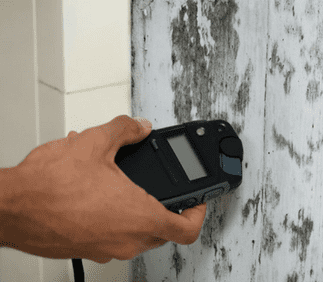
From there, we collect air samples and send them to a certified third-party laboratory. We take surface swabs where growth is suspected. We measure moisture levels throughout the property using calibrated meters not a quick pass with a handheld device. We use infrared thermal imaging to scan wall cavities, ceilings, and floor areas for temperature differentials that indicate hidden moisture or active mold growth behind surfaces you can’t see with the naked eye.
Once the lab results come back, you receive a full written report. It includes the identified mold species, spore concentration levels, a comparison of your indoor air to outdoor baseline readings, photographs of every documented source, and specific remediation recommendations tied to what was actually found. Under New York State Article 32, this report carries legal standing it’s the documentation your insurance company, your real estate attorney, and your doctor will accept. We keep the inspection and the remediation as separate scopes, which is required by state law and protects you from any conflict of interest.
Ready to get started?
Mold Assessment Services North Wantagh NY
A mold inspection in North Wantagh isn’t just about finding visible growth. It’s about understanding the moisture conditions inside a home that’s been standing for sixty-plus years, in a community built on former wetlands, less than ten minutes from Jones Beach. The South Shore’s humidity, the high groundwater table, and the construction characteristics of this era’s housing all factor into where mold hides and how it spreads.
Our inspection covers air quality testing for mold, surface swab sampling for species identification, water intrusion analysis to locate the moisture source driving any growth, full moisture mapping of the property, and infrared scanning for hidden mold in wall cavities, attic spaces, and subfloor areas. Every sample goes to a certified lab. The final report documents everything species, concentration, source, and recommended next steps in a format accepted by Nassau County insurers, real estate professionals, and healthcare providers.
We also perform black mold testing, indoor air quality testing for mold, attic mold inspection, and basement mold inspection as part of the same comprehensive scope. If remediation turns out to be necessary, we can handle that too under a separate scope, as required by state law, so your inspection results remain objective. For North Wantagh homeowners navigating a real estate transaction, an insurance claim, or a health concern, having one licensed company that can take you from inspection through restoration is a significant practical advantage.
How do I know if my North Wantagh basement has mold after flooding?
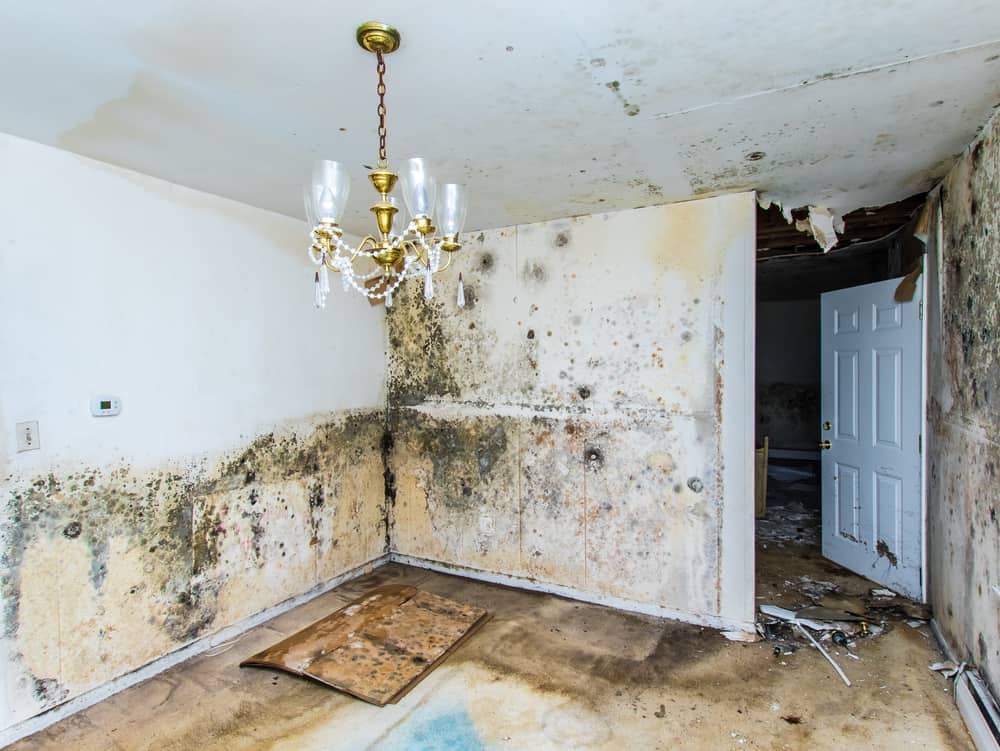
If your basement took on water whether from a sump pump failure, a storm-driven groundwater event, or a pipe that let go during a cold snap mold can begin growing within 24 to 48 hours if moisture levels stay elevated. The visible signs people notice first are usually dark spots on drywall or framing, a persistent musty smell that doesn’t go away after things dry out, or efflorescence on concrete walls that keeps coming back. But in a lot of North Wantagh basements, especially in homes built in the postwar era with original framing and plaster, the growth is happening inside the wall cavity or beneath the floor where you won’t see it until it’s well established.
The only reliable way to know what’s there is a professional inspection that includes moisture measurement, air sampling, and infrared imaging. A visual check alone won’t cut it for these homes. If your basement flooded recently and you’re not sure what grew in the aftermath, that’s exactly the situation a mold inspection is designed for.
What does a professional mold inspection typically cost in Nassau County?
Mold inspection costs in Nassau County generally fall somewhere between $300 and $1,000, with the national average sitting around $670. Where your specific inspection lands within that range depends on the size of your home, how many areas need to be assessed, whether lab testing is included, and the scope of sampling required. Larger homes with multiple areas of concern a finished basement, an attic with ventilation issues, and a bathroom with chronic moisture will typically run higher than a single-area assessment.
What’s worth keeping in mind for North Wantagh specifically is the cost context. With home values in the area running $750,000 to $837,000, a $500 to $700 inspection that catches a mold problem before it spreads into structural framing or derails a real estate transaction is a straightforward return on investment. The more relevant question isn’t what the inspection costs it’s what it costs to skip it and find out later.
Is mold common in older homes in the Wantagh area, and why?
Yes, and there are a few reasons that are specific to North Wantagh and the surrounding area. The housing stock was built primarily in the late 1940s through the 1960s, which means these homes are anywhere from 60 to 75-plus years old. Original plaster walls, older insulation materials, and wood framing that has absorbed decades of moisture are all common in homes of this vintage. These materials hold water longer than modern construction and give mold a better surface to colonize.
On top of that, North Wantagh was built on former wetlands. The water table here is close to the surface, and chronic basement moisture is a documented condition in the Town of Hempstead’s low-lying areas. Add in the South Shore’s ambient humidity from spring through fall, and you have a set of conditions that consistently produce mold problems in homes that look perfectly fine from the outside. It’s not a sign that something was done wrong it’s a function of where these homes are and how long they’ve been standing.
Does New York State require mold inspectors to be licensed?
Yes. Since January 1, 2016, New York State has required all mold assessors and mold remediation contractors to hold a valid license issued by the NYS Department of Labor under Article 32 of the Labor Law. This isn’t optional it applies to anyone performing mold inspection or remediation work in the state, including Nassau County. Fines for unlicensed mold work can reach $10,000, and work performed by an unlicensed contractor has no legal standing, which means insurance claims can be rejected and real estate transactions can be affected.
Before you hire anyone to inspect your North Wantagh home, ask to see their NYS DOL license number. You can verify it directly through the state’s online database. We are fully licensed under Article 32, and owner Richard Peterson holds personal licensure as both a mold assessor and a mold remediator which is a higher bar than simply having a company registration. When the documentation from your inspection needs to hold up with an insurer or attorney, that licensing distinction matters.
Can a mold inspection help with a home sale or purchase in North Wantagh?
It can, and in a market moving as fast as North Wantagh’s homes were selling in an average of 21 days as of early 2025, with prices up 13.6% year-over-year having that documentation ready can make a real difference. For sellers, a clean mold inspection report removes one of the most common contingencies buyers raise when purchasing an older home. For buyers, it gives you an objective, lab-backed assessment of what’s in the home before you close not just a general home inspector’s visual observation.
General home inspectors are not mold specialists. They can flag areas of concern, but they typically can’t collect air samples, perform infrared scanning, or produce a certified lab report that identifies specific mold species and concentration levels. If a home inspector flags a potential moisture or mold issue during a transaction, a dedicated mold assessment is the appropriate next step and the resulting report is the format that real estate attorneys and lenders actually accept. Given the age of North Wantagh’s housing stock, a pre-purchase mold inspection is one of the more practical due diligence steps a buyer can take.
What's the difference between mold inspection and mold testing are they the same thing?
They’re related but not identical, and the distinction matters when you’re trying to figure out what you actually need. Mold testing refers specifically to the collection and laboratory analysis of samples air samples, surface swabs, or bulk material samples to identify what mold species are present and at what concentration. Mold inspection is the broader process that includes testing but also covers the physical assessment of your home: moisture mapping, infrared scanning, water intrusion analysis, and documentation of the source driving any growth.
In other words, testing tells you what’s there. Inspection tells you what’s there, where it’s coming from, and what the conditions look like throughout the property. For North Wantagh homeowners dealing with a post-flooding situation, a musty smell with no visible source, or a health concern tied to indoor air quality, a full inspection gives you the complete picture not just a lab result without context. The written report that comes out of a proper inspection is also the format that insurance companies and healthcare providers recognize. A standalone test kit from a hardware store produces neither the accuracy nor the documentation that a certified inspection does.
Useful Links
Other Services we provide in North Wantagh