
Mold Inspection in Northwest Harbor, NY
When Your Northwest Harbor Home Has Been Closed All Winter, This Is the First Call to Make
Hear from Our Customers
Residential Mold Inspection Northwest Harbor, NY
Most homeowners who find mold or suspect it don’t know how bad it is, where it started, or whether what they’re seeing is even the real problem. A thorough mold inspection changes that. You walk away with lab-verified results, a clear written report, and a specific picture of what’s happening inside your home not a guess, not a visual scan, and not a sales pitch for remediation you may not need.
For Northwest Harbor specifically, that clarity matters more than most people realize. Properties in the Northwest Woods sit closed for five to seven months out of the year. During that time, no one is running the HVAC, no one is monitoring humidity, and no one is catching the slow drip or the condensation building up inside a wall cavity. By the time you open the door in May or June, mold may have been growing since November. The inspection doesn’t just find it it tells you exactly where it is, what type it is, and what the spore counts look like compared to outdoor baseline levels.
The other thing worth knowing: in a market where properties routinely trade at $3.5M to $12M, a mold problem that goes undetected doesn’t stay small. Home values can drop 20 to 37 percent when mold history surfaces during a transaction. On a $5M property, that’s a potential loss of $1M or more. A mold inspection is one of the cheapest forms of protection available to a Northwest Harbor homeowner.
Mold Inspection Company Northwest Harbor, NY
We’ve been operating on Long Island for over three decades. That’s not a tagline it means we’ve been on the East End through nor’easters, hurricane seasons, and the full range of conditions that come with owning property in a coastal, wooded community like Northwest Harbor. We know these roads. We know what happens to homes near Gardiners Bay and Three Mile Harbor when they sit unoccupied through a wet winter.
Every technician on our team is IICRC-certified not just the person who answers the phone. We hold New York State licenses for both mold assessment and mold remediation, which have been legally required in Suffolk County since January 1, 2016. And unlike inspection-only firms, we can handle the full scope: inspection, remediation, and structural reconstruction if needed all under one licensed, insured team. For a property owner managing a seasonal home from a primary residence in the city, that’s not a convenience it’s the only arrangement that actually makes sense.
Professional Mold Assessment Services Northwest Harbor, NY
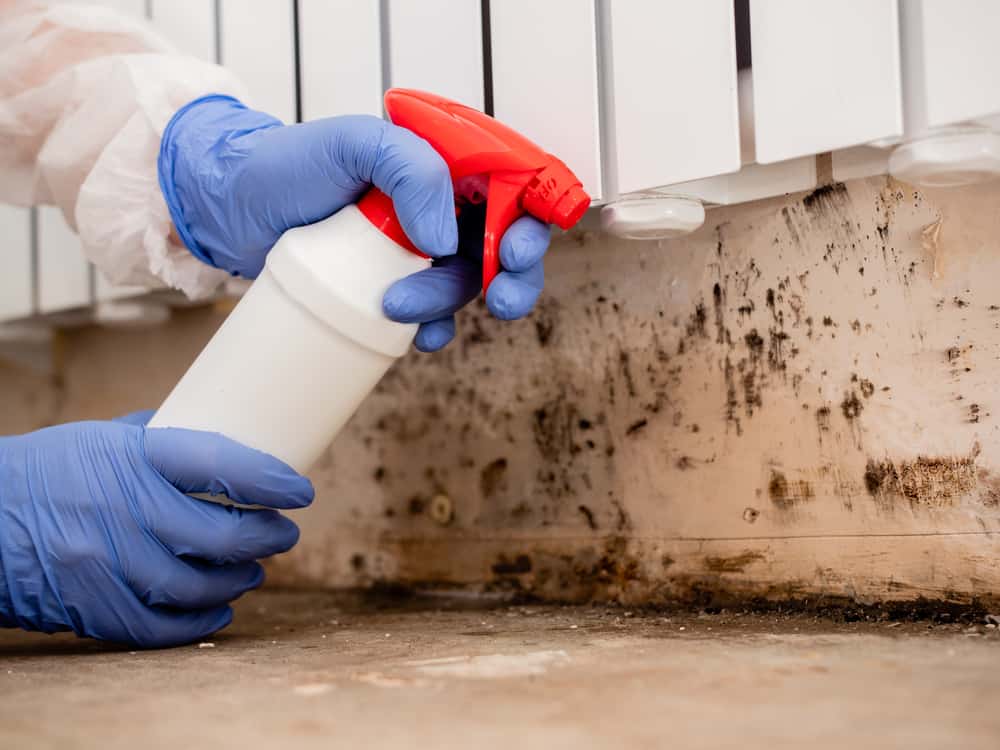
The inspection starts with air sampling drawing air from inside the home and comparing the spore counts to outdoor baseline levels. This is the part that matters most, because mold you can’t see still shows up in the air. If indoor spore counts are elevated, that’s a finding, regardless of what the walls look like. Swab samples are collected from any visible growth to identify the specific mold type, which affects how remediation is approached.
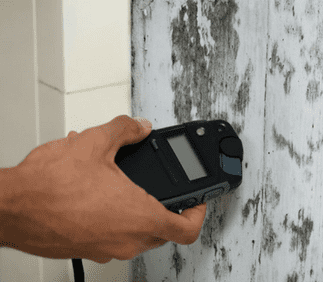
From there, we conduct a full water intrusion inspection checking the areas where moisture typically enters a Northwest Harbor home: foundation edges, crawl spaces, attic assemblies, and anywhere around windows or rooflines that may have taken storm exposure. Moisture levels are measured throughout the structure using calibrated instruments, not just visual checks. And because so much of the mold risk in these homes lives behind finished surfaces, we use infrared thermal imaging to detect hidden moisture in walls, ceilings, and floors that a standard inspection would completely miss.
Everything is photographed and documented. The final report includes lab results from an accredited laboratory, identified mold types, spore counts, moisture readings, and specific remediation recommendations if they’re warranted. If your property is in East Hampton Town and remediation involves structural work, we’re equipped to navigate local building permit requirements as well that’s not something an inspection-only firm can offer.
Ready to get started?
Indoor Air Quality Testing for Mold Northwest Harbor, NY
Our five-point inspection process covers air testing, swab sampling, water intrusion inspection, moisture level measurement, and full photographic documentation with infrared thermal imaging layered in to catch what’s hiding behind finished surfaces. This isn’t a checklist that was designed for a standard suburban ranch. It’s a process built around the specific conditions of a Northwest Harbor property: dense pine canopy limiting solar drying around the structure, multiple water bodies creating persistent coastal humidity from more than one direction, and a housing stock that in many cases dates back to the 1950s and 1960s built before modern vapor barriers and attic ventilation standards were in place.
Every sample goes to a certified, accredited laboratory. The results are objective and legally defensible, which matters when you’re dealing with a real estate transaction, an insurance claim after storm damage, or a disclosure conversation with a buyer. We also handle insurance documentation and communication directly so you’re not managing paperwork on top of everything else.
If the inspection finds something that needs to be addressed, you’re not starting over with a different company. We handle remediation and full structural reconstruction, if needed, with the same licensed team. For a homeowner managing a property in the Northwest Woods from a distance, that continuity isn’t a small thing.
Is mold inspection in Northwest Harbor, NY worth it for a seasonal home?
If your property sits closed from October through May, a mold inspection isn’t optional it’s the responsible thing to do before you assume everything is fine. Northwest Harbor’s microclimate is genuinely high-risk for mold: you’ve got persistent humidity from Gardiners Bay, Three Mile Harbor, and the surrounding water bodies, dense forest cover that limits sunlight and drying around the structure, and months of vacancy where no one is managing interior humidity or catching early signs of water intrusion. That combination is exactly what mold needs to establish itself deeply before anyone notices.
The inspection itself typically runs between $300 and $700 a fraction of what remediation costs if a problem goes undetected, and negligible against the value of the property itself. If you’re opening your home for the summer and there’s a musty smell, visible staining, or any history of water intrusion, getting a professional inspection before you assume the worst or assume everything is fine is the move that protects your investment.
How do I know if the mold inspector I hire in Northwest Harbor is actually licensed?
New York State has required all mold assessors and mold remediators to hold state-issued licenses since January 1, 2016. This applies to every company operating in East Hampton Town and throughout Suffolk County there are no exceptions, and no grandfathering for companies that were operating before the law took effect. The license requirement covers both the assessment side and the remediation side, which is why you should confirm that any company you hire holds both.
You can verify any company’s license status directly through the New York Department of Labor’s online search tool it’s publicly accessible and takes about two minutes. We hold both the Mold Assessor License and the Mold Remediator License. If a company you’re considering can’t point you to their license number, that’s a clear signal to keep looking. In a market where properties are valued in the millions, this is not a detail worth glossing over.
What does mold actually look like, and can I just check my Northwest Harbor home myself?
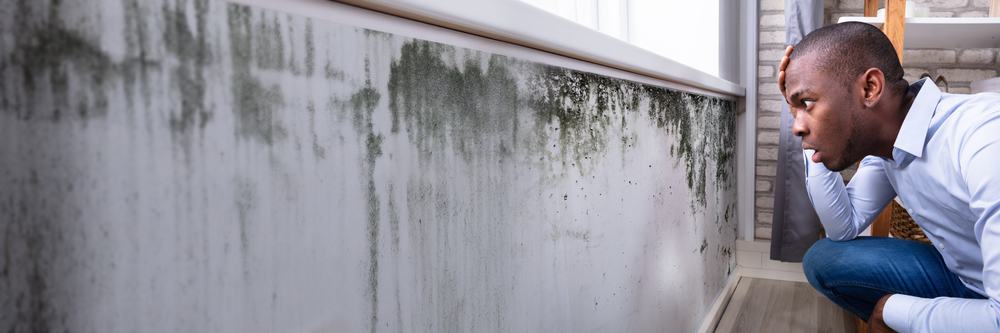
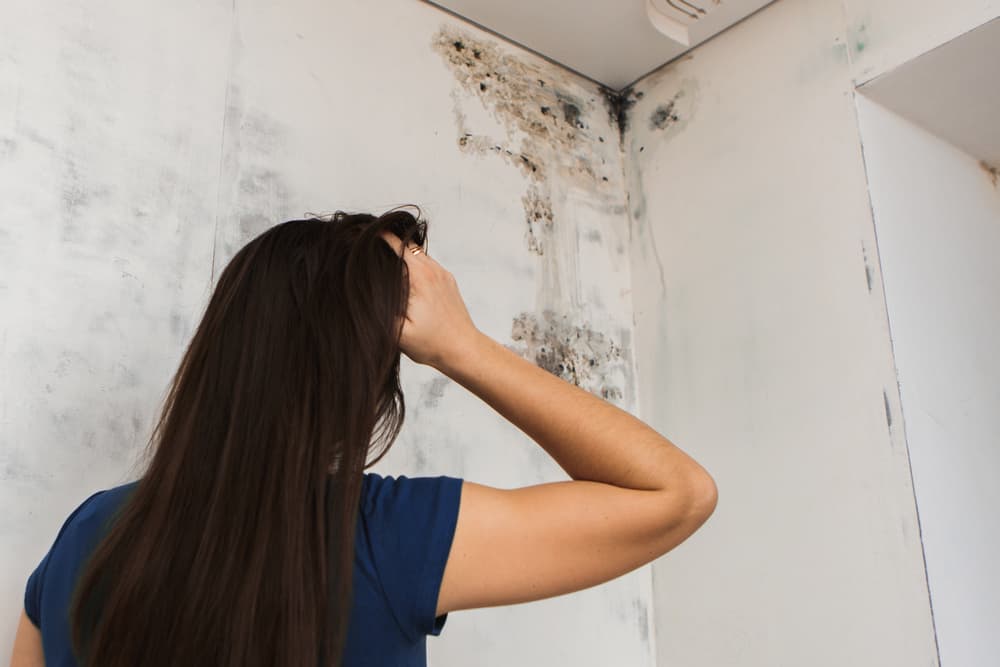
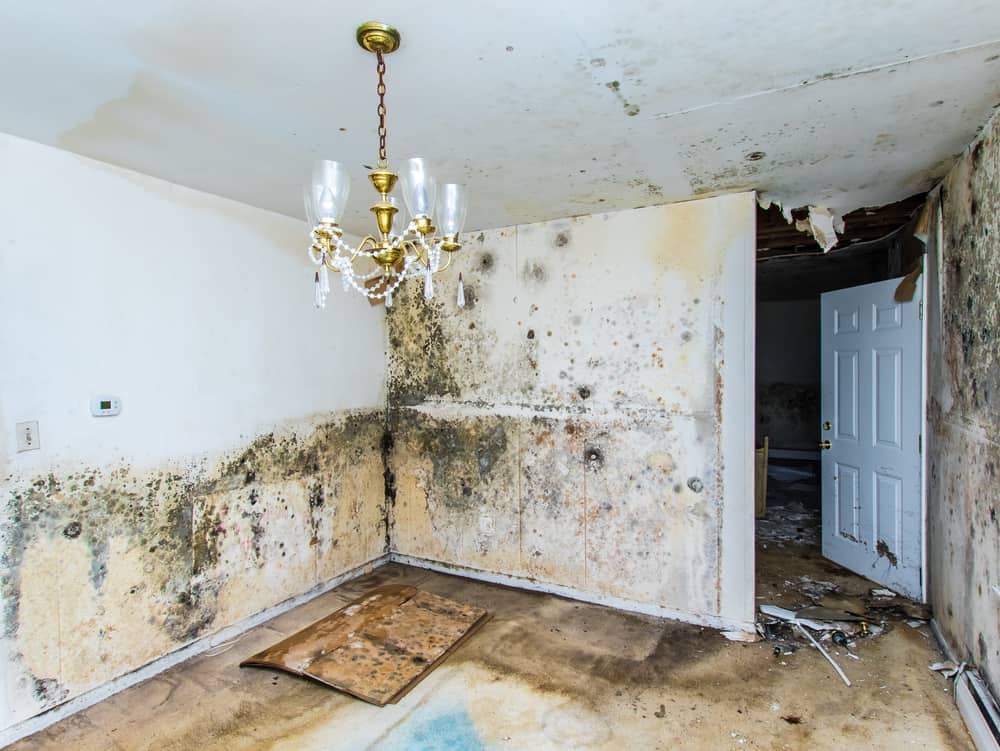
Visible mold the dark staining on a bathroom ceiling or the fuzzy growth on a basement wall is only part of the picture. In a Northwest Harbor home that’s been closed through the winter, the more significant mold growth is typically behind finished surfaces: inside wall cavities where condensation has built up against cold exterior walls, in attic insulation where warm air meets a cold roofline, or underneath flooring in crawl spaces where ground moisture has been accumulating for months. None of that is visible from a walkthrough.
Air sampling is what catches mold you can’t see. Elevated indoor spore counts compared to outdoor baseline levels indicate active mold growth somewhere in the structure, even when there’s nothing visible on the surfaces. Infrared thermal imaging goes further it detects moisture behind walls and ceilings before mold is even visible. A DIY inspection can tell you what’s on the surface. A professional inspection tells you what’s actually in the building.
Do I need a mold inspection before buying a home in Northwest Harbor, NY?
In this market, yes and not just for peace of mind. Northwest Harbor’s real estate transactions regularly involve properties priced between $2.5M and $12M. At that price point, a mold problem that surfaces after closing isn’t just an inconvenience it’s a significant financial event. Research consistently shows that home values can drop 20 to 37 percent when mold history becomes known. On a $4M purchase, that’s a potential loss of $800,000 to $1.5M if the issue isn’t caught before you close.
Beyond the financial exposure, New York State requires sellers to disclose known material defects which includes known mold. A pre-purchase mold inspection gives you objective, lab-verified documentation of the property’s condition before you’re legally bound to it. If the inspection finds something, you have leverage in the negotiation. If it comes back clean, you have documentation that protects you going forward. Either way, you’re making the decision with real information rather than assumptions.
What's the difference between mold testing and mold inspection and which one do I need?
Mold testing typically refers to the sampling component collecting air or swab samples and sending them to a lab for analysis. Mold inspection is the broader process: a full assessment of the property that includes visual examination, moisture measurement, water intrusion investigation, infrared imaging, and sampling. Testing without inspection can tell you that mold spores are present, but it won’t tell you where the moisture source is, how far the growth has spread, or what’s happening behind your walls.
For a Northwest Harbor home especially one with a complex construction, seasonal vacancy history, and exposure to coastal humidity from multiple directions you need the full inspection, not just a test kit from a hardware store. The inspection is what gives you a complete picture: where the mold is, what type it is, what’s feeding it, and what needs to happen next. That’s the document that’s useful for insurance claims, real estate transactions, and actual remediation planning.
How long does a mold inspection take for a larger Northwest Harbor property?
For a standard home, a mold inspection typically takes two to four hours on-site. For the larger properties common in Northwest Harbor multi-story Contemporaries or older Colonial-style homes on two or more acres, some exceeding 6,000 square feet plan for the longer end of that range or potentially more, depending on the number of zones being assessed. Attics, crawl spaces, and finished basements each require their own sampling and moisture measurement, and infrared imaging of large wall and ceiling areas takes time to do properly.
After the on-site inspection, samples go to an accredited laboratory for analysis. Lab turnaround is typically a few business days, after which you receive a written report with findings, mold types identified, spore count comparisons, moisture readings, and remediation recommendations if applicable. If you’re working against a real estate closing deadline or need results quickly for another reason, it’s worth mentioning that upfront scheduling and lab prioritization can sometimes be adjusted to accommodate time-sensitive situations.
Useful Links
Other Services we provide in Northwest Harbor