
Mold Inspection in Plandome Heights, NY
Century-Old Walls Deserve More Than a Visual Guess

Hear from Our Customers
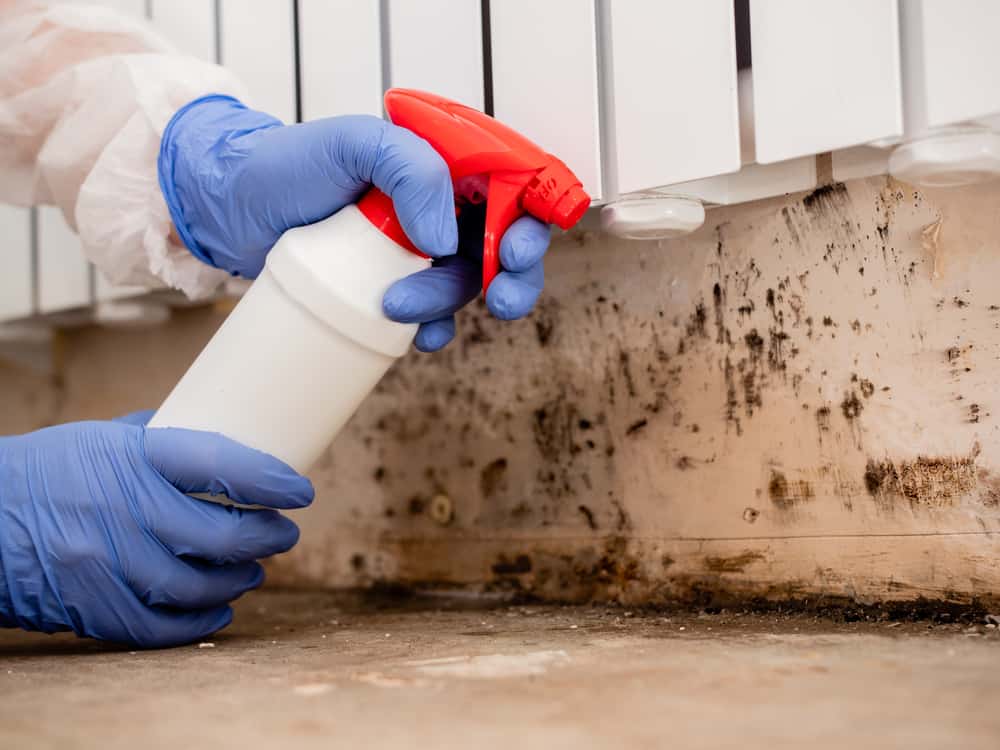
Residential Mold Testing in Nassau County
Most homeowners in Plandome Heights don’t call about mold because they see it. They call because something doesn’t feel right a smell in the basement, a child with a persistent cough, a corner of the ceiling that keeps coming back no matter how many times it’s painted. That instinct is usually right. A real inspection gives you the answer, not just a guess.
Plandome Heights sits along the edge of Manhasset Bay, and that coastal exposure matters more than most people realize. Salt air accelerates the breakdown of window seals, roofing materials, and exterior cladding all of which become entry points for moisture. Pair that with homes built in the 1920s and 1930s, before modern vapor barriers and waterproofing standards existed, and you have a combination that creates real mold risk inside walls that look completely fine from the outside.
After a thorough mold inspection, you walk away knowing exactly what’s in your air, what’s behind your walls, and what if anything needs to happen next. That clarity has real value whether you’re protecting your family, preparing to sell, or just trying to understand what you’re dealing with in a home you’ve owned for years.
Licensed Mold Assessor Serving Plandome Heights
We’ve been serving Nassau and Suffolk County homeowners for over 31 years. That’s not a marketing number it means our team has inspected and restored homes across the North Shore through multiple hurricane seasons, nor’easter cycles, and every kind of water and mold situation Long Island throws at older residential properties.
The homes in Plandome Heights including the Spanish-style tobacco houses developed by the Duke family along Plandome Road and throughout the village are some of the most distinctive and historically significant residential properties in Nassau County. They’re also among the most vulnerable to hidden moisture problems, precisely because of their age and construction. We’ve worked in homes like these. We know where to look.
Every technician we send is IICRC-certified. Our owner holds personal NYS Department of Labor licensure in both mold inspection and mold remediation under Article 32 the state law that’s been mandatory since 2016. We’re fully licensed, bonded, and insured, and we serve Plandome Heights through our dedicated Nassau County line at 516-698-1776.
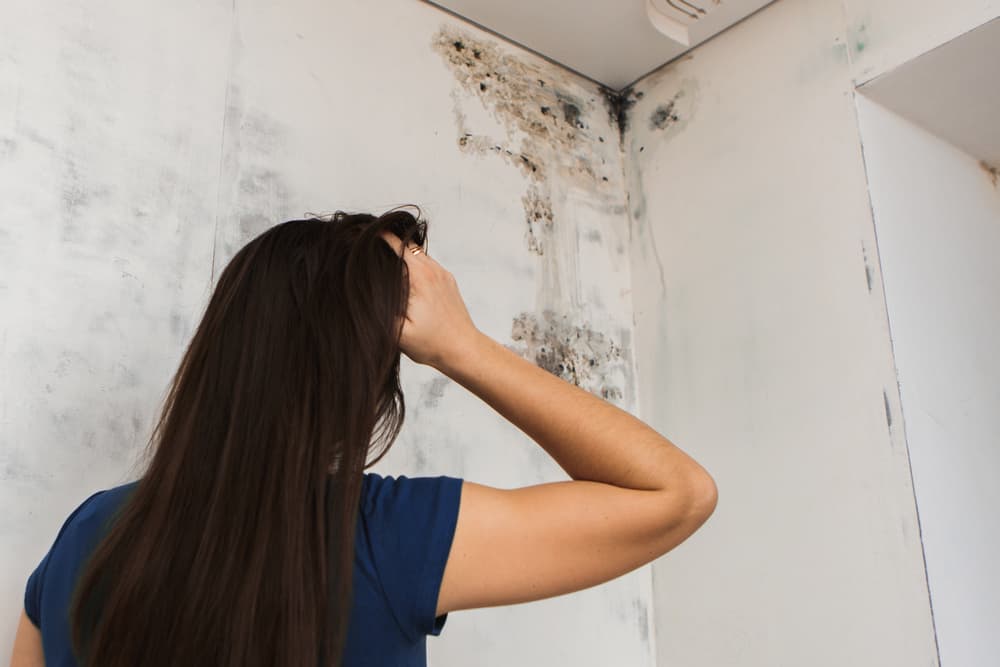
Mold Detection Services in Plandome Heights, NY
When we arrive at your home, we’re not doing a walk-through with a flashlight. Our inspection follows a defined five-point protocol that’s built for homes with real complexity and in Plandome Heights, that means century-old construction, coastal humidity exposure, and building materials that predate modern moisture management.
We start with air testing and surface swab sampling, then move into a full water intrusion inspection using professional moisture meters to measure what’s actually happening inside your walls, floors, and ceilings. From there, we use infrared technology to scan for hidden moisture and mold growth behind plaster and inside structural cavities areas that a standard visual inspection will never reach. We photograph every mold source we find, compare indoor and outdoor air particle levels to establish a baseline, and send every sample to a certified third-party laboratory for species identification and spore concentration analysis.
When the lab results come back, you receive a complete written report specific findings, lab data, and clear recommendations. That report is the documentation your insurance company, real estate attorney, or mortgage lender will accept. In a market where homes in Plandome Heights regularly transact between $1.3 million and $4 million, having that written record matters. It’s not just peace of mind it’s protection.
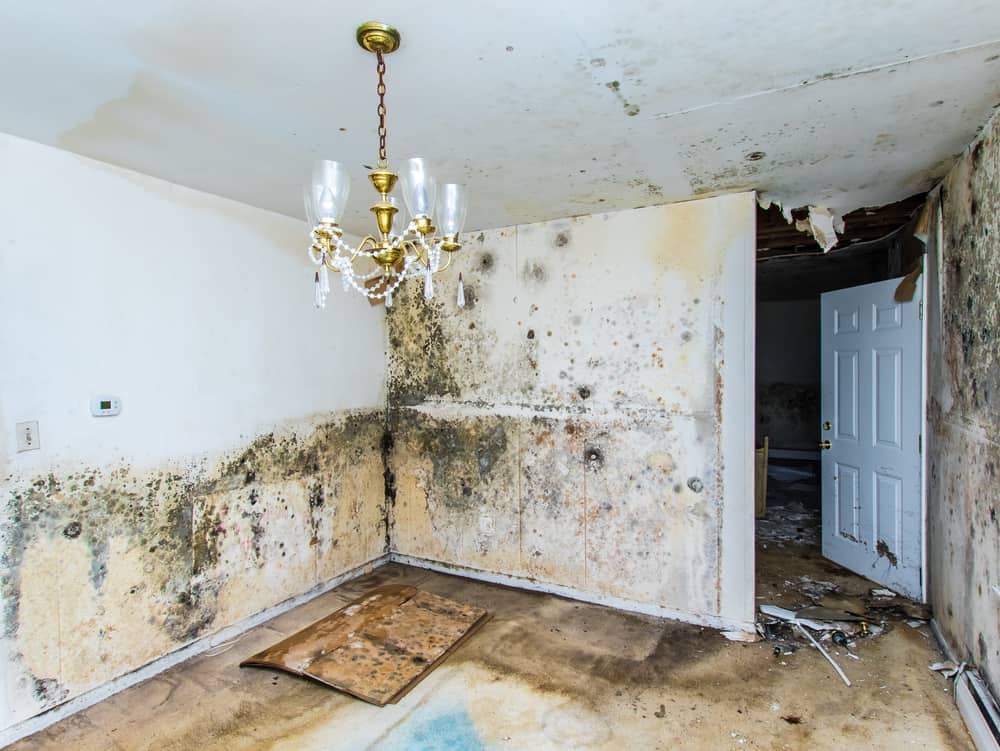
Ready to get started?
Indoor Air Quality Testing for Mold in Nassau County
The five-point inspection protocol we use wasn’t designed for a generic suburban ranch house. It was designed for homes that have real history, real age, and real environmental exposure exactly the kind of homes that define Plandome Heights. The Spanish-style tobacco houses along the Plandome Court area, the properties closest to Manhasset Bay at sea level, the older construction throughout Chester Hill each of these presents its own inspection challenges, and our protocol accounts for all of them.
What’s included in every mold inspection in Plandome Heights: air sampling with internal-versus-external particle comparison, surface swab sampling, moisture level measurement throughout the structure, infrared scanning for hidden mold behind walls and inside cavities, full photographic documentation of all identified mold sources, certified laboratory analysis with species identification, and a written report with specific remediation recommendations. Nothing is verbal-only. Everything is documented.
New York State’s Article 32 mold licensing law requires that any mold assessor working in this state be licensed by the NYS Department of Labor. That’s not optional, and it’s not a technicality reports from unlicensed inspectors carry no legal standing with insurers or in real estate transactions. Every inspection we conduct is fully compliant with Article 32, performed by licensed, certified professionals who understand what Nassau County’s North Shore homes actually need.
Is mold common in older Plandome Heights homes near Manhasset Bay?
Yes and it’s more common than most homeowners in Plandome Heights expect. The village sits within the Manhasset Bay Watershed, with the lowest elevation points at sea level along the bay’s edge. That coastal positioning creates consistently elevated ambient humidity throughout the year, especially during Long Island’s summer months when outdoor relative humidity regularly pushes above 70 percent. Older homes weren’t built with the vapor barriers, modern insulation, or drainage systems that help manage that kind of moisture load.
The homes developed by the Duke family in the 1920s built in the Spanish architectural style that still defines much of Plandome Heights used original plaster walls, older wood framing, and stone foundations that absorb and retain moisture differently than modern construction materials. When humidity is consistently high and building materials are over a century old, mold doesn’t need a dramatic flood event to take hold. It can colonize slowly, inside wall cavities and beneath flooring, completely out of sight. That’s exactly why infrared scanning is part of every inspection we conduct here.
How much does a professional mold inspection in Plandome Heights, NY cost?
Nationally, professional mold inspections typically range from around $300 to just over $1,000, with most homeowners paying somewhere in the neighborhood of $600 to $700 for a standard inspection. What you pay depends on the size of the home, the complexity of the inspection, and what’s included specifically whether air sampling, surface testing, infrared scanning, and certified lab analysis are part of the scope.
For a home in Plandome Heights where properties regularly transact between $1.3 million and $4 million the cost of a thorough inspection is a very small fraction of what’s at stake. On a $2 million home, a $700 inspection is less than 0.04 percent of the transaction value. What you’re really buying is documentation: lab-backed, written, legally defensible results that hold up with your insurance company, your real estate attorney, and any future buyer or lender. The cost of skipping it, or using a cheaper inspector who doesn’t provide certified lab analysis, tends to be far higher when a problem surfaces later.
What's the difference between a mold inspection and a mold test kit from the hardware store?
A store-bought mold test kit can tell you that mold spores exist in your home. That’s about all it can do and mold spores exist in virtually every indoor environment on the planet. What it cannot tell you is what species of mold is present, what concentration levels are in your air compared to outdoor baseline levels, where the mold is actually growing, or whether the source is behind your walls, in your HVAC system, or in your crawl space. It also produces no documentation that any institution will accept.
A professional mold inspection in Plandome Heights, NY involves air sampling, surface swab collection, infrared scanning of wall cavities, moisture measurement throughout the structure, and certified laboratory analysis that identifies specific mold species and quantifies spore concentrations. The written report that comes out of that process is what your insurance company needs to process a mold-related claim, what your real estate attorney needs to document a disclosure, and what a remediation contractor needs to design a proper scope of work. The hardware store kit gives you anxiety. The professional inspection gives you answers.
Does New York State require a licensed mold inspector, and how do I verify someone is licensed?
Yes. New York State has required licensing for all mold assessors and mold remediation contractors since January 1, 2016, under Article 32 of the New York Labor Law. This applies to any paid mold inspection or remediation work performed in the state. Unlicensed operators can face fines of up to $10,000, and any inspection report produced by an unlicensed assessor has no legal standing meaning it won’t be accepted by your insurance company or hold up in a real estate dispute.
You can verify a mold assessor’s license directly through the NYS Department of Labor’s online license lookup tool. Our owner holds personal NYS DOL licensure in both mold inspection and mold remediation not just a company-level certification, but individual licensure. For Plandome Heights homeowners navigating a pre-purchase inspection, an insurance claim, or a remediation project on a high-value historic property, this distinction matters. You want to know that the person signing the report is individually licensed and accountable under state law.
Can mold grow inside the walls of my home without any visible signs?
Absolutely and in homes like those found throughout Plandome Heights, it happens more than most people realize. Mold doesn’t need to be visible to be a problem. It grows wherever moisture accumulates, and in a home with original plaster walls, older wood framing, and a stone or masonry foundation, there are plenty of places for moisture to collect that you’ll never see from the surface. A slow pipe leak inside a wall, condensation forming repeatedly on a cold surface behind plaster, or moisture wicking up through an older foundation can all create active mold colonies that are completely hidden from view.
This is precisely why infrared technology is part of our inspection protocol. Infrared cameras detect temperature differentials caused by moisture which means we can identify wet areas and potential mold zones behind walls and inside structural cavities without opening them up. In a historic home in Plandome Heights where original materials have preservation value, that non-invasive approach isn’t just efficient it’s the responsible way to inspect. If the scan identifies a concern, we can target any physical investigation to the specific area rather than opening walls blindly.
When is the best time of year to schedule a mold inspection in Plandome Heights?
Honestly, any time you have a reason to suspect a problem is the right time mold doesn’t follow a calendar. That said, certain seasons in Plandome Heights create conditions that make inspections especially valuable. Spring is when snowmelt and heavy rainfall raise groundwater levels, which puts pressure on older basements and foundations that weren’t built with modern waterproofing. If water has been slowly infiltrating a crawl space or basement wall all winter, spring is when you’re most likely to find the result.
Summer brings the highest ambient humidity of the year, and Manhasset Bay’s proximity amplifies that. Homes without well-maintained HVAC systems or older homes that rely on window ventilation are especially vulnerable during July and August. Fall is nor’easter season on the North Shore, and any storm that drives water through an aging roofline or floods a bay-adjacent property starts a 24 to 48-hour clock before mold can begin establishing itself. If you’ve had any water event in your home regardless of the season that’s the trigger. Don’t wait to see visible growth before calling.
Useful Links
Other Services we provide in Plandome Heights