
Mold Inspection in Port Jefferson Station, NY
When North Shore Floods Leave More Than a Waterline
Hear from Our Customers
Residential Mold Inspection Port Jefferson Station
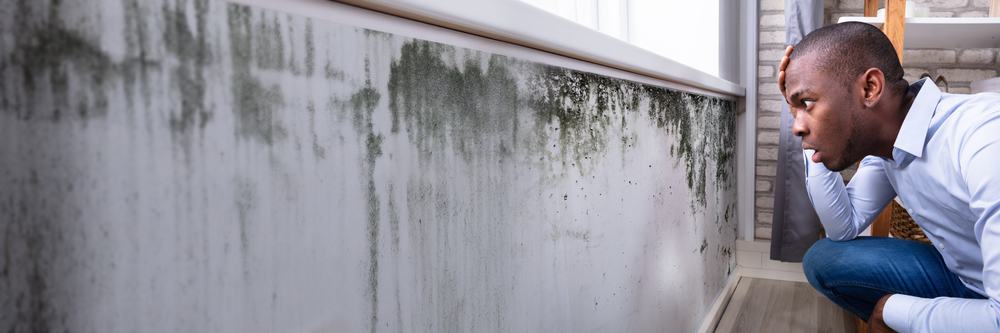
Most mold problems in Port Jefferson Station don’t start with a visible patch on the wall. They start with a wet basement after a nor’easter, an attic that never dried out after an ice dam, or a crawl space that’s been holding moisture since the 1960s. The August 2024 flooding event which the National Weather Service called a 1-in-1,000-year rainfall hit Port Jefferson Station hard. Homes along the Route 112 corridor and throughout the 11776 zip code took on water fast. Some dried out. Some didn’t. And mold doesn’t wait to be noticed.
The ranch-style homes that define Port Jefferson Station were built with a median construction year around 1969 before vapor barriers and modern ventilation standards were required. That means wall cavities, attic spaces, and basement floors are structurally more vulnerable than newer construction. A professional mold inspection gives you documented, lab-verified answers about what’s actually growing in your home, where the moisture source is, and what needs to happen next.
For a home worth $550,000 to $750,000, that clarity isn’t optional it’s the most straightforward investment you can make. Whether you’re dealing with a post-storm situation, unexplained respiratory symptoms, or a real estate transaction involving an older property, getting a real inspection from a licensed assessor means you’re making decisions based on facts, not guesswork.
Licensed Mold Inspector Port Jefferson Station NY
We’ve been serving Port Jefferson Station homeowners and the broader Suffolk County community for over three decades long before mold licensing was even required in New York State. When the law changed in 2016 under Labor Law Article 32, we already had the experience to back it up. We hold both the NYS Mold Assessor license and the NYS Mold Remediator license, and every technician on our team carries IICRC certification not just the owner.
We’re based in West Babylon and have been working throughout Port Jefferson Station and Suffolk County long enough to know exactly what mold looks like in a 1969 ranch home near the Comsewogue School District, what post-storm basement conditions mean for homes on the North Shore, and how to document everything in a way that holds up with your insurance carrier. You get one dedicated Suffolk County line 631-587-5300 and a team that actually knows this area.
Mold Assessment Services Port Jefferson Station NY
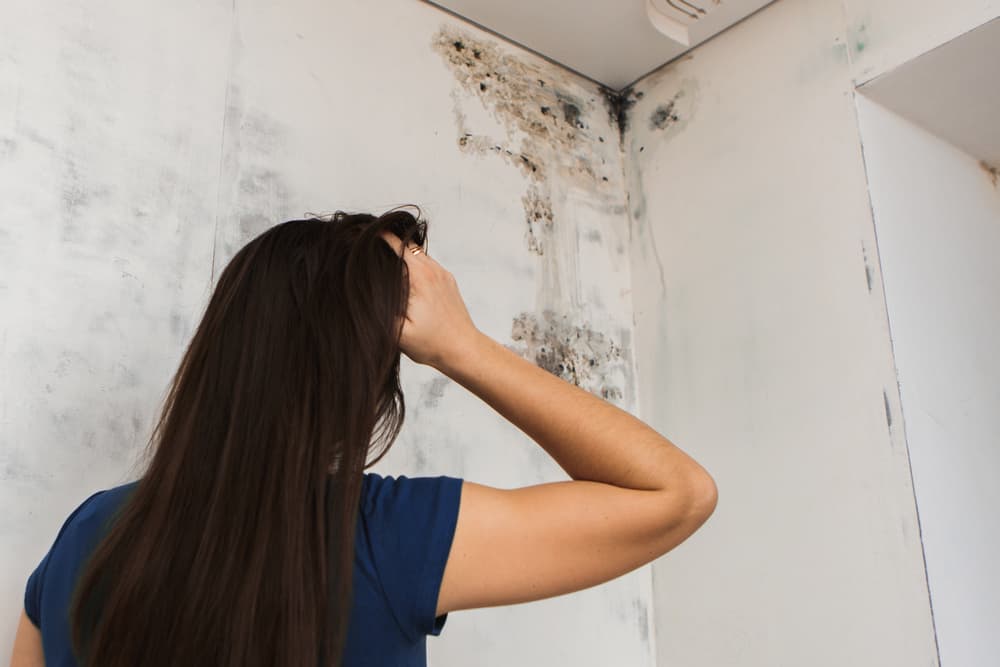
The inspection starts before we touch anything. We ask about the history of your home any known water intrusion, recent storms, HVAC issues, or symptoms you or your family have noticed. For Port Jefferson Station homes, that conversation often includes the August 2024 flooding, recurring basement seepage at the cove joint where the floor meets the wall, or attic condensation from low-pitch ranch rooflines that trap moisture in winter.
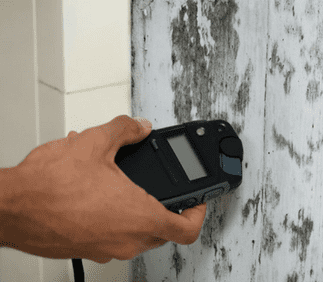
From there, we move through a documented five-point process: air testing, surface swab sampling, water intrusion inspection, moisture level measurement, and full photographic documentation. We also use infrared thermal imaging to detect moisture behind walls and under floors areas that a visual inspection simply can’t reach. This matters especially in homes where wall cavities have absorbed water from storm-driven rain or slow foundation leaks.
Every air and surface sample goes to an accredited laboratory. You’re not getting the inspector’s opinion you’re getting documented, scientific results that compare indoor spore concentrations to outdoor baselines. The written report you receive is organized, plain-language, and usable: for your insurance carrier, your real estate attorney, or just your own peace of mind. If remediation is needed, we handle that too and if structural materials need to come out and be replaced, we do that under the same roof. No hand-offs, no contractor juggling.
Ready to get started?
Indoor Air Quality Testing for Mold Port Jefferson Station
A mold inspection in Port Jefferson Station isn’t a walk-through with a flashlight. Given the age of the housing stock and the documented water intrusion patterns on the North Shore, a real inspection has to go deeper than what’s visible. That means thermal imaging behind walls, moisture readings in basement slabs and attic decking, air sampling in multiple zones of the home, and a direct comparison between what’s inside your house and what’s in the outdoor air because that comparison is what actually tells you whether you have a problem.
We inspect the areas where mold is most common in Port Jefferson Station homes: basements with cove joint seepage, attics above low-pitch ranch rooflines, crawl spaces without adequate vapor barriers, and HVAC ductwork that runs through unconditioned spaces. If your home is near the Nesconset Highway corridor or in any of the neighborhoods that took on water in 2024, those are the areas we prioritize first.
Under New York State Labor Law Article 32, mold assessment and remediation must be performed by separately licensed contractors which is why the inspection report we deliver is an independent, objective document, not a sales pitch for remediation work. You get the facts. Then you decide. And if remediation and reconstruction are needed, we’re licensed and equipped to handle both so you’re not starting over with a new contractor at the worst possible moment.
How much does a mold inspection cost in Port Jefferson Station, NY?
The cost of a professional mold inspection in Port Jefferson Station typically falls between $300 and $1,000, depending on the size of your home and the scope of testing required. Smaller inspections focused on a single area like a basement or attic tend to run toward the lower end. Whole-home inspections that include air sampling in multiple rooms, infrared thermal imaging, and lab analysis across several sample types will run higher.
For Port Jefferson Station specifically, the age of the housing stock matters. Ranch homes built in the 1960s and 1970s often require more thorough inspections because moisture can be hiding in more places inside wall cavities, under subfloor materials, or in attic insulation that hasn’t been replaced in decades. Against a home value of $550,000 to $750,000, the cost of a professional inspection is a straightforward investment. Finding a mold problem early costs far less than discovering it after it’s spread through a wall system or shown up on a buyer’s inspection report.
What are the signs I actually need a mold inspection, not just a visual check?
A visual check tells you what’s on the surface. A professional mold inspection tells you what’s behind it. If you’re noticing a persistent musty smell especially in your basement, attic, or near HVAC vents that’s mold producing gases before it’s visible. If someone in your home has developed unexplained respiratory symptoms, worsening allergies, or chronic sinus issues, that’s worth taking seriously. Mold doesn’t always announce itself.
For Port Jefferson Station homeowners, the trigger is often a specific event: a basement that flooded during the August 2024 storm, a roof leak that was patched but not fully dried, or a bathroom that’s had recurring moisture issues for years. The problem with waiting for visible mold is that by the time you see it, it’s already been growing for a while. Air testing and thermal imaging catch it earlier when remediation is simpler, faster, and significantly less expensive.
My basement flooded after the 2024 storms do I still need an inspection if it looks dry now?
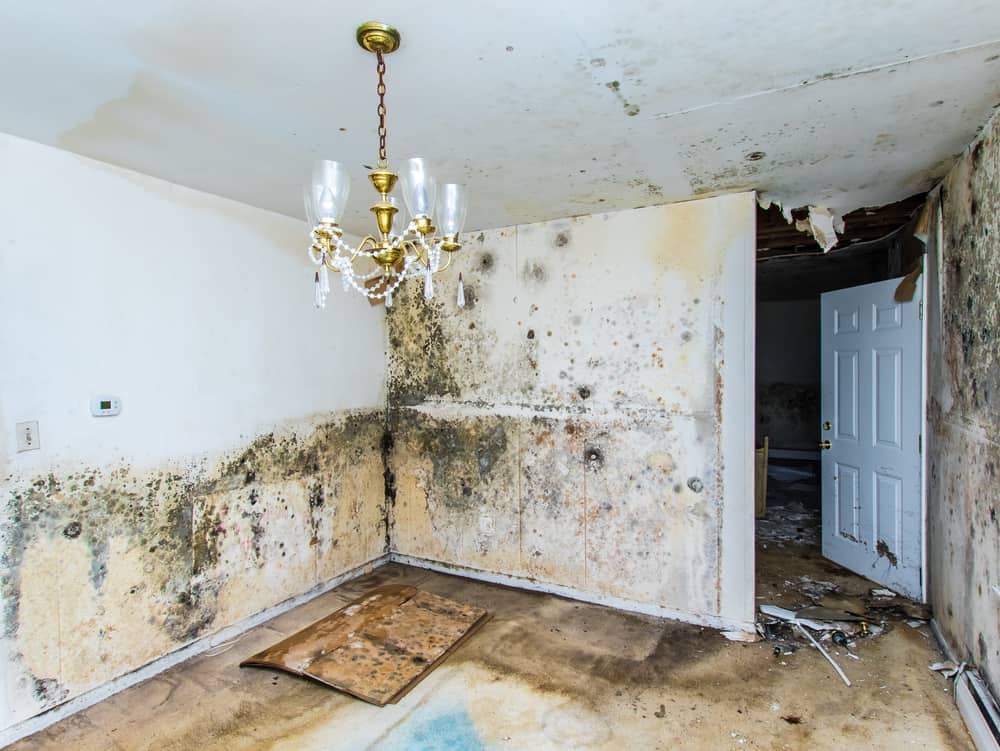
Yes and this is one of the most important questions Port Jefferson Station homeowners should be asking right now. Mold can begin growing within 24 to 72 hours of water intrusion, and it doesn’t need standing water to keep going. Once moisture is absorbed into drywall, insulation, wood framing, or the concrete block walls common in Port Jefferson Station’s older foundations, it can sustain mold growth long after the surface looks dry.
The flooding event in August 2024 was documented as one of the most severe rainfall events in North Shore history parts of Suffolk County received up to 10 inches of rain in a short window. Homes that appeared to dry out on their own may still have elevated moisture levels inside wall cavities or under flooring. The only way to know for certain is air sampling and moisture measurement not a visual inspection. If you haven’t had a professional assessment since that event, the time to get one is before the problem gets bigger, not after.
Is mold inspection required before buying or selling a home in Port Jefferson Station?
New York State doesn’t legally require a mold inspection as part of every real estate transaction, but that doesn’t mean it’s optional from a practical standpoint. In Port Jefferson Station, where the majority of homes were built between the 1950s and 1970s, a general home inspector’s assessment rarely goes deep enough to catch mold inside wall cavities, attic insulation, or crawl spaces. Buyers who skip a dedicated mold inspection on older ranch homes are taking on risk they can’t see.
For sellers, a pre-listing mold inspection gives you documentation you can stand behind. If mold is found, you can address it before it kills a deal or forces a price reduction. If it’s not found, you have lab-verified proof that the home is clean which is a real selling point in a market where buyers are increasingly aware of mold risk. Given that mold discoveries can reduce home values by 20 to 37 percent and cause up to half of buyers to walk away entirely, the inspection pays for itself many times over.
What types of mold are most commonly found in Port Jefferson Station homes?
The most frequently identified mold types in Long Island homes include Cladosporium, Penicillium, Aspergillus, and Stachybotrys chartarum the last of which is commonly called black mold and is associated with chronic water damage in materials like drywall and wood framing. The specific species found in any home depends on the moisture conditions present, the materials affected, and how long the growth has been active.
In Port Jefferson Station’s older housing stock, Stachybotrys is more likely in homes that have had slow, long-term basement seepage particularly through the cove joint where the basement floor meets the wall, which is a known failure point in poured concrete and concrete block foundations common to this era. Penicillium and Aspergillus are more commonly found in attic spaces and HVAC systems. Lab analysis from an accredited laboratory which is part of every inspection we conduct identifies exactly which species are present and at what concentrations, so any remediation plan is based on what’s actually there, not a general assumption.
Can the same company inspect for mold and then do the remediation in Port Jefferson Station?
Under New York State Labor Law Article 32, the mold assessor who writes the remediation protocol cannot be the same entity that performs the remediation this separation exists specifically to protect homeowners from inflated assessments. We hold both licenses, but we follow the law: the inspection and the remediation are handled as distinct, documented phases with a clear separation between the assessment findings and any remediation work that follows.
What this means for you practically is that the inspection report you receive is an objective document not a setup for an upsell. The lab results either show a problem or they don’t. If remediation is warranted, the protocol is based on what the lab found, not on what generates the most work. For Port Jefferson Station homeowners who are already managing insurance claims or real estate timelines, this separation is important. It means the documentation you hand to your insurance carrier or real estate attorney was produced independently and that it will hold up to scrutiny.
Useful Links
Other Services we provide in Port Jefferson Station