
Mold Inspection in Port Washington North, NY
When Hempstead Harbor Humidity Hides Inside Your Walls
Hear from Our Customers

Residential Mold Inspection Nassau County, NY
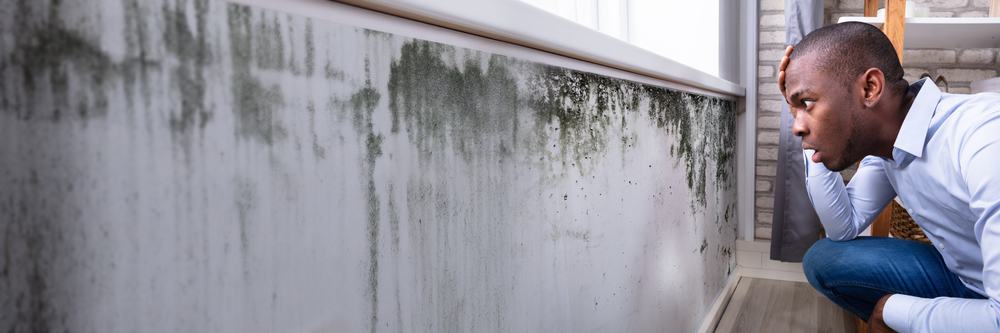
Port Washington North sits between two bodies of tidal water. That’s not a problem unique to one street or one house it’s the baseline condition every homeowner on the Cow Neck Peninsula is dealing with, whether they know it or not. Ambient humidity off Hempstead Harbor and Manhasset Bay doesn’t just make summer feel heavier. It works its way into wall cavities, attic insulation, and crawl spaces in homes that were built long before moisture barriers were standard. When it settles in and the temperature is right, mold follows.
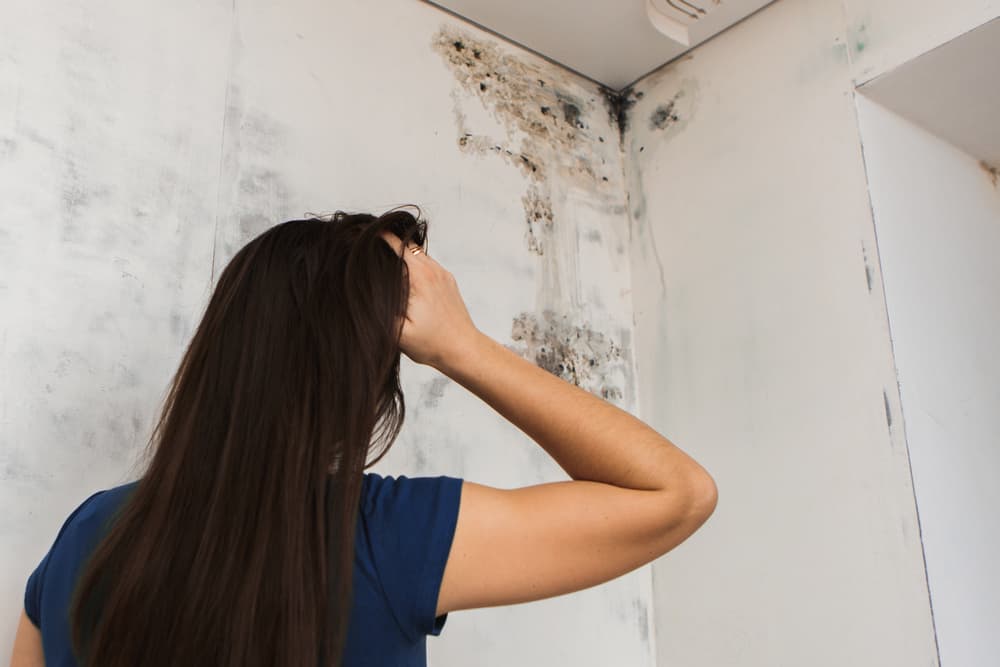
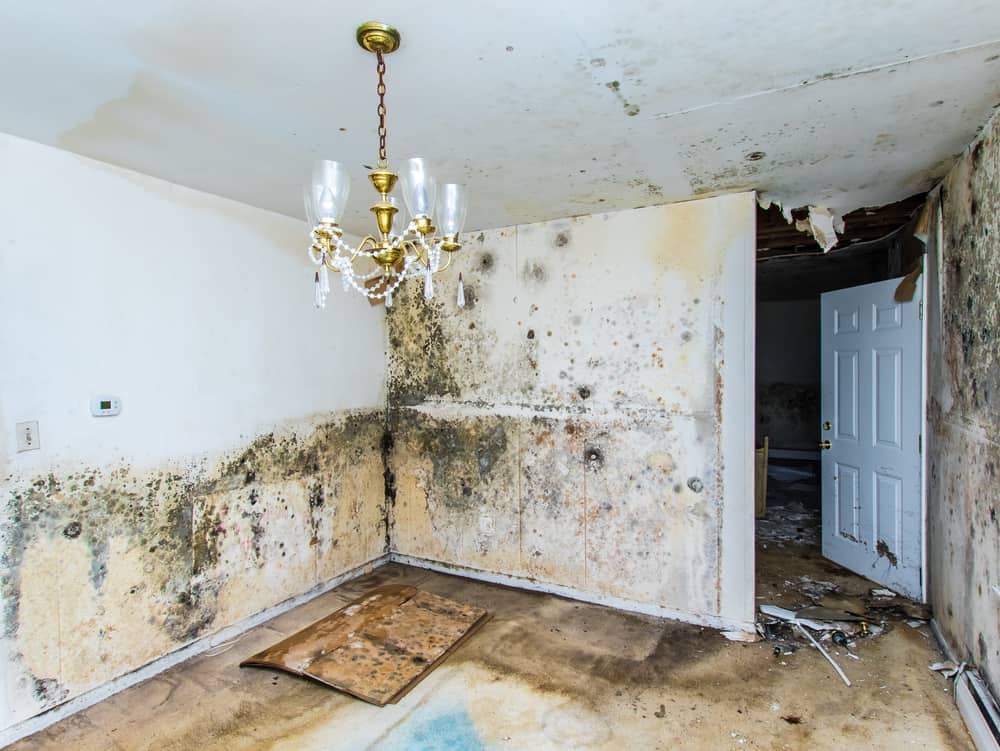
The problem with mold in Port Washington North homes older construction, tidal proximity, a housing stock that dates back to the mid-20th century or earlier is that it rarely grows where you can see it first. By the time there’s a visible patch or a smell you can’t ignore, it’s usually been growing inside the structure for weeks or months. A professional mold inspection isn’t about confirming what’s already obvious. It’s about finding what isn’t.
When the inspection is done right, you get a clear picture of what’s actually happening inside your home not a guess, not a visual scan, but lab-confirmed results with species identification, spore concentration levels, and a written remediation plan if one is needed. That’s the kind of documentation that holds up with your insurance company, your real estate attorney, and your own peace of mind.
Licensed Mold Inspection Company Port Washington North
We’ve been serving Nassau and Suffolk Counties for over 31 years. That’s not a number we throw around lightly it means our technicians have inspected homes throughout Port Washington North and the surrounding North Shore through every type of storm, every season, and every kind of moisture problem Long Island can produce. We know what coastal construction looks like from the inside, and we know what happens to it over time.
Every technician on our team is IICRC-certified. Not just the owner every person who shows up to your door. We’re also fully licensed by the New York State Department of Labor under Article 32, which has required licensing for all mold assessors and remediators in New York since 2016. If a company can’t confirm that license before they walk into your Mill Pond-area home or your waterfront property off Shore Road, that’s a problem worth taking seriously.
We’re licensed, bonded, and insured. And we’ve been doing this long enough that our reputation in Nassau County speaks louder than any ad we could run.
Professional Mold Detection Services Port Washington North
When you call us for a mold inspection in Port Washington North, the process starts with a conversation not a sales pitch. We want to know what you’ve noticed, when it started, and whether there’s been any recent water intrusion. In a coastal village like Port Washington North, that context matters. A home that flooded during a nor’easter is a different situation than a house with a slow plumbing leak, and the inspection approach adjusts accordingly.
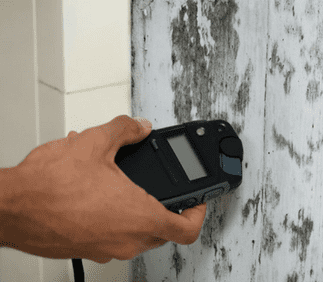
On-site, we run a five-point protocol. That means air sampling, surface swab collection, moisture level measurement, water intrusion assessment, and infrared scanning to detect hidden mold behind walls and under floors without tearing anything apart. We also compare indoor and outdoor air particle levels that comparison is what tells us whether elevated spore counts inside your home are coming from an active internal source or ambient outdoor air. In a tidal-water community, that distinction is important and easy to misread without the right equipment.
Everything we collect goes to a certified third-party laboratory. When the results come back, you get a written report actual lab data, mold species identified, concentration levels, and specific next steps if remediation is needed. If your situation involves an insurance claim or a real estate transaction, that written report is what the other parties will require. We build it to hold up.
Ready to get started?
Home Mold Testing and Assessment Port Washington North
Homes in Port Washington North aren’t average Long Island properties. With median values in the broader Port Washington area exceeding $977,000 and rising what’s inside your walls matters as much as what’s on the outside. Our mold inspection service is built to match that level of investment.
The inspection covers the full structure: basement and crawl space, living areas, attic, and any area with known or suspected water intrusion history. In older homes near the Mill Pond Historic District, we pay particular attention to attic ventilation and wall assemblies that predate modern building standards these are the areas where decades of coastal humidity accumulate quietly. For commercial properties along the West Shore Road industrial corridor near Hempstead Harbor, we bring the same protocol to HVAC systems, flat rooflines, and building envelopes that see heavy moisture exposure year-round.
Black mold testing, toxic mold testing, indoor air quality testing for mold, and attic mold inspection are all part of what we assess under one visit. We don’t send you to a separate lab company or hand you off to another vendor for remediation. If the inspection finds a problem, we can take it all the way through remediation and full restoration same company, same documentation, one clear line of accountability. For Port Washington North homeowners protecting a significant asset in a high-humidity coastal environment, that continuity isn’t a convenience. It’s a real advantage.
Does living near Hempstead Harbor actually increase my risk of mold growth?
Yes and it’s not a small difference. Port Washington North sits on a narrow peninsula with tidal water on two sides, and that dual-coastal exposure keeps ambient humidity elevated year-round compared to inland Nassau County communities. When indoor relative humidity climbs above 60%, mold can begin colonizing within 24 to 48 hours. Coastal homes don’t have to flood to develop a mold problem sustained humidity alone, moving through an older building envelope, is enough.
Homes built before modern vapor barriers and mechanical ventilation were standard which describes a significant portion of Port Washington North’s housing stock are particularly vulnerable. The moisture doesn’t announce itself. It works into wall cavities, under flooring, and into attic insulation slowly. By the time it’s visible or smells, it’s been there a while. A professional mold inspection is the only way to know what’s actually happening inside the structure, not just what’s visible from the surface.
What does a mold inspection in Port Washington North, NY actually include?
A thorough mold inspection covers a lot more than a visual walkthrough. Our inspection includes air sampling, surface swab collection, moisture level measurement, water intrusion assessment, and infrared scanning to detect mold colonies hidden inside wall cavities and under floors without destructive testing. We also compare indoor and outdoor air particle counts a step that’s easy to skip but critical for accurately interpreting results in a coastal environment where outdoor spore levels are already elevated.
Everything collected on-site goes to a certified third-party laboratory. You receive a written report with actual lab results: mold species identified, spore concentration levels, and specific remediation recommendations if needed. This isn’t a verbal summary or a generic checklist it’s documentation that holds up with insurance companies, real estate attorneys, and lenders. For a home worth close to or over a million dollars in a village like Port Washington North, that level of documentation is what the situation calls for.
How much does a mold inspection cost in Nassau County, NY?
Professional mold inspection costs typically range from $300 to just over $1,000, with the national average around $670. The main factors that affect cost are the size of the home, the number of areas being tested, and whether lab analysis is included. Mold testing collecting air and surface samples for certified lab analysis generally adds $250 to $500 on top of a basic inspection fee, though many providers bundle this into a single service.
For Port Washington North homeowners, the more relevant frame is what the inspection costs relative to what it protects. Median home values in the Port Washington area exceeded $977,000 in early 2026. If mold goes undetected and spreads inside a wall assembly or an attic, remediation costs can reach $3,400 to $20,000 depending on the extent. Catching it early through a thorough inspection with lab-confirmed results is almost always the less expensive path. And if the mold is tied to a covered water damage event, a properly documented inspection report is what makes an insurance claim viable.
My basement flooded after a storm. How soon do I need a mold inspection?
As soon as possible ideally within 24 to 48 hours of the flooding event. That’s the window where mold growth can begin if moisture isn’t fully extracted and the space isn’t dried properly. After that window closes, you’re not preventing mold anymore; you’re finding it after the fact.
Port Washington North has experienced real flooding events the August 2019 storm that buckled Harbor Road and collapsed Mill Creek Road is one documented example of how quickly coastal flooding can affect homes in this village. If your basement took on water during a nor’easter or a heavy rain event, don’t wait for a smell or visible growth to confirm the problem. Water that appears to have drained out can leave moisture behind in wall framing, insulation, and subfloor materials that a visual check won’t catch. We operate 24 hours a day, seven days a week, and dispatch certified technicians immediately because in a post-flood situation, time is the variable that determines how large the remediation project becomes.
Do I need a licensed mold assessor in New York, or can any contractor do the inspection?
In New York State, the law is clear on this. Since January 1, 2016, Article 32 of the NY Labor Law has required all mold assessors and remediators to hold a valid license from the New York State Department of Labor. This applies to every job residential, commercial, large, or small. Fines for unlicensed mold work can reach $10,000, and any assessment or remediation performed by an unlicensed contractor carries no legal standing.
That matters in practical terms. If you’re using the inspection results to file an insurance claim, support a real estate transaction, or document a condition for legal purposes, the report has to come from a licensed assessor. A report from an unlicensed contractor regardless of how thorough the work appeared won’t be accepted by your insurance company or your attorney. We are fully licensed by the NYS Department of Labor in both mold assessment and mold remediation, and every technician who conducts an inspection in Port Washington North meets that standard.
Is mold inspection something I should do before buying a home in Port Washington North?
For a home on the Cow Neck Peninsula especially one built before 1980 a pre-purchase mold inspection is one of the more useful things you can do before closing. Standard home inspections are visual. They don’t include air sampling, infrared scanning, or laboratory analysis, which means a general home inspector can miss active mold colonies inside wall cavities, in attic insulation, or under flooring that show no visible signs on the surface.
In Port Washington North specifically, the combination of older housing stock, coastal humidity, and proximity to tidal water means that moisture-related issues are common and not always disclosed. A mold inspection gives you lab-confirmed data on what’s actually inside the home before you take ownership. If mold is found, you have documented evidence to negotiate repairs, request remediation as a condition of sale, or make an informed decision about whether to proceed. For a property worth close to or above a million dollars in Nassau County, that information is worth having before the transaction closes not after.
Useful Links
Other Services we provide in Port Washington North