
Hear from Our Customers
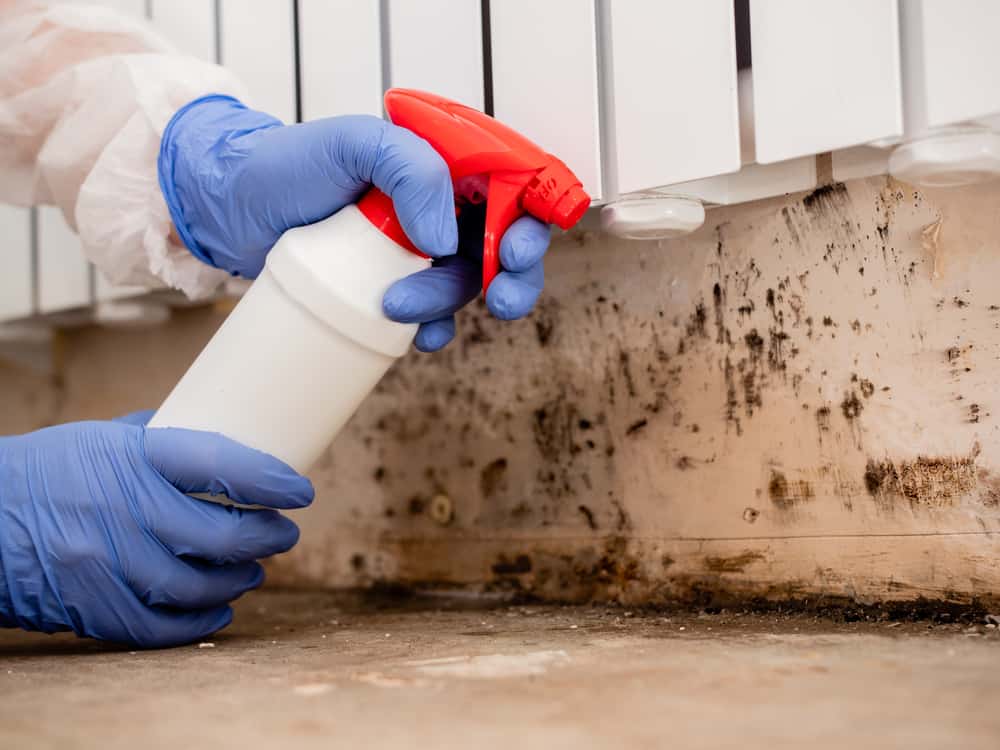
A mold inspection isn’t about scaring you. It’s about giving you accurate information so you can make a smart decision about your home. When the process is done right, you walk away knowing whether there’s a problem, where it is, how serious it is, and what it takes to fix it. No guessing, no vague reports, no assumptions.
For Sayville homeowners specifically, that clarity matters more than most people realize. The Great South Bay keeps ambient humidity elevated throughout the warmer months — and mold only needs about 60% relative humidity to start colonizing surfaces. Homes within a few blocks of the water experience that threshold regularly, which means the conditions for mold growth aren’t rare here. They’re seasonal and predictable.
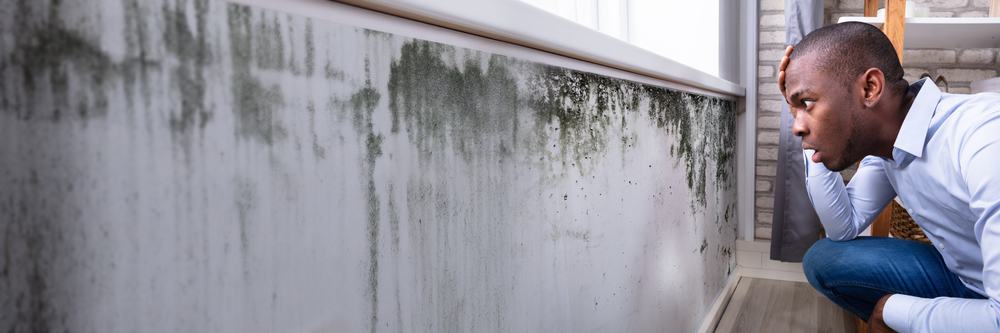
There’s also the housing stock to consider. A lot of the homes along Sayville’s historic residential streets were built in the early 1900s or earlier — original wood framing, plaster walls, attic spaces that weren’t designed with modern moisture control in mind. These homes don’t always show mold on the surface. It grows inside the structure, quietly, until something triggers a closer look. A thorough inspection — one that actually measures moisture levels, collects air and surface samples, and uses thermal imaging to see behind walls — is the only way to know what you’re dealing with.
We’ve been serving Long Island homeowners for over three decades. Based in West Babylon — about 10 to 12 miles from Sayville along the South Shore — we’ve been operating in this coastal environment long enough to understand what it does to homes over time. This isn’t a national franchise with a local phone number. We’re a real local company with a real track record in Sayville and the surrounding communities.
Every technician who comes to your home is IICRC-certified. That’s not just our leadership — that’s our full team. We also hold dual New York State licensing: one for mold assessment, one for mold remediation. Both are required by NY law and both are verifiable through the Department of Labor. When you’re dealing with a home worth close to $670,000 — which is roughly the median in Sayville — you want a company that can back up what it says.
We’ve worked through Hurricane Sandy, multiple nor’easters, and decades of South Shore storm seasons. We’ve seen what coastal flooding does to basements and crawl spaces in Sayville and communities exactly like it.
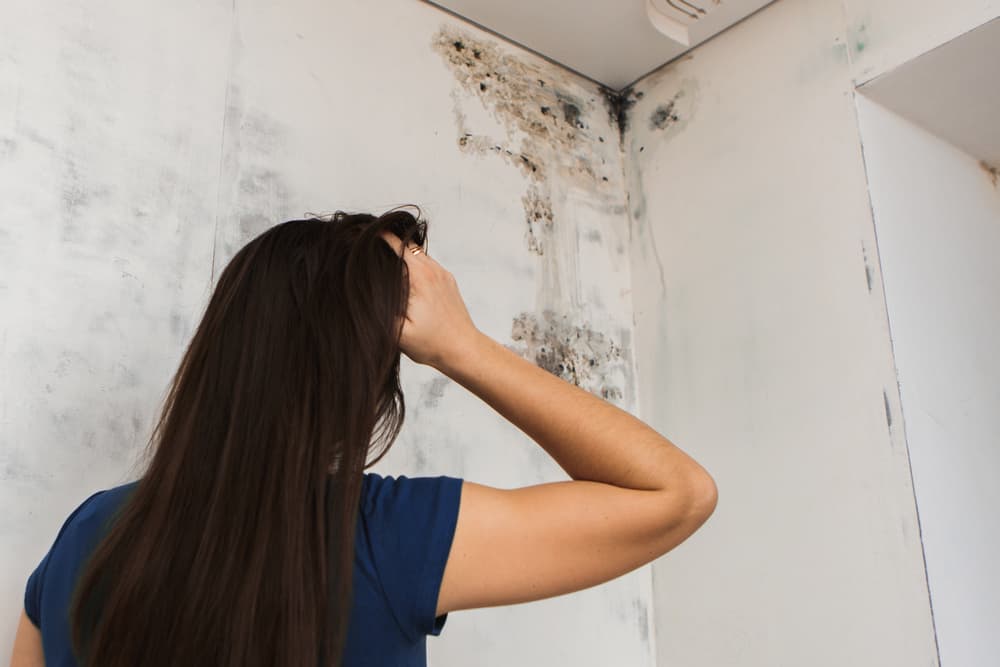
The inspection starts with a full walkthrough — not a quick visual scan, but a systematic assessment of the areas where mold is most likely to develop in a Sayville home. That means the basement or crawl space, the attic, any areas with known or suspected water intrusion, and the spaces around HVAC equipment. In bay-adjacent neighborhoods where groundwater and soil moisture are ongoing factors, crawl spaces get particular attention.
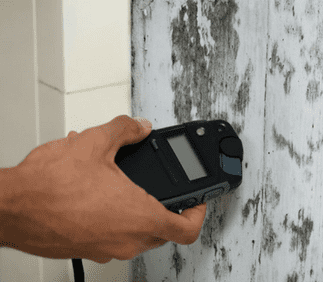
From there, we collect air samples and surface swabs and send them to an accredited laboratory. This isn’t in-house testing — it’s certified lab analysis that identifies the specific mold species present and measures spore concentrations. Alongside that, calibrated moisture meters document actual moisture levels inside walls and structural materials. Infrared thermal imaging is also used to detect temperature differentials that indicate hidden moisture behind surfaces — something a standard visual inspection simply cannot do.
Once the lab results come back, you get a written report in plain language. It covers what was found, where it was found, which species were identified, and what remediation steps are recommended. If your property experienced flooding — whether from Sandy or any storm since — and was never professionally assessed afterward, this report is the documentation you need to understand your actual situation. If the inspection turns up something that needs to be addressed, our licensed team can handle remediation and any necessary reconstruction, so you’re not starting over with a different contractor.
Ready to get started?
A lot of companies will do a walkthrough and hand you a one-page summary. That’s not what we do. Our mold inspection service is a five-point process: airborne spore sampling, surface swab sampling, water intrusion assessment, calibrated moisture measurement, and photographic documentation of every identified mold source. Thermal imaging is layered in on top of that — specifically useful in Sayville’s older Victorian and early 20th-century homes where mold can colonize inside wall cavities for years without ever breaking the surface.
Every sample goes to an accredited lab. The results come back with species identification and spore counts — the kind of documentation that holds up in a real estate transaction, an insurance claim, or a legal proceeding. At Sayville’s median home value, that level of documentation isn’t overkill. It’s exactly what the situation calls for.
We serve residential properties throughout Sayville and the surrounding area, including West Sayville, Bayport, Blue Point, and Oakdale. Commercial properties along the Montauk Highway corridor are also served. And because we’re licensed for both assessment and remediation, if the inspection finds something, you don’t have to go find another contractor. We handle it — from the initial inspection through any remediation work and reconstruction, with insurance liaison support throughout the process.
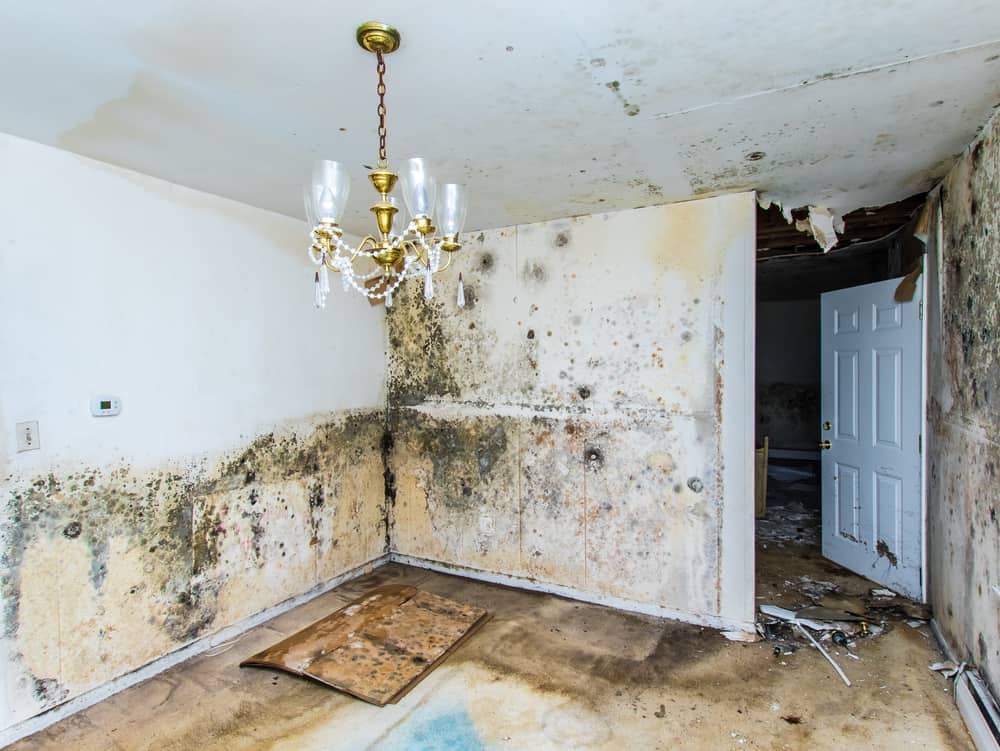
Yes — and if it hasn’t happened yet, it’s overdue. Hurricane Sandy produced record storm surge flooding across Long Island’s South Shore in October 2012. Sayville, which sits south of Sunrise Highway and directly on the Great South Bay, was in the evacuation zone. Homes that took on water during Sandy were at extremely high risk for mold colonization in basements, crawl spaces, wall cavities, and anywhere else moisture got trapped.
The problem is that mold in these areas doesn’t always make itself obvious right away. It can grow inside wall cavities and beneath flooring for years without visible signs — until a musty smell, a health symptom, or a home sale triggers a closer look. If your Sayville home was flooded during Sandy and has never had a professional mold assessment since, you genuinely don’t know what’s in there. A thorough inspection with lab-verified results and thermal imaging is the only way to find out.
For a residential mold inspection in Sayville, you’re generally looking at a range of $300 to $700 depending on the size of the home, the number of samples collected, and whether additional testing — like thermal imaging or extended lab panels — is included. Larger homes or properties with multiple areas of concern will typically fall toward the higher end of that range.
It’s worth putting that number in context. Mold remediation — once a problem is confirmed — typically runs anywhere from $1,150 to $20,000 depending on severity and scope. And undisclosed mold can reduce a home’s resale value by 20% or more. In a market where the median Sayville home is worth around $667,000, a few hundred dollars for a thorough, lab-verified inspection is a straightforward investment. The cost of not knowing is almost always higher than the cost of finding out.
In Sayville specifically, the highest-risk areas tend to be crawl spaces, basements, and attic spaces — and the reasons are tied directly to the local environment. Crawl spaces in the lower-lying, bay-adjacent parts of Sayville are exposed to elevated groundwater, soil moisture, and the persistent humidity that comes off the Great South Bay. Many of these spaces haven’t been professionally inspected in years, if ever.
Basements in older Sayville homes — particularly those built with poured concrete or block walls — are prone to seepage during heavy rain events, which Long Island’s South Shore sees regularly through nor’easters and tropical storms. Attic spaces in Victorian-era and early 20th-century homes often have inadequate ventilation by modern standards, which creates ideal conditions for mold when bay-driven humidity gets into the structure. HVAC systems are also worth checking — a system with condensation issues can distribute spores throughout the entire home. Any of these areas can harbor active mold growth without showing visible signs on the surface.
New York State does not legally require a mold inspection as part of a real estate transaction, but that doesn’t mean it’s optional from a practical standpoint. A general home inspection — which is standard — does not include mold testing. Inspectors may note visible moisture staining or obvious mold growth, but they’re not collecting air samples, running lab analysis, or using thermal imaging to find what’s hidden behind walls.
For buyers in Sayville’s market, where median home values sit around $667,000, adding a dedicated mold inspection to your due diligence is a straightforward way to protect a major financial decision. For sellers, a pre-listing inspection eliminates the risk of a mold discovery derailing a deal during buyer due diligence — which is a real scenario in a community with Sayville’s housing age and coastal exposure. Either way, having lab-verified documentation before a transaction closes is a much better position than discovering a problem after the fact.
“Black mold” is a term that gets used a lot, but it’s worth clarifying what it actually means. Stachybotrys chartarum — the species most people are referring to when they say black mold — is one of hundreds of mold species that can grow in a home. It does require specific conditions to thrive: it needs consistently wet materials, typically cellulose-based ones like drywall or wood, over an extended period. That’s not uncommon in a community like Sayville, where older homes and storm flooding create exactly those conditions.
A professional mold inspection — with air sampling, surface swabs, and accredited lab analysis — identifies whatever species are present, including Stachybotrys if it’s there. You don’t need a separate “black mold test.” What you need is a complete inspection that collects the right samples and sends them to a certified lab for species-level identification. The results will tell you exactly what’s growing, at what concentrations, and what that means for your home.
For a standard single-family home in Sayville, the on-site portion of a mold inspection typically takes two to three hours. Larger homes, or properties with multiple areas of concern — a full basement, a crawl space, an older attic — may take longer. After the inspection, lab results generally come back within a few business days, and the written report follows shortly after.
As for timing, there are a few moments when scheduling makes particular sense for Sayville homeowners. Spring is one of them — post-winter inspections often reveal moisture damage from ice damming, frozen pipes, or condensation that accumulated over the colder months. After any significant storm event is another clear trigger, especially given Sayville’s exposure to nor’easters and coastal flooding south of Sunrise Highway. And if you’re buying or selling a home, before the transaction closes is the right time — not after. That said, if you’ve had a persistent musty smell, noticed water staining, or simply haven’t had the home assessed since a flooding event, there’s no wrong time to get a clear picture of what’s inside the walls.
Useful Links
Other Services we provide in Sayville