

Hear from Our Customers
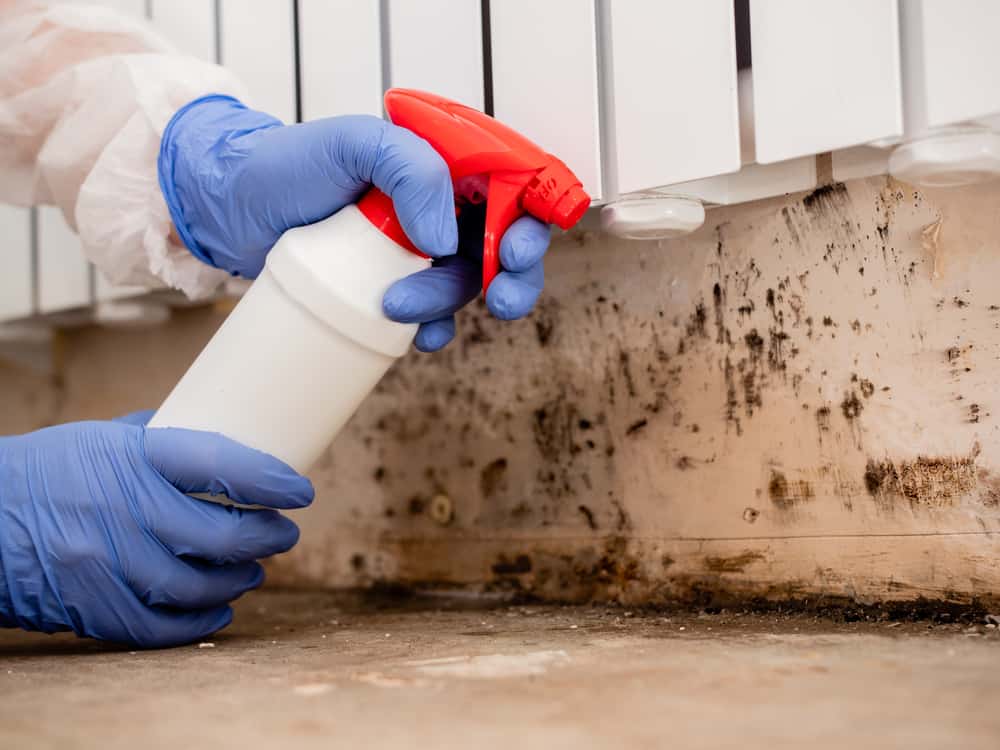
When you’re living in or buying a home built in the 1950s or 1960s — which describes most of Searingtown — you’re dealing with a structure that was built long before anyone understood moisture control. No vapor barriers. No modern insulation standards. Basements with original block or poured concrete foundations that have been taking on water for decades. A professional mold inspection tells you what’s actually happening inside those walls, not what you hope is there.
For families in the Herricks School District, the stakes are real. You chose Searingtown for the schools, the neighborhood, the quality of life — and you’re protecting a home worth well over a million dollars. A thorough mold assessment gives you lab-certified results, a written report, and a clear picture of your indoor air quality. That’s not just peace of mind. It’s documentation your real estate attorney can use, your insurance company will accept, and your family can rely on.
If your Searingtown home has had any basement moisture — even a small amount after a heavy rain — there’s a real chance mold has established itself somewhere you can’t see. Nassau County’s high water table and the drainage patterns around the Long Island Expressway corridor make this more common in Searingtown and the surrounding Albertson area than most homeowners realize. Getting a proper inspection is how you find out for certain.
First Response Restoration and Cleaning Inc. has been serving Nassau and Suffolk County homeowners since the early 1990s. That’s over three decades of working inside the exact type of homes that define Searingtown — original colonials, expanded split-levels, renovated ranches — and understanding where moisture hides in structures built before modern building science caught up.
Every technician on our team is IICRC-certified. Not just the owner. Not just the lead inspector. Every person we send to your Searingtown home holds the industry’s top professional credential. We’re also fully licensed under New York State Article 32 — the state law that’s required all mold assessors to be licensed since 2016 — and we’re bonded and insured. You can ask for our license number before you book. We’ll give it to you without hesitation.
We serve Searingtown as part of our Nassau County coverage, with a dedicated local line at 516-698-1776. Whether you’re near Searingtown Road, the Herricks school campuses, or anywhere in the surrounding North Hempstead area, we dispatch quickly and treat every home with the same level of care.
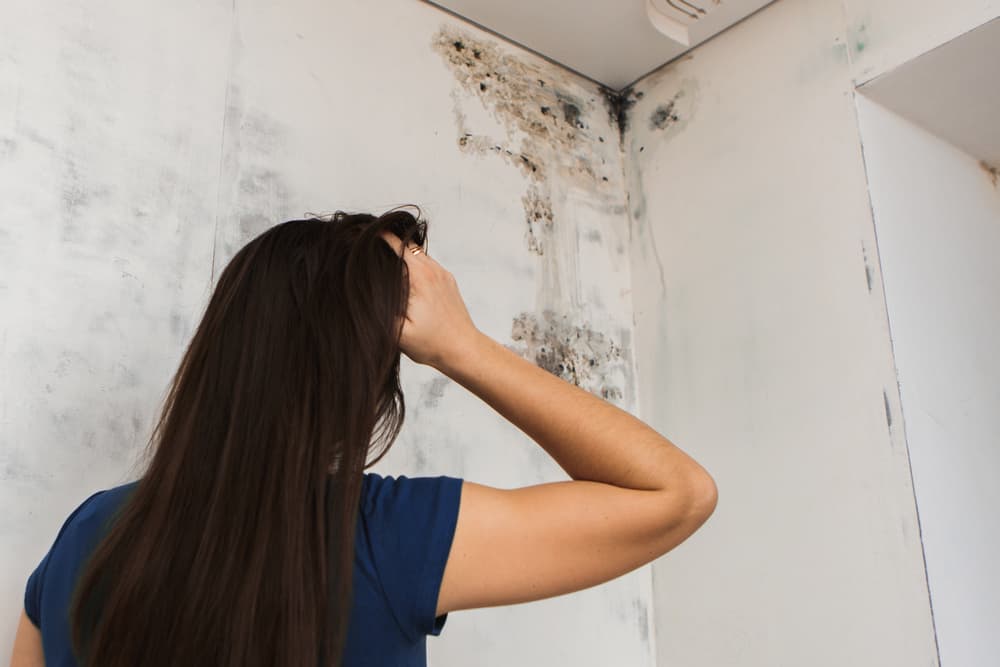
A proper mold inspection isn’t a walk-through with a flashlight. When we arrive at your Searingtown home, we run a five-point protocol that’s designed to find mold whether it’s visible or completely hidden. That starts with air testing and surface swab sampling — both sent to a certified third-party lab, not assessed in-house. We also measure moisture levels throughout the home and use infrared thermal imaging to detect temperature differentials behind walls, inside ceilings, and under floors that indicate moisture accumulation you’d never see otherwise.
We compare your indoor air particle count against an outdoor baseline. That comparison is what tells us whether your home’s air quality is actually elevated above normal — not just whether we spotted something that looks suspicious. In Searingtown’s renovated colonials, where new finishes often sit over original 1950s framing, this step is especially important. A beautifully updated kitchen or finished basement can be hiding a moisture pathway that’s been active for years.
After the inspection, you receive a written report with your certified lab results, mold species identification, spore concentration levels, and specific remediation recommendations if anything is found. That report is built to hold up in a real estate transaction, an insurance claim, or a conversation with a physician. If remediation is needed, we handle that too — same company, same team, no hand-off to a stranger.
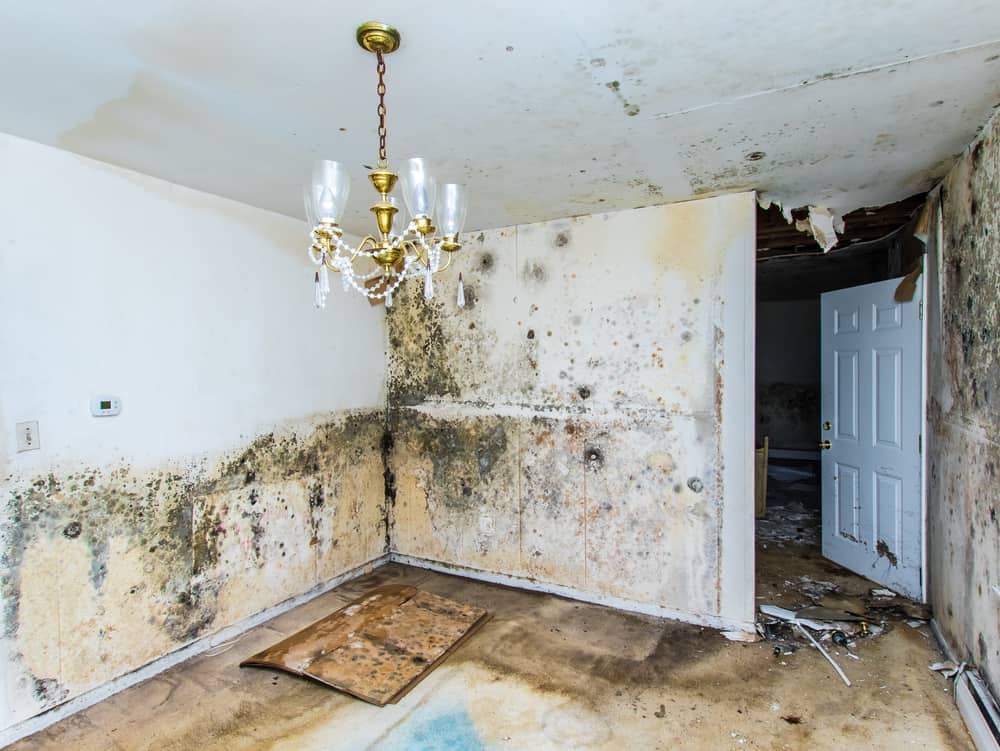
Ready to get started?
Every mold inspection we perform in Searingtown includes air testing, surface swab sampling, water intrusion inspection, moisture level measurement, infrared scanning, indoor-to-outdoor air quality comparison, full photographic documentation, and a written report backed by certified lab results. There’s no basic tier that skips the infrared. There’s no add-on fee to get the lab analysis. What we describe is what you get.
This matters specifically in Searingtown because the homes here aren’t simple structures. Many have been renovated multiple times over 60 or 70 years — additions built onto original foundations, basements finished over concrete that was never waterproofed, attic insulation layered over original framing. Each of those transitions is a potential moisture trap. Our inspection is designed to work through all of it, not just flag the obvious spots.
We also serve commercial properties in the North Hempstead area, including any institutional or professional spaces that need indoor air quality testing for mold. All work is performed under our New York State Department of Labor license for mold assessment, as required by Article 32 of the NY Labor Law. Unlicensed mold inspection in New York carries fines of up to $10,000 — and any report produced by an unlicensed inspector carries no legal standing in a real estate transaction or insurance claim. Ours does.
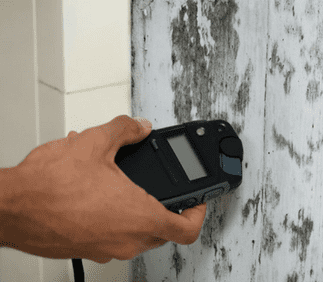
A professional mold inspection in Searingtown goes well beyond what a standard home inspector covers. Our process includes air sampling, surface swab sampling sent to a certified third-party lab, moisture level readings throughout the home, infrared thermal imaging to detect hidden moisture behind walls and under floors, a comparison of indoor versus outdoor air particle counts, and full photographic documentation of any findings.
The written report you receive includes our lab results, the specific mold species identified, spore concentration levels, and clear remediation recommendations if anything is found. That report is the key deliverable — it’s what your real estate attorney, your insurance company, and your family physician can actually work with. A verbal assessment from an inspector who hands you nothing in writing isn’t worth much when you’re dealing with a $1.5 million Searingtown home and a real estate closing on the line.
Nationally, professional mold inspections average around $670, with a typical range of $300 to $1,050 depending on the size and complexity of the home. Searingtown homes — most of which are large single-family colonials, ranches, or split-levels often exceeding 3,000 square feet — generally fall in the upper portion of that range. The inspection cost reflects the scope of the work: air testing, lab analysis, infrared scanning, moisture measurement, and a written report are all included.
It’s worth putting that number in context. When you’re buying or protecting a home valued between $900,000 and $2.5 million, a thorough mold inspection is one of the lower-cost items in your due diligence process — and one of the highest-value ones. Finding a mold problem before closing gives you negotiating leverage. Finding it after closing gives you a remediation bill and no recourse. The inspection cost is not where you want to cut corners.
Yes — and in Searingtown specifically, this is one of the more common scenarios we encounter. Many homes in the hamlet have been substantially renovated over the decades: kitchens updated, basements finished, additions built onto original 1950s or 1960s foundations. The problem is that renovations often add new finishes over old structure without addressing the underlying moisture pathways first. New drywall goes up over original framing that’s been accumulating moisture for years. A finished basement floor gets laid over a concrete slab that was never waterproofed.
Mold doesn’t care what the surface looks like. It grows in the dark, in the wall cavity, behind the insulation — anywhere there’s moisture and organic material. That’s exactly why infrared thermal imaging is part of every inspection we do. It finds the temperature differentials that indicate moisture accumulation in places a visual inspection would completely miss. A beautifully maintained Searingtown colonial can have an active mold condition behind a wall that was finished during a 1990s renovation and hasn’t been opened since.
It’s not legally required, but if you’re buying in Searingtown, it’s one of the most important steps you can take before closing. Standard home inspections in New York do not include air testing, lab analysis, or infrared scanning. A home inspector may note visible moisture staining or a musty odor, but they’re not equipped to tell you whether mold is present, what species it is, or how concentrated the spore count is. That requires a licensed mold assessor under New York State Article 32 — a separate credential from a general home inspection license.
Given that most Searingtown homes were built between 1940 and 1969, and given the premium prices buyers are paying for the Herricks School District and the community quality of life, the financial case for a pre-purchase mold inspection is straightforward. If mold is found, you have documented evidence to negotiate a remediation credit or price reduction before closing. If nothing is found, you have a certified lab report confirming the home’s air quality — which is worth having regardless.
Mold can begin growing within 24 to 48 hours in areas that remain damp after a flooding event — and Nassau County’s water table and the drainage patterns around the Long Island Expressway corridor make basement water intrusion a documented, recurring issue in the Searingtown and Albertson area. Local waterproofing contractors operating in this area have consistently recorded water entering through foundation cracks after heavy rain, window well flooding, and moisture seeping through original block foundations that were never waterproofed.
The September 2023 severe storm that prompted a FEMA disaster declaration for Nassau County affected homes throughout Searingtown and the surrounding region. If your home took on any water during that event or subsequent storms — even a small amount that appeared to dry on its own — there is a real possibility of mold in areas you haven’t been able to see. Post-flood mold doesn’t always produce an obvious musty smell right away. It establishes itself quietly in wall cavities, under subfloors, and behind insulation before it becomes noticeable. The sooner you get an inspection after a water event, the better your options are.
They’re related but not the same, and the distinction matters when you’re hiring someone. Mold testing refers specifically to the collection and lab analysis of air or surface samples to identify whether mold is present, what species it is, and at what concentration. Mold inspection is the broader process — it includes testing, but it also includes the physical assessment of the home: moisture measurement, water intrusion evaluation, infrared scanning, and documentation of conditions that are contributing to mold growth or creating risk for it.
A mold test without a proper inspection can give you a positive result with no useful context — you know mold is present, but you don’t know where it’s coming from, how far it’s spread, or what’s feeding it. In Searingtown’s older housing stock, where moisture pathways can run through original foundations, original framing, and decades of layered renovations, the inspection component is what makes the testing actionable. The lab results tell you what’s there. The inspection tells you why it’s there and what needs to happen next. What we provide is both — not one or the other.
Useful Links
Other Services we provide in Searingtown