
Mold Inspection in South Hempstead, NY
South Hempstead's Older Homes Hide Mold Where You Can't See It
Hear from Our Customers
Residential Mold Detection South Hempstead
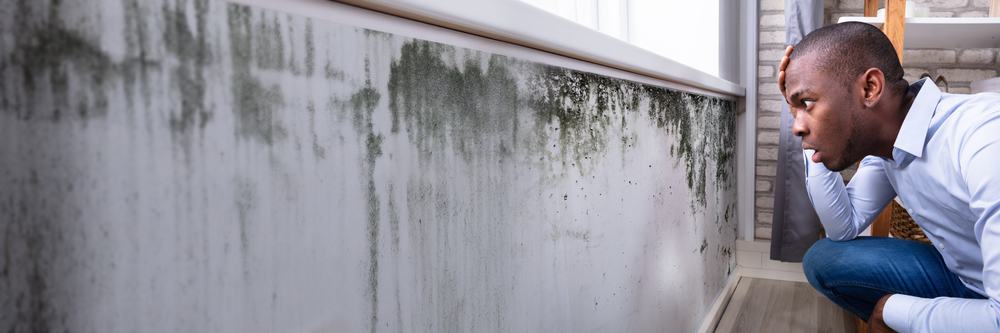
Most mold problems in South Hempstead don’t start with a visible patch on the wall. They start with a slow leak behind the drywall, a basement that floods after heavy rain, or an attic that never had proper ventilation when the house was built in 1957. By the time you smell something musty, mold has usually been growing for weeks sometimes months.
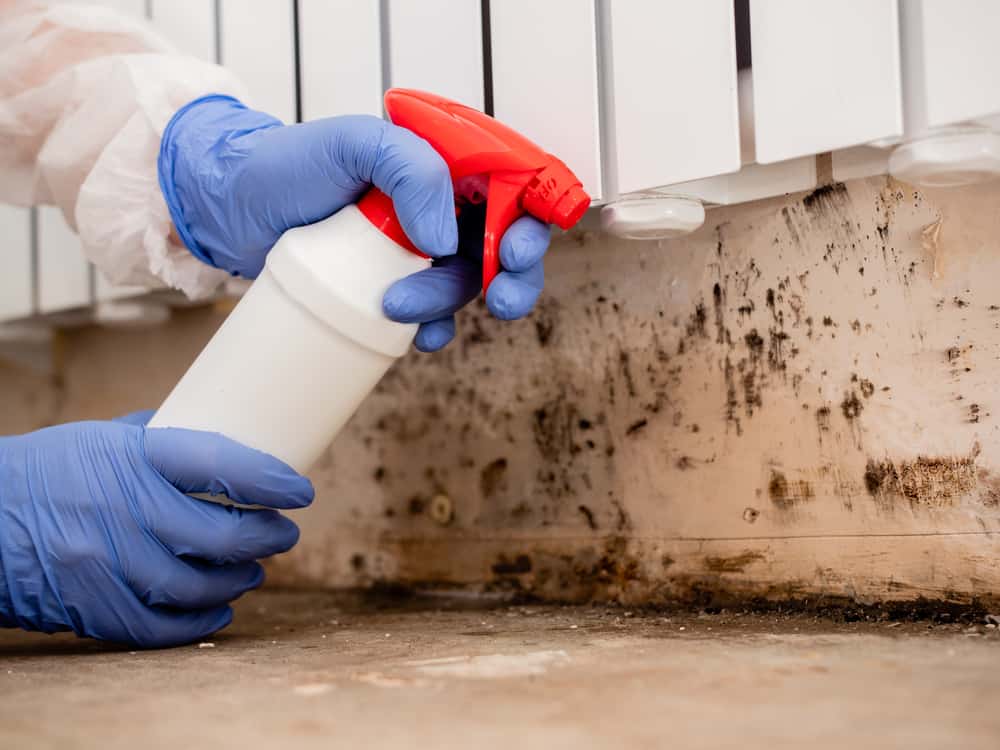
A professional mold inspection gives you the full picture. Not a guess, not a visual scan with a flashlight a five-point assessment that includes air testing, surface sampling, moisture measurement, and infrared scanning to find what’s hiding inside wall cavities, beneath flooring, and inside ductwork. You walk away with a certified lab report that tells you exactly what species are present, what the spore concentrations are, and what needs to happen next.
For South Hempstead homeowners with properties now selling at or above $820,000, that information isn’t optional. Mold discovered during a sale can kill a deal or cost you tens of thousands in price reductions. Catching it early before it spreads or surfaces during a buyer’s inspection is the difference between a manageable fix and a financial gut punch.
Certified Mold Inspector Nassau County NY
We’ve been working in Nassau County for over three decades, with deep roots in South Hempstead and the surrounding communities. That’s not a marketing number it means our certified technicians have inspected hundreds of homes with the exact same construction profile as the Cape Cods and colonials that line the streets of South Hempstead. We know what aging plumbing does to a basement wall. We know where moisture hides in a 1960s attic. We’ve seen it in homes all across the Town of Hempstead, and we know how to find it fast.
Every technician on our team is IICRC-certified not just the owner. We’re fully licensed under New York State’s Article 32 mold assessor requirements, bonded, and insured. We carry a dedicated Nassau County line at 516-698-1776 because this isn’t a secondary market for us it’s where we’ve built our reputation. When you call, you’re reaching a team that already knows your neighborhood.
Mold Assessment Services South Hempstead NY
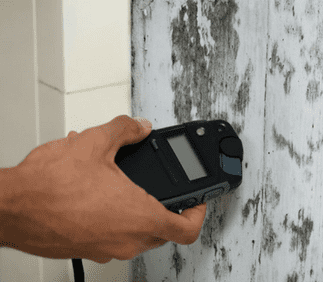
When we arrive at your South Hempstead home, we’re not doing a quick walkthrough and handing you a verbal opinion. The inspection starts with a full visual and moisture assessment every room, every basement corner, every attic access point. We use calibrated moisture meters to find elevated readings in walls, ceilings, and floors that look completely dry to the naked eye.
From there, we deploy infrared technology to scan for temperature differentials that indicate hidden moisture and mold activity behind surfaces. This is where most inspections stop ours doesn’t. We collect air samples from inside the home and compare them against an outdoor baseline, which tells us whether your indoor air quality is being affected by mold growth you can’t see yet. Surface swab samples go to a certified third-party laboratory for species identification and spore concentration analysis.
Within a few days, you receive a written lab-backed report with everything documented: what was found, where it was found, spore levels, and specific recommended next steps. Under New York State’s Article 32 licensing law, that report carries legal weight it’s the documentation your insurance adjuster, real estate attorney, or contractor needs to move forward. If you’re buying or selling in South Hempstead’s active market, that report is the paperwork that protects your position at closing.
Ready to get started?
Indoor Air Quality Testing for Mold South Hempstead
South Hempstead’s housing stock is almost entirely mid-century construction homes built before modern vapor barriers, before current waterproofing standards, and before anyone accounted for the kind of storm intensity Nassau County sees today. Basements take on water after nor’easters. Attics in houses without proper ridge ventilation trap moisture all winter long. These aren’t hypothetical risks they’re the calls we get.
Our mold inspection covers the areas that matter most in homes like yours: basement walls and floor systems, attic sheathing and insulation, HVAC air handlers and ductwork, crawl spaces, and interior wall cavities near plumbing runs and exterior penetrations. We also check window frames, bathroom ceilings, and any area where a previous repair or renovation may have sealed moisture inside rather than out.
Because South Hempstead sits within Nassau County’s regulatory framework, all mold assessment work we perform complies with NYS Department of Labor Article 32 licensing requirements. The report we produce is the same documentation standard accepted by Nassau County insurance adjusters and real estate attorneys. Whether you’re dealing with a post-storm situation, a musty basement you’ve been ignoring, or a home purchase that’s about to close we give you real answers, not a sales pitch for remediation you may not need.
How much does a mold inspection cost in South Hempstead, NY?
Most professional mold inspections run between $303 and $1,043, with the national average landing around $670. Where your specific inspection falls within that range depends on the size of your home, how many areas need to be tested, and how many air and surface samples get sent to the lab. For South Hempstead’s typical mid-century single-family homes Cape Cods and colonials ranging from 1,200 to 2,200 square feet most inspections fall in the mid-range of that window.
What matters more than the inspection cost is what you’re protecting. With median sale prices in South Hempstead approaching $821,000, a mold problem discovered during a buyer’s inspection can cost you far more in price reductions or deal fallout than the inspection itself. Think of it as risk management: a few hundred dollars now versus a potential $10,000 to $20,000 remediation surprise later. The written lab report you receive is also the documentation your insurance company needs if the mold traces back to a covered water damage event which, in older homes, it often does.
What's the difference between mold inspection and mold testing in Nassau County?
These terms get used interchangeably, but they’re not the same thing. A mold inspection is the physical assessment a trained professional evaluating your home for visible mold, moisture intrusion, water damage, and conditions that support mold growth. Mold testing refers specifically to the collection of air or surface samples that get analyzed by a certified laboratory to identify mold species and spore concentrations.
In Nassau County, a thorough mold assessment should include both. A visual inspection alone can miss mold growing inside wall cavities or beneath flooring which is exactly the kind of hidden mold that causes the most damage in South Hempstead’s older homes. Lab-backed testing gives you the documentation that actually means something: the species identification, the spore counts, and the comparison between indoor and outdoor air quality that tells you whether what’s growing is affecting the air your family breathes. Under New York State’s Article 32 licensing law, only a licensed mold assessor can legally perform this work for compensation so make sure whoever you hire holds that credential before they set foot in your home.
How do I know if my South Hempstead basement has a mold problem?
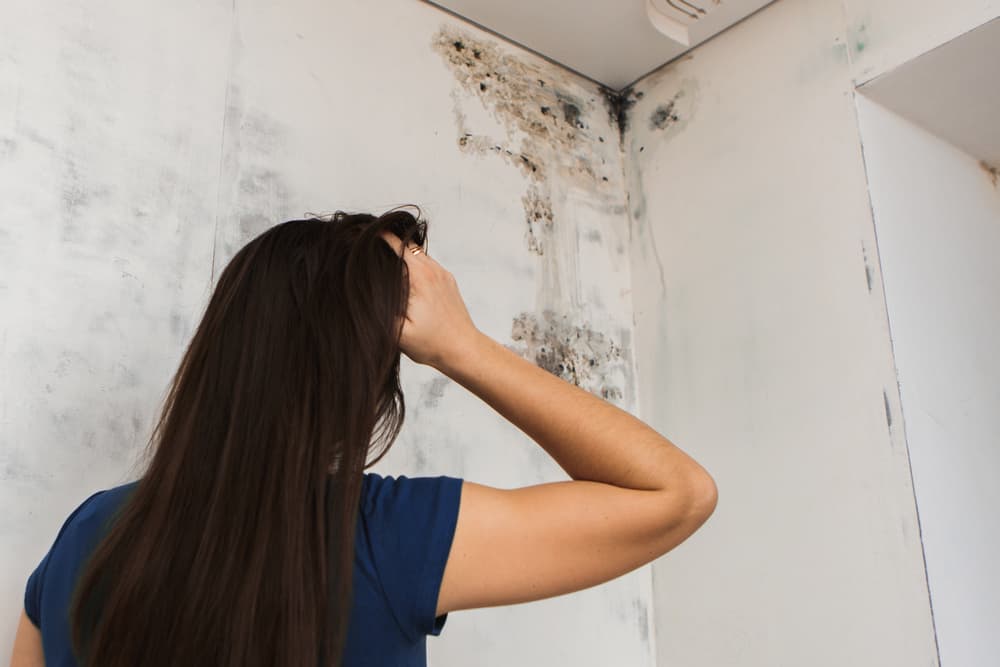
The most obvious signs are a persistent musty smell, visible discoloration on walls or flooring, and peeling paint or efflorescence on concrete block walls. But in South Hempstead’s mid-century homes, some of the most serious mold problems show none of those signs. A slow leak behind finished drywall, moisture wicking through a poured concrete foundation after heavy rain, or a sump pump that failed once and wasn’t caught quickly these can produce significant mold colonies that are completely invisible until you pull a wall apart.
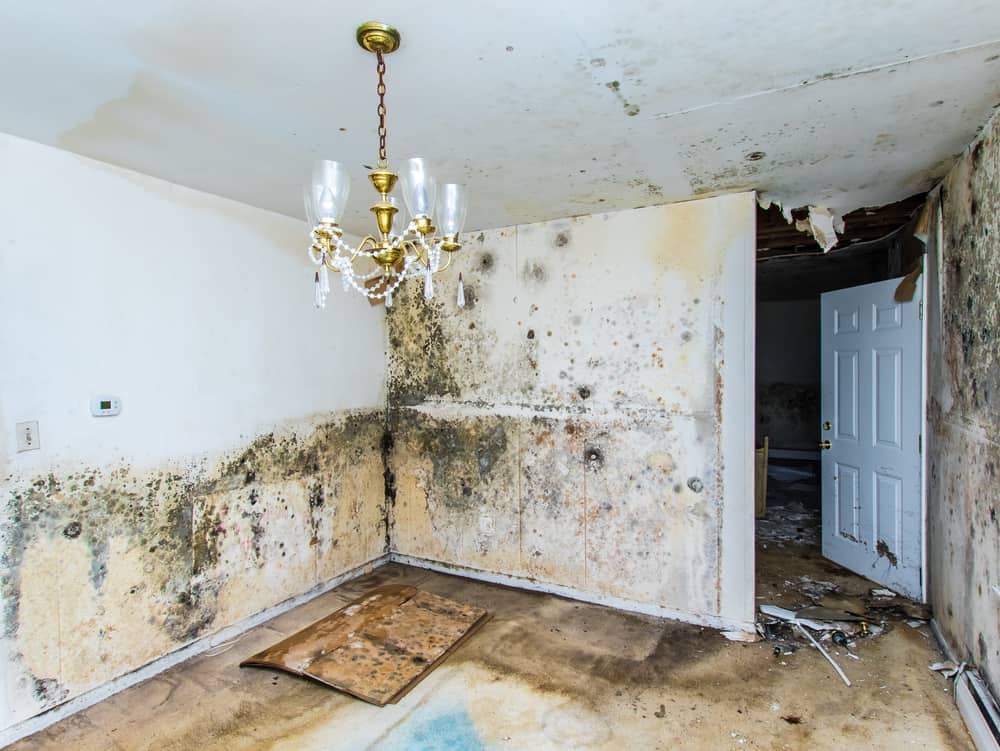
If your basement has ever taken on water even partially that’s reason enough to schedule an inspection. Flooded basement cleanup is a recognized, recurring issue in South Hempstead, and mold can establish itself in wall insulation, wood framing, and stored materials within 24 to 48 hours of a moisture event. Waiting to see if a smell develops is waiting too long. An inspection with infrared scanning and air sampling will tell you definitively whether you have a problem, where it is, and how serious it is before you’re dealing with a full remediation project.
Does mold inspection cover HVAC systems and attic spaces too?
Yes and in South Hempstead specifically, both of those areas deserve close attention. Attic mold is one of the most common and most overlooked problems in the Town of Hempstead’s older housing stock. Homes built in the 1950s and 60s often have inadequate ridge ventilation, which means warm, humid air from the living space rises into the attic and condenses on cold roof sheathing during winter months. That cycle, repeated over years, produces mold growth on the underside of the roof deck that homeowners never see until they’re doing a renovation or selling the house.
HVAC systems are a separate concern. Central air conditioning was retrofitted into most of South Hempstead’s original homes decades after construction, and the ductwork, air handler coils, and condensate drain lines in these systems are common mold sites. When mold grows inside an air handler or duct system, it circulates through every room in the house which is why occupants sometimes develop respiratory symptoms without finding any visible mold anywhere. A complete inspection includes both of these areas, not just the basement and main living spaces.
Is mold inspection required before buying or selling a home in Nassau County?
New York State does not legally require a mold inspection as part of a real estate transaction but in practice, it’s one of the most important steps you can take, especially in a market like South Hempstead where homes are selling at or above $820,000. If a standard home inspection turns up water staining, a musty odor, or any indication of past moisture intrusion, your real estate attorney will almost certainly recommend a professional mold assessment before closing.
For sellers, getting a mold inspection before listing gives you the ability to address any issues on your own terms rather than having them surface during a buyer’s inspection and trigger a renegotiation or deal collapse. For buyers, a clean mold inspection report is documentation that protects you after closing if a problem surfaces later. Given South Hempstead’s aging housing stock and the frequency of basement water intrusion events in the area, treating a mold inspection as a standard part of any transaction here is simply good financial sense.
What happens after the mold inspection do you also handle remediation?
Yes. We’re licensed for both mold assessment and mold remediation under New York State’s Article 32 framework which means if the inspection finds a problem, you don’t have to start over with a different company. The same team that identified the issue knows exactly what was found, where it is, and what the lab results showed. That continuity matters: remediation plans built directly from inspection findings are more accurate and more efficient than plans built from a second-hand report.
That said, the inspection and remediation are separate services with separate deliverables. The inspection report stands on its own it’s a certified lab-backed document that you own, and you’re free to get remediation quotes from multiple contractors if you prefer. We don’t use inspections as a pipeline to push remediation work you don’t need. If the results come back clean, we’ll tell you that clearly. If remediation is warranted, we’ll walk you through exactly what’s involved, what it will cost, and what the process looks like from start to finish no pressure, no inflated scope.
Useful Links
Other Services we provide in South Hempstead