
Mold Inspection in Springs, NY
When Your Home Sits Between Three Bodies of Water, Mold Doesn't Wait
Hear from Our Customers
Residential Mold Inspection, Springs NY
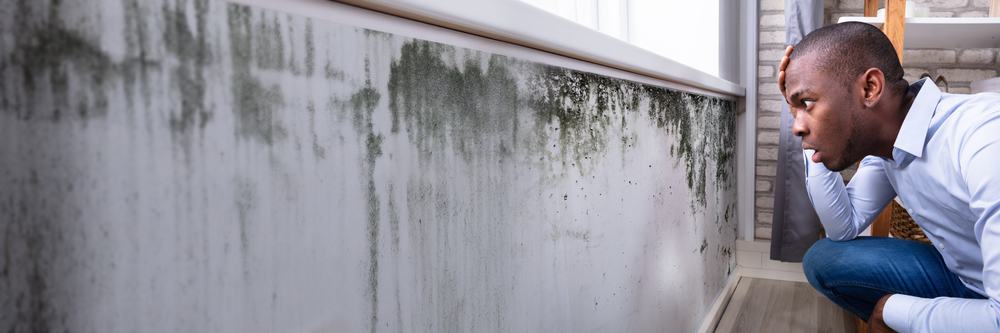
Mold doesn’t announce itself. It grows in the crawl spaces of older Springs cottages, behind the tile in seasonal homes that sat closed all winter, and inside wall cavities where coastal humidity has been quietly condensing for months. By the time you smell it, it’s already been there a while. A professional mold inspection tells you what’s actually there, where it started, and what it’s going to take to fix it without guessing.
For Springs homeowners specifically, the conditions here are not typical. You’re dealing with one of the most moisture-saturated environments on Long Island. Relative humidity regularly pushes past 80% during summer, and properties near Louse Point or Clearwater Beach deal with tidal moisture exposure that most mid-Island homes never see. Older homes in the Springs Historic District many built before modern vapor barriers existed are especially vulnerable. The inspection doesn’t just find mold. It identifies the moisture source driving it, which is the only way to make sure it doesn’t come back.
If you’re buying, selling, or reopening a seasonal property in Springs, documented lab-verified results also protect your investment. Mold can reduce a home’s resale value by 20 to 37 percent, and deals fall apart when buyers find out after the fact. Getting ahead of it puts you in control.
Licensed Mold Assessment Services, Springs NY
We’ve been serving Suffolk County homeowners since 1993. That’s not a throwaway line 31 years of active Long Island restoration work means we’ve inspected coastal properties, older wood-frame homes, and seasonally vacant structures across the South Fork many times over. We know what the marine air off Gardiner’s Bay does to a crawl space. We know what happens to an attic when a Springs home sits unheated through a nor’easter. We’ve handled the moisture problems that come with living between three harbors.
Every technician on our team holds IICRC certification not just the owner, every technician. We hold active New York State licenses for both mold assessment and mold remediation, both verifiable through the NY Department of Labor. When the inspection is done, you get a written report with accredited lab results, plain-language findings, and a clear path forward. No upselling. No manufactured urgency. Just an honest picture of what’s happening in your home.
Mold Detection Services in Springs, NY
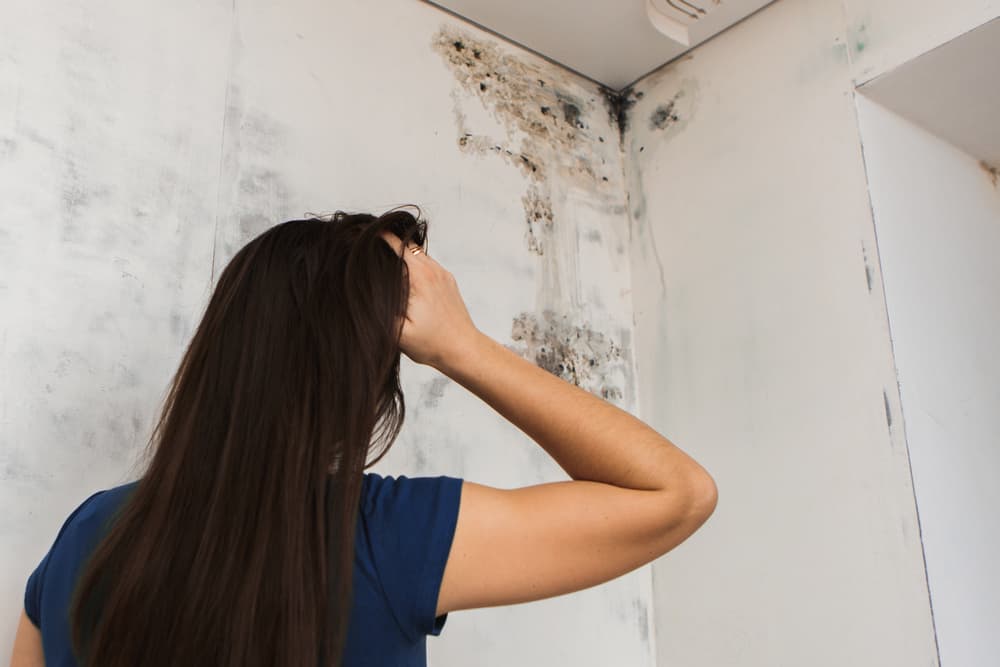
The inspection starts with a full walkthrough of the property interior and exterior to identify visible signs of mold, water intrusion, and moisture damage. For Springs properties, that means paying close attention to basements and crawl spaces where groundwater pressure is a known issue, attic spaces where older rooflines are vulnerable to ice dam infiltration in winter, and any areas that show evidence of past flooding or storm surge. Nothing gets skipped because it’s inconvenient to access.
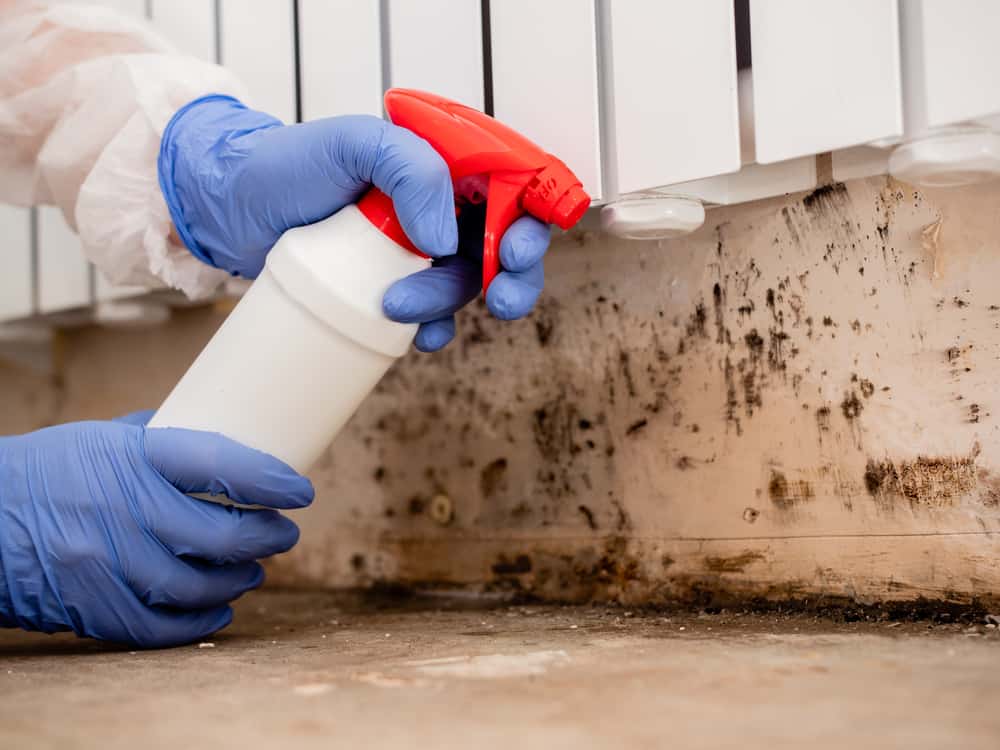
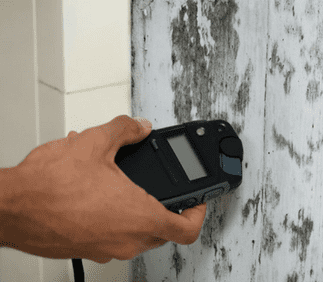
From there, we collect air samples throughout your home to measure airborne spore counts, and we take swab samples from any surfaces showing visible growth. Infrared thermal imaging is used to detect moisture hiding behind walls and under flooring the kind of mold that smells but doesn’t show. All samples go to a certified, accredited laboratory for analysis. You’re not getting a visual estimate or someone’s best guess. You’re getting documented, species-specific results.
Once the lab results are back, you receive a full written report: what was found, where it came from, how serious it is, and what remediation looks like if it’s needed. If work is required, we can handle it remediation, containment, and full reconstruction if walls or structural materials need to come out. East Hampton Town building permits are handled as part of the process when structural work is involved. You don’t have to manage multiple contractors or figure out the paperwork yourself.
Ready to get started?
Black Mold Testing and Indoor Air Quality, Springs NY
A mold inspection in Springs, NY through our team is a five-point assessment: air testing, surface swab sampling, water intrusion inspection, moisture level measurement across building materials, and full photographic documentation. Every point matters because mold problems in Springs rarely have a single source. A home near Three Mile Harbor might have basement moisture from groundwater, attic mold from a winter ice dam, and elevated airborne spore counts from a bathroom that’s been running without proper ventilation for years. The inspection accounts for all of it.
Indoor air quality testing for mold is included because airborne spores are often the first health signal before any visible growth appears. If someone in your household has been dealing with unexplained respiratory issues, persistent headaches, or allergy-like symptoms that don’t resolve, air sampling gives you objective data to work with. Toxic mold testing, including analysis for Stachybotrys what most people call black mold is part of the lab analysis on every job.
For seasonal homeowners reopening a Springs property after months of vacancy, the inspection is especially important. Unmonitored coastal homes accumulate moisture problems that compound quietly. For real estate transactions in East Hampton Town, the written report and lab documentation meet the standard that buyers, sellers, and their attorneys expect. Whether it’s a historic shingled cottage off Springs-Fireplace Road or a newer waterfront build near Accabonac Harbor, the inspection is built around what your specific property actually faces not a generic checklist.
How much does a mold inspection cost in Springs, NY?
The national average for a professional mold inspection runs between $303 and $1,043, depending on the size of the property, the number of samples collected, and whether specialized testing like infrared thermal imaging or extensive air sampling is involved. For Springs specifically, older homes with crawl spaces, finished basements, and attic access tend to require more thorough inspections than newer construction which affects time on-site and the number of samples needed for accurate results.
It’s worth framing the cost against what you’re protecting. Springs properties carry significant value, and mold that goes undetected can reduce a home’s resale value by 20 to 37 percent. A deal falling apart at closing because a buyer’s inspector found mold costs far more than the inspection itself. If remediation is needed, catching it early before it spreads into structural materials is the difference between a manageable project and a major one. The inspection cost is the smallest line item in that equation.
What are the most common signs of mold in a Springs home?
The most obvious sign is a musty smell that doesn’t go away especially in basements, crawl spaces, or rooms that don’t get much airflow. Visible dark spots on walls, ceilings, or grout lines are another clear indicator, though mold often grows in areas you can’t see before it ever appears on a surface you can. In Springs homes, pay attention to any areas near exterior walls, around window frames, and along the base of walls in below-grade spaces these are the zones where coastal moisture tends to infiltrate first.
Health symptoms are also a signal worth taking seriously. If household members are experiencing persistent respiratory irritation, worsening allergy symptoms, or unexplained headaches that seem to improve when they leave the house, elevated mold spore counts in the indoor air may be the cause. For seasonal homeowners returning to a Springs property in spring, a musty smell on arrival especially after a wet winter is reason enough to schedule an inspection before settling back in.
My Springs home has been vacant all winter. Do I need a mold inspection before moving back in?
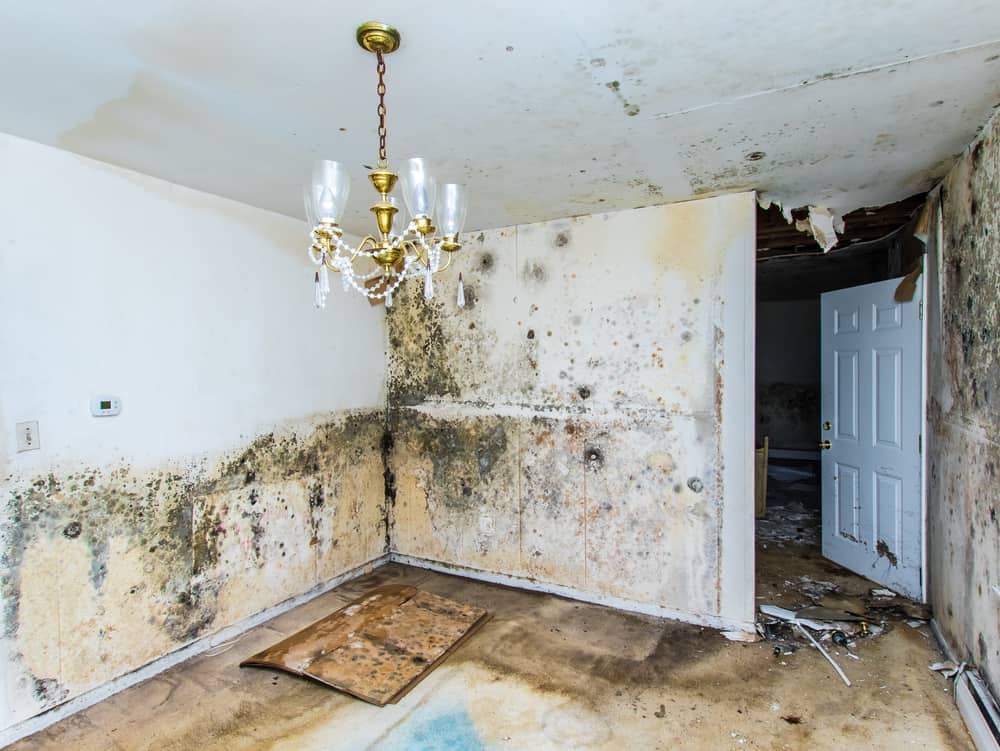
For a Springs property that’s been sitting unoccupied through fall and winter, a mold inspection before reopening is genuinely worth doing not as a precaution for its own sake, but because the conditions here make undetected mold growth during vacancy a real pattern, not a remote possibility. Coastal humidity off the harbors doesn’t stop when the heat goes off. Without climate control running consistently, moisture accumulates in crawl spaces, attics, and wall cavities throughout the colder months. If there was any water intrusion during a nor’easter or a freeze-thaw cycle, that moisture had months to sit undisturbed.
The inspection gives you a clear picture before you’re back inside breathing the air. If mold is found, it’s significantly easier and less expensive to address before the property is occupied again. If nothing is found, you have documented confirmation that the home is safe which is also useful for insurance purposes and for any upcoming real estate activity. Either way, you’re not guessing.
Does New York State require a license to perform mold inspections in Springs, NY?
Yes. Since January 1, 2016, New York State has required anyone performing mold assessment or mold remediation to hold an active license issued by the NY Department of Labor. These are two separate licenses one for assessment and one for remediation and a company needs both if they’re doing the full scope of work. This isn’t a technicality. Hiring an unlicensed inspector in New York means the results may not hold up for insurance claims, real estate disclosures, or legal purposes.
Before hiring any mold inspection company for your Springs property, verify their licenses directly through the NY DOL’s online licensed contractor search. It takes about two minutes and tells you exactly what credentials a company holds and whether they’re current. We hold both the NY State Mold Assessor license and the NY State Mold Remediator license. That’s the baseline any legitimate mold inspection company operating in East Hampton Town should be able to meet.
Can mold inspection results affect a real estate transaction in East Hampton?
Absolutely and it cuts both ways. For buyers, a professional mold inspection in Springs, NY before closing gives you documented evidence of what you’re purchasing. If mold is found, you have leverage to negotiate remediation costs or walk away with your deposit protected. If the inspection comes back clean, you have lab-verified documentation that the property was assessed by a licensed professional which carries more weight than a visual check from a general home inspector.
For sellers, having a clean mold inspection report on file before listing removes one of the most common deal-killers in the East Hampton market. Studies show that roughly half of potential buyers back out when they learn a property has had a mold problem even after remediation. Getting ahead of that with documented, accredited lab results puts you in a much stronger position. Real estate attorneys and agents in this market are increasingly recommending mold inspection as a standard step in transactions involving older or waterfront properties, which describes a significant portion of the Springs housing inventory.
What's the difference between mold inspection and mold remediation, and do I need both?
Mold inspection is the assessment phase it’s how you find out whether mold is present, what type it is, how concentrated it is, and where the moisture source is coming from. Remediation is the removal and treatment phase the actual work of eliminating the mold, addressing the moisture problem driving it, and restoring any materials that were damaged. Under New York State law, these are treated as separate licensed activities, which is part of why some companies only do one or the other.
Whether you need both depends on what the inspection finds. If the results come back clean or show only minor surface mold in an isolated area, remediation may be minimal or unnecessary. If the inspection identifies active growth inside wall cavities, in structural materials, or at elevated airborne spore counts throughout the home which is a realistic outcome for older Springs properties with years of coastal humidity exposure remediation is the next step. The advantage of working with us is that we’re licensed and equipped for both. If the inspection finds something that needs to be addressed, you don’t have to start over with a different company. The same team that assessed the problem can resolve it, through remediation and reconstruction if needed.
Useful Links
Other Services we provide in Springs