
Mold Inspection in Stewart Manor, NY
When a 90-Year-Old Home Stops Hiding Its Secrets

Hear from Our Customers
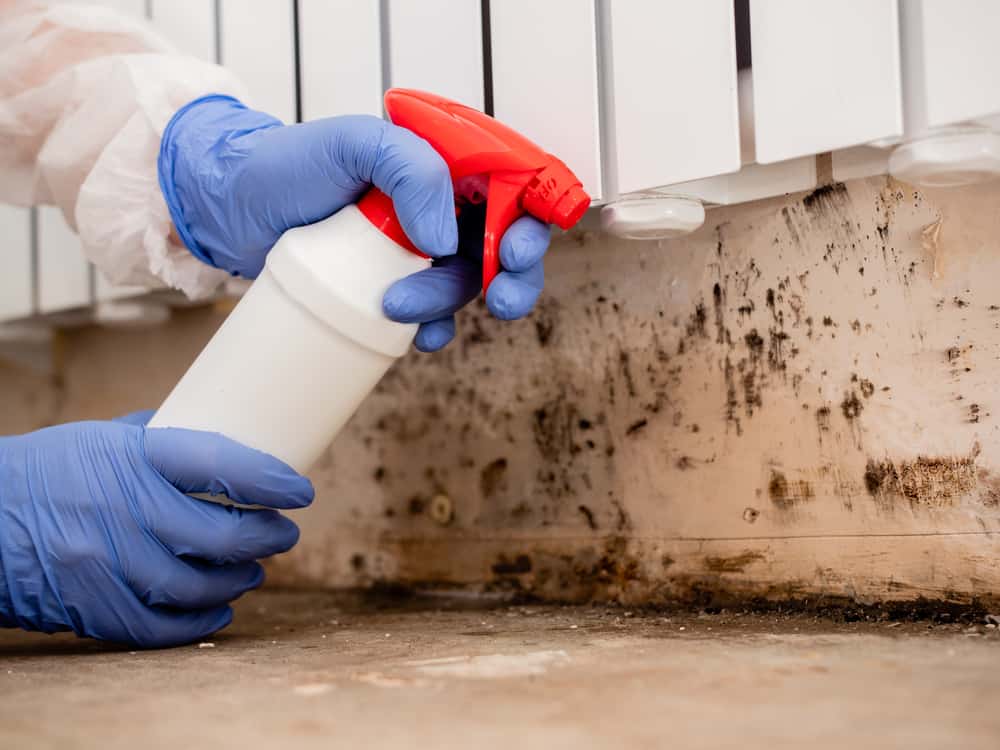
Mold Detection Services in Stewart Manor, NY
Most mold problems in Stewart Manor don’t announce themselves. They grow quietly inside a basement wall that’s been taking on water since the last nor’easter, in a Cape Cod attic where insulation was added over the decades without proper ventilation, or behind original plaster that’s been holding moisture for longer than you’ve owned the house. By the time you smell something or notice a stain, the colony is already established.
A certified mold inspection changes that dynamic. Instead of guessing, you get lab-confirmed answers: what species is present, how concentrated the spore levels are, where the moisture source is, and what needs to happen next. That documentation matters whether you’re dealing with an insurance claim, preparing for a home sale, or simply trying to understand why someone in your household keeps waking up congested.
Stewart Manor’s housing stock predominantly built between the 1920s and 1950s wasn’t constructed with today’s moisture barriers or vapor management standards. These homes were built to a different era’s code, and they age accordingly. Our professional inspection accounts for that reality. You get a report that reflects what’s actually happening inside your specific home, not a generic checklist.
Mold Inspection Company Serving Stewart Manor, NY
First Response Restoration and Cleaning Inc. has been serving Nassau and Suffolk County homeowners for over 31 years. That’s not a number we throw around lightly it means we’ve inspected homes throughout Stewart Manor and the Greater Garden City corridor through every storm season, every humidity spike, and every aging-infrastructure scenario Long Island produces. We know what a 1940s Colonial basement looks like when it’s been seeping for years. We know what a Cape Cod attic does in a wet summer because we’ve been inside thousands of them.
Every technician on our team is IICRC-certified not just the owner. Richard Peterson, who leads the company, is personally licensed under New York State’s Article 32 of the Labor Law for both mold assessment and mold remediation. We’re fully licensed, bonded, and insured, and we carry a dedicated Nassau County line at 516-698-1776.
We do inspection and remediation under one roof, which means if we find something, you don’t have to start over with a different company. The same team that writes your report can execute the fix and we’re accountable to both.
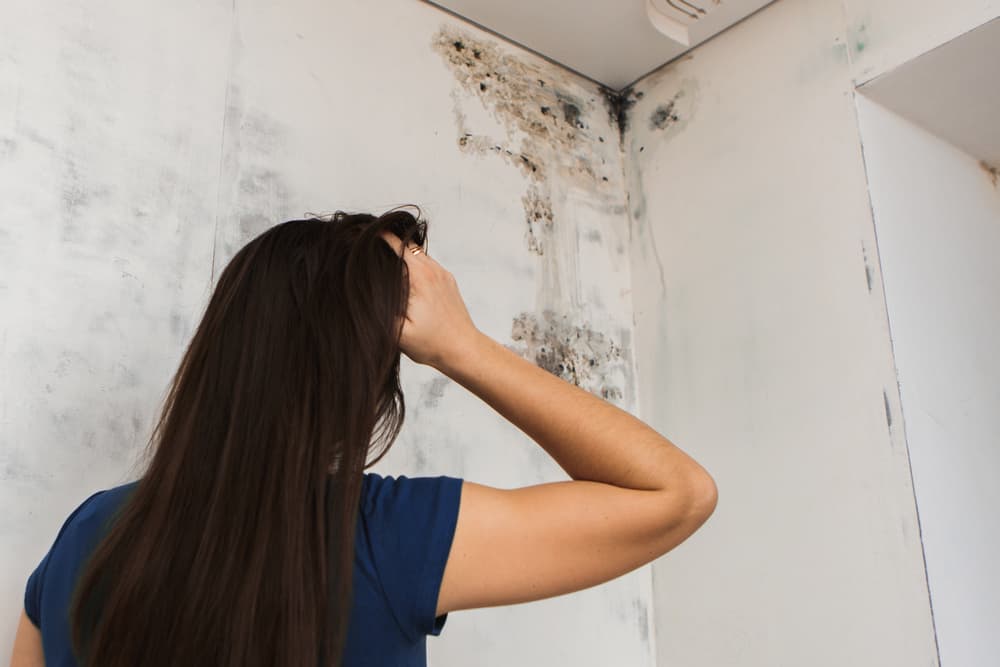
Indoor Air Quality Testing for Mold in Stewart Manor
When you schedule a mold inspection in Stewart Manor, NY, we show up with a defined five-point protocol not a walk-through and a flashlight. We start with air sampling throughout your home, pulling internal air quality data and comparing it against outdoor baseline levels to identify whether spore concentrations inside are elevated beyond what’s naturally present outside. That comparison is what separates a real assessment from a single-sample guess.
From there, we take surface swab samples from any visible mold or suspect areas, measure moisture levels throughout the property, and run a full water intrusion inspection to identify the source because mold doesn’t grow without a reason, and treating the symptom without finding the cause is a short-term fix. We also use infrared thermal imaging to detect moisture signatures behind walls and ceilings that a visual inspection would never catch. In homes built before 1960, that step alone regularly changes the scope of what we find.
All samples go to a certified third-party laboratory. When the results come back, you receive a written report that includes species identification, spore concentration levels, photographs of every identified mold source, moisture readings, and specific recommended next steps. New York State’s Article 32 requires that any mold assessment in Stewart Manor be performed by a licensed mold assessor our license covers that requirement in full. The report you receive meets the documentation standards required by insurers, real estate attorneys, and health professionals.
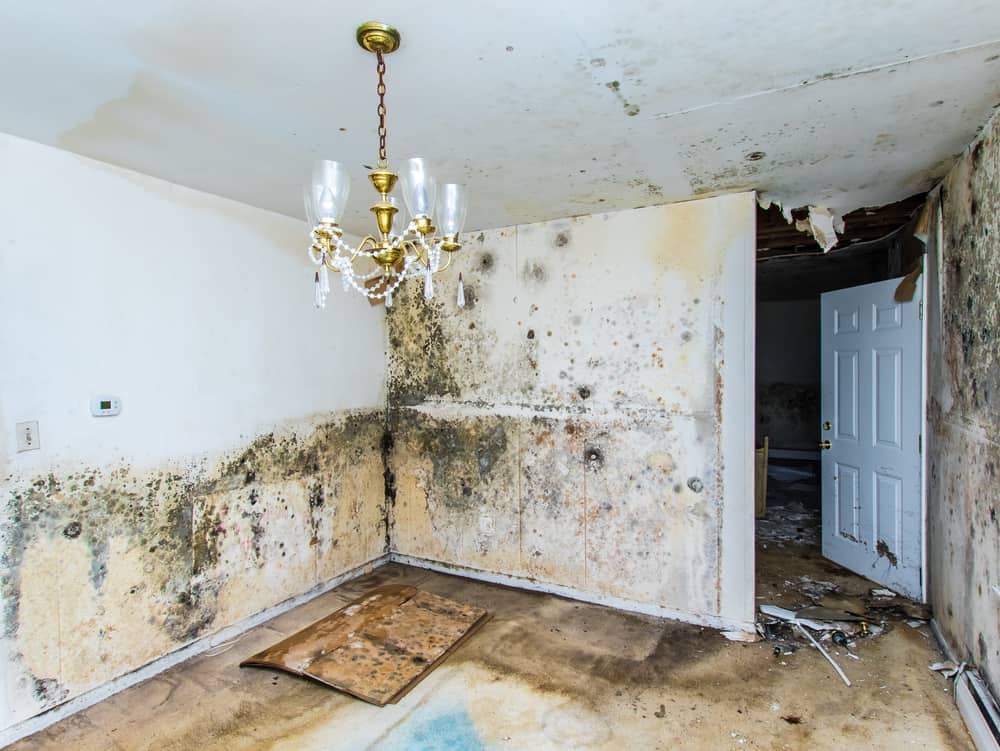
Ready to get started?
Residential Mold Inspection Services in Stewart Manor, NY
The inspection covers your full property basement to roofline. In Stewart Manor’s older housing stock, that means we pay particular attention to the zones that accumulate the most risk: full basements with older or absent waterproofing membranes, Cape Cod attic configurations with limited airflow, HVAC systems in homes where ductwork hasn’t been evaluated in years, and any area that’s had prior water damage. We don’t inspect only where you point us we inspect where the risk actually lives.
What you receive at the end is a certified lab report with mold species identification and spore count data, a written assessment with moisture readings and water intrusion findings, infrared scan documentation where applicable, photographs of all identified mold sources, and a clear set of recommended remediation steps if mold is confirmed. This is the documentation package that holds up with Nassau County insurance adjusters, real estate attorneys handling transactions in the $700,000–$900,000 range common to Stewart Manor, and health professionals evaluating exposure concerns.
If remediation is needed after the inspection, we handle that too same company, same team, no handoff. For Stewart Manor homeowners who’ve dealt with post-storm basement flooding, discovered attic staining, or are preparing a home for sale, this end-to-end capability matters. You get one point of contact, one accountable team, and a process that doesn’t stop at the report.
How much does a mold inspection in Stewart Manor, NY typically cost?
Professional mold inspection pricing in the Stewart Manor area generally falls between $300 and $700 for a standard residential assessment, though that range can shift depending on the size of the home, the number of sample locations, and whether infrared scanning is included. Homes in Stewart Manor’s older housing stock particularly those built in the 1920s through 1950s often require more thorough sampling because the risk zones are more numerous and less accessible than in newer construction.
It’s worth understanding what that cost actually covers. A certified inspection includes lab analysis, a written report with species identification and spore concentration data, moisture measurements, and water intrusion findings. That report is the document your insurance company, real estate attorney, or health professional will reference and it has to meet a professional standard to be useful. A $30 store-bought test kit doesn’t produce that. The inspection cost is also the lowest-dollar intervention in the chain: catching a mold problem early is significantly less expensive than remediating one that’s been growing undetected for months.
What's the difference between mold testing and a full mold inspection?
Mold testing typically refers to collecting air or surface samples and sending them to a lab it tells you whether mold is present and at what concentration. A full mold inspection goes further: it identifies the moisture source driving the growth, measures humidity and moisture levels throughout the property, uses tools like infrared imaging to find hidden colonies, and produces a written assessment with specific remediation recommendations. Testing gives you data. An inspection gives you a complete picture.
For homeowners in Stewart Manor, the distinction matters practically. A positive air test result without a source investigation leaves you knowing you have a problem but not where it’s coming from or how extensive it is. In a home built in the 1940s with original plumbing, a basement that’s absorbed decades of groundwater pressure, and a Cape Cod attic that may have inadequate ventilation, the source could be in multiple locations. A full inspection finds them all not just the one that’s visible.
Can mold grow in my Stewart Manor home even if I don't see any visible signs?
Yes and in Stewart Manor’s older homes, that’s actually the more common scenario. Mold frequently establishes itself inside wall cavities, beneath flooring, inside HVAC ductwork, and in attic insulation layers that have been built up over decades. None of those locations are visible during a normal walk-through of your home. By the time you notice a musty odor or a stain on the ceiling, the colony behind it has typically been growing for weeks or months.
Long Island’s humid continental climate creates sustained indoor mold risk throughout the warmer months, and Stewart Manor’s housing stock amplifies that risk. Homes built before 1960 lack modern vapor barriers, which means moisture migrates through foundation walls and building assemblies in ways that newer construction resists. Infrared thermal imaging part of our inspection protocol detects the moisture signatures behind walls and ceilings that indicate active mold growth without requiring any demolition. It’s one of the most important tools we bring to homes in this area, and it regularly identifies issues that a visual inspection alone would miss entirely.
Does New York State require a licensed inspector for mold assessment in Stewart Manor?
Yes. New York State’s Article 32 of the Labor Law has required all mold assessors and mold remediators to hold a valid New York State Department of Labor license since January 1, 2016. This applies to any mold assessment work performed in Stewart Manor, regardless of the size of the project or the scope of the work. Unlicensed mold work in New York can result in fines of up to $10,000, and reports produced by unlicensed individuals carry no legal standing for insurance claims or real estate transactions.
Before hiring any mold inspection company in Nassau County, ask to see their Article 32 license number and verify it directly with the NYS DOL. We are fully licensed under this framework Richard Peterson holds personal licensure in both mold assessment and mold remediation. That matters when you’re filing a claim with your homeowners insurance, navigating a real estate transaction on a Stewart Manor property, or presenting findings to a health professional. The license isn’t a formality it’s what makes the report legally usable.
How long does a mold inspection take for a typical Stewart Manor home?
For most residential properties in Stewart Manor, a thorough mold inspection takes between two and four hours. The actual time depends on the size of the home, the number of areas flagged for sampling, and whether infrared scanning identifies additional zones that need closer evaluation. A smaller Cape Cod on one of Stewart Manor’s streets will generally move faster than a larger Colonial with a finished basement, an unfinished attic, and an older HVAC system.
After the on-site inspection, lab processing typically takes two to five business days, after which you receive your written report with certified results. We know Stewart Manor residents often work long commutes many using the Hempstead Branch line out of the Stewart Manor station so we work to schedule inspections at times that don’t require you to rearrange your entire week. We give you a specific appointment window, not a four-hour arrival range, and we communicate clearly if anything changes.
Should I get a mold inspection before buying a home in Stewart Manor, NY?
For a home in Stewart Manor, a pre-purchase mold inspection is one of the most straightforward protective steps you can take. The village’s housing stock is predominantly 70 to 100 years old, and standard home inspections while useful are not mold assessments. A general inspector will note visible staining or obvious moisture damage, but they won’t take air samples, run lab analysis, use infrared imaging to check inside wall cavities, or produce a certified report on mold species and spore concentrations. Those are different disciplines with different tools.
When you’re purchasing a property in Stewart Manor at the median price point of roughly $800,000, a few hundred dollars for a certified mold inspection is a rational part of your due diligence. If the inspection comes back clean, you close with confidence. If it identifies an issue, you have documented, lab-backed findings that can support a price negotiation, a remediation contingency, or a decision to walk away none of which a verbal assessment from a general inspector can provide. We work within real estate transaction timelines regularly and can typically schedule and complete the inspection and lab report before your contingency window closes.
Useful Links
Other Services we provide in Stewart Manor