
Mold Inspection near Stony Brook University, NY
When Mill Pond Floods Your Street, Your Walls Remember
Hear from Our Customers
Home Mold Testing near Stony Brook University, NY
Most homeowners in the Stony Brook area don’t discover mold because they see it. They discover it because something feels off a persistent musty smell, unexplained allergy symptoms, or a home inspector flagging moisture during a sale. By the time it’s visible, it’s usually been growing behind walls or under floors for months.
That’s the real problem with mold in North Shore homes. The coastal air coming off Long Island Sound keeps humidity elevated year-round, and older homes throughout the Three Village area many built before modern vapor barriers were standard give moisture nowhere to go. It settles into framing, insulation, and drywall, and stays there.
What changes after a proper mold inspection is simple: you know. You know what’s there, where it is, what species it is, and what the moisture source driving it actually is. That’s not just peace of mind it’s the documented evidence you need for an insurance claim, a real estate transaction, or a remediation contractor to do their job right. Homes in the Three Village School District carry serious value. Knowing what’s inside yours protects it.
Licensed Mold Assessor near Stony Brook University, NY
First Response Restoration and Cleaning Inc. has been doing this work on Long Island for over 31 years. That’s not a number we throw around lightly it means we’ve been inside homes in Suffolk County through every major storm, every flood season, and every wave of post-construction moisture issues this region has produced. We know the North Shore. We know what the Sound does to homes that sit close to it.
Richard Peterson owns and operates the company out of West Babylon, and every technician on our team not just the principal carries IICRC certification. We hold both a NY State Mold Assessor License and a NY State Mold Remediator License, both required by law since 2016 and both verifiable through the NY Department of Labor’s public database. We also carry full liability insurance and bonding.
We already serve the Stony Brook University area and the surrounding Three Village communities. This isn’t a new market for us it’s a community we’ve been working in for decades, and one we take seriously.
Mold Assessment Services near Stony Brook University, NY
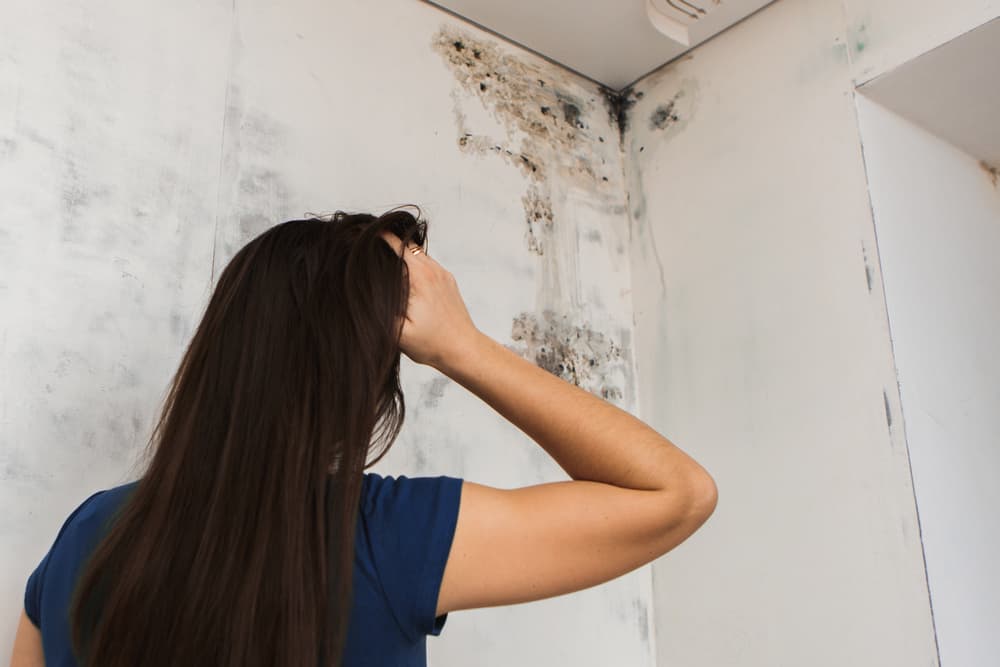
When you call, we schedule a time that works for you and dispatch a certified technician to your property. The inspection starts with a full walkthrough we’re looking at visible surfaces, but more importantly, we’re looking for conditions that suggest hidden moisture: staining patterns, bubbling paint, soft spots, and odor concentrations that point to activity behind the wall.
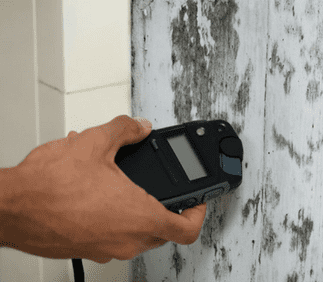
From there, we collect air samples to measure airborne spore concentrations and swab samples from any visible mold growth for species identification. We use calibrated moisture meters throughout the property and infrared thermal imaging to detect moisture in areas you can’t see inside walls, under floors, above ceilings. This matters especially in older homes near Harbor Road and the Stony Brook Village area, where construction predates the building standards that most new homes take for granted.
Every sample goes to a certified, accredited laboratory. When results come back, you receive a full written report: mold types identified, spore counts, moisture source findings, photographic documentation, and specific recommended next steps. That report is written in plain language and formatted to hold up to insurance adjuster review, real estate due diligence, and legal scrutiny if it ever comes to that. New York State law also requires that the mold assessment and any subsequent remediation be handled under separate licenses we hold both, so if remediation is needed, there’s no gap in the process.
Ready to get started?
Indoor Air Quality Testing near Stony Brook University, NY
Residential mold inspection near Stony Brook University covers the full scope of what a home here actually faces. That means air testing, surface sampling, moisture mapping, thermal imaging, and a lab-verified written report not a verbal summary and a handshake. If you’re buying or selling a home in the Three Village School District, that report is what gives buyers confidence and protects sellers from post-closing disputes.
For homeowners who experienced flooding in August 2024 or during Hurricane Ida in 2021, we target the specific areas most likely to have retained moisture: basements, crawl spaces, wall cavities adjacent to exterior exposure, and HVAC systems that may have cycled humid air through the property for months. Attic mold inspection is included where access allows ice damming on older rooflines during winter freeze-thaw cycles is a known moisture entry point in this area that often goes undetected until the damage is significant.
We also handle commercial mold inspection near Stony Brook University for rental properties, offices, and mixed-use buildings. If you’re a landlord managing off-campus rental housing a substantial segment of the local market given Stony Brook University’s student population documented mold assessment protects you from liability and gives tenants the transparency they’re entitled to. Black mold testing and toxic mold testing are part of every inspection, not add-ons.
How do I know if my Stony Brook home has mold after the 2024 flooding?
The August 2024 storm was severe enough that even homes that didn’t take on visible standing water may have experienced moisture intrusion through foundation seams, window wells, or saturated soil pressing against basement walls. Mold doesn’t need a flood it needs sustained moisture above 60% relative humidity for 24 to 48 hours, which that storm delivered across most of the North Shore.
Signs to watch for include a musty or earthy smell that wasn’t there before, new condensation on interior walls or windows, discoloration on drywall or ceilings, and unexplained respiratory symptoms or headaches in household members. The problem is that mold in the early stages is often invisible it’s growing inside wall cavities, under flooring, or inside insulation where you’d never think to look.
The only way to know for certain is a professional mold inspection that includes air sampling and thermal imaging. A visual check alone including one done by a general contractor or a handyman is not sufficient to rule out hidden mold growth. If your property was anywhere near the flooding that damaged Harbor Road or the Mill Pond area, a professional assessment is worth doing before the next heating season begins.
What does a professional mold inspection near Stony Brook University actually include?
A professional mold inspection is not a visual walkthrough. We collect air samples from inside the property and compare spore concentrations to outdoor baseline levels, swab any visible mold for laboratory species identification, use calibrated moisture meters to map wet areas throughout the structure, and deploy infrared thermal imaging to find moisture hidden behind walls, under floors, and above ceilings.
Every sample we collect is sent to a certified, accredited laboratory not evaluated on-site with a kit. The results come back as a formal written report that documents mold types found, spore concentration levels, moisture source identification, photographic evidence, and specific remediation recommendations. That report is structured to hold up to insurance adjuster review, real estate attorney scrutiny, and legal proceedings if necessary.
What you’re paying for is certainty. Not a best guess, not a verbal assessment a documented, lab-verified picture of what is actually happening inside your home. For homeowners in the Three Village area managing properties worth $500,000 or more, that level of documentation is not excessive it’s appropriate.
How much does mold inspection cost near Stony Brook University, NY?
Mold inspection costs in the Stony Brook University area typically range from $300 to $1,000 depending on the size of the property, the number of samples collected, and whether specialized testing like thermal imaging or HVAC sampling is included. Most residential inspections for a single-family home in the Three Village area fall in the $400 to $700 range.
It’s worth putting that number in context. The national average cost of mold remediation once mold is confirmed and needs to be removed runs from $1,150 to over $20,000 depending on the extent of the damage. Documented mold problems can also reduce a home’s market value by 20% or more, which on a $500,000 Three Village property represents a six-figure exposure. The inspection cost is a small fraction of what you’d spend reacting to a problem that wasn’t caught early.
Also worth knowing: some homeowner’s insurance policies will cover mold inspection costs when there’s a documented water loss event like the August 2024 flooding. We provide the written documentation that insurance adjusters need to process those claims, so the inspection often pays for itself.
Can mold grow in a home that doesn't look or smell like it has a problem?
Yes and this is one of the most common misconceptions homeowners have. Mold can grow extensively inside wall cavities, beneath flooring, inside HVAC ductwork, and within attic insulation without producing any visible surface signs or detectable odor at normal living conditions. By the time you smell it or see it, the colony is typically well established and has been growing for weeks or months.
In the Stony Brook area specifically, several conditions make hidden mold more likely than most homeowners realize. The coastal humidity from Long Island Sound keeps indoor moisture levels elevated, especially in homes without mechanical dehumidification. Older homes throughout the Stony Brook hamlet and East Setauket many built in the mid-20th century or earlier have construction details like plaster walls, original wood framing, and minimal vapor barriers that trap moisture inside the building envelope. Attic spaces with inadequate ventilation are particularly vulnerable during winter, when warm air from living spaces meets cold roof decking and condenses.
Air sampling during a professional inspection captures what your nose can’t elevated airborne spore concentrations that indicate active mold growth somewhere in the structure, even when the source isn’t yet visible. That’s the diagnostic value of the process.
Do I need a mold inspection before buying a home near Stony Brook University?
A standard home inspection does not include mold testing. Most general home inspectors are trained to identify visible water staining or obvious moisture damage, but they are not equipped to collect air samples, conduct thermal imaging, or send samples to an accredited laboratory for species identification. If mold is present but not yet visible which is common in the North Shore’s humid climate a standard inspection will not catch it.
For buyers purchasing in the Three Village School District, where median home values consistently range from $455,000 to over $600,000, a separate mold inspection before closing is a straightforward risk management decision. It gives you documented information about the property’s environmental condition before you’re legally committed to it. If mold is found, you have leverage to negotiate remediation costs or walk away. If it’s clean, you close with confidence.
Sellers benefit from pre-listing mold inspections for the same reason a clean report removes a common deal-killer from the table before buyers have a reason to raise it. In a competitive market like the Three Village area, that kind of transparency can accelerate a sale.
Is mold inspection near Stony Brook University different for rental properties near campus?
It’s the same inspection process, but the context and stakes are different. Rental properties near Stony Brook University particularly older homes converted to multi-unit occupancy for students tend to have higher occupancy density, more variable maintenance histories, and less consistent HVAC management than owner-occupied homes. Those factors combine to create conditions where moisture problems develop faster and go unreported longer.
New York State law gives tenants the right to a habitable living environment, and mold that affects indoor air quality can create legal exposure for landlords if it’s documented and not addressed. A professional mold inspection provides the baseline documentation that protects both parties tenants get confirmation of what they’re living with, and landlords get a defensible record showing the property’s condition was professionally assessed.
For landlords managing multiple units in the Stony Brook area, we offer commercial mold inspection services that cover the full property in a single visit, with individual reports per unit if needed. Given that approximately half of Stony Brook University’s 26,000 students live off campus, the off-campus rental market here is substantial and the liability exposure for landlords who don’t stay ahead of moisture and mold issues is real.
Useful Links
Other Services we provide in Stony Brook University