

Hear from Our Customers
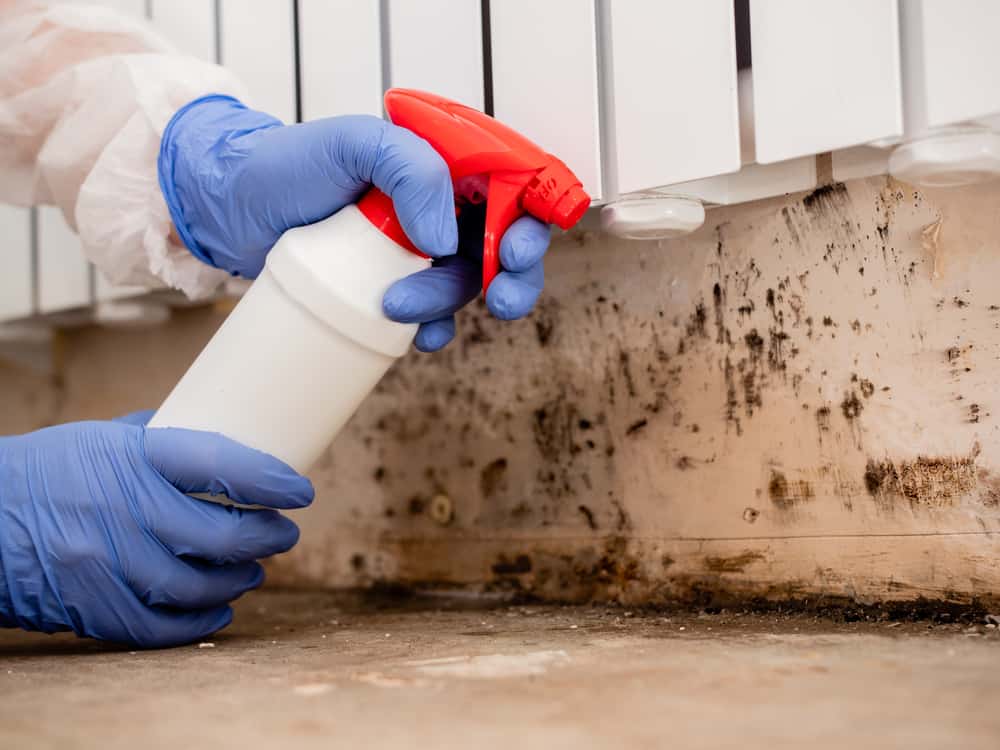
Most people calling about mold aren’t panicking over nothing. They’ve noticed something — a smell that won’t leave, a patch on the basement wall, a kid who keeps coughing — and they want a straight answer. That’s what a professional mold inspection in Uniondale, NY gives you: not a guess, not a sales pitch, but a certified lab-backed report that tells you what’s there, where it’s coming from, and what needs to happen next.
Uniondale’s housing stock is old. The average home here is around 78 years, and a significant portion of those properties were built before modern ventilation codes, vapor barriers, or insulation standards existed. That means moisture has had decades to find its way into attic spaces, basement walls, and wall cavities — often without leaving a single visible sign. Homes near the Hempstead Turnpike corridor, older Colonials and Tudors throughout the hamlet, and properties that have seen repeated basement flooding after nor’easters are especially vulnerable.
When the inspection is done right, you walk away knowing whether you have a real problem or not. If you do, you know the scope. If you don’t, you have the documentation to prove it — which matters whether you’re filing an insurance claim, navigating a real estate transaction, or simply trying to make sure your family is breathing clean air.
We’ve been working in Nassau County homes since before most of Uniondale’s current residents moved here. Over 31 years, our owner Richard Peterson has built a company where every technician — not just the owner — holds IICRC certification, the industry’s gold standard for mold inspection and remediation. Richard personally holds a New York State Department of Labor license in both mold assessment and mold remediation, which is legally required under Article 32 of the NY Labor Law for anyone doing this work for pay in New York.
That matters in a community like Uniondale, where the homes around Hofstra University and throughout the hamlet’s residential core are aging, dense, and prone to the kind of hidden moisture problems that unlicensed operators miss entirely. You’re not getting a franchise call center or a lead-gen company — you’re getting a Long Island operation with three decades of real work behind it and the credentials to back every finding with certified lab results.
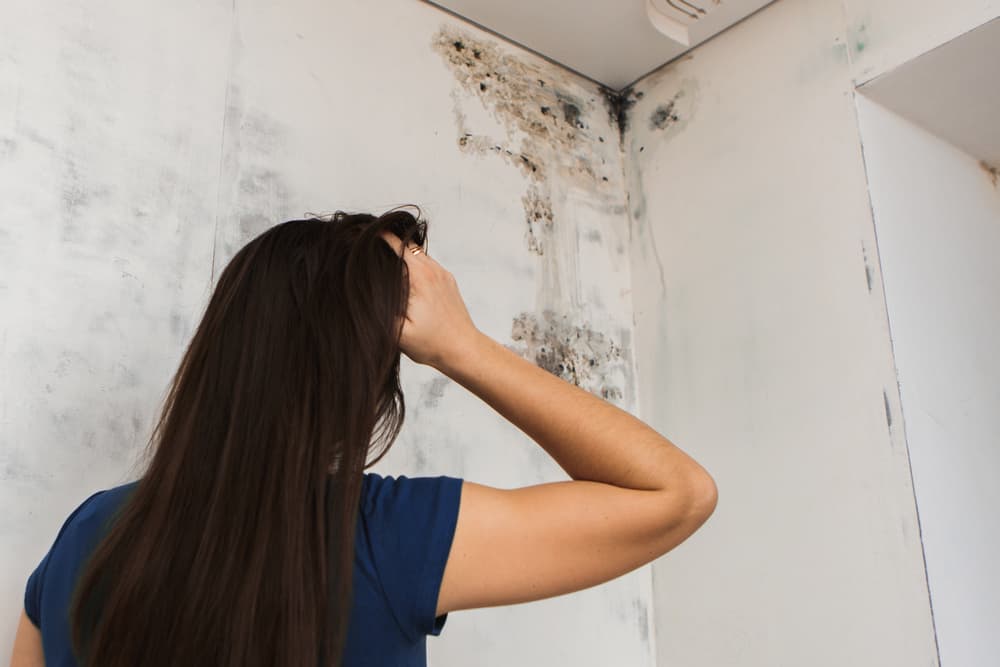
The inspection starts before anyone touches a wall. A certified technician walks the property, looking at the full picture — roof condition, basement foundation, HVAC system, visible moisture staining, and any areas you’ve flagged as concerns. In Uniondale’s older Colonial and Tudor-style homes, that walkthrough often reveals clues that homeowners have lived with for years without connecting to a mold risk: a musty smell in the attic, discoloration around a window frame, a basement wall that feels damp after rain.
From there, our five-point inspection protocol covers air testing, surface swab sampling, moisture level measurement, water intrusion source identification, and photographic documentation. Air samples are collected from inside the home and compared against outdoor baseline levels — that comparison is what tells you whether the spore counts inside are actually elevated, not just present. Infrared thermal imaging is used to detect moisture behind finished surfaces without opening walls, which is critical in homes where mold has been growing unseen inside a cavity for months.
Everything collected goes to a certified laboratory. The written report you receive includes mold species identification, spore concentration levels, and specific remediation recommendations. Under New York State law, the technician who performs your mold assessment cannot be the same individual who performs remediation on the same property — and our process is built to comply with that requirement. You get a clean, independent assessment you can take anywhere.
Ready to get started?
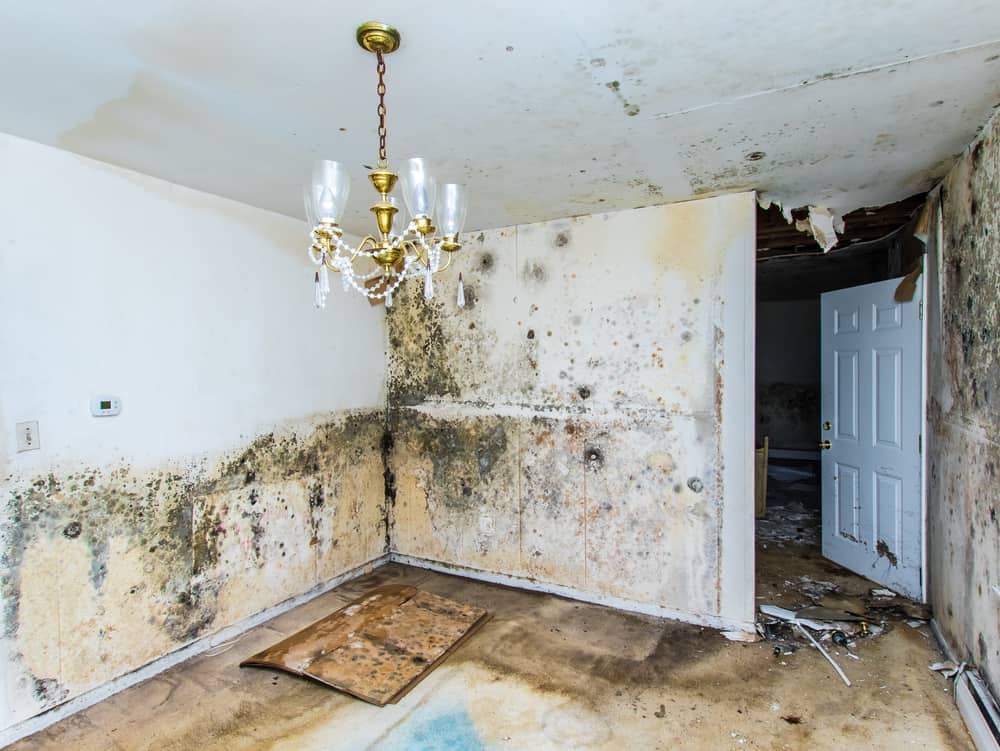
Residential mold inspection in Uniondale, NY isn’t the same job it is in a newer suburb. The homes here — many of them built in the 1940s with original plumbing, under-ventilated attics, and block foundation basements — carry moisture risk that newer construction simply doesn’t have. Attic mold inspection in Uniondale, NY often uncovers colonies that have been growing for years behind original insulation, fed by summer humidity and winter condensation from inadequate ventilation. Basement mold inspection in Uniondale, NY is equally critical, especially in properties that have experienced flooding from nor’easters or storm-related groundwater seepage.
The inspection covers every area where moisture can accumulate: attics, basements, crawl spaces, bathrooms, kitchens, around HVAC systems, and inside wall cavities detected through infrared imaging. For landlords managing rental units near Nassau Community College or Hofstra University, we offer commercial mold inspection in Uniondale, NY following the same certified protocol — with documentation that satisfies both tenant concerns and property management obligations under New York State law.
Indoor air quality testing for mold in Uniondale, NY is included as part of the inspection, not offered as an add-on. The air sampling component is what separates a real assessment from a visual walkthrough — it’s how you confirm whether mold spores are circulating through the living space even when no visible growth is present. Every result is lab-certified and delivered in a written report you can use for insurance claims, real estate transactions, or landlord-tenant documentation.
The cost of mold inspection in Uniondale, NY typically falls between $300 and $1,000 depending on the size of the home and the scope of testing required. Nationally, the average runs around $670, but in Nassau County’s market — where cost of living is significantly higher than the national average — pricing toward the upper end of that range is common for a thorough, lab-backed inspection.
What’s worth understanding is what you’re actually paying for. A certified inspection with air sampling, surface swabs, infrared scanning, and a written lab report is a fundamentally different service than a visual walkthrough or a store-bought test kit. The lab report alone — which identifies mold species, spore concentration levels, and remediation recommendations — is what insurance adjusters, real estate attorneys, and Nassau County health officials will actually accept. Given that mold remediation in this area can run anywhere from $1,500 to $10,000 or more depending on the extent of the problem, the inspection cost is the smallest number in the equation. Knowing early is almost always cheaper than finding out late.
The most obvious sign is visible mold — dark patches on walls, ceilings, or grout lines that keep coming back no matter how many times you clean them. But visible mold is often the last thing to appear, not the first. A persistent musty smell in a basement or attic, a family member with unexplained respiratory symptoms or worsening allergies, or a home that experienced any kind of water intrusion — flooding, a pipe leak, roof damage — are all strong indicators that a professional mold inspection is warranted.
In Uniondale specifically, the combination of older housing stock and a humid subtropical climate creates conditions where mold can establish itself inside wall cavities, beneath flooring, and inside attic insulation without producing any visible sign for months. Homes that have experienced basement flooding after heavy storms — which is a recurring issue in this part of Nassau County — are particularly high-risk in the weeks and months following a water event, even if the basement appeared to dry out. If you’ve had any water in the home and didn’t have a professional drying and assessment done within 48 hours, an inspection now is the right call.
It depends on the cause. Most standard homeowners insurance policies in New York will cover mold inspection and remediation when the mold is a direct result of a covered peril — a sudden pipe burst, storm-related flooding, or an appliance failure, for example. What they typically won’t cover is mold that resulted from long-term moisture issues, deferred maintenance, or gradual leaks that went unaddressed over time.
The key factor in making a successful claim is documentation. Insurance adjusters require a certified written report — with lab results, mold species identification, and a clear link between the moisture source and the mold growth — before approving remediation costs. A verbal assessment or a visual walkthrough doesn’t meet that bar. Our inspection process produces exactly the documentation that Nassau County insurance adjusters require, which is especially important in post-storm situations where multiple claims are being filed simultaneously and adjusters are working quickly. Getting your documentation in order early puts you in a much stronger position.
Store-bought mold test kits are designed to tell you whether mold spores are present in your home. The problem is that mold spores are present in virtually every home — they exist naturally in outdoor air and drift indoors constantly. A DIY kit can’t tell you whether the concentration inside your home is elevated compared to outdoor baseline levels, what species of mold is present, where the source is, or how far the growth has spread. It gives you a yes-or-no answer to a question that requires a much more detailed response.
A certified professional mold inspection collects air samples from multiple locations inside the home and compares them against outdoor baseline samples taken the same day. That comparison is what reveals whether you have an actual problem. Surface swabs identify specific mold species — which matters because some species require more aggressive remediation protocols than others. Infrared thermal imaging locates moisture behind finished surfaces without opening walls. And the written lab report that results from all of this is the only document that carries weight with insurance companies, real estate attorneys, and Nassau County health officials. For a real estate transaction involving a Uniondale home, a DIY kit result will not satisfy any professional requirement — a certified report will.
Yes — and this is one of the most common misconceptions homeowners have. You don’t need a flood to grow mold in a basement. All you need is moisture, and Uniondale’s older housing stock provides multiple pathways for moisture to accumulate without any visible water event. Block foundation walls in mid-century homes are porous — they allow groundwater to seep through slowly, especially after heavy rain, without producing standing water. Condensation from temperature differentials between a cool basement floor and warm humid summer air is another source. An aging water heater, a slow drip from overhead plumbing, or an HVAC system that isn’t draining properly can each sustain enough moisture to support mold growth over time.
Uniondale’s humid subtropical climate means indoor humidity regularly exceeds 60% during summer months — the threshold at which mold can begin growing within 24 to 48 hours given an available surface. In a basement that isn’t actively dehumidified, that condition can persist for weeks at a stretch. Basement mold inspection in Uniondale, NY covers all of these scenarios: moisture level measurement at the foundation, infrared scanning for moisture behind finished walls, air quality sampling, and water intrusion source identification — not just a visual check for visible growth.
A standard home inspection will often flag visible mold or obvious moisture damage, but it’s not a mold inspection. Home inspectors are generalists — they’re not trained or equipped to collect air samples, identify mold species, measure moisture levels behind finished surfaces, or produce a certified lab report. If a home inspector notes “possible mold” or “moisture concerns” in their report, that’s a flag that warrants a dedicated professional mold assessment before you close.
In Uniondale, where the median home value is around $554,000 and the majority of properties are 70-plus years old, the stakes of missing a mold problem are significant. A hidden mold colony behind a finished basement wall or inside an attic — the kind that infrared imaging detects and a visual inspection misses — can cost thousands to remediate after closing. Getting a certified mold inspection before purchase gives you accurate information to negotiate with, and a written lab report that documents the property’s condition at the time of sale. For older homes throughout the hamlet — particularly those that have changed hands multiple times and may have a history of water events — a pre-purchase mold inspection in Uniondale, NY is one of the more straightforward ways to protect a major financial decision.
Useful Links
Other Services we provide in Uniondale