
Hear from Our Customers
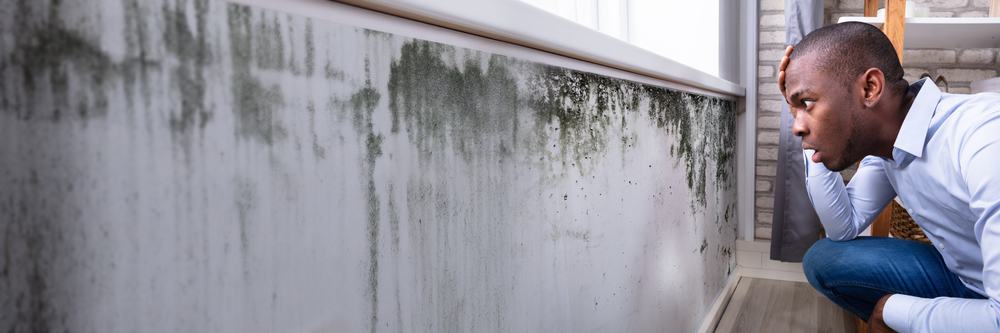
Most West Hempstead homeowners don’t find mold during a routine walk-through. They find it when a roof starts leaking over a knee wall, when the basement takes on water after a nor’easter rolls up from the South Shore, or when a home inspector flags something two days before closing on an $800,000 house. By that point, the clock is already running — mold can establish itself in as little as 24 to 48 hours after a moisture event.
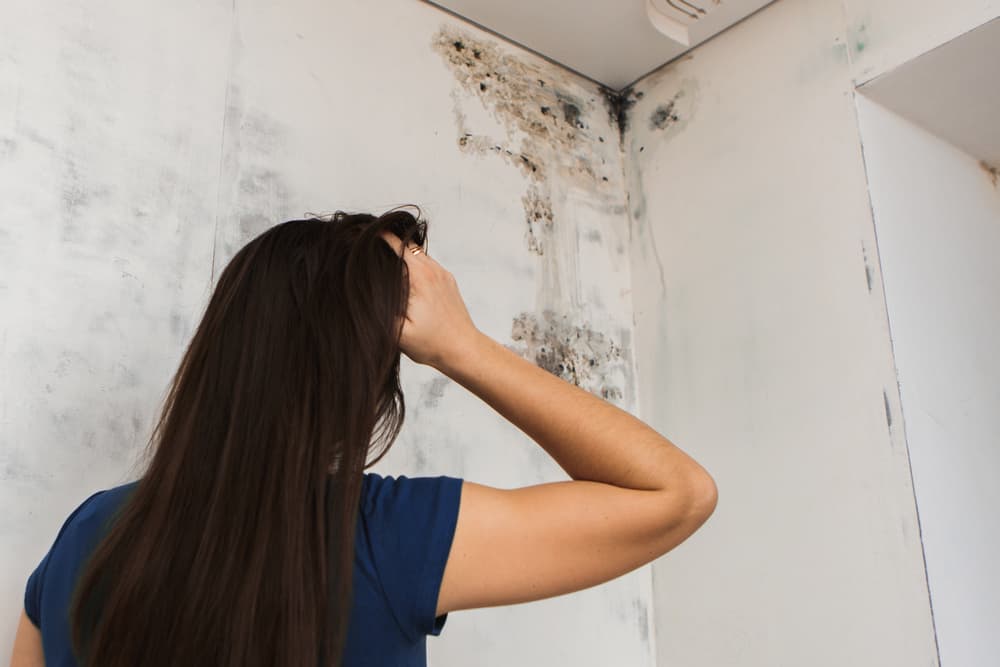
A professional mold inspection doesn’t just tell you whether mold is present. It tells you what kind, how much, where it’s coming from, and what needs to happen next. That distinction matters enormously when you’re deciding whether to file an insurance claim, negotiate a sale price, or simply protect your family’s health.
West Hempstead’s housing stock is predominantly postwar construction — capes and ranches built in the 1940s and 1950s with no modern moisture management built in. These homes sit on gently sloping terrain between the Hempstead Plains and the Atlantic Ocean, with Pine Stream running through the center of the hamlet and feeding into Halls Pond. That local hydrology, combined with Nassau County’s clay-heavy soils and a coastal climate that regularly pushes indoor humidity above 60%, creates the exact conditions mold needs to thrive. Getting a clear, documented picture of what’s actually happening inside your home is the only way to get ahead of it.
We’ve been serving Nassau and Suffolk County homeowners since the early 1990s. Our owner, Richard Peterson, is personally licensed by the New York State Department of Labor as both a mold assessor and mold remediator under Article 32 of the NY Labor Law — the state licensing requirement that’s been in effect since 2016 and that a surprising number of operators in this market still don’t hold. Every technician we dispatch is IICRC-certified. Not just the owner. Every person who show up at your door.
For West Hempstead specifically, that experience translates directly. We’ve worked in hundreds of homes identical to yours — postwar capes along Nassau Boulevard, ranches near Hempstead Gardens, older construction in the Lakeview area — and we know exactly where moisture hides in these structures. We’re fully licensed, bonded, and insured, and we handle everything from initial inspection through full remediation and restoration under one roof. One call, one team, no handoffs.
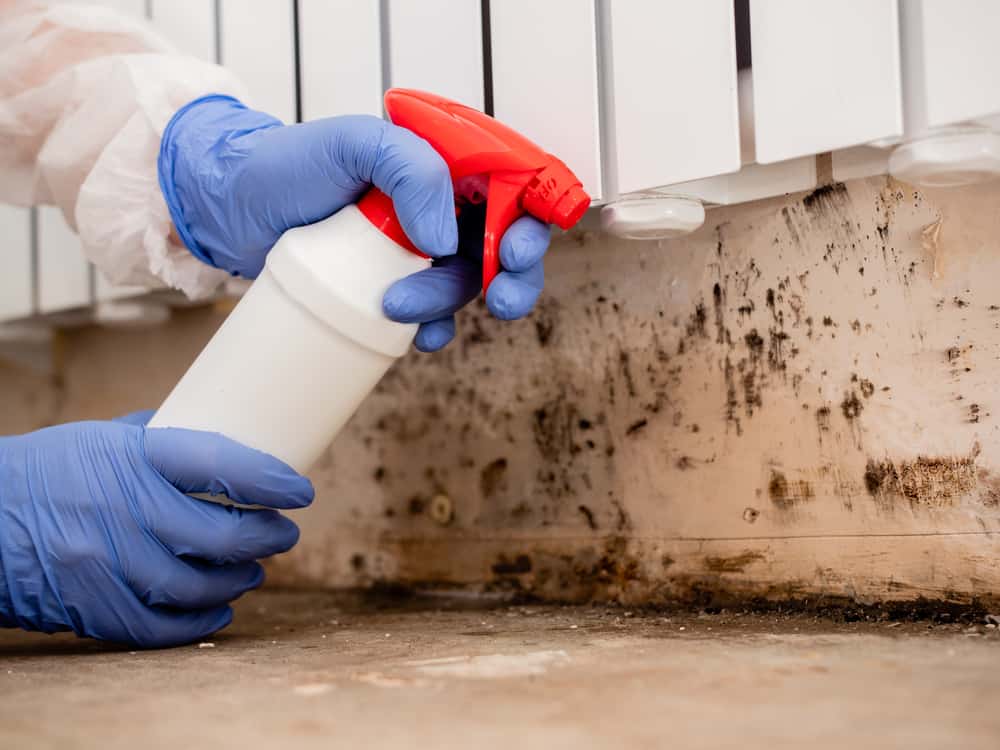
When we come to your West Hempstead home, we run a five-point inspection protocol — not a quick visual scan. It starts with air testing and surface swab sampling, which go directly to a laboratory certified by the NYDH Laboratory Approval Program. While samples are being collected, our team conducts a full water intrusion inspection and takes moisture readings throughout the property. Then comes the piece most inspection services skip: infrared technology scanning that detects temperature differentials caused by hidden moisture behind walls, under floors, and inside ceiling cavities.
In older West Hempstead homes, that infrared step often tells the most important part of the story. Cape cod attics with inadequate ventilation, basement rim joists that have been quietly absorbing ground moisture for decades, bathroom exhaust fans venting into attic space instead of outside — these are the things a visual inspection misses entirely and infrared catches. The inspection also includes an internal-versus-external air quality comparison, which is the standard industrial hygienists use to determine whether indoor mold levels are actually elevated relative to normal outdoor baseline levels.
When the lab results come back, you receive a written report with mold species identification, spore concentration data, source documentation, and specific recommended next steps. That report is built to be accepted by insurance adjusters, real estate attorneys, and health professionals — because in Nassau County, where homes are averaging $800,000 and mold disclosure is required by New York State law, documentation that holds up is the only documentation worth having.
Ready to get started?
The mold inspection service we deliver in West Hempstead is built around what actually causes mold problems in this specific community. That means attic inspections focused on the knee wall cavities and low-pitched roof lines common to the hamlet’s cape cod housing stock. It means basement assessments that account for Nassau County’s high water table and the drainage challenges created by the local terrain. And it means HVAC system checks that look at ductwork condensation — a chronic issue in homes where aging systems haven’t been serviced in years.
Every inspection includes certified lab analysis, a written report with actionable findings, photographic documentation of all mold sources, and moisture readings across the full property. If your situation involves a recent water damage event — a flooded basement after a storm, a burst pipe during a January cold snap, a roof leak that’s been quietly saturating your attic insulation — we can also provide the documentation your insurance company will require to process a claim. That’s not an add-on. It’s built into how we work.
For West Hempstead homeowners dealing with a pre-sale inspection finding or a real estate transaction under New York State’s mold disclosure requirements, we can move quickly. We’re available 24 hours a day, seven days a week, and we dispatch immediately. When you’re two days from closing on a house and a mold finding just surfaced, that availability isn’t a convenience — it’s the difference between a deal that closes and one that doesn’t.
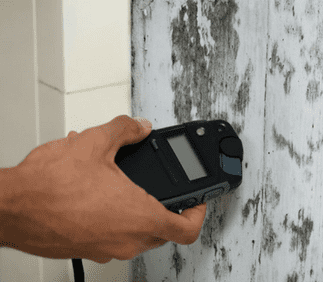
Nationally, mold inspections run between $303 and $1,043, with an average around $670. In Nassau County, you can expect pricing to run roughly 30% above that national average — a reflection of higher labor costs, strict NYS licensing requirements, and the specialized equipment needed to properly assess older Long Island housing stock. That premium exists for a reason: New York State requires all mold assessors to be licensed under Article 32 of the NY Labor Law, and licensed, properly equipped inspections simply cost more than an unlicensed walk-through.
What matters more than the inspection cost is what you’re protecting. West Hempstead homes are averaging $640,000 to over $800,000. An inspection that finds a mold problem early — before it spreads behind drywall or into your HVAC system — can save you from a remediation bill that runs $5,000 to $20,000 or more. The inspection is the cheapest part of this equation by a significant margin.
A real mold inspection — the kind worth paying for — includes air testing, surface swab sampling sent to a certified lab, moisture readings across the property, a water intrusion assessment, and infrared scanning for hidden mold behind walls and under floors. You should receive a written report with actual lab results, mold species identification, spore concentration levels, and specific recommended next steps. If any of those elements are missing, it’s not a complete inspection.
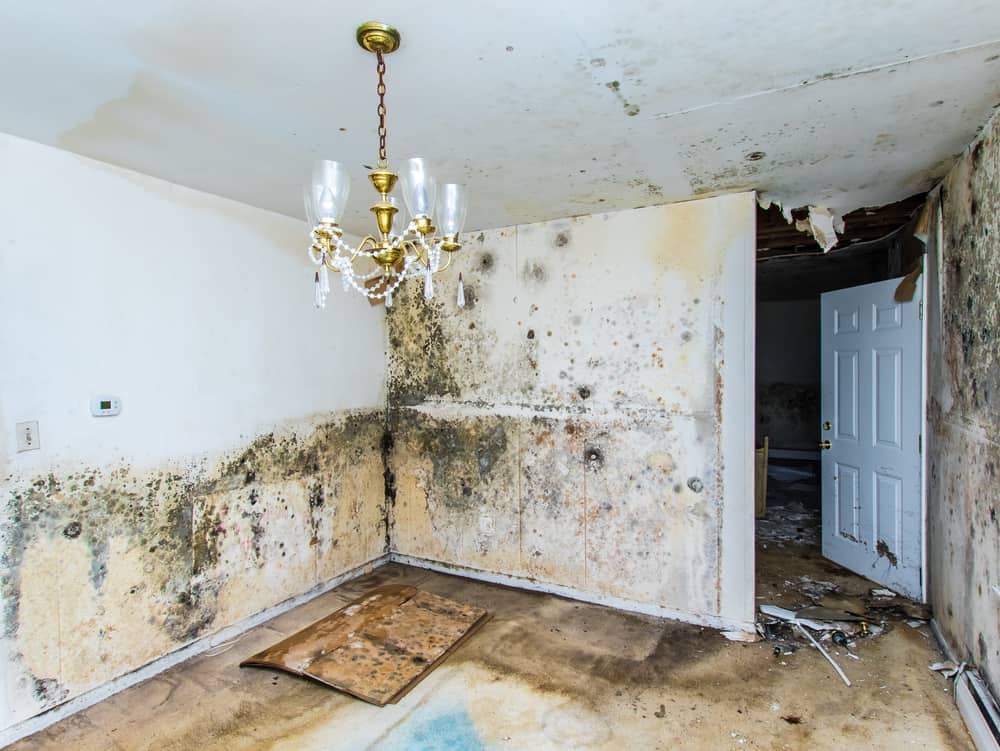
The “is it worth it” question answers itself pretty quickly when you consider the alternative. In West Hempstead’s postwar housing stock — homes built in the 1940s and 1950s with no modern moisture barriers — mold doesn’t always show itself on the surface. It grows inside attic insulation, behind basement drywall, inside ductwork. A thorough inspection with infrared technology is the only reliable way to find it before it becomes a much larger and more expensive problem.
Yes — and this is one of the most common situations we see in West Hempstead specifically. The hamlet sits on gently sloping terrain between the Hempstead Plains and the Atlantic Ocean, with Pine Stream running through its center. Nassau County’s clay-heavy soils retain water and push it against foundation walls over time. You don’t need a visible flood event for moisture to work its way into your basement. Slow seepage through foundation cracks, condensation on cold concrete walls, and ground moisture wicking up through older slab construction are all enough to sustain mold growth.
Basements in West Hempstead’s older homes — especially those built before 1960 — frequently have mold growing in areas that get almost no foot traffic: behind stored boxes, under the stairs, along the rim joists where the floor framing meets the foundation wall. You might not notice it for years. A moisture reading and infrared scan during a professional inspection will find it even when a visual check comes up clean.
New York State requires all mold assessors and mold remediators to be licensed under Article 32 of the NY Labor Law — a requirement that’s been in effect since January 1, 2016. Fines for unlicensed mold work can reach $10,000. This means that if someone without a NYS DOL license performs a mold assessment on your West Hempstead home, their findings carry no legal standing, won’t be accepted by your insurance company, and won’t hold up in a real estate transaction.
This matters more than most homeowners realize. If you’re buying or selling a home in West Hempstead, New York State’s mold disclosure laws require sellers to disclose known mold conditions. A report from an unlicensed inspector won’t satisfy that requirement. Always ask any mold inspection company for their NYS DOL license number before you book — a legitimate, licensed company will provide it without hesitation.
Mold can begin growing within 24 to 48 hours of a moisture event — and that window doesn’t pause for weekends, holidays, or the time it takes you to find a contractor on Monday morning. In West Hempstead, the most common triggers are basement flooding after nor’easters that roll up from the South Shore, burst pipes during January cold snaps, and roof leaks that allow water to saturate attic insulation over a period of days. Each of those scenarios puts you on a tight clock.
The practical implication is that post-water-damage mold inspection isn’t something you schedule at your convenience. The longer you wait, the more established the mold colony becomes, and the more expensive the remediation gets. We’re available 24 hours a day, seven days a week, and dispatch immediately. If your basement took on water Saturday night, getting an inspection started Sunday morning is the right call — not waiting until the workweek begins.
A standard home inspection and a mold inspection are two different things. A general home inspector looks at the overall condition of the property — roof, electrical, plumbing, structure. They’re not equipped to test air quality, collect samples for lab analysis, or use infrared scanning to detect hidden moisture behind walls. If they notice visible mold or obvious water damage, they’ll flag it. But they won’t find the mold colony growing inside the attic knee wall of a 1952 cape cod that otherwise looks fine on the surface.
In West Hempstead’s real estate market, where homes are transacting at $640,000 to over $800,000, a separate mold inspection is a straightforward way to protect yourself from a costly discovery after closing. New York State also requires sellers to disclose known mold conditions — but that disclosure only covers what the seller knows about. A certified mold inspection with lab results gives you an independent, documented picture of the property’s actual condition, and it gives you the documentation you’d need to negotiate, walk away, or require remediation before the deal closes.
Useful Links
Other Services we provide in West Hempstead