
Mold Inspection in West Hills, NY
West Hills Homes Hide Moisture. We Find It Before It Spreads.
Hear from Our Customers
Residential Mold Inspection West Hills, NY
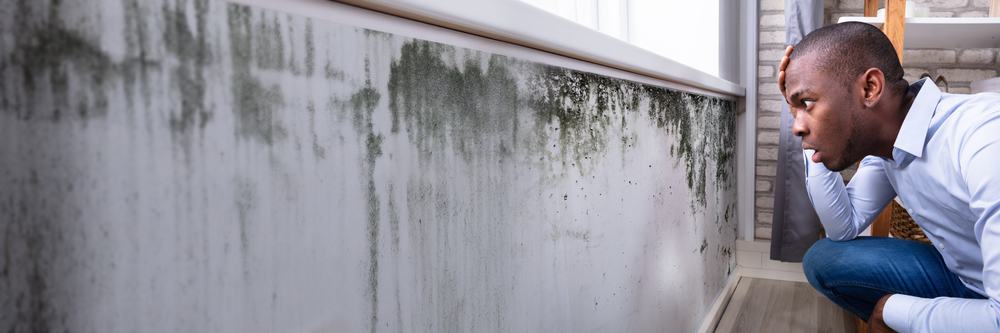
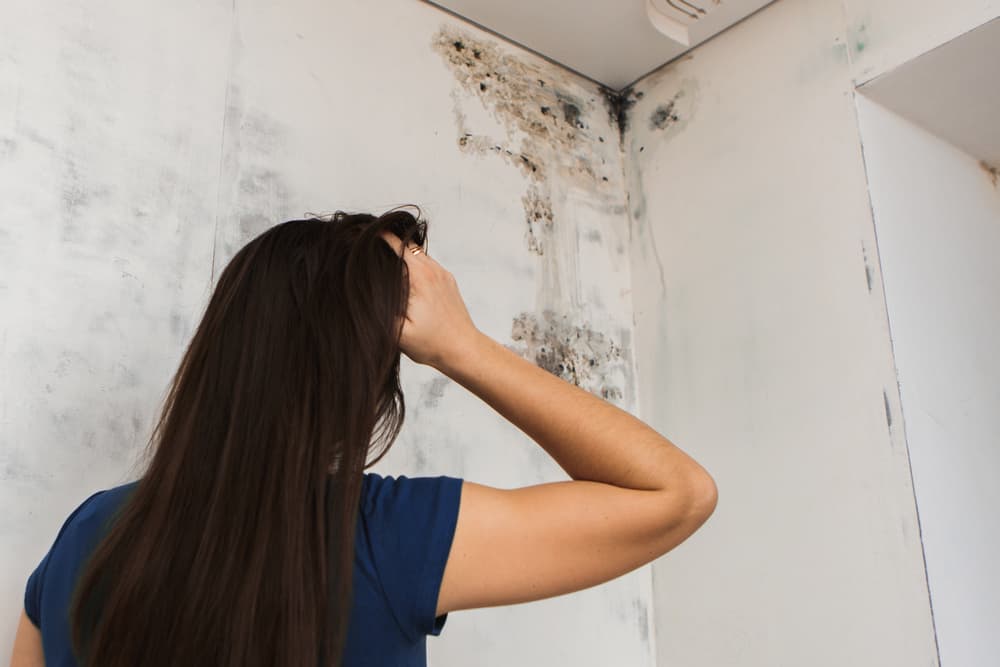
Most mold in West Hills homes isn’t visible. It’s behind the drywall of a 1960s basement, inside the attic framing where an ice dam pushed water last January, or along a foundation wall that’s been absorbing lateral moisture from the hillside for years. By the time you smell it, it’s already been there a while.
A professional mold inspection in West Hills, NY gives you a clear, documented picture of what’s actually happening inside your home not a guess, not a visual scan, but lab-verified results with a written report you can act on. That means knowing the mold species present, where moisture is entering, and exactly what remediation looks like if it’s needed.
For homeowners in West Hills where median home values sit close to $800,000 and the housing stock averages 60-plus years old this isn’t an optional step. It’s how you protect an asset that took decades to build. Whether you’re dealing with a persistent musty smell, a water event that was “cleaned up” but never tested, or a real estate transaction where you need documentation before closing, the inspection is where clarity starts.
Mold Inspection Company West Hills, NY
We’ve been serving Suffolk County homeowners for over three decades. That means our team has seen hundreds of the same split-levels, hi-ranches, and neo-colonials that define West Hills. We know what a 1960s basement wall looks like when it’s been quietly taking on water for years. We understand the moisture patterns that come with wooded, elevated terrain like what surrounds West Hills County Park and the neighborhoods off Route 110.
Every technician on our team carries IICRC certification not just the owner, every technician. We hold both a New York State Mold Assessor License and a Mold Remediator License, as required by state law since 2016. We’re fully licensed, bonded, and insured. When you verify our credentials through the NY Department of Labor’s database, you’ll find exactly what you expect: full, current compliance. That’s the baseline here, not the selling point.
Mold Assessment Services West Hills, NY
The inspection starts with airborne spore sampling pulling air samples from inside the home and comparing them against outdoor baseline levels. That comparison matters because mold spores are always present outdoors; what we’re looking for is an elevated indoor count that signals an active problem. In West Hills, where dense tree canopy keeps properties shaded and damp longer after rain events, that baseline comparison is especially important.
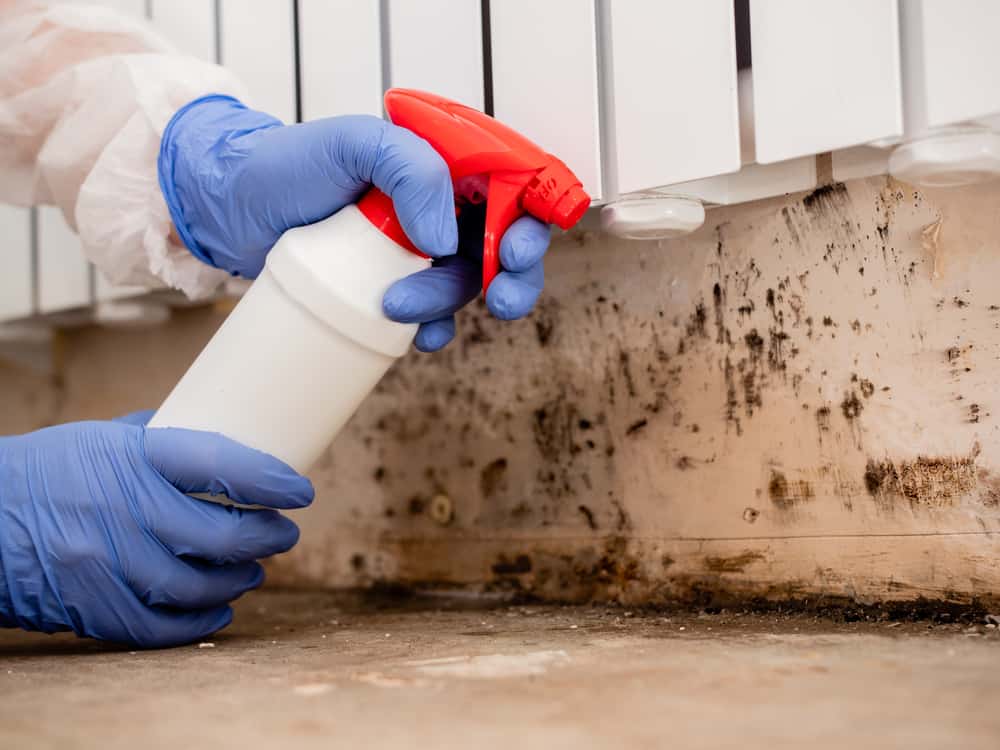
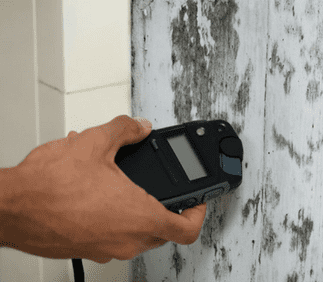
From there, we take swab samples from any visible surface growth to identify the specific mold species present. A moisture meter inspection follows, mapping where water is actively present inside wall cavities, flooring, and structural materials. This is paired with infrared thermal imaging technology that detects temperature differentials behind walls and under floors where moisture hides long before it becomes visible. For homes built in the 1950s and 1960s, which make up the majority of West Hills’ housing stock, this step routinely surfaces problems that a visual inspection would miss entirely.
Everything is photographed and documented. All samples go to an accredited laboratory not an in-house analysis, not a consumer kit. The written report you receive summarizes the lab findings, identifies moisture sources, and outlines specific remediation steps if they’re needed. If the mold is connected to a prior water event and you’re working with an insurance carrier, we handle that communication too, from the initial report through project completion.
Ready to get started?
Indoor Air Quality Testing for Mold West Hills, NY
Most mold inspection companies hand you a report and walk out. If the findings require remediation, you’re on your own to find a qualified contractor one who is separately licensed under New York State’s mold contractor requirements, separately insured, and willing to work from another company’s inspection report. That coordination takes time, and in a community like West Hills where real estate transactions move quickly and home values leave little margin for error, time matters.
We handle the full scope. Mold inspection and indoor air quality testing in West Hills, NY is the starting point. If remediation is needed removing contaminated drywall, insulation, or structural framing our licensed team handles it. If the remediation requires reconstruction, that’s covered too. One point of contact, one licensed and insured team, from the first air sample to the final clearance test.
The service also includes a post-remediation clearance inspection when work is complete, giving you documented proof that the remediation was successful. For West Hills homeowners navigating a pre-purchase inspection, a post-flood mold assessment, or a situation where a family member’s health has raised concerns, that final clearance report is the document that closes the loop. It’s what you show a real estate attorney, an insurance adjuster, or simply keep on file as part of your home’s documented maintenance history.
Is mold common in older West Hills homes, and what causes it?
Yes and the age of the housing stock is the primary reason. Most homes in West Hills were built between the 1950s and 1970s, well before modern vapor barriers, moisture management systems, and building envelope standards existed. Original basement waterproofing in these homes where it exists at all is now 60 to 70 years old. Original attic insulation wasn’t designed with moisture control in mind. And the split-level and hi-ranch designs common throughout West Hills create partial basements and crawl spaces that are particularly vulnerable to moisture accumulation.
Add in the wooded terrain and elevated geography around West Hills County Park, and you have homes that stay shaded and damp longer than open-lot communities. Lateral water intrusion where groundwater moves horizontally through hillside soil and enters basement walls is a frequent culprit that West Hills homeowners often mistake for condensation. If you’ve owned your home for more than a few years and haven’t had a mold inspection in West Hills, NY, there’s a reasonable chance moisture has been moving through your structure in ways that haven’t been documented.
How much does a mold inspection cost in West Hills, NY?
For most residential properties in West Hills, a professional mold inspection runs between $300 and $700. Larger or more complex properties homes with finished basements, attic conversions, or significant square footage can reach higher depending on the number of samples collected and the scope of the inspection. That cost includes air sampling, surface swab collection, laboratory analysis at an accredited facility, and a written report summarizing the findings.
The more useful framing is what an uninspected mold problem costs. Remediation for a contained mold issue typically runs $1,150 to $3,400. Severe cases involving structural materials framing, subfloor, roof decking can reach $20,000 or more. In West Hills, where the average detached home is valued near $877,000, discovering significant mold after closing on a purchase or after years of undetected growth carries financial consequences that dwarf the cost of an inspection. For a home at that value, a $500 inspection is one of the lowest-cost forms of property protection available.
What's the difference between a mold inspection and a mold test?
A mold test typically refers to a single air or surface sample sometimes a DIY kit, sometimes a single sample sent to a lab. It tells you whether mold spores are present, but it doesn’t tell you where moisture is entering, what’s happening behind your walls, or what the source of the problem is. In a home with a 60-year-old foundation and a wooded lot like those throughout West Hills, a single sample without a full moisture investigation is an incomplete picture.
A professional mold inspection in West Hills, NY is a structured, multi-step process: air sampling, surface swabs, moisture meter readings, water intrusion mapping, and infrared thermal imaging to detect hidden moisture behind walls and under floors. The result is a comprehensive written report not just a lab printout that identifies what’s present, where it’s coming from, and what remediation looks like if it’s needed. That’s the difference between knowing mold exists somewhere in your home and actually understanding the scope of the problem.
Do I need a licensed mold inspector in West Hills, or can any contractor do it?
New York State law requires all mold assessors and mold contractors operating in the state including in West Hills to hold active licenses issued by the NY Department of Labor. This requirement has been in effect since January 1, 2016. Any company conducting a mold assessment in your home without a current NY State Mold Assessor License is operating illegally, and any report they produce may not be legally defensible for real estate, insurance, or legal purposes.
This matters in practical terms. If you’re buying or selling a home in West Hills and the mold inspection is part of the due diligence process, an unlicensed assessment won’t hold up with a real estate attorney or mortgage lender. You can verify any company’s license status through the NY Department of Labor’s online search tool in about two minutes. We hold both the Mold Assessor License and the Mold Remediator License both current, both verifiable. That’s the starting point for any legitimate mold inspection in Suffolk County.
How do I know if I need a mold inspection after a basement flood or water event?
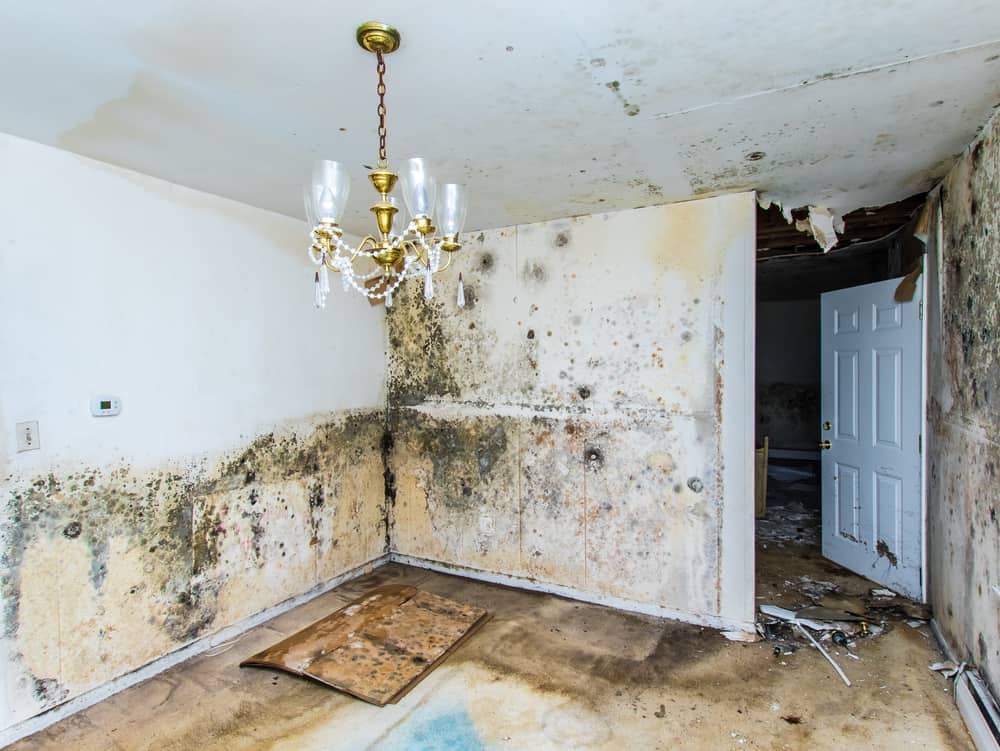
If your basement took on water from a nor’easter pushing water through foundation walls, a burst pipe, a backed-up sump pump, or storm runoff and the area was dried out but never professionally tested, you should assume mold development is possible. Mold begins colonizing within 24 to 48 hours of a moisture event. If the drying process wasn’t completed within that window, or if any moisture remained in wall cavities, insulation, or under flooring, mold can establish itself in areas that look and feel dry on the surface.
In West Hills, basement water intrusion is a recurring issue particularly in homes on sloped lots where lateral groundwater movement puts consistent pressure on older foundation walls. A post-flood mold assessment isn’t about confirming your worst fears; it’s about getting an accurate picture so you know what you’re dealing with. If the inspection comes back clean, you have documented proof. If it doesn’t, you know the scope before it gets worse. Either way, you’re making decisions based on real information rather than hoping the problem resolved itself.
Can a mold inspection in West Hills help with an insurance claim?
Yes and having the right documentation from the start makes a meaningful difference in how a claim is handled. When mold is connected to a covered water damage event, homeowner’s insurance may cover part or all of the remediation cost. But insurance carriers require specific documentation: lab-verified findings, a written assessment from a licensed mold assessor, and clear evidence linking the mold to the covered event. A report from an unlicensed inspector or a DIY test kit won’t meet that standard.
We handle the insurance coordination directly from the initial inspection report through remediation documentation to final communication with your carrier. For West Hills homeowners dealing with a water damage claim that has a mold component, that means you’re not navigating the paperwork alone while also managing a property problem. Our team has worked through this process with insurance carriers many times over 31 years on Long Island. The documentation is structured to meet carrier requirements from the beginning, which reduces back-and-forth and keeps the claim moving forward without unnecessary delays.
Useful Links
Other Services we provide in West Hills