
Hear from Our Customers
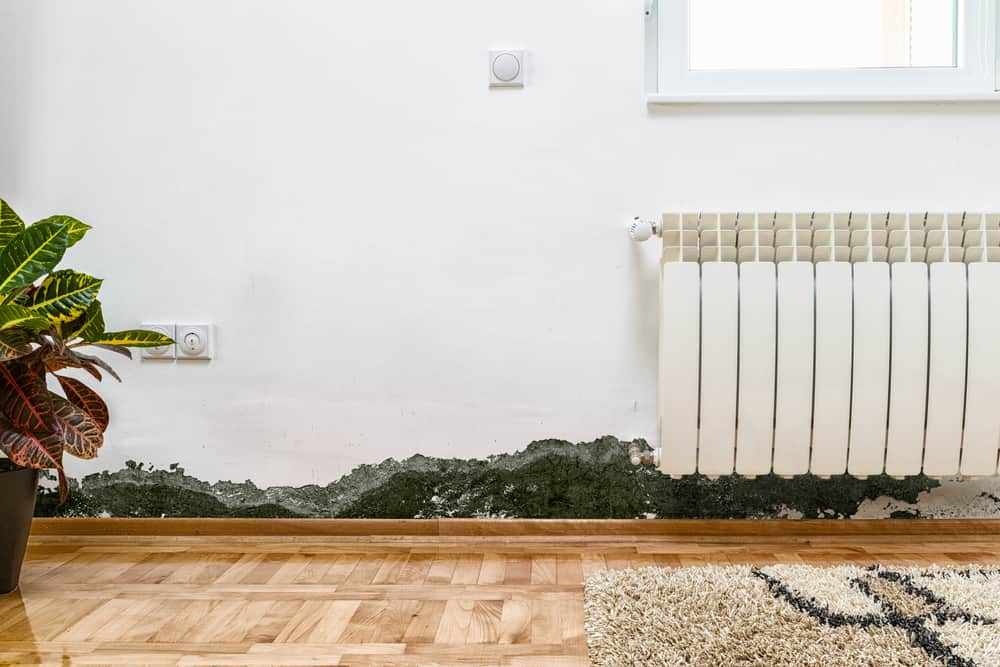
Mold doesn’t stay where you found it. By the time you’re smelling something off in your basement or seeing discoloration on a wall, it’s usually already behind the drywall, under the floor, or spreading through your HVAC system. The visible part is rarely the whole story.
For homes in Amityville — especially those south of the LIRR tracks near Amityville Creek, Isabella Lagoon, and the canal network — the problem runs deeper than most people realize. The water table here is naturally high, and hydrostatic pressure from the Great South Bay pushes moisture through basement walls and floor slabs constantly. That’s not a storm event. That’s just Tuesday. And in older homes along Broadway and the historic core — Victorian-era construction, original crawl spaces, no vapor barriers — that persistent moisture has had decades to work its way into framing, subfloors, and wall cavities.
What changes after we complete professional mold remediation in Amityville isn’t just the air quality reading on a test report. It’s the musty smell that’s been there so long you stopped noticing it. It’s the chronic congestion your kids have had since you moved in. It’s the peace of mind that comes from knowing your home — one of the biggest financial investments you’ll ever make — isn’t quietly deteriorating behind the walls. That’s what this actually solves.
First Response Restoration and Cleaning Inc. has been working on Long Island homes for approximately 31 years. That includes every major storm event that’s hit the South Shore — Hurricane Sandy, the nor’easters that push Great South Bay water up through drainage systems, the kind of flooding that leaves Amityville’s canal-front properties saturated for days. We weren’t a company that showed up after Sandy chasing disaster work. We were already here.
Owner Richard Peterson holds personal New York State licenses in both mold assessment and mold remediation — not a company-level credential, but his individual license, verifiable through the NYS Department of Labor. Every technician on our team is IICRC-certified. And because we also run a professional cleaning division, we handle the full cycle from initial containment through final cleaning, so you’re not coordinating three different contractors to get your home back to normal.
Suffolk County has no shortage of mold remediation companies. What’s harder to find is one where the person whose name is on the license is the same person accountable for the outcome.

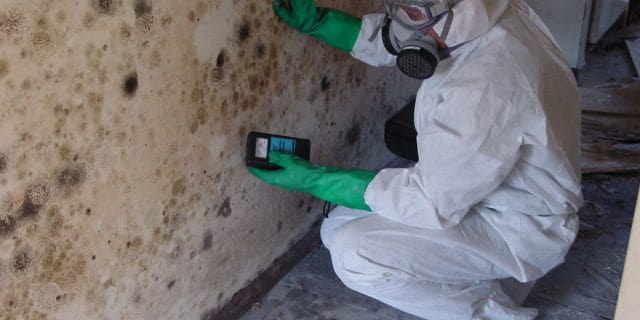
We start with a thorough assessment. Before anything gets removed, the moisture source has to be identified — because mold that gets cleaned without addressing the underlying water problem will come back. In Amityville, that often means tracing groundwater intrusion through basement walls, identifying tidal moisture pathways in crawl spaces, or locating the attic ventilation failure that’s been trapping humid South Shore air against your roof sheathing all summer. The assessment drives everything that follows.
Once we map the source, we contain the affected area. This means physical barriers and negative air pressure to prevent mold spores from spreading to unaffected parts of your home during the removal process. Contaminated materials — drywall, insulation, subfloor sections — are removed and disposed of properly under New York State Article 32 guidelines, which govern all licensed mold remediation work in the state. We then treat surfaces with EPA-registered antimicrobial agents.
After remediation work is complete, we perform post-remediation verification — independent air quality testing that confirms spore counts have returned to normal. That clearance report matters. It’s what your insurance company needs, what a real estate attorney will ask for if your home is going to market, and what gives you actual confirmation the job was done right. Then our cleaning team comes in and handles the final phase, so you’re not left with a remediated but unfinished space.
Ready to get started?
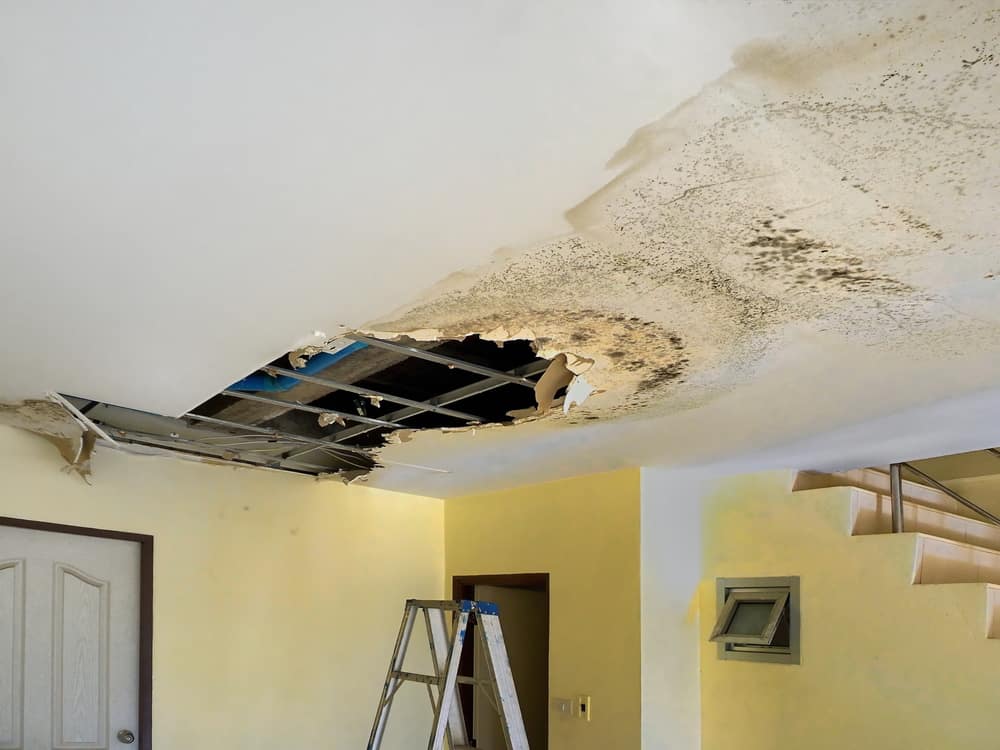
Basement mold remediation is the most common call we receive in Amityville — and for good reason. Homes near the bay and canal network deal with groundwater pressure that doesn’t stop between storms. But basements aren’t the only concern. Attic mold is a consistent problem in the village’s older housing stock, where inadequate ventilation traps summer humidity from the Great South Bay against roof sheathing for months at a time. Crawl space mold remediation is especially relevant in Amityville’s Victorian-era and early 20th-century homes, many of which were built with exposed earth floors and no vapor barriers. And emergency mold remediation — our 24/7 response after a storm surge or burst pipe — is where the 24-to-48-hour mold growth window becomes the deciding factor between a manageable remediation and a full structural loss.
Black mold remediation follows stricter containment and disposal protocols than surface mold, and it’s not something to cut corners on. Stachybotrys — what most people call black mold — requires full containment, negative air pressure, and post-remediation air testing before the space is cleared for occupancy.
If your home was flooded during Hurricane Sandy and the remediation at the time felt rushed or incomplete, that’s worth a professional assessment. A decade-plus of hidden moisture in an inadequately dried wall cavity or crawl space doesn’t improve with time. We serve Amityville and the surrounding South Shore communities across Suffolk County — including North Amityville, Copiague, and Lindenhurst — with the same licensed, IICRC-certified team on every job.
The honest answer is that it depends on where the mold is, how far it’s spread, and what materials need to be removed. For most residential projects, professional mold remediation costs somewhere between $1,200 and $3,800. Basement mold remediation in Amityville — especially in homes near the canal network or Amityville Creek where groundwater intrusion is ongoing — can run higher if the moisture source has been active for a long time and structural materials are heavily contaminated. Attic mold remediation typically ranges from $1,500 to $9,000 depending on the size of the attic and the extent of sheathing involvement. Crawl space remediation generally falls between $500 and $4,000.
What affects the number most is how early the problem is caught and whether the moisture source gets addressed at the same time. A remediation that skips source correction will likely need to be repeated — which ends up costing significantly more than doing it right the first time. Getting a proper assessment before any work begins is the only way to know what you’re actually dealing with.
It depends on how the mold started. Most standard homeowner’s policies in New York will cover mold remediation if it resulted from a sudden, accidental event — a burst pipe, a storm surge that flooded your basement, a roof leak from a nor’easter. If the mold developed because of long-term moisture neglect or a maintenance issue that went unaddressed, most policies won’t cover it.
For Amityville homeowners, this distinction matters a lot. If your basement flooded during a coastal storm event and mold developed in the days that followed, that’s typically a covered scenario — but documentation is everything. The way the damage is described, photographed, and reported to your adjuster directly affects whether the claim gets approved. We help customers document damage correctly from the start, which makes a real difference in how the claim is handled. If you’re not sure whether your situation qualifies, it’s worth getting an assessment before you assume it isn’t covered.
Mold removal typically refers to cleaning visible mold off surfaces — wiping it down, applying a spray, and calling it done. Mold remediation is a complete process: identifying the moisture source, containing the affected area to prevent spore spread, physically removing contaminated materials, treating surfaces with antimicrobial agents, and verifying through post-remediation air testing that spore counts are back to normal levels.
The difference matters because mold you can see is rarely all of it. In Amityville’s older homes — particularly the Victorian-era and early colonial properties in the historic core — mold often develops inside wall cavities, under original hardwood flooring, and in uninsulated crawl spaces long before it’s visible from the inside. Surface removal on a wall that has active mold growth behind it doesn’t solve the problem. New York State’s Article 32 mold licensing law exists specifically because inadequate mold removal was leaving homeowners with recurring problems and no legal recourse. Proper remediation addresses the full scope, not just what’s visible.
It depends on where the mold is and how extensive the remediation needs to be. For a contained area — a single room, a section of basement — it’s often possible to remain in the home if the affected space is properly sealed off and negative air pressure is maintained to prevent spore migration. For larger or more pervasive contamination, particularly in homes where mold has spread through HVAC systems or multiple floors, temporary relocation is the safer choice.
Black mold remediation — Stachybotrys — almost always warrants vacating the affected portion of the home during the work, and in many cases the full home depending on layout and containment feasibility. The assessment phase is where this gets determined. A licensed assessor will look at the scope of contamination, the type of mold present, and the layout of your home before making a recommendation. In Amityville, where many homes have open floor plans or shared HVAC between floors, containment logistics matter more than they might in a more compartmentalized structure.
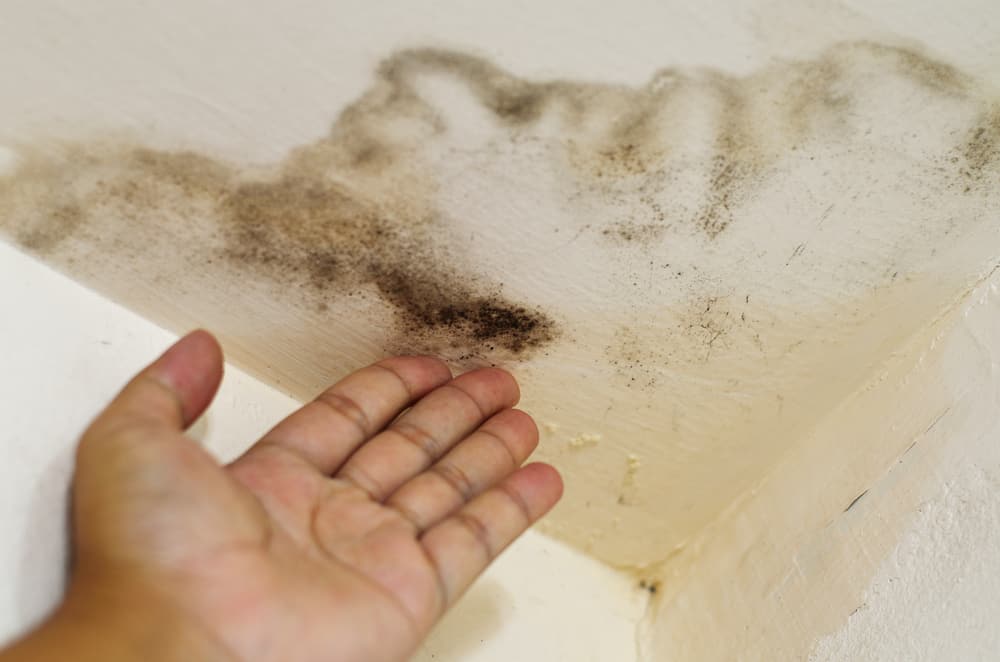
The signs aren’t always obvious, and that’s the problem. A musty odor that doesn’t go away — even after cleaning — is usually the first indicator. Persistent allergy-like symptoms in household members, especially respiratory issues that improve when you’re out of the house, are another. Discoloration on walls, ceilings, or baseboards, warping or bubbling paint, and visible efflorescence on basement walls can all point to ongoing moisture intrusion that’s creating mold conditions behind finished surfaces.
For Amityville homes that were flooded during Hurricane Sandy or subsequent storm events, the risk of hidden mold is real even if the home was “cleaned up” at the time. Post-disaster remediation in the weeks after Sandy was rushed in many cases, and properties that weren’t fully dried before reconstruction may have trapped moisture inside wall assemblies that has been feeding mold growth ever since. If your home flooded and the remediation felt incomplete, a professional moisture assessment — not just a visual inspection — is the only way to know what’s actually happening inside your walls.
Yes. New York State’s Article 32 mold licensing law, which took effect January 1, 2016, requires all mold assessors, mold remediation contractors, and mold abatement workers to hold valid state-issued licenses. It’s not optional, and it’s not a best-practice recommendation — it’s the law. Hiring an unlicensed contractor for mold remediation in New York can result in insurance claim denial and exposes you to legal liability if the work causes additional damage or fails to resolve the contamination.
You can verify any contractor’s license through the New York State Department of Labor’s online license lookup — it takes about two minutes and gives you the license number, license type, and status. Richard Peterson, the owner of First Response Restoration and Cleaning Inc., holds personal NYS licenses in both mold assessment and mold remediation. That’s an individual credential tied to him specifically — not a company-level filing. In a Suffolk County market where licensing compliance is required but not always practiced, being able to verify the owner’s license by name is a meaningful baseline before you let anyone into your home.
Useful Links
Other Services we provide in Amityville