
Mold Remediation in Bay Park, NY
Bay Park Homes Have a Moisture Problem. Here's the Fix.
Hear from Our Customers
Basement Mold Remediation, Nassau County
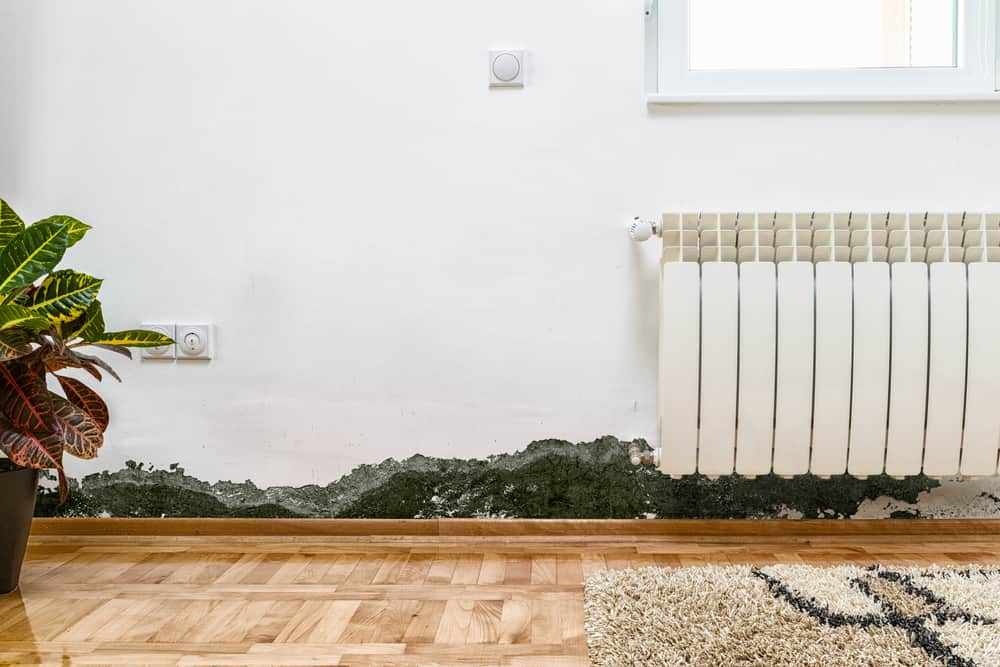
Most Bay Park homeowners who call us aren’t dealing with mold for the first time. They’ve had water in the basement before maybe during Sandy, maybe during one of the heavy rainstorms that still flood parts of East Rockaway and Bay Park today. Some have already had work done. The mold came back anyway, because the moisture source was never truly addressed. That’s the difference between surface cleanup and real mold remediation.
When the job is done right, you stop worrying about what’s growing behind the walls. You stop second-guessing the air your family is breathing. For homes in Bay Park many of them built between the 1940s and 1960s, with crawl spaces and older foundations sitting close to the water table that peace of mind isn’t just comfort. It’s protection for a home worth well over half a million dollars.
A properly remediated home also holds its value. Mold can reduce a property’s resale price by 20 to 37 percent, and half of buyers walk away the moment they see it on an inspection report. In a market where Bay Park homes regularly sell above $600,000, getting ahead of that problem isn’t optional it’s the smart financial move.
Certified Mold Remediation Companies, Bay Park NY
We’ve been serving Nassau and Suffolk County homeowners since the mid-1990s. That means we were here when Sandy hit, working in Bay Park and East Rockaway when the flooding was at its worst. We’re not a national brand that opened a Long Island territory after the storm. We’re a Long Island company and we’ve stayed one.
Every technician we send to a Bay Park home is individually IICRC-certified. Not just our company. The person doing the work. That distinction matters in a community where post-Sandy remediation quality was all over the map, and where some homeowners are still dealing with the consequences of work that wasn’t done correctly the first time.
We also handle reconstruction after remediation. If mold removal means tearing out drywall or flooring, we rebuild it too. One company, one scope, one point of accountability from the initial inspection all the way through to a finished home.
Professional Mold Remediation Process, Bay Park NY
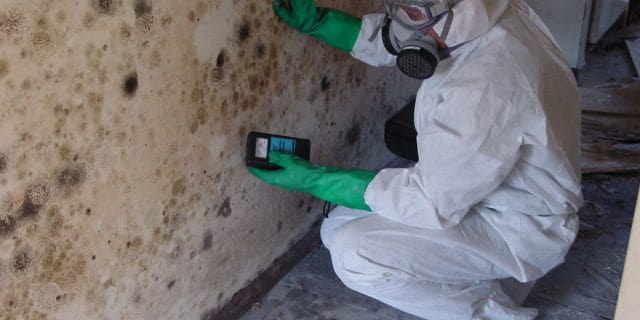
It starts with a 13-point mold inspection and that’s not a marketing number. It covers air testing, swab sampling, moisture level readings, water intrusion assessment, and infrared thermography imaging to find mold that isn’t visible to the eye. In Bay Park’s older homes, where post-Sandy renovations may have sealed moisture into wall cavities before they were fully dried, that infrared step isn’t optional. It’s often where the real problem is found. Lab results come back in writing within two to three business days.
From there, remediation is scoped based on what the inspection actually finds not a worst-case estimate designed to pad a bill. New York State law requires that the company doing your mold assessment and the company doing your remediation be separate entities. We comply with that fully, and we’ll explain what it means for you before any work begins. It’s a consumer protection law that exists for good reason, and Bay Park homeowners should know about it before they hire anyone.
Once remediation is complete, we conduct clearance testing to confirm the mold is gone not just treated. If structural repairs are needed, we handle those too. You don’t need to find a second contractor or manage a handoff. The job is finished when your home is genuinely ready, not when the equipment is packed up.
Ready to get started?
Black Mold Remediation and Cleanup, Bay Park NY
Bay Park’s combination of bayfront humidity, a high water table, and a housing stock that predates modern moisture-resistant building standards creates conditions that most mold remediation checklists weren’t written for. Our process accounts for that. Crawl space mold remediation in a 1950s Bay Park home with a dirt floor, no vapor barrier, and groundwater pressure pushing through the foundation requires a different approach than a standard suburban basement job. We know the difference, and we treat it accordingly.
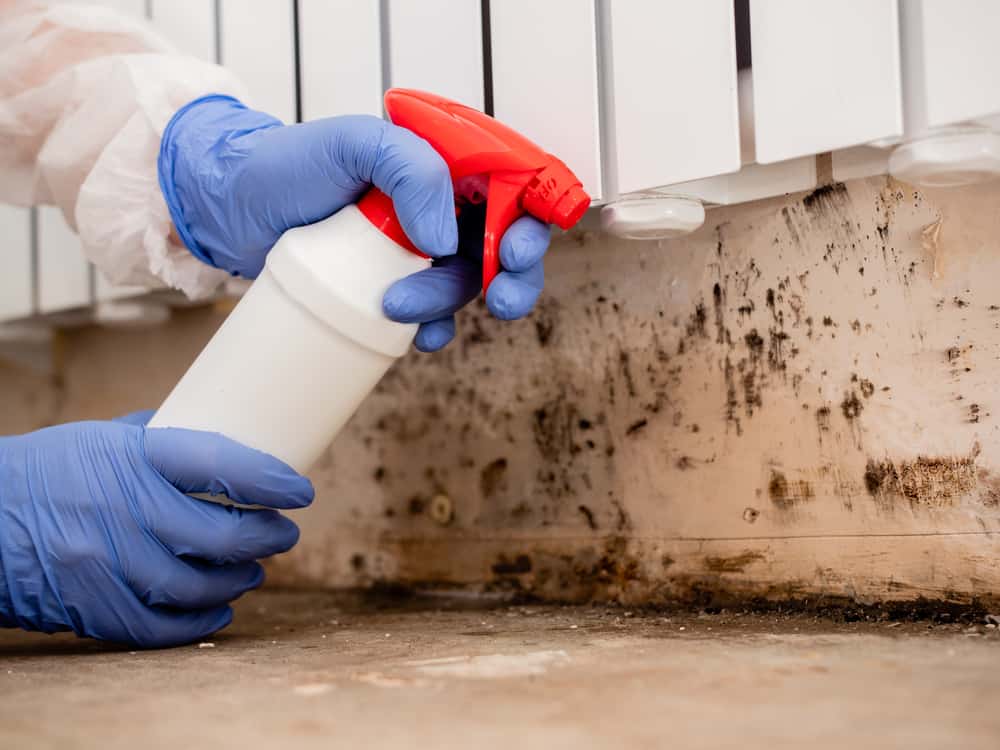
Every job includes air quality testing, containment setup to prevent cross-contamination, HEPA filtration, antimicrobial treatment, and post-remediation clearance testing with a written report. For homes near the East Rockaway Channel or in areas that experienced direct flooding during Sandy, we pay particular attention to structural cavities the spaces behind walls, under floors, and in ceiling assemblies where moisture can hide for years. Infrared imaging is part of every inspection for this reason.
For homeowners navigating an insurance claim, our documentation lab results, moisture readings, before-and-after photography, and a written remediation report gives your adjuster exactly what they need to process the claim. We’ve worked with Nassau County homeowners through this process many times, and we know how to document the damage in a way that supports your case rather than leaving gaps.
Why does mold keep coming back in my Bay Park basement after remediation?
This is one of the most common calls we get from Bay Park homeowners, and the answer is almost always the same: the moisture source wasn’t fixed. Mold is a symptom. If the water intrusion point a foundation crack, a failing sump pump, hydrostatic pressure from a high water table, or a slow plumbing leak is still active, mold will return no matter how thoroughly the visible growth was cleaned.
Bay Park’s bayfront position means the water table here is consistently high. Even without a discrete flooding event, groundwater pressure works against foundation walls and slab floors year-round. In homes built before modern waterproofing standards which describes most of Bay Park’s housing stock that pressure finds its way in. A proper mold remediation process identifies and addresses the moisture source, not just the mold itself. If a previous company skipped that step, you’re not dealing with a mold problem. You’re dealing with an incomplete job.
How much does mold remediation cost in Nassau County, NY?
The honest answer is that it depends on the size of the affected area and how far the mold has spread. Nationally, the average cost of mold remediation runs around $2,300 for a contained area. Larger jobs whole-house remediation, significant structural involvement, or cases where mold has spread into wall cavities and framing can range from $10,000 to $30,000 or more.
For Bay Park specifically, the age of the housing stock and the history of flood exposure in this area mean that jobs here tend to require more thorough inspection before a scope can be accurately set. Homes that were flooded during Sandy and subsequently renovated may have hidden mold that wasn’t visible at the time of the original repair and that adds scope when it’s discovered. We provide written estimates after a full inspection, not ballpark numbers over the phone, because guessing at scope in a bayfront community with older homes is how homeowners end up with surprise costs mid-job.
What is the difference between mold remediation and mold removal?
“Mold removal” implies that mold can be completely eliminated from a space which isn’t accurate. Mold spores are present in virtually every indoor environment. The goal of professional mold remediation is to bring mold levels back to a normal, non-harmful range and eliminate the active growth that’s causing the problem. That’s a meaningful distinction, and any company that promises to “remove all mold” from your home is either misinformed or overselling.
Certified mold remediation the IICRC S520 standard that our technicians are trained to covers containment, filtration, removal of contaminated materials, antimicrobial treatment, and post-remediation clearance testing to confirm the work was effective. It’s a documented, verifiable process with a measurable outcome. In Bay Park, where older homes and ongoing moisture exposure create conditions for recurring mold growth, understanding this difference matters. You’re not paying for a one-time fix you’re paying for a process that brings your home back to a safe, stable baseline.
Does homeowners insurance cover mold remediation in Bay Park, NY?
It depends on the cause. Most standard homeowners insurance policies in New York will cover mold remediation if the mold resulted from a covered peril a sudden pipe burst, an appliance failure, or storm-related water intrusion, for example. What they typically won’t cover is mold that resulted from long-term neglect, gradual seepage, or flooding from external water sources, which is usually covered separately under flood insurance rather than a standard homeowners policy.
For Bay Park homeowners, this is a particularly relevant distinction. The community has a documented history of flooding both from major events like Sandy and from recurring heavy rainstorms that continue to affect parts of East Rockaway and Bay Park. If your mold problem traces back to a flooding event, your claim may fall under your flood policy rather than your homeowners policy. The documentation we provide moisture readings, lab results, written inspection reports, and before-and-after photography gives your adjuster a clear, complete picture of the damage and its likely cause, which is often the difference between a claim that moves forward and one that stalls.
Can mold grow inside walls where I can't see it in an older Bay Park home?
Yes and in Bay Park’s pre-1970s housing stock, this is more common than most homeowners realize. Older homes in this area were built with materials and construction methods that hold moisture differently than modern builds. Plaster walls, original wood framing, older insulation, and crawl spaces without encapsulation all create conditions where mold can establish itself deep inside structural assemblies without any visible sign at the surface.
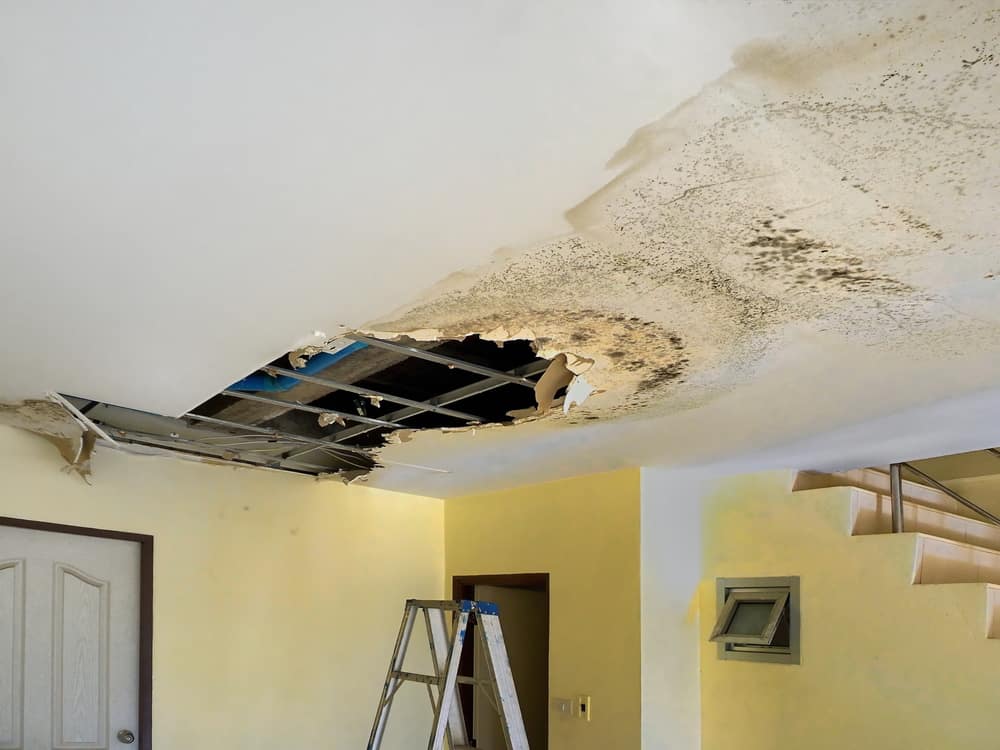
This is especially relevant for homes that were flooded during Sandy and subsequently renovated. In the urgency of post-storm recovery, some homes were dried and rebuilt faster than they should have been walls were closed up before moisture levels were fully brought down. Years later, that hidden moisture has created hidden mold. Our infrared thermography imaging is specifically designed to detect temperature differentials in walls, floors, and ceilings that indicate moisture and mold growth behind the surface. It’s a non-invasive way to find what a visual inspection would miss, and for Bay Park homes with a flood history, it’s a step we include in every inspection.
Does New York State have laws about who can test and remediate mold in my home?
Yes, and it’s worth understanding before you hire anyone. New York State’s 2016 Mold Law requires that the company conducting your mold assessment and the company performing your mold remediation be separate entities. The law was passed specifically to protect homeowners from a common industry conflict of interest a company that both diagnoses the problem and profits from the remediation has an obvious incentive to exaggerate what they find.
In practice, this means you should be cautious of any company that offers a free inspection and immediately hands you a remediation quote in the same visit. That arrangement may violate state law, and it’s a red flag regardless. We comply fully with New York State’s mold licensing requirements. We’ll walk you through what the law means for your specific situation before any work begins because a Bay Park homeowner dealing with a real mold problem deserves a straight answer about what’s actually there, not a sales pitch built around fear.
Useful Links
Other Services we provide in Bay Park