
Mold Remediation in Bay Shore, NY
Bay Shore Homes Have a Moisture Problem. Here's the Real Fix.
Hear from Our Customers
Certified Mold Remediation in Suffolk County
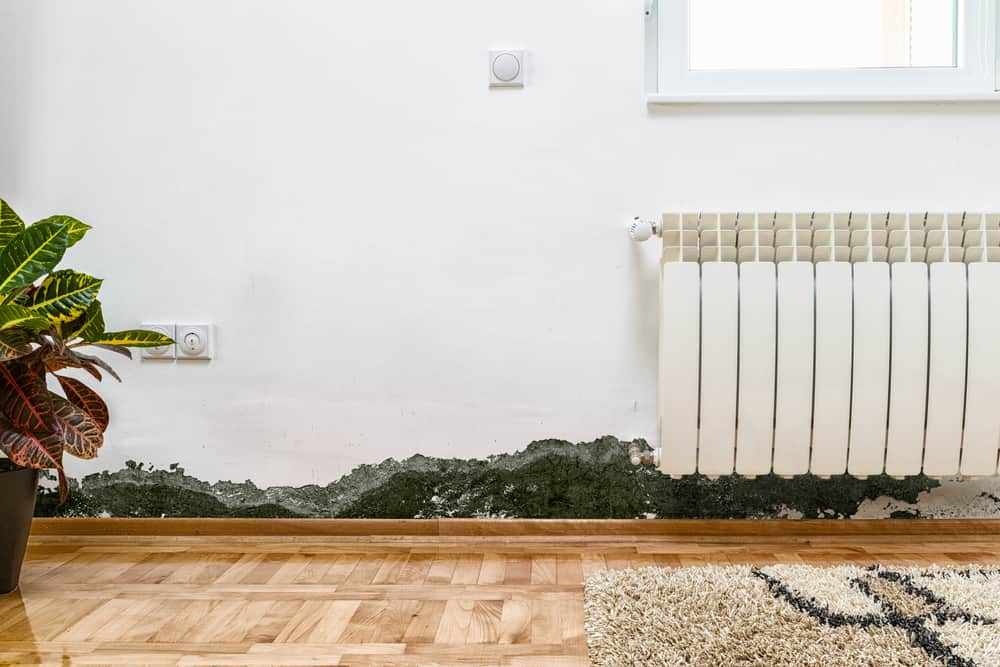
Bay Shore sits directly on the Great South Bay, and that coastal position creates moisture conditions that most inland Long Island towns simply don’t deal with. The ambient humidity here especially from May through September regularly pushes above 60%, which is the threshold where mold starts growing. In older Bay Shore homes built in the 1940s through 1970s, that moisture has decades of cracks, aging foundations, and inadequate crawl space ventilation to work with. The result is mold that hides where you can’t see it until it’s already spread.
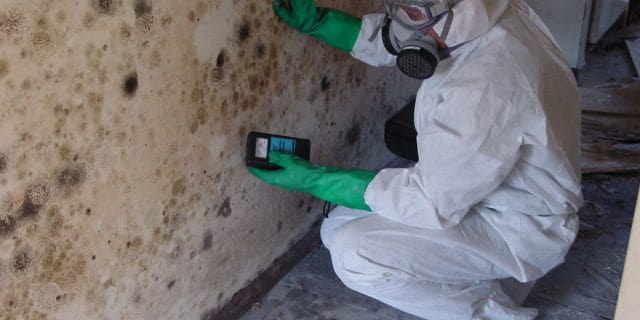
When we perform mold remediation properly, you’re not just removing what’s visible. We’re cutting off the moisture source that fed it, treating the affected materials, and verifying through air quality testing that spore counts are back to normal. That’s the difference between a home that looks clean and one that actually is. For families in Bay Shore where roughly half of households have children under 18 that distinction matters more than most people realize.
What you’re left with after a proper remediation is a home that doesn’t trigger your kids’ asthma, doesn’t smell musty after a nor’easter, and doesn’t require another call to another contractor six months from now. That’s what this is supposed to look like when it’s done right.
Licensed Mold Remediation Companies in Bay Shore
We’ve been working on Long Island’s South Shore for over three decades long enough to have responded to the aftermath of Superstorm Sandy, to know what a post-Sandy Bay Shore property looks like years later, and to understand exactly how coastal conditions affect homes differently than towns farther inland. We’ve worked in the waterfront neighborhoods near the ferry terminal, the ranch homes in West Bay Shore, and the residential streets of North Bay Shore. This isn’t theoretical knowledge for us.
Owner Richard Peterson holds personal New York State licenses in both mold assessment and mold remediation under Article 32 of the NYS Labor Law. That’s not a company-level credential kept on file somewhere it’s his name on the license, his accountability on every job. Every technician on our team is individually IICRC-certified, meaning the people walking into your home have been trained and tested to the industry’s highest standard, not just handed a shirt and a van.
Professional Mold Remediation Process in Bay Shore
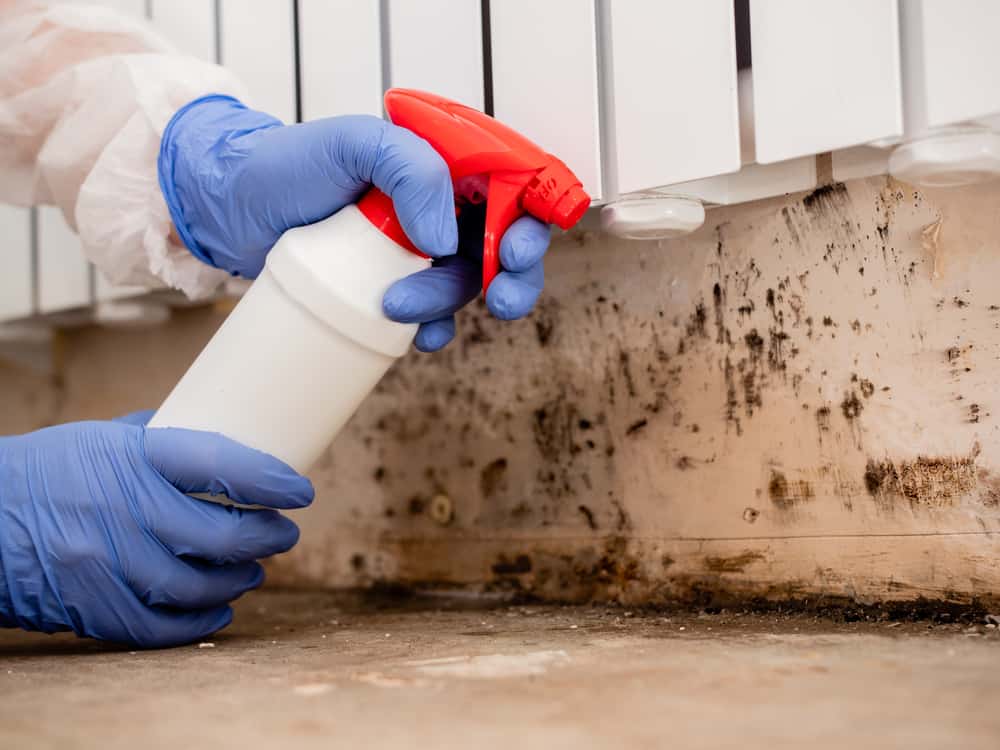
It starts with moisture mapping. Before anything is removed or treated, we identify the source of the moisture problem. In Bay Shore, that often means checking for groundwater intrusion through aging foundations, humidity accumulation in crawl spaces drawing in bay air, or water entry points that opened up during a storm. Skipping this step is the main reason mold comes back and it’s the step most contractors skip because it takes time.
Once we identify the source, containment goes up to prevent cross-contamination to unaffected areas of your home. We remove affected materials according to NYS Article 32 protocols and apply antimicrobial treatments to structural surfaces. Because New York State law prohibits the same company from performing both the assessment and the remediation on the same project, the post-remediation air quality test is conducted independently which is exactly how it should be. That test is what gives you documented proof that the job is done, not just a contractor’s word for it.
After clearance is confirmed, our integrated cleaning division handles the final restoration of affected spaces. You don’t coordinate a separate cleaning crew we handle it all, from the first call to the final walkthrough. For Bay Shore homeowners navigating insurance claims after storm flooding, that documentation trail also matters when it comes time to submit to your carrier.
Ready to get started?
Basement and Attic Mold Remediation in Bay Shore
Mold remediation in Bay Shore, NY isn’t one-size-fits-all, and the scope of work depends heavily on where the mold is and how long it’s been growing. Basement mold remediation is the most common call in this area the combination of coastal groundwater, older foundation construction, and flood zone proximity in the Town of Islip creates conditions that push moisture through basement walls consistently. Surface-level basement mold typically runs in the $500–$3,000 range, but structural involvement from long-term water intrusion can push costs higher.
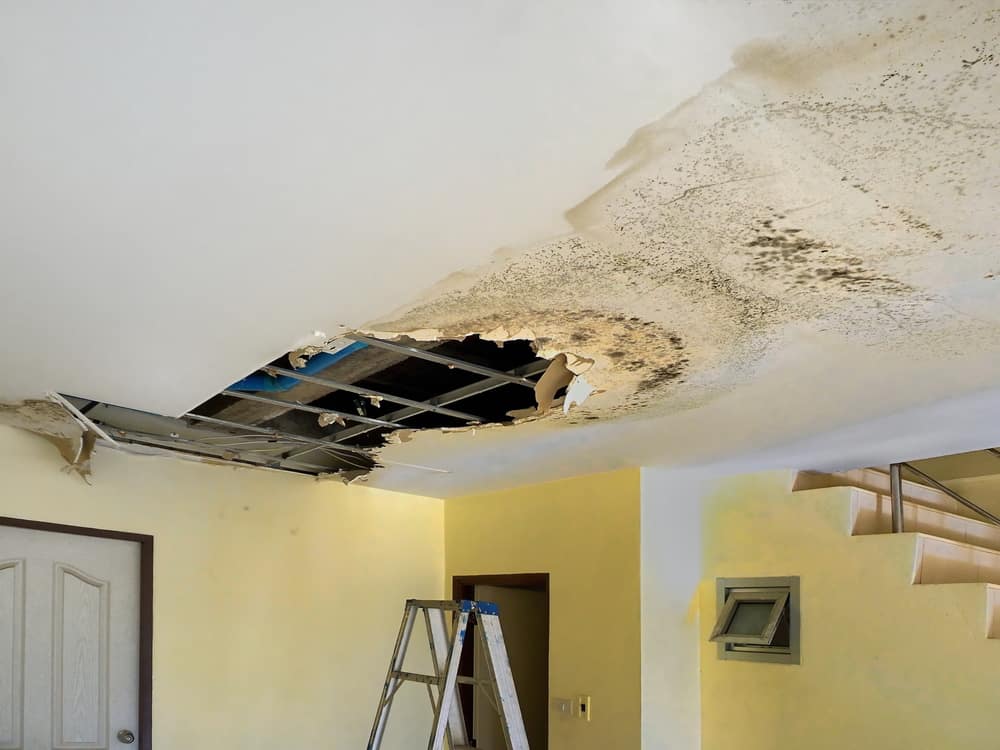
Attic mold remediation in Bay Shore tends to show up in homes where older ventilation configurations trap humid bay air against roof sheathing a problem that’s especially common in the cape cods and ranches that make up a large portion of Bay Shore’s housing stock. Attic projects generally range from $1,500 to $9,000 depending on spread and structural impact. Crawl space mold remediation is another frequent issue in this area, where vented crawl space designs draw in moisture-laden air from the surrounding coastal environment. A documented inspection of a Bay Shore crawl space recorded 68% relative humidity in November well above the threshold for active mold growth, and a reminder that this isn’t just a summer problem.
All work we perform is in full compliance with NYS Article 32 licensing requirements. Pricing on Long Island runs approximately 32% above national averages due to labor costs, licensing standards, and the age of the local housing stock and that’s worth understanding before you compare quotes from a contractor whose credentials you can’t verify.
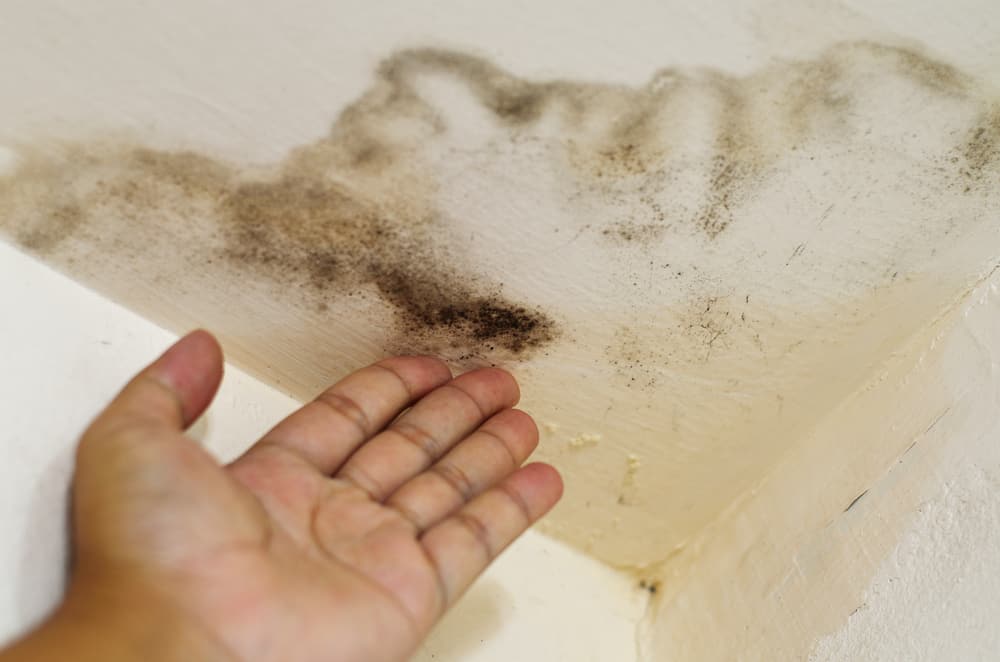
Why does mold keep coming back in my Bay Shore basement after remediation?
The most common reason mold returns after remediation is that the moisture source was never properly identified or corrected only the visible mold was removed. In Bay Shore, this is a particularly common problem because the conditions driving moisture intrusion are persistent. Coastal groundwater levels rise with every heavy rain, the Great South Bay drives ambient humidity year-round, and older foundations throughout Bay Shore weren’t built with modern waterproofing. If a contractor removes the mold without addressing what’s allowing moisture into your basement in the first place, you’re going to see it again.
A proper remediation starts with moisture mapping finding exactly where and how moisture is entering the space before any physical work begins. That might mean identifying a foundation crack, a failed sump pump, inadequate grading outside the home, or a vented crawl space that’s pulling in bay air. Once we correct the source and remove the mold, post-remediation air quality testing confirms the job is complete. That’s the process that keeps it from coming back.
How much does mold remediation cost in Bay Shore, NY for a typical home?
The honest answer is that cost depends on where the mold is, how far it’s spread, and whether there’s structural damage involved. For most residential projects in the area, professional mold remediation runs between $1,223 and $3,754 nationally but Long Island pricing runs approximately 32% above those national averages due to higher labor costs, the age of the local housing stock, and New York State’s strict Article 32 licensing requirements. A Bay Shore homeowner should realistically expect to be in the upper portion of that range or above for anything beyond a small, contained surface issue.
Basement mold remediation in Bay Shore typically starts around $500–$3,000 for surface-level work but can climb significantly if the mold has penetrated structural framing or been growing undetected for an extended period. Attic mold remediation generally runs $1,500–$9,000, and crawl space projects typically fall between $500 and $4,000 for standard scopes. The best way to get an accurate number is an on-site assessment scope varies too much from home to home for a meaningful phone estimate, especially in Bay Shore’s older housing stock where hidden damage is common.
Is mold remediation in Bay Shore, NY covered by my homeowner's insurance?
It depends on the cause. Homeowner’s insurance typically covers mold remediation when the mold resulted from a sudden and accidental event a burst pipe, a washing machine overflow, or storm flooding from a named weather event. What it generally does not cover is mold that developed over time from a slow leak, poor ventilation, or deferred maintenance. In Bay Shore, where a significant portion of the housing stock sits in or near FEMA-designated Special Flood Hazard Areas along the Great South Bay, the cause-of-loss question is especially important to document carefully.
If your mold problem traces back to storm flooding whether from a recent nor’easter or from a Sandy-era event that was never fully remediated the documentation trail matters. We help customers understand what their policy is likely to cover, document the damage in the format insurance carriers require, and walk you through the claims process. Hiring a fully licensed NYS Article 32 contractor also matters here: some carriers will deny claims if the remediation was performed by an unlicensed operator, regardless of the quality of the work.
What is the difference between mold remediation and mold removal?
Mold removal implies taking out what’s visible scrubbing a surface, cutting out a section of drywall, and calling it done. Mold remediation is a broader, more complete process: it includes identifying the moisture source, containing the affected area to prevent spore spread, removing contaminated materials, treating structural surfaces with antimicrobial agents, and verifying through independent air quality testing that spore counts have returned to normal levels. The distinction matters because mold spores are microscopic and can spread through HVAC systems, wall cavities, and air movement long before you see visible growth.
In a coastal environment like Bay Shore where the conditions that cause mold are persistent rather than one-time events surface-level removal without proper remediation protocol almost always leads to recurrence. The mold comes back because the spores were never fully addressed and the moisture source was never corrected. Professional mold remediation in Bay Shore, NY follows the IICRC S520 Standard for Professional Mold Remediation, which is the industry benchmark for what a complete, properly executed job looks like. That’s the standard we hold every project to.
Can I stay in my home during mold remediation in Bay Shore?
In many cases, yes but it depends on the size and location of the affected area. For contained remediation in a single room, basement, or crawl space, it’s often possible to remain in the home with proper containment barriers in place to prevent cross-contamination to living areas. For larger projects involving significant spread through HVAC systems, multiple rooms, or structural components, temporary relocation during the active remediation phase is typically recommended, especially for households with children, elderly residents, or anyone with respiratory sensitivities.
Bay Shore’s family-heavy demographic roughly half of households have children under 18 makes this question especially important to ask upfront. During your initial assessment, we’ll give you a straightforward answer based on the actual scope of the project, not a one-size-fits-all policy. If temporary relocation is warranted, that information will be part of your documentation for any insurance claim, since some policies cover additional living expenses during remediation when the displacement is medically or safety-justified.
How do I verify that a mold remediation contractor in Bay Shore is properly licensed?
New York State requires all mold remediation contractors to hold a valid license issued by the Commissioner of Labor under Article 32 of the NYS Labor Law. You can verify any contractor’s license directly through the NYS Department of Labor’s online license lookup it’s a public database, and a legitimate licensed contractor will have no hesitation giving you their license number to check. If a contractor can’t or won’t provide a verifiable license number, that’s a clear signal to move on.
This matters beyond just compliance. In Bay Shore’s mold remediation market, the search results include a mix of genuine local operators, national franchises, and lead generation sites that aren’t always transparent about who is actually doing the work or whether that person is licensed. Hiring an unlicensed contractor also creates real financial risk: if your insurance carrier determines the remediation was performed without proper NYS licensure, they may deny your claim regardless of the quality of the work. Richard Peterson of First Response Restoration and Cleaning Inc. holds personal NYS licenses in both mold assessment and mold remediation both verifiable, both in his name, both current.
Useful Links
Other Services we provide in Bay Shore