
Mold Remediation in Cove Neck, NY
Waterfront Homes Hide Mold Longer Than You Think
Hear from Our Customers
Certified Mold Remediation Nassau County
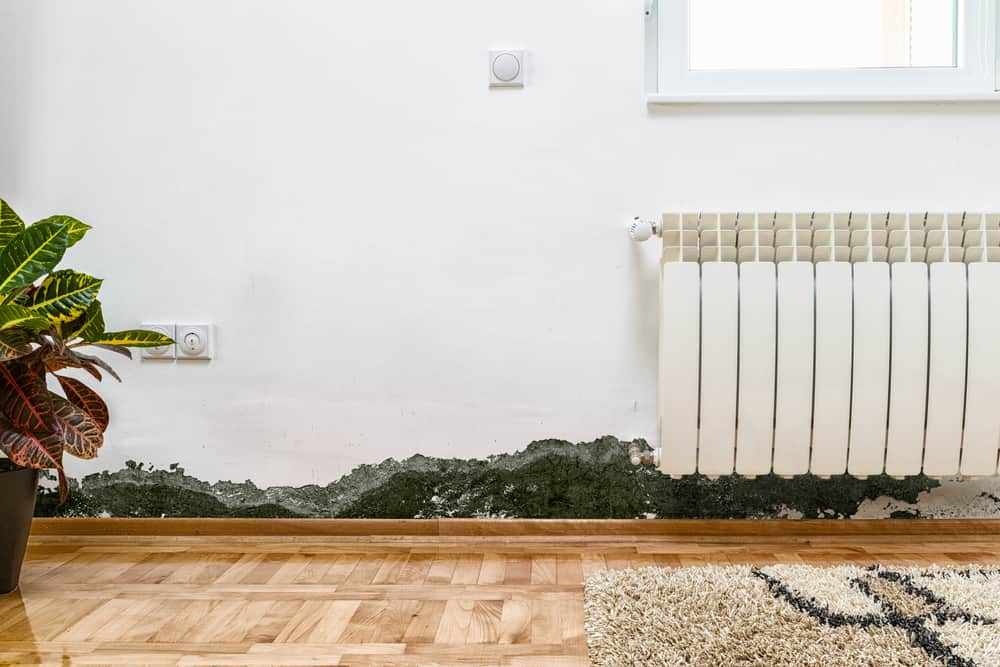
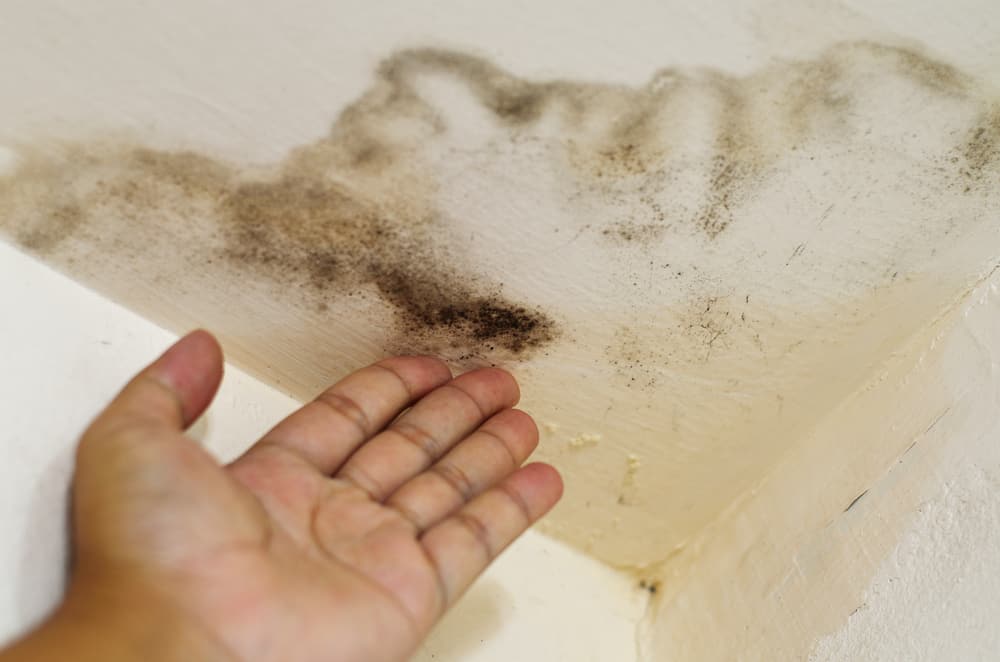
Mold in a Cove Neck home is rarely just a surface issue. The coastal air coming off Oyster Bay keeps ambient humidity elevated across every season, and when that moisture finds its way into an older foundation, a crawl space without a proper vapor barrier, or an attic spanning thousands of square feet of aging wood framing it doesn’t announce itself. It settles in quietly, and by the time there’s a smell or a visible patch, it’s usually been growing for months.
When we identify and address the underlying moisture source not just the mold you can see the difference is immediate and lasting. Air quality improves. The musty odor that you may have written off as “old house smell” disappears. The structural materials that were quietly deteriorating stop deteriorating. And if you’re managing a property worth several million dollars on a waterfront lot in Cove Neck, you’re no longer sitting on a liability that a buyer’s inspector will find in the first twenty minutes of a walkthrough.
For properties in Cove Neck specifically, where minimum lot sizes run two to four acres and homes were built across decades of varying construction standards, proper remediation also means documentation written lab results, moisture readings, infrared imaging records that protects your investment whether you’re staying or eventually selling.
Mold Remediation Companies Cove Neck NY
We’ve been serving Nassau County homeowners for close to three decades, with deep roots in communities like Cove Neck, Oyster Bay, Locust Valley, and Bayville. That track record comes from consistently doing the work right in areas where the housing stock is older, the properties are complex, and homeowners have high expectations and the knowledge to back them up.
Every technician on our team holds individual IICRC certification. Not the company every person who walks through your door. That’s a distinction most restoration companies in Nassau County can’t make, and it matters when the crew is working inside a high-value estate home where cutting corners isn’t an option.
We’re independently owned and operated on Long Island, with a dedicated Nassau County line at 516-698-1776. When you call, you’re reaching people who know this area not a national dispatch center routing calls to whoever’s available.
Professional Mold Remediation Process Cove Neck
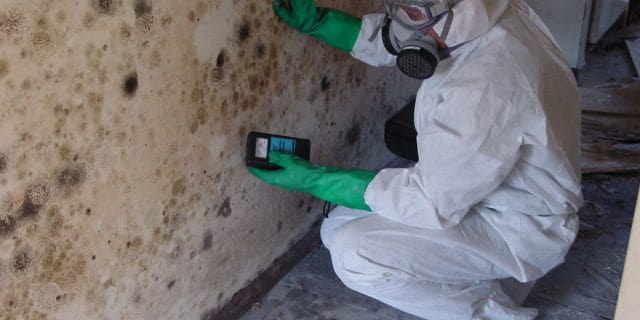
It starts with a 13-point mold inspection. That means air testing, swab sampling, moisture level measurements, infrared thermal imaging to find what’s hiding behind walls and under flooring, and a side-by-side comparison of internal and external mold particle counts. Everything gets photographed and documented. Within two to three business days, you have a written report with lab results not a verbal summary, an actual document you can hand to your insurance adjuster or real estate attorney.
New York State’s 2016 mold law requires that the company performing the assessment and the company performing the remediation be separate entities. This law exists because the industry has a documented history of companies inflating findings during a “free inspection” to manufacture a remediation contract. We operate in full compliance with this law, which means the inspection you receive is honest and you can make your decision from there.
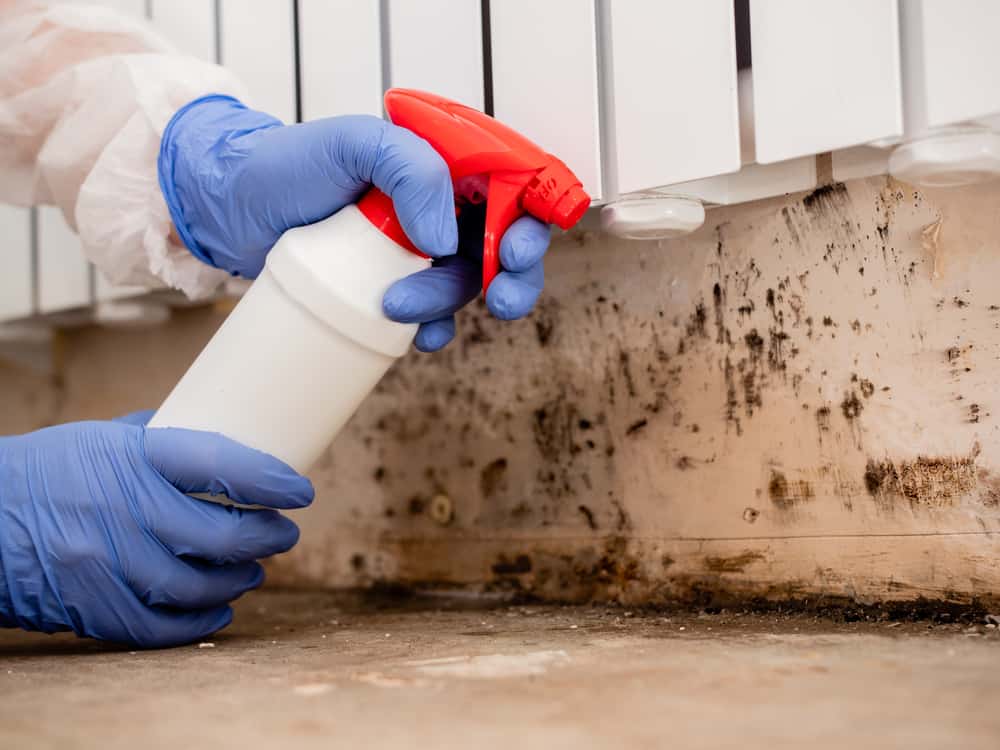
If remediation is needed, our process includes full containment of the affected area, HEPA air scrubbing, removal of compromised materials, and treatment of the moisture source that caused the problem in the first place. For Cove Neck properties with crawl spaces near the waterline or attic spaces in older construction, that source identification step is what separates a permanent fix from one that fails within a season. We also handle full reconstruction after remediation drywall, flooring, insulation, structural materials so you’re not left coordinating a separate contractor to close everything back up.
Ready to get started?
Black Mold Remediation Services Cove Neck NY
Mold remediation in a Cove Neck estate home is a different scope than a standard suburban job. The properties here are larger, older, and more complex and the moisture pathways are often multiple and overlapping. You might have ground moisture wicking through a masonry foundation, condensation building in an attic with inadequate ventilation, and a crawl space that’s been chronically damp from tidal fluctuation near the waterline. Our process is built to address all of it, not just the most visible part.
Our inspection covers every high-risk area: basement, crawl space, attic, wall cavities, and any space where moisture has a path in. Infrared imaging is included because in older construction the kind that defines much of Cove Neck’s residential character mold frequently colonizes behind plaster walls and beneath flooring long before it’s detectable any other way. Air testing compares indoor and outdoor mold particle counts to establish whether there’s an active indoor problem, not just surface growth.
If your situation involves an insurance claim, the written documentation we provide lab results, moisture readings, photographic records, scope of work is exactly what adjusters require to process a claim. We offer emergency mold remediation response 24 hours a day, seven days a week, which matters when a nor’easter pushes water into your basement at midnight and the 48-hour window before mold growth begins is already counting down.
How does Cove Neck's waterfront location affect mold risk in my home?
Cove Neck sits on a peninsula surrounded by Oyster Bay and Cold Spring Harbor, which means the ambient humidity around your property is elevated year-round not just during summer. When outdoor humidity consistently runs high, it puts constant pressure on your building envelope. Moisture finds its way in through foundation walls, window frames, roof penetrations, and any gap in the vapor barrier of a crawl space or basement. Older estate homes in Cove Neck many built in the mid-twentieth century with masonry foundations and minimal insulation are particularly vulnerable because they weren’t constructed with modern moisture management standards.
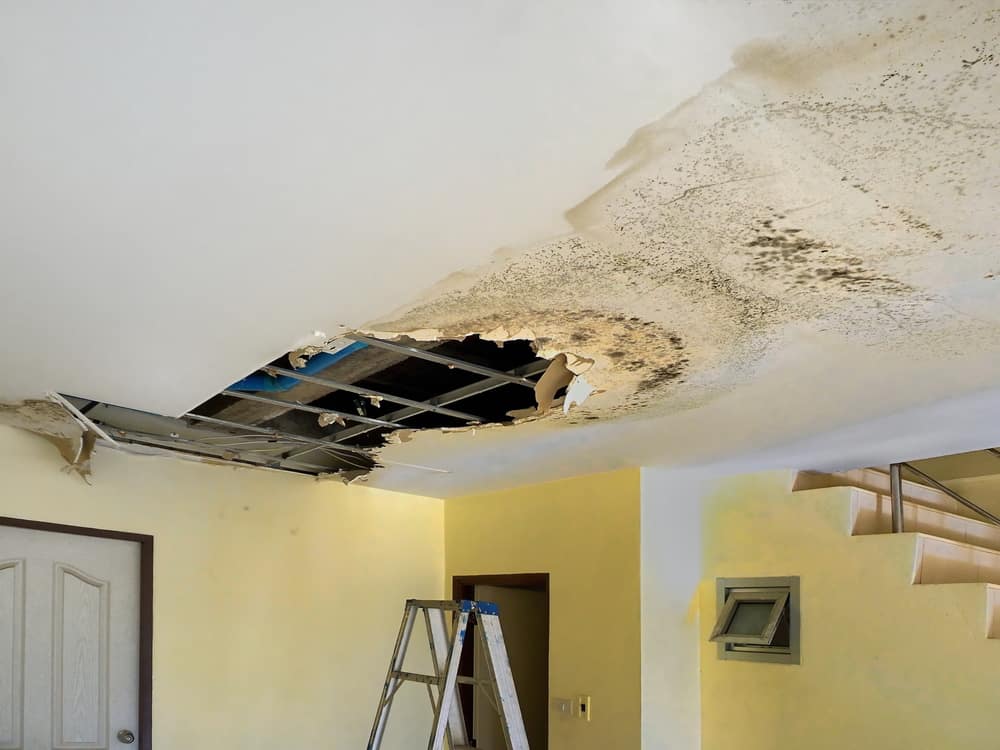
The practical result is that mold risk in Cove Neck isn’t seasonal the way it might be in an inland community. It’s a year-round condition that requires year-round attention. Crawl spaces adjacent to the water table, attic spaces in large older homes, and any below-grade area with a stone or concrete foundation are the highest-risk locations. If you haven’t had a professional moisture assessment done on your property including infrared imaging of wall cavities there’s a reasonable chance you have hidden moisture accumulation you’re not aware of yet.
What is the difference between mold remediation and mold removal?
Mold removal typically refers to cleaning or treating the visible surface growth wiping it down, applying a biocide, and calling it done. Mold remediation is a broader, more complete process. It includes identifying where the mold is growing (including areas you can’t see), containing the affected area so spores don’t spread during the work, removing compromised materials when necessary, treating the moisture source that allowed the mold to grow in the first place, and conducting post-remediation clearance testing to confirm the problem is actually resolved.
The distinction matters enormously in a home like the ones found in Cove Neck. If a company removes the visible mold but doesn’t address the moisture pathway say, a crawl space with inadequate vapor barrier near the water table, or a wall cavity with a slow roof leak the mold will return within one to two seasons. You’ll have paid for a service that didn’t solve the problem. Remediation, done properly, is a permanent fix. It’s also what produces the documentation lab results, clearance testing, written scope that holds up to insurance scrutiny and protects your property’s value at resale.
How much does mold remediation cost for a large estate home in Nassau County?
The honest answer is that it depends on the scope, and scope varies significantly with properties in Cove Neck. For a contained mold problem in a single area a section of basement wall or a portion of attic sheathing remediation costs typically run between $1,500 and $4,000. When the problem is more extensive, involves multiple areas of the home, or requires significant material removal and reconstruction, costs can reach $10,000 to $30,000 or more. For a whole-house situation in a large estate, that range is realistic.
What’s worth keeping in mind at Cove Neck property values is the cost of not acting. A mold problem discovered during a pre-sale inspection on a home listed at $4 million to $6 million can halt the transaction entirely and research consistently shows that mold history reduces resale value by 20% to 37%. At those price points, that’s a potential loss of $800,000 or more on a single sale. The remediation cost, in that context, is not the number that should concern you most. Getting an accurate written assessment of the scope with lab results, not a verbal estimate is the right starting point before any cost conversation.
Does New York State law affect how mold inspection and remediation works?
Yes, and it’s worth understanding before you hire anyone. New York’s 2016 mold law specifically prohibits the same company from both assessing a mold problem and performing the remediation on the same property. The law was enacted because a widespread industry practice involved companies offering “free inspections” and then exaggerating or fabricating findings to generate expensive remediation contracts. Separating the two functions removes that financial incentive and protects the homeowner.
What this means practically is that if a company offers to inspect your home for free and then immediately quotes you a remediation job, that’s a red flag and potentially a legal violation in New York State. A compliant process involves a separate, documented assessment first, with lab results and a written report, followed by a remediation scope based on those findings. We operate in full compliance with this law. The inspection produces an honest written report, and you make your decision from there. For a Cove Neck homeowner managing a high-value property, this legal compliance isn’t a minor detail it’s a direct protection against being sold work you may not need.
How long does mold remediation take for an older home with a crawl space and large attic?
For a home with both a crawl space and a large attic which describes many of the estate properties in Cove Neck the timeline depends on what the inspection finds and how much material needs to be addressed. A contained remediation in a single area typically takes one to three days. When the problem spans multiple locations, involves structural material removal, or requires reconstruction afterward, the full timeline can run one to two weeks or longer.
The inspection phase, which comes first, takes a few hours on-site. Written results with lab findings are delivered within two to three business days. That gives you a clear picture of the full scope before any remediation work begins, which means no surprises mid-project. For older homes in Cove Neck with large, complex attic spaces and crawl spaces that may have never been properly sealed or vapor-barriered, the inspection phase is particularly important it’s common to find that the visible problem is smaller than the actual problem, or that there are multiple moisture sources contributing from different directions. Knowing the full picture upfront is what allows the remediation to be done once, correctly.
Can mold in my Cove Neck home affect a real estate transaction or sale?
It can, and in a significant way. Mold discovered during a buyer’s home inspection is one of the most common reasons high-value real estate transactions stall or fall apart on Long Island’s North Shore. Buyers at the price points typical of Cove Neck listings are sophisticated, and their inspectors are thorough. A mold finding especially one in a crawl space, attic, or basement that suggests long-term moisture intrusion raises questions about the integrity of the structure and the seller’s maintenance history that are difficult to answer quickly.
The good news is that a properly remediated and documented mold problem is a very different disclosure than an unresolved one. When you can show a buyer a written inspection report, lab results, a completed remediation scope, and post-remediation clearance testing, you’re demonstrating that the problem was identified, addressed professionally, and verified as resolved. That documentation turns a potential deal-killer into a manageable disclosure. If you’re planning to list a Cove Neck property and you have any reason to suspect moisture history an older foundation, a crawl space near the water table, an attic that’s never been professionally inspected getting ahead of it before listing is almost always the right call.
Useful Links
Other Services we provide in Cove Neck