
Hear from Our Customers
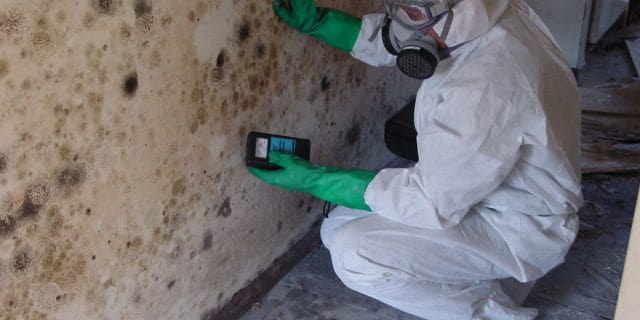
When mold remediation is done right, the difference isn’t just visible — it’s felt. The musty smell that’s been lingering in your basement since last spring’s flooding is gone. Your allergist stops asking if something’s changed at home. You stop second-guessing whether the air your kids are breathing is clean.
Deer Park’s housing stock creates specific conditions that most remediation companies don’t account for. The post-war cape cods and split-levels throughout the community were built long before vapor barriers, modern attic ventilation standards, or moisture-resistant building materials were common practice. That means moisture gets in through aging foundation walls, sits under floors, and collects in attics that were never designed to breathe the way they should. When you fix the source and remove the mold properly, you’re not just cleaning a surface — you’re addressing something structural that’s been working against your home for years.
With a median home value near $543,500, what you’re protecting here isn’t just your family’s health — it’s your single largest financial asset. Mold that goes untreated or gets remediated poorly can reduce a home’s resale value by 20 to 37 percent. In Deer Park’s active real estate market, where buyers and their inspectors look carefully, that’s not a number you want to test.
We’ve been serving Long Island homeowners for over three decades. Our owner, Richard Peterson, holds personal New York State licenses in both mold assessment and mold remediation contracting — not a company-level registration, but an individually held license you can look up through the NYS Department of Labor yourself. Every technician on our team is IICRC-certified, which means the people physically doing the work in your home have been trained and tested to the industry’s highest standard.
Deer Park sits at the northeastern corner of the Town of Babylon, right where the Pine Barrens begin. That geography matters more than most homeowners realize — the sandy, groundwater-sensitive soils in this area behave differently than what you’d find in other parts of Suffolk County, and they affect how moisture moves around and under your foundation. That’s local knowledge that takes years to develop, not something you pick up from a national franchise training manual. We’ve built our understanding of Deer Park’s soil composition and drainage patterns through decades of work in this specific community.
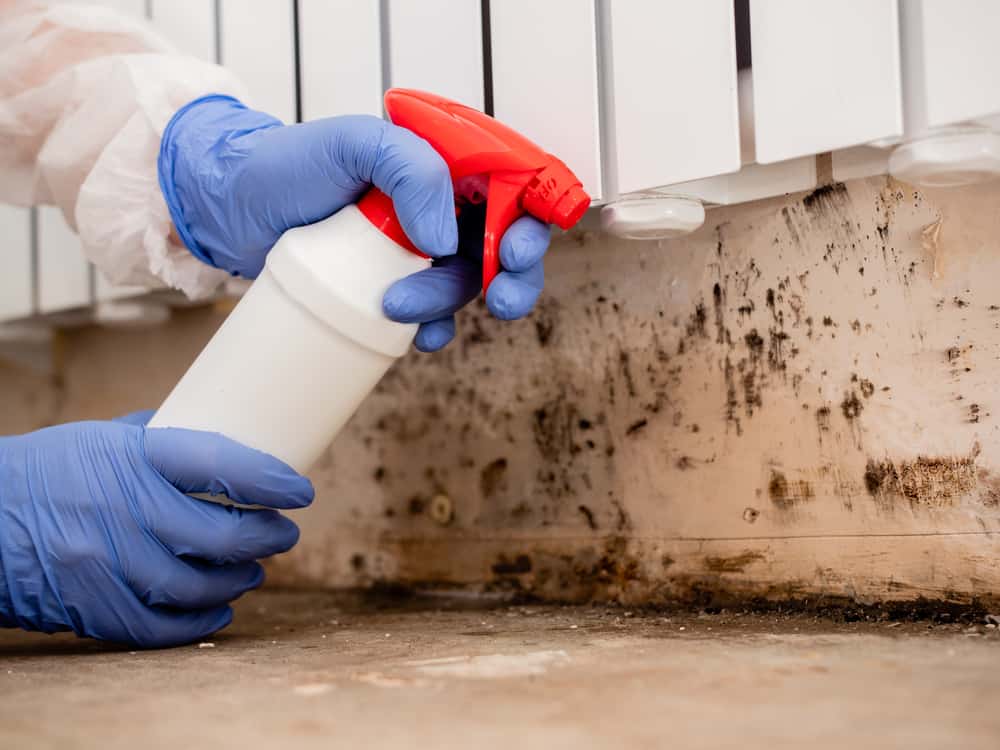
It starts with a thorough assessment — not a quick walk-through with a flashlight, but a real inspection that identifies where the mold is, how far it’s spread, and what’s causing the moisture that’s feeding it. In Deer Park homes, that often means checking behind finished basement walls, inside attic cavities where ventilation is limited, and in crawl spaces that haven’t been properly sealed. Finding the source isn’t optional — it’s the whole point. Skip that step and you’re just cleaning a surface that’s going to grow back.
Once the assessment is complete, we set up containment before anything else is touched. That means negative air pressure, physical barriers, and a controlled environment that keeps mold spores from spreading to unaffected areas of your home while the work is being done. Then the remediation itself begins — removal of contaminated materials, antimicrobial treatment of affected surfaces, and structural drying where water intrusion has been involved. Under New York State’s Article 32 mold licensing law, this work must be performed by a licensed remediation contractor. Richard Peterson’s license covers every job we perform.
After the work is done, we conduct post-remediation verification testing to confirm that spore counts have returned to normal levels. You get documentation — a clearance report — that you can hand to your insurance company, your real estate attorney, or simply keep for your own records. That’s how you know the job was actually finished, not just started.
Ready to get started?
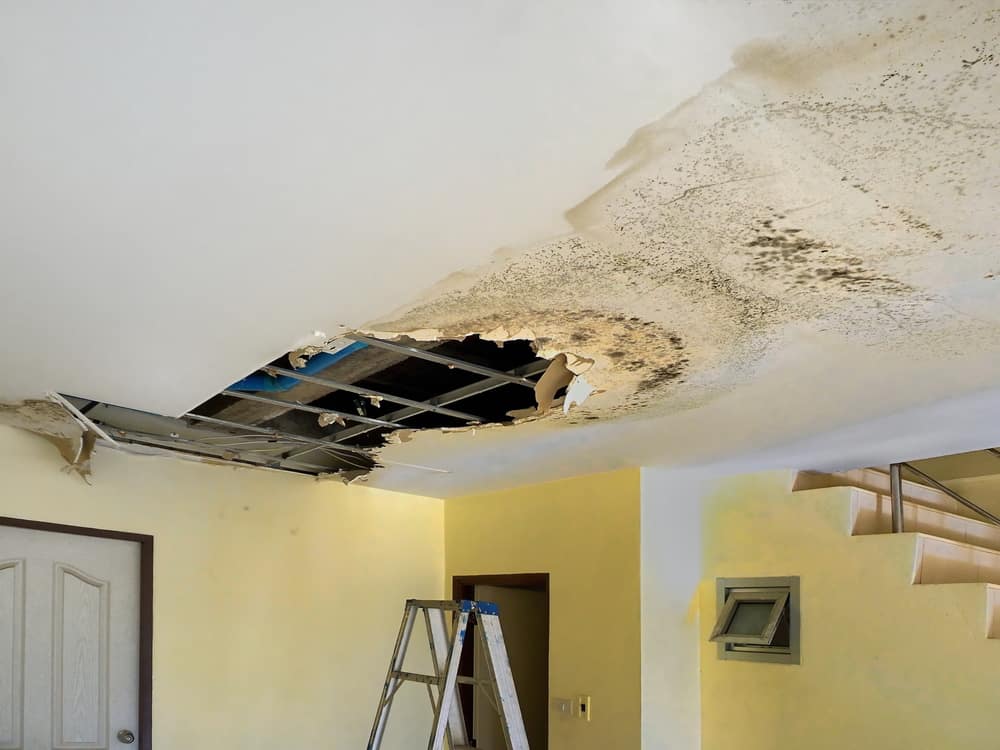
Mold in Deer Park shows up in predictable places — and a few that catch homeowners off guard. Basement mold remediation is the most common call, especially after nor’easters push water through aging foundation walls or overwhelm drainage systems that were installed during the postwar development boom. Crawl space mold remediation is close behind, particularly in homes where vapor barriers were never installed or have deteriorated over time. Attic mold remediation is the one that tends to surprise people — it’s often discovered during a pre-sale inspection, days before a closing is scheduled, and it’s almost always the result of ventilation that hasn’t kept pace with the insulation added over the years.
We handle all of it. Black mold remediation, emergency mold remediation after flooding, mold cleanup following a burst pipe — the same licensed, IICRC-certified team responds to all of it, 24 hours a day, seven days a week. There’s no subcontracting, no handoff to a crew you’ve never met. Our integrated cleaning division also handles the full restoration cycle, so you’re not left coordinating a second company to finish what we started.
For Deer Park homeowners navigating an insurance claim, we document the damage in the format carriers require and assist through the claims process. Mold and water damage claims make up a significant share of homeowner insurance filings in Suffolk County — knowing how to present that documentation correctly makes a real difference in how those claims are resolved.
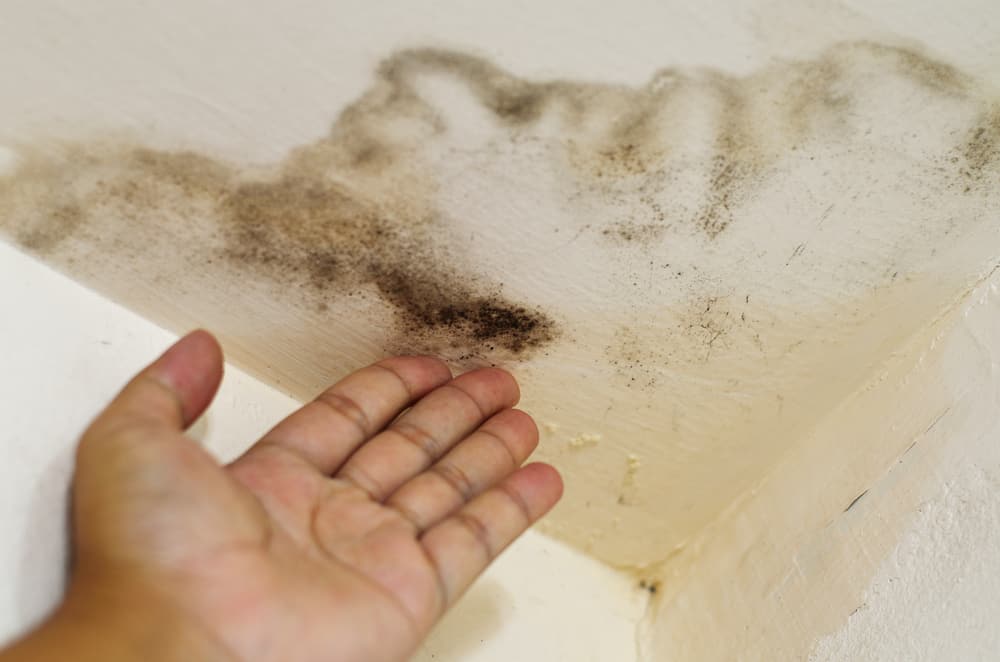
The honest answer is that cost depends on where the mold is, how far it’s spread, and whether the moisture source requires structural repair. For most residential projects, professional mold remediation runs between $1,223 and $3,754. Attic mold remediation in Deer Park homes tends to run higher — typically $1,500 to $9,000 — because of the labor involved in working in tight attic spaces and the extent of contamination that can develop when ventilation issues go unnoticed for years. Crawl space work generally falls between $500 and $4,000, and can go higher when encapsulation is also needed.
What drives cost up most is delay. Mold begins growing within 24 to 48 hours of water intrusion, and every day it goes untreated, it spreads further into building materials that then need to be removed rather than treated. Getting an accurate assessment early — before you’re dealing with a much larger scope — is almost always the more cost-effective path.
It depends on the cause. Most standard homeowner’s insurance policies in New York will cover mold remediation when it’s the direct result of a covered peril — a burst pipe, storm flooding, or a sudden water intrusion event. What they typically won’t cover is mold that developed from long-term neglect, a slow leak that went unaddressed, or pre-existing conditions that weren’t disclosed. The distinction matters, and it’s often where claims get complicated.
Documentation is everything in these situations. The way the damage is photographed, described, and reported to your carrier can directly affect whether a claim is approved or denied. We help Deer Park homeowners compile and present that documentation correctly, which is something most remediation companies don’t offer. If you’re dealing with a mold situation that started with a storm event or a plumbing failure, it’s worth understanding your coverage before you assume you’re paying out of pocket.
The most common reason is that the moisture source was never fixed. A contractor removes the visible mold, applies an antimicrobial treatment, and closes out the job — but if the foundation wall is still allowing water in, or the sump pump is undersized for the drainage load, or there’s no vapor barrier in the crawl space, the conditions that caused the mold are still fully intact. It’s going to grow back. This is one of the most consistent complaints homeowners have about mold remediation companies across Long Island.
In Deer Park specifically, the groundwater-sensitive soils near the Pine Barrens can cause moisture to push up through basement floors and crawl space subgrades in ways that aren’t always obvious during a surface inspection. A proper remediation starts with identifying and correcting the source — not just cleaning what’s visible. If a company skips the moisture mapping step, the remediation is incomplete by definition, regardless of how clean the surfaces look when they leave.
New York State’s Article 32 mold licensing law has been in effect since January 1, 2016. Under that law, anyone performing mold assessment or mold remediation in New York must hold a valid, state-issued individual license — not just a business registration or a certification from a trade association. You can verify any contractor’s license directly through the NYS Department of Labor’s online license lookup tool. It takes about two minutes, and it’s worth doing before you sign anything.
This matters for a few reasons beyond the legal requirement. If you hire an unlicensed contractor and something goes wrong, your insurance company may deny the claim on the grounds that the work wasn’t performed by a licensed professional. And from a practical standpoint, the licensing process requires specific training and examination — it’s a baseline indicator that the person doing the work actually knows what they’re doing. Richard Peterson’s personal mold assessor and remediation contractor licenses are both verifiable through the state’s system.
This is one of the most stressful situations a homeowner or buyer can face, because it usually comes with a closing deadline attached. The first thing to understand is that a mold discovery during inspection doesn’t automatically kill a deal — but it does require a fast, documented response. Buyers, sellers, and their attorneys will all want to see a clearance report from a licensed remediation contractor confirming that the mold has been properly addressed before the transaction moves forward.
In Deer Park’s real estate market, where median home values are near $543,500, the financial stakes of a delayed or failed closing are significant. We respond quickly to inspection-driven situations, provide the assessment and remediation documentation that real estate attorneys require, and issue post-remediation clearance reports that satisfy buyers and their representatives. The key is moving quickly — the longer the remediation is delayed, the more likely the deal falls apart or the seller is forced into a larger price concession than the remediation itself would have cost.
In most cases, yes — but it depends on where the mold is and how extensive the contamination is. When mold is confined to a single area like an attic, a crawl space, or a section of basement, proper containment barriers and negative air pressure systems allow the rest of the home to remain livable during the work. The containment setup is specifically designed to prevent spores from migrating into unaffected areas, so if it’s done correctly, you’re not being exposed to elevated spore counts in the parts of the house you’re still using.
Where temporary relocation becomes a real consideration is when mold has spread into HVAC systems, multiple rooms, or central living areas — situations where containment alone can’t fully isolate the affected zones. That’s something we assess at the outset, not decided on the fly. If there’s any concern about air quality during the remediation process, post-remediation air testing will confirm whether spore counts in the living areas remained within normal range throughout the project. That documentation is part of the standard process, not an add-on.
Useful Links
Other Services we provide in Deer Park