
Mold Remediation in Dix Hills, NY
When a Million-Dollar Home Has a Mold Problem, You Need It Done Right
Hear from Our Customers
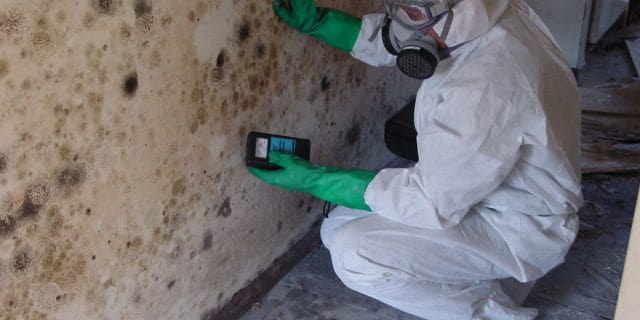
Basement Mold Remediation Dix Hills, NY
Dix Hills sits on hilly terrain, and that’s not just a landscape feature it’s a moisture problem. Water follows the land, and in a community built on grades and slopes near the headwaters of the Nissequogue River, groundwater pushes against basement walls in ways that flat-terrain towns simply don’t experience. That pressure doesn’t stop when the rain does. It works quietly, over months and years, until the conditions inside your basement walls become exactly what mold needs to grow.
Add in the mature tree canopy that makes neighborhoods like Rolling Hills and West Hills so desirable, and you’ve got shaded roof surfaces that stay damp longer than they should which is one of the most reliable setups for attic mold on Long Island. The same wooded character that gives your property its privacy and curb appeal is also slowing down the evaporation that keeps mold from taking hold.
When we complete mold remediation in Dix Hills, NY correctly, the difference is tangible. The musty smell is gone. The air quality is verified with post-remediation testing not just assumed. And you have documentation that protects your home’s value in any future real estate transaction, which matters a lot when your home is worth over a million dollars and buyers’ attorneys are thorough.
Certified Mold Remediation Company Dix Hills, NY
First Response Restoration and Cleaning Inc. has been working in Long Island homes for approximately 31 years, including the communities in and around Dix Hills. That’s not a number pulled from a marketing sheet it’s the length of time we’ve been showing up for homeowners across Suffolk County through nor’easters, flooding events, water main breaks, and the kind of quiet moisture problems that don’t announce themselves until the damage is already done.
Richard Peterson, our owner, holds personal New York State licenses in both mold assessment and mold remediation contracting. That’s not a company-level credential sitting in a filing cabinet it’s his license, his name, and his accountability on every job. Every technician on our team holds IICRC certification, which means the people physically working in your home have been trained and tested against the industry’s recognized standard for professional mold remediation.
We also operate an integrated cleaning division, so when the remediation work is complete, the cleanup doesn’t fall to a second contractor. One company handles the full cycle from the first call to the final clearance.
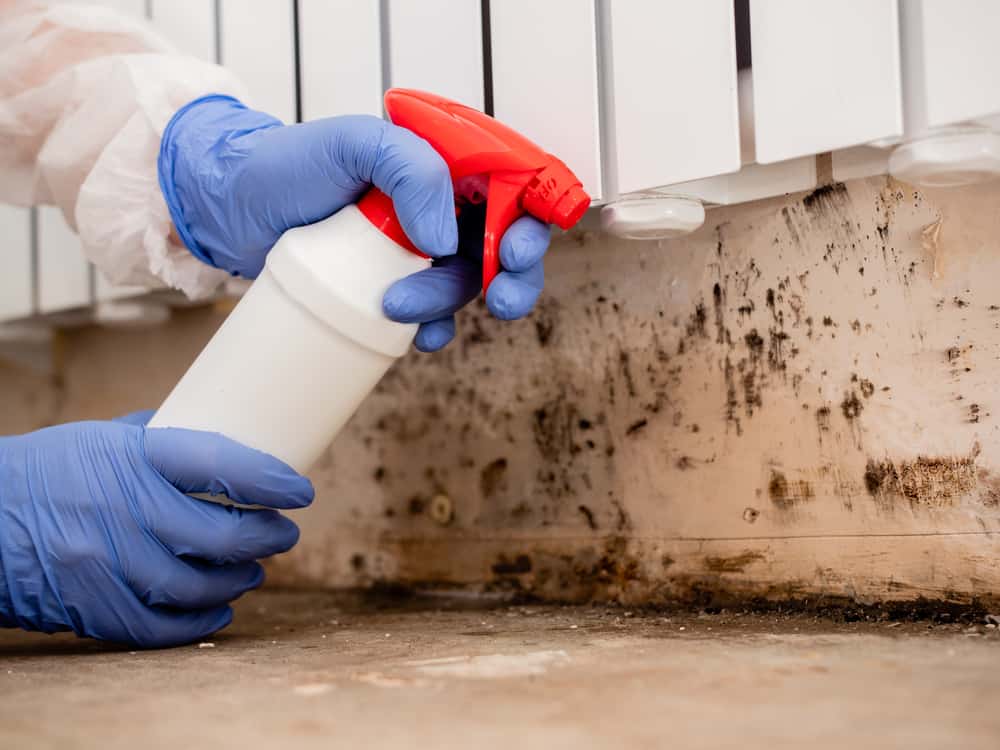
Professional Mold Remediation Process Dix Hills, NY
It starts with a thorough assessment. Before anything is touched, we identify the source of the moisture. In Dix Hills, that often means tracing lateral groundwater intrusion in older basement walls, checking attic sheathing on north-facing roof surfaces under heavy tree cover, or investigating crawl space conditions in ranch-style homes built in the 1960s and 70s. Removing mold without finding and correcting what caused it is the reason mold comes back and it’s the step that separates a real remediation from a surface cleanup.
Once the source is identified, we establish containment to isolate the affected area and prevent spores from spreading to the rest of the home during the removal process. The mold is then removed using IICRC S520-standard protocols the benchmark document for professional mold remediation. Affected materials that can’t be cleaned are removed, bagged, and disposed of in compliance with Suffolk County and New York State environmental regulations. Antimicrobial treatment is applied to the structural surfaces that remain.
New York State’s Article 32 mold licensing law requires that the assessor and the remediation contractor be separate entities a consumer protection provision designed to prevent conflicts of interest. We operate in compliance with this requirement. When the work is complete, independent post-remediation air quality testing verifies the result, and you receive a clearance report the documented proof that the job was done correctly.
Ready to get started?
Attic and Crawl Space Mold Remediation Dix Hills, NY
Mold in Dix Hills homes doesn’t follow a single pattern. In the older housing stock built between the 1950s and 1980s which makes up the majority of the hamlet’s residential properties you’ll find it in basements with poured concrete or block walls that have been absorbing lateral moisture for decades. You’ll find it in attics where older ventilation systems weren’t designed for today’s energy-efficient insulation standards, creating condensation on roof sheathing that never fully dries under the tree canopy. You’ll find it in crawl spaces beneath ranch-style homes where vapor barriers were never installed or have long since deteriorated.
Black mold remediation in Dix Hills, NY is one of the more common calls particularly following heavy rainfall events. When mold begins growing within 24 to 48 hours of water intrusion, homeowners who didn’t have professional drying performed after that kind of event may have active growth they’ve never seen.
We offer emergency mold remediation in Dix Hills, NY 24 hours a day, seven days a week. Whether it’s a basement that flooded overnight, a pipe that burst during a winter freeze, or a mold discovery during a pre-closing home inspection in the Half Hollow Hills school district our response is the same: fast, thorough, and fully documented. We handle mold cleanup and remediation, mold damage repair, and post-remediation verification all under one roof, by one team, with one point of accountability.
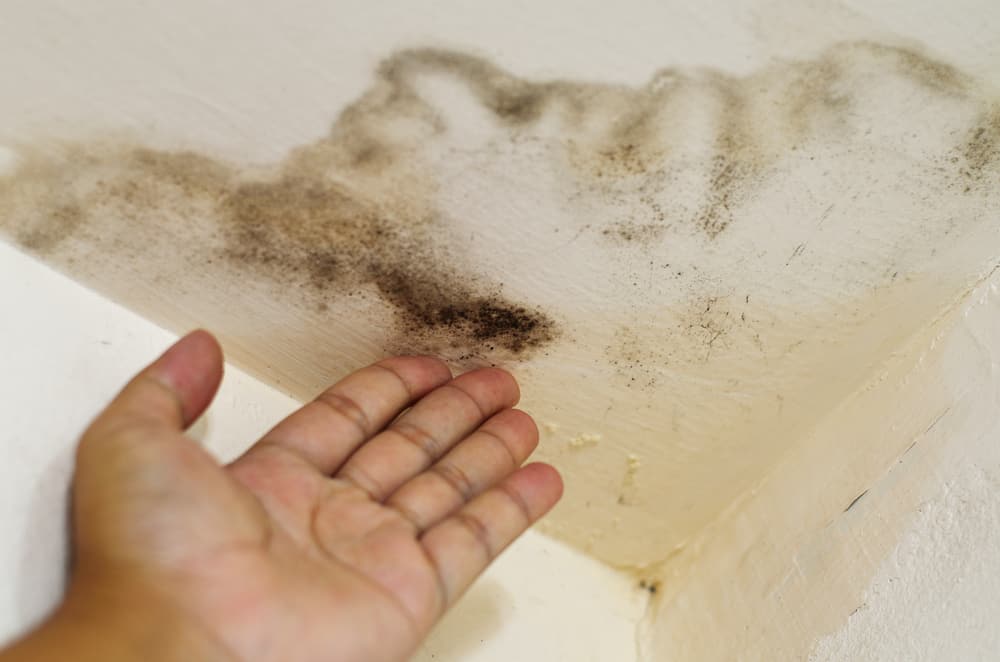
How much does mold remediation cost in Dix Hills, NY?
The honest range for most residential mold remediation projects falls between $1,223 and $3,754, with a national average around $2,347. What moves the number up or down is scope how large the affected area is, what materials are involved, whether structural components need to be removed, and how accessible the space is. A surface mold issue in a finished basement is a different project than mold in the framing and insulation of an attic that’s been accumulating moisture under a shaded roof for several years.
In Dix Hills, where the median home value exceeds $1.1 million, the cost of professional mold remediation is proportionally small relative to the asset being protected. Mold contamination can reduce a home’s resale value by 20 to 37 percent, and roughly half of potential buyers will walk away from a transaction when mold is discovered even if it’s already been remediated without documentation. A written scope, a clear estimate before work begins, and a post-remediation clearance report are what make the investment defensible and the outcome verifiable.
What is the difference between mold remediation and mold removal?
Mold removal refers to the physical act of getting rid of visible mold wiping it down, cutting out affected drywall, or applying a surface treatment. Mold remediation is the full process: identifying the moisture source, containing the affected area, removing the mold using industry-standard protocols, treating the structural surfaces that remain, and verifying the outcome with post-remediation air quality testing. Removal without remediation is like treating a symptom without addressing the cause.
This distinction matters in practice. A contractor who cleans the visible mold in your Dix Hills basement without identifying and correcting the groundwater intrusion that caused it is leaving the conditions in place for mold to return often within a season. Certified mold remediation follows the IICRC S520 standard, which defines each step of the process from initial assessment through post-remediation verification. That’s the standard we work to on every project.
Is mold common in Dix Hills homes, and what causes it here specifically?
Yes and the reasons are specific to the way Dix Hills is built and where it sits. The community’s hilly topography creates lateral groundwater pressure against basement walls that flat-terrain communities don’t experience. Local waterproofing contractors specifically identify runoff from sloped lots near the Vanderbilt Parkway corridor and groundwater pressure near the Nissequogue River headwaters as significant contributors to basement moisture in this area. When that moisture finds its way into wall cavities, insulation, or subfloor spaces, the conditions for mold growth are already in place.
The wooded character of the community adds another layer. Shaded roof surfaces particularly north-facing surfaces under heavy tree cover in neighborhoods like Rolling Hills and West Hills stay damp longer after rain and dew. Older attic ventilation systems in homes built in the 1960s and 70s weren’t designed to handle the insulation levels most homeowners have added over the years, which creates condensation problems that quietly feed mold growth in the attic framing and sheathing. These aren’t generic risk factors they’re specific to the conditions in Dix Hills.
Can I stay in my house during mold remediation in Dix Hills, NY?
It depends on the scope and location of the mold. For smaller, contained projects surface mold in a single room, a section of basement wall, or a crawl space most homeowners can remain in the home during remediation as long as containment barriers are properly established and maintained. Containment is not optional it’s the step that prevents mold spores from being disturbed during removal and redistributed through your HVAC system or into living spaces.
For larger projects involving significant attic mold, multi-room contamination, or mold that has reached the HVAC system itself, temporary relocation is often the more practical and safer choice particularly in households with children, elderly residents, or anyone with respiratory sensitivities. Given that 39 percent of Dix Hills households have children under 18, this is a real consideration for many families in the area. We give you a clear, honest answer about whether displacement is necessary before work begins not after the containment is already up.
Does homeowner's insurance cover mold remediation in New York?
It depends on the cause. Most standard homeowner’s insurance policies in New York will cover mold remediation when the mold is a direct result of a covered peril a sudden pipe burst, an appliance leak, or storm-related water intrusion. What they typically won’t cover is mold that developed from long-term moisture intrusion, deferred maintenance, or gradual seepage the kind of slow groundwater intrusion that is common in Dix Hills basements due to the community’s sloped terrain and aging foundation construction.
The documentation you have or don’t have after a water event matters significantly when it comes to insurance claims. If you experienced flooding from a heavy rainfall event or any sudden water intrusion and didn’t have professional drying performed and documented at the time, a claim filed later becomes harder to support. Working with a licensed mold remediation contractor who provides written scope, photos, and a post-remediation clearance report gives you the paper trail that makes a claim defensible. It’s worth a call to your insurer before work begins to understand what your specific policy covers.
How do I know if the mold remediation was actually done correctly?
The only way to know for certain is post-remediation verification independent air quality testing performed after the remediation work is complete. This testing measures mold spore counts in the treated areas and compares them to baseline outdoor levels. When the numbers come back within normal range, you have documented proof that the remediation achieved its goal. When they don’t, you know the work isn’t finished. A contractor who is confident in their process will have no problem with independent verification and one who resists it is telling you something important.
In Dix Hills, where real estate transactions involve buyers’ attorneys, lenders, and home inspectors scrutinizing every condition disclosure on properties worth over a million dollars, a clearance report isn’t just peace of mind it’s a transactional asset. If you’re selling a home in the Half Hollow Hills school district and mold was discovered and remediated, a documented clearance report from a licensed contractor is what allows the transaction to move forward cleanly. Without it, you’re asking a buyer to take your word for it and in this market, that’s not a position you want to be in.
Useful Links
Other Services we provide in Dix Hills