
Mold Remediation in East Hampton North, NY
Coastal Homes Hide Mold. We Find It and Finish It.
Hear from Our Customers
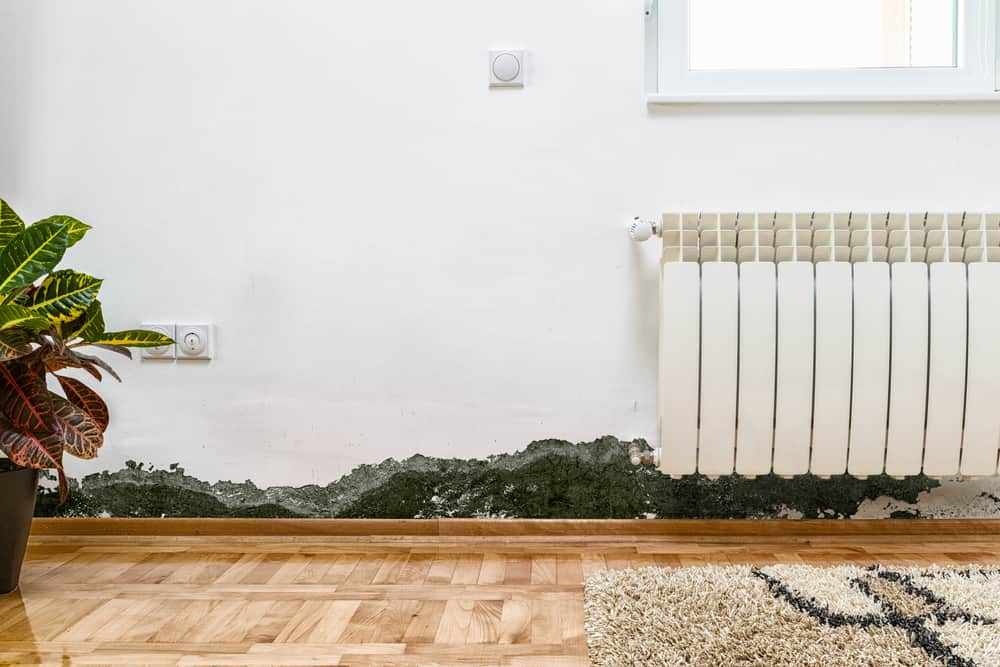
Mold Damage Repair in East Hampton North
When mold remediation is done right, you stop reacting and start breathing literally. No more musty smell when you open the door to a seasonal property you haven’t visited since fall. No more wondering whether what’s behind that wall in your crawl space is going to cost you a sale. When the source is found and corrected, not just the surface wiped down, you’re not calling someone again in six months.
For East Hampton North homeowners, that matters more than most places. Properties here sit vacant for months at a time, and the ambient humidity rolling off Three Mile Harbor and Accabonac Harbor doesn’t let up. Moisture finds its way in through crawl spaces, aging roof lines, and gaps in vapor barriers and with no one home to catch it early, mold has weeks to establish itself before anyone knows it’s there. A proper remediation stops that cycle.
The real estate angle is just as real. Mold discovered during a home inspection in this market where median home values sit near $925,000 can kill a deal or knock tens of thousands off a sale price. A documented, verified remediation with a post-remediation clearance report protects the transaction. That’s not a bonus. That’s the job.
Certified Mold Remediation Companies East Hampton North
We’ve been working on Long Island for approximately 31 years, and we know East Hampton North’s specific challenges intimately. That’s not a number thrown in to sound impressive it means we’ve handled the full range of what the South Fork throws at properties: post-storm flooding near the Springs waterfront, winter pipe failures in unheated seasonal homes, crawl space mold in the older ranch-style housing stock north of East Hampton Village. This isn’t theoretical knowledge. It’s from doing the work here.
What sets us apart in a market full of contractors is owner Richard Peterson’s personal New York State licensure in both mold assessment and mold remediation under Article 32 of the NYS Labor Law. That’s a verifiable credential you can look it up through the NYS Department of Labor. Every technician on our team holds IICRC certification, meaning the people physically inside your home have been formally trained and tested to the industry’s standard protocol.
And because we also operate a full cleaning division, you’re not coordinating three different contractors after the remediation is done. One company handles the complete cycle, start to finish.
Professional Mold Remediation Process East Hampton North
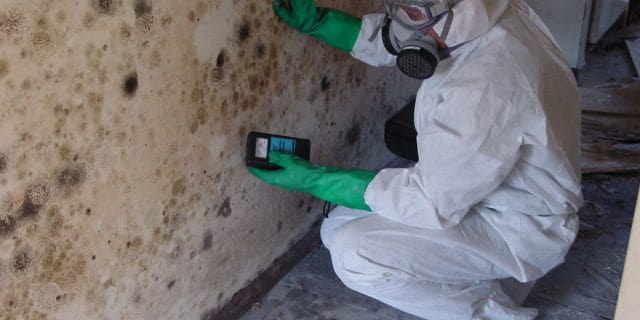
It starts with assessment. Before anything is removed or treated, the source of the moisture has to be identified. In East Hampton North, that often means checking crawl spaces with inadequate vapor barriers, attic spaces where coastal humidity has been accumulating against the roof sheathing, or areas affected by water intrusion following a nor’easter or storm surge event near the harbor. Skipping this step is why mold comes back. We don’t skip it.
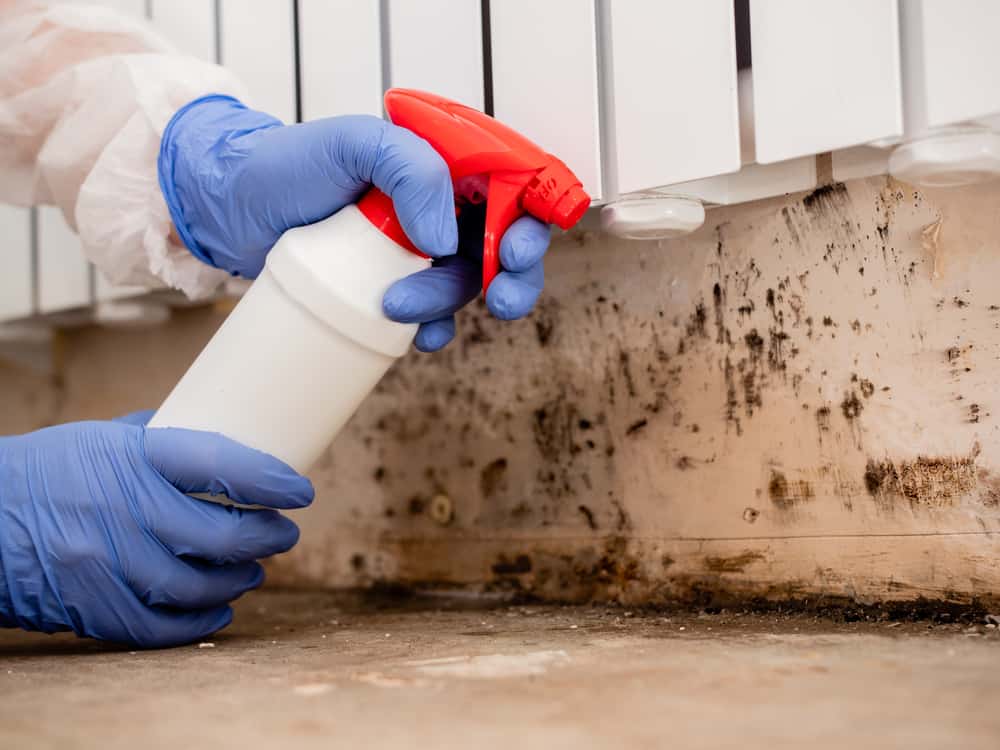
Once the source is mapped, containment goes up. This keeps mold spores from spreading to unaffected areas of your home during the removal process a critical step that unlicensed or undertrained contractors routinely skip. The actual remediation follows the IICRC S520 protocol: affected materials are removed, treated, and disposed of properly. Antimicrobial treatments are applied to the structural surfaces that remain.
After the work is done, post-remediation verification confirms that spore counts have returned to acceptable levels. You get a written clearance report the documentation your real estate attorney, lender, or insurance carrier will ask for. East Hampton Town’s building department may also require permits for structural work like drywall removal, and we navigate that process as part of the job. From the first call to the final clearance report, you know exactly where things stand.
Ready to get started?
Black Mold Remediation Services East Hampton North NY
Mold remediation in East Hampton North isn’t one-size-fits-all and any company that quotes you without a proper assessment is guessing. The scope of work depends on where the mold is, how far it’s spread, what’s behind the surface, and what caused it. We handle the full range: basement mold remediation, attic mold remediation, crawl space mold remediation, and emergency mold remediation following water intrusion events.
Crawl space work in this area often includes encapsulation after remediation because the coastal humidity that feeds mold in the first place doesn’t go away on its own. Attic mold in older East Hampton North homes is frequently tied to inadequate soffit ventilation, which allows warm, humid air to condense against the roof sheathing through the winter. Black mold remediation requires careful containment and proper disposal not just bleach and a mask. These are the conditions our team has been working in for decades on Long Island, and the approach is calibrated accordingly.
Cost typically ranges from $1,223 to $3,754 for most residential projects, with attic remediation running $1,500 to $9,000 and crawl space remediation from $500 to $4,000 or more depending on extent and whether encapsulation is needed. We provide a written estimate before any work begins no vague ranges, no surprise invoices. If your mold event is tied to storm damage or a plumbing failure, we also help document the damage in the format your insurance carrier requires.
Does New York State require a license for mold remediation in East Hampton North?
Yes and this is one of the most important questions you can ask before hiring anyone. Under Article 32 of the New York State Labor Law, which went into effect January 1, 2016, it is illegal to perform mold assessment or mold remediation in New York without a valid state-issued license. That applies fully in East Hampton North and throughout Suffolk County. The law also prohibits the same company from performing both the assessment and the remediation on the same property a consumer protection measure designed to prevent conflicts of interest.
Why does this matter practically? If you hire an unlicensed contractor, your insurance carrier may deny the claim on the grounds that the work wasn’t performed by a licensed professional. And if you’re in the middle of a real estate transaction, an unlicensed remediation won’t produce the documentation your buyer’s attorney or lender will accept. Before signing anything, ask for the contractor’s NYS mold license number and verify it through the Department of Labor’s online lookup tool. Richard Peterson holds both a mold assessor license and a mold remediation contractor license both verifiable, both current.
How much does mold remediation typically cost in East Hampton North, NY?
For most residential projects, professional mold remediation runs between $1,223 and $3,754. That range covers standard remediation in a basement, bathroom, or contained area of a home. The number climbs when the affected area is larger or harder to access attic mold remediation in East Hampton North homes typically runs $1,500 to $9,000, and crawl space remediation ranges from $500 to $4,000 or more, especially when encapsulation is included to address the ongoing coastal humidity that caused the problem in the first place.
What drives cost up most is scope how far the mold has spread, whether it’s inside wall cavities or structural framing, and how much material needs to be removed and replaced. In East Hampton North, where seasonal properties can sit vacant for months without climate control or monitoring, mold often has more time to spread before it’s discovered, which tends to push scope and cost higher than it would be in a year-round occupied home caught early. Getting an accurate assessment before agreeing to any number is the only way to know what you’re actually dealing with.
Can mold in my East Hampton North home affect a real estate sale or closing?
It absolutely can and in the East Hampton North market, it often does. Mold discovered during a home inspection is one of the most common reasons deals stall or fall apart entirely. Research consistently shows that roughly 50% of potential buyers walk away from a transaction when they discover a mold history, even if the problem has already been addressed. And in a market where the median home value in East Hampton North sits near $925,000, even a negotiated price reduction due to mold can mean losing tens of thousands of dollars.
The good news is that a properly documented remediation one that includes a post-remediation clearance report from independent air quality testing can satisfy buyers, their attorneys, and lenders. The key word is “documented.” A remediation without a written clearance report, or one performed by an unlicensed contractor, typically won’t hold up to the scrutiny of a real estate transaction in this market. If you’re preparing to list a property or are already under contract and mold has been flagged, the priority is getting licensed remediation done quickly and getting the clearance paperwork in hand before the closing timeline is affected.
Why does mold keep coming back after I've already had it treated?
Because the moisture source wasn’t fixed only the visible mold was removed. This is the most common reason homeowners end up calling a second or third company after spending money on remediation that didn’t last. Mold is a symptom. The moisture that feeds it is the actual problem, and if that’s still present after the mold is removed, regrowth is just a matter of time.
In East Hampton North, persistent moisture sources are often structural and environmental rather than one-time events. A crawl space without proper vapor barrier installation will keep pulling humidity from the ground year after year. An attic without adequate soffit ventilation will keep trapping warm, humid air against the roof sheathing every winter. A property near Three Mile Harbor or Accabonac Harbor sits in a consistently high-humidity microclimate that makes any gap in the building envelope a potential entry point for moisture. Our process starts with moisture mapping identifying where the water is coming from and why before any mold is removed. Correcting the source is what makes the remediation last.
Is mold remediation covered by homeowner's insurance in New York?
It depends on what caused the mold and the documentation matters more than most homeowners realize. In New York, homeowner’s insurance typically covers mold remediation when it results directly from a covered event: a burst pipe, storm damage, a roof failure from wind. What policies generally don’t cover is mold that developed from long-term moisture issues, deferred maintenance, or gradual water intrusion that the homeowner was aware of and didn’t address.
For East Hampton North homeowners, this distinction is especially relevant. Many mold events here are tied to storm damage from nor’easters, burst pipes in unheated seasonal homes, or roof leaks following winter weather all of which may be covered events. The key is documenting the damage correctly from the start, in the format your carrier requires. We help customers with that process not as a legal or insurance service, but because proper damage documentation from a licensed contractor is what gets claims approved rather than denied. If there’s any chance your mold event is connected to an insurable cause, that conversation should happen before remediation begins, not after.
How do seasonal vacancies in East Hampton North increase the risk of mold in my home?
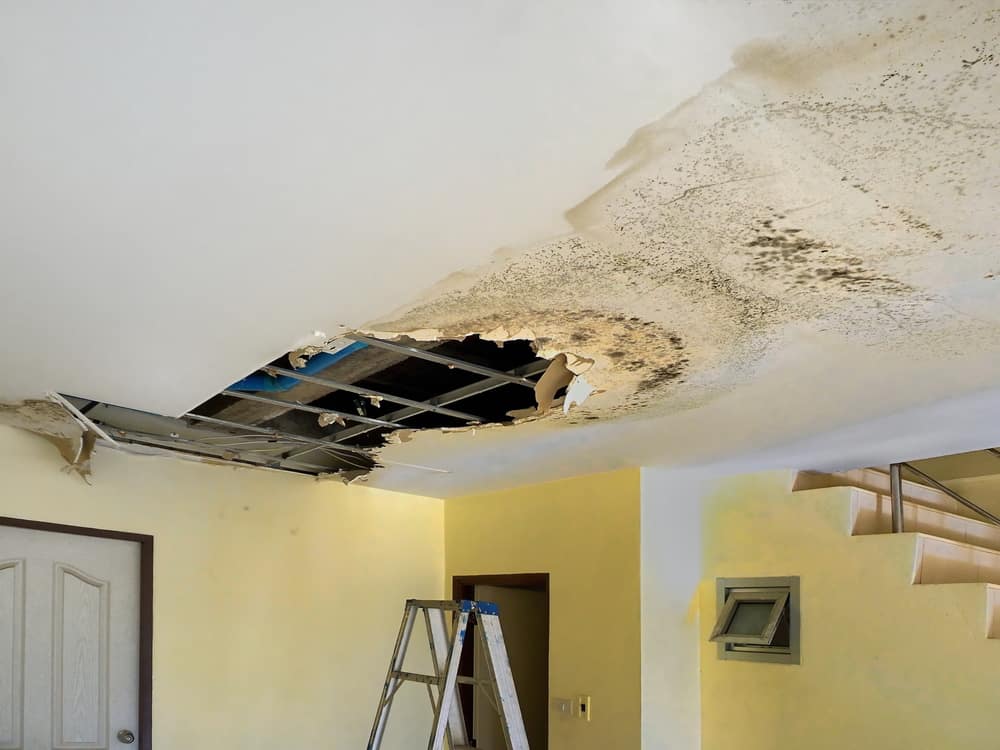
Significantly and it’s one of the most consistent patterns in this market. When a home sits unoccupied through fall and winter, any moisture intrusion event that happens during that time goes undetected. A slow roof leak after a November nor’easter. A pipe that freezes and fails in January in an unheated utility room. Condensation building up in a crawl space with no active dehumidification. Mold begins growing within 24 to 48 hours of water intrusion, so by the time a homeowner or property manager walks through in April or May, the problem has had months to develop behind walls, under flooring, and throughout the HVAC system.
The properties most at risk are those that are closed up without any active moisture monitoring no smart water sensors, no property manager doing regular walkthroughs, no climate control maintaining a stable interior environment. If you own a seasonal property in East Hampton North or the surrounding Springs area and you’re not actively monitoring it through the off-season, a spring mold inspection before you or your guests occupy the home is worth doing every year. Catching a small problem in April is a fraction of the cost and disruption of discovering a large one in June when the rental season is already underway.
Useful Links
Other Services we provide in East Hampton North