
Hear from Our Customers
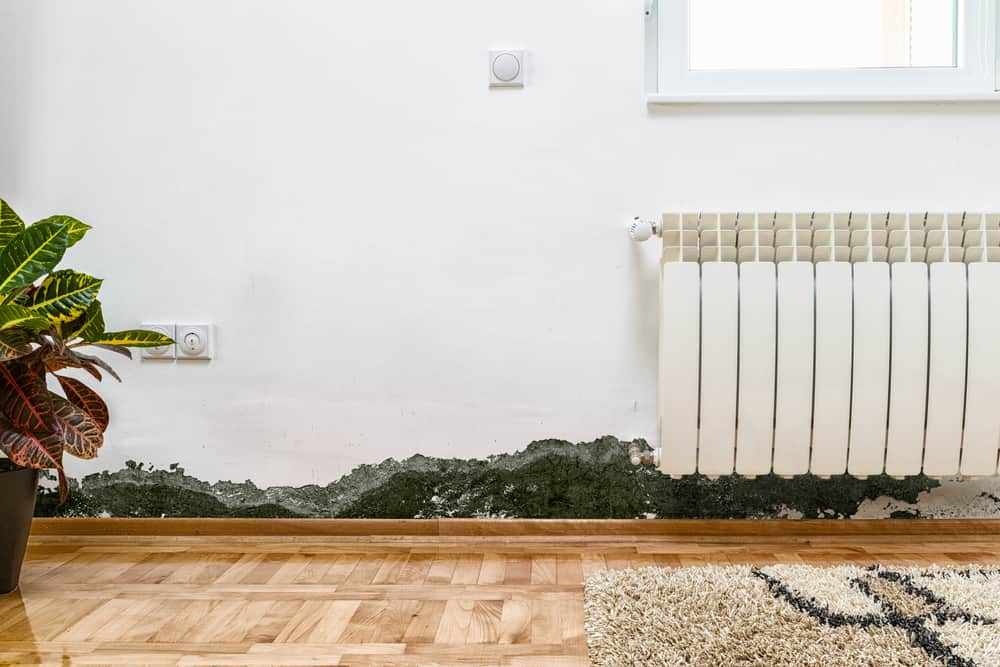
There’s a specific kind of dread that comes with reopening a seasonal home in East Hampton after a long winter. You walk in expecting dusty surfaces and stale air — and instead you find dark spots creeping up a basement wall, a musty smell coming from the crawl space, or visible growth behind furniture that sat against an exterior wall for five months. That’s what happens when a property sits unheated, unventilated, and unmonitored in a town surrounded by water on three sides.
When mold remediation is done right, you get more than clean walls. You get a property that’s safe to occupy, documented proof that the work was completed to New York State standards, and a clear picture of where the moisture came from so it doesn’t happen again next winter. For a home in East Hampton — where the median list price sits above $1.5 million — that documentation isn’t just peace of mind. It’s protection for your investment, your insurance coverage, and any future real estate transaction.
The salt air and coastal humidity that make East Hampton beautiful are also relentless on building materials. Seals degrade, framing absorbs moisture, and older structures that predate modern vapor barriers give water a dozen ways in. Proper mold remediation addresses the structure, not just the surface — so you’re not dealing with the same problem six months from now.
We’ve been working across Long Island for over three decades, and that includes the East End — the historic estates in East Hampton Village, the waterfront properties around Three Mile Harbor and Accabonac Harbor in Springs, the beach cottages in Amagansett, and the year-round homes in Montauk that take the full force of every nor’easter that rolls through.
Richard Peterson, our owner, holds personal New York State licenses in both mold assessment and mold remediation — not a company-level credential filed away somewhere, but his own license, verifiable through the NYS Department of Labor. Every technician on our team carries IICRC certification under the S520 Standard for Professional Mold Remediation. That means the people who show up at your property have been formally trained and tested, not just handed a uniform.
We also run an integrated cleaning division alongside our restoration work. That matters because it means one company handles the full job — from initial assessment through final cleaning — without handing your property off to a second crew.

It starts with a thorough assessment. Before anything is touched, the scope of the problem needs to be mapped — not just the visible mold, but every area of moisture intrusion that allowed it to develop. In East Hampton properties, that often means checking crawl spaces in older structures, attic cavities in large estates with complex rooflines, and basement areas that may have flooded during the winter while the home sat vacant. If you haven’t been on the property in months, there’s frequently more going on than what’s immediately visible.
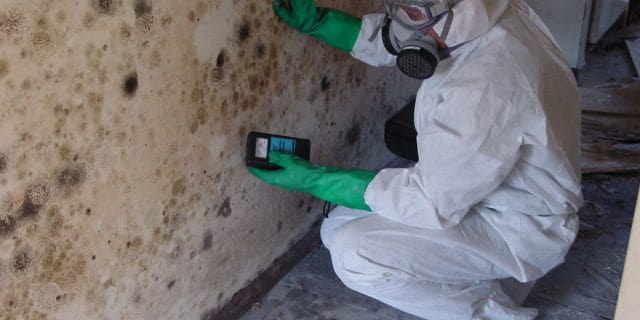
Once the assessment is complete, you get a clear written explanation of what was found and what needs to happen. Containment goes up to isolate the affected areas before any removal begins — this prevents spores from spreading to unaffected parts of the home during the remediation process. Removal follows the IICRC S520 protocol, which means contaminated materials are properly bagged, removed, and disposed of. Structural drying and antimicrobial treatment address the conditions that allowed mold to grow in the first place.
After the remediation work is finished, post-remediation verification is performed by an independent licensed mold assessor — a requirement under New York State’s Article 32 mold licensing law, which prohibits the same company from doing both the assessment and the remediation on a single project. That clearance report is the document that satisfies buyers, sellers, real estate attorneys, and insurance carriers. If you’re in the middle of a transaction or filing a claim, it’s the piece of paper that moves things forward.
Ready to get started?
East Hampton’s housing stock isn’t uniform. You’ve got historic homes in the village that were built before vapor barriers existed, sprawling estates in Wainscott with multiple additions across different eras, seasonal cottages in Amagansett that sit closed for half the year, and working waterfront properties in Montauk that take weather damage on a regular basis. Mold remediation in this market has to account for all of it.
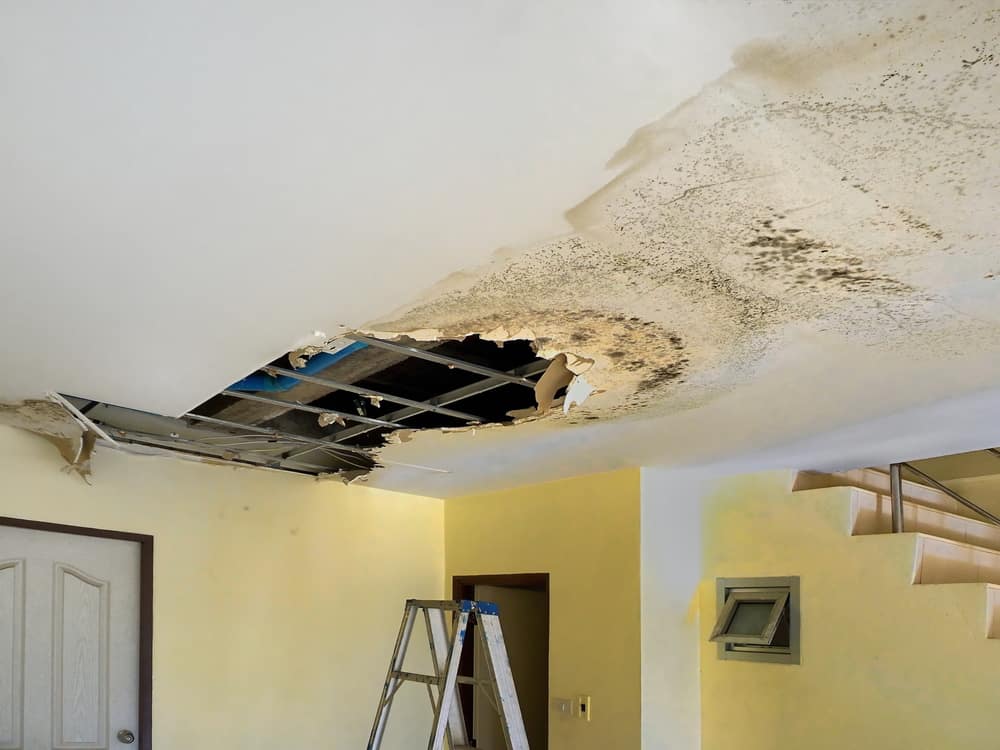
We handle the full range: basement mold remediation in year-round homes where groundwater intrusion is a recurring issue, crawl space mold remediation in older structures with inadequate ventilation, attic mold remediation in large properties where improper insulation or roofline complexity traps moisture, and emergency mold remediation when a pipe bursts in a vacant seasonal home and the damage has been sitting for weeks before anyone found it. Black mold remediation — including Stachybotrys, which thrives in the kind of prolonged moisture conditions that seasonal vacancy creates — is handled with the same licensed, documented process as any other job.
The work is also fully compliant with New York State Article 32, which has governed mold licensing in Suffolk County since January 1, 2016. If a contractor can’t hand you a verifiable NYS license number, that’s a problem — especially in East Hampton, where real estate attorneys and insurance adjusters will ask for it.
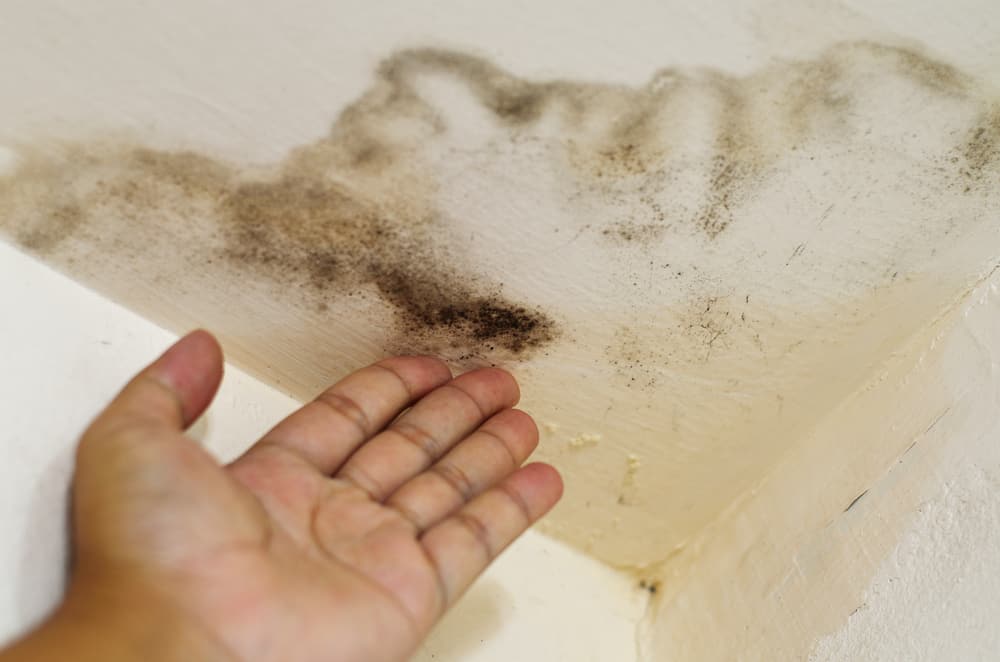
The combination of seasonal vacancy and East Hampton’s coastal environment is one of the worst conditions for mold prevention. When a home is closed in October and not reopened until May, a lot can happen in the months in between. Heating systems are often set to minimal temperatures to reduce costs, which allows interior temperatures to drop and condensation to form on cold surfaces. If a pipe freezes and bursts — which happens regularly in vacant properties during Suffolk County winters — water can sit in a basement or crawl space for weeks before anyone discovers it. Mold begins growing within 24 to 48 hours of water intrusion, so by the time you return in spring, what started as a burst pipe can be a significant mold infestation throughout the lower level of the home.
The surrounding geography makes it worse. East Hampton is bordered by the Atlantic Ocean, Block Island Sound, and Gardiners Bay — ambient humidity levels here are consistently higher than in inland Long Island communities. Salt air also degrades building materials over time, creating small gaps and entry points that give moisture more ways into the structure. If your property has been closed for the winter, a thorough assessment before you assume everything is fine is worth doing.
The honest answer is that it depends heavily on the scope. Nationally, most residential mold remediation projects fall somewhere between $1,200 and $3,800. In East Hampton, where labor costs are higher and properties are often larger and more complex, the total can climb significantly above that range — particularly for crawl space or attic mold in a large estate, or for a seasonal property where moisture went undetected for an entire winter and affected multiple areas of the home.
The factors that move the number up are usually square footage of the affected area, the type of materials involved (finished drywall versus exposed framing versus insulation), whether structural repairs are needed after contaminated materials are removed, and how accessible the affected area is. A basement mold situation in a straightforward year-round home in Springs is going to look different from a multi-room remediation in a historic estate on Further Lane. What you should expect from any legitimate contractor is a written estimate after a real assessment — not a number pulled from thin air over the phone.
It depends on what caused the mold and how your policy is written. In general, homeowner’s insurance covers mold remediation when the mold resulted from a covered sudden and accidental event — like a burst pipe or an appliance failure that caused water damage. If the mold developed gradually over time due to ongoing moisture issues, deferred maintenance, or conditions that were present for an extended period, most policies will not cover it.
In East Hampton, this distinction matters a lot for seasonal homeowners. If a pipe bursts in a vacant property in January and isn’t discovered until April, the insurance company may argue that the damage was not reported promptly and deny or reduce the claim. Documenting the event as quickly as possible — including photos, moisture readings, and a written assessment from a licensed contractor — is critical to protecting your claim. We help property owners organize that documentation in the format insurers require, which can make a significant difference in how a claim is received and processed.
The mold remediation process itself — containment, removal, antimicrobial treatment — does not typically require a building permit. However, if the remediation involves replacing structural components that were contaminated and removed, such as drywall, framing, or insulation, those repairs may require a permit from the East Hampton Town Building Department. The town is known for rigorous code enforcement, and the distinction between remediation work and structural repair work is one that property owners should clarify before work begins.
New York State’s Article 32 mold licensing law is the primary regulatory framework that governs the remediation process itself. It requires all mold assessors and remediation contractors to hold valid state-issued licenses, and it prohibits the same company from performing both the assessment and the remediation on the same project. That separation is a consumer protection measure built into state law. Any contractor working in East Hampton who cannot provide a verifiable NYS license number is operating outside the law — and that creates real liability for the property owner, not just the contractor.
Post-remediation verification is the independent testing step that confirms the remediation actually worked. After the removal and treatment are complete, a licensed mold assessor — someone separate from the remediation contractor, as required by New York State law — collects air samples and surface samples from the treated areas. Those samples are analyzed by a lab, and the results are compiled into a clearance report that documents the current mold spore levels in the home.
In East Hampton’s real estate market, that clearance report is often the document that determines whether a transaction moves forward. When mold is discovered during a home inspection on a property listed at $2 million or more, buyers and their attorneys want documented proof that the remediation was performed correctly and that the air quality has returned to acceptable levels — not just a contractor’s word that the job is done. Sellers benefit from having that documentation as well, because it removes the mold issue as a negotiating point and protects them from future liability claims. For any East Hampton property involved in an active or upcoming transaction, post-remediation verification isn’t optional — it’s the standard.
New York State maintains a public license lookup through the Department of Labor website. Any licensed mold assessor or mold remediation contractor operating legally in New York — including in East Hampton and throughout Suffolk County — will have a license number that you can search and verify online. If a contractor cannot give you a specific license number, or if the number doesn’t return a valid active license when you search it, that’s a clear signal to walk away.
This matters more in East Hampton than in most markets because the stakes of hiring an unlicensed contractor are unusually high here. If you file an insurance claim for mold damage and the remediation was performed by someone without a valid NYS license, the claim can be denied. If you sell a property with a representation that mold was professionally remediated, and the contractor was unlicensed, you may face legal exposure down the line. Real estate attorneys involved in Hamptons transactions routinely ask for contractor credentials as part of their due diligence. Richard Peterson holds personal NYS licenses in both mold assessment and mold remediation — both verifiable, both current — and that’s the baseline any legitimate contractor in this market should be able to meet.
Useful Links
Other Services we provide in East Hampton