
Mold Remediation in East Islip, NY
The Bay Brings the Moisture. We Remove What It Leaves Behind.
Hear from Our Customers
Certified Mold Remediation East Islip, NY
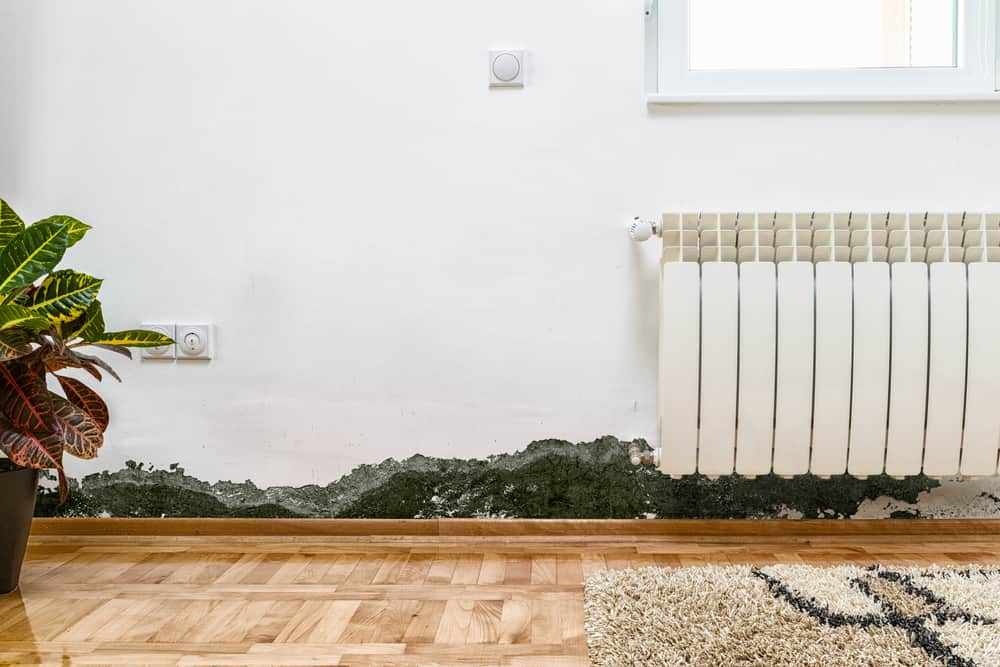
Living on the South Shore means your home deals with moisture year-round. The Great South Bay keeps ambient humidity elevated well beyond what inland communities experience, and East Islip’s older housing stock much of it built in the 1950s and earlier wasn’t designed with that kind of sustained moisture exposure in mind. Crawl spaces, attic framing, and masonry basement walls in homes like these absorb that moisture quietly, and mold follows. By the time you see it or smell it, it’s usually been growing for a while.
What changes after professional mold remediation isn’t just the absence of visible mold it’s the air quality in the rooms your family actually lives in. Parents in East Islip often notice that recurring respiratory issues, seasonal allergies, or that persistent musty smell in the lower level of the house clear up after the source is properly addressed. That’s because mold spores circulate through your HVAC system and settle into living spaces, and surface cleaning doesn’t stop that cycle.
The other thing that changes is your position when it matters most. East Islip is an active real estate market, and mold discovered during a home inspection can kill a deal or drop your sale price significantly. A documented, cleared remediation from a licensed contractor protects that investment whether you’re staying or eventually selling.
Mold Remediation Companies in East Islip, NY
We’ve been working on Long Island for over three decades. That includes the South Shore the post-Sandy remediation surge, the recurring nor’easters that push bay water into homes south of Montauk Highway, and the slow-building moisture problems that develop in East Islip’s mid-century housing stock year after year. This isn’t a franchise with a local phone number. We’re owner-operated and we actually know this area.
Richard Peterson, our owner, holds personal New York State licenses in both mold assessment and mold remediation under Article 32 of the NYS Labor Law the same law that makes it illegal to perform this work without one. Every technician on our team carries IICRC certification, which means the people coming into your home have been formally trained and tested, not just handed a uniform.
From The Moorings to Islip Terrace to the neighborhoods closer to Heckscher State Park, we’ve worked in East Islip homes long enough to know exactly what hides inside them and how to get rid of it permanently.
Professional Mold Remediation Process East Islip, NY
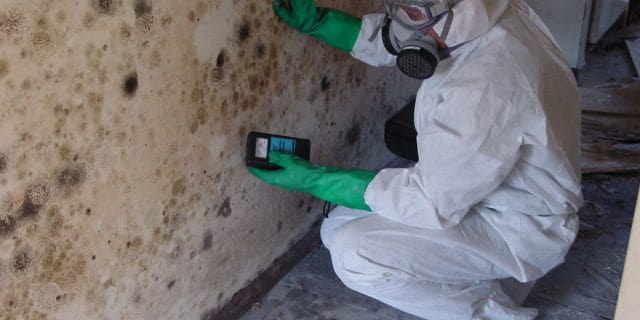
It starts with a thorough assessment not a quick visual sweep, but a real moisture mapping of the affected areas. In East Islip, that matters more than it does in other places. The bay’s water table is high, older homes have crawl spaces that were never designed to manage ground moisture, and post-Sandy properties sometimes have mold embedded in wall cavities that no one’s touched in over a decade. Finding the actual source of the moisture is the first job, because removing mold without correcting what caused it just means you’re calling again in a year.
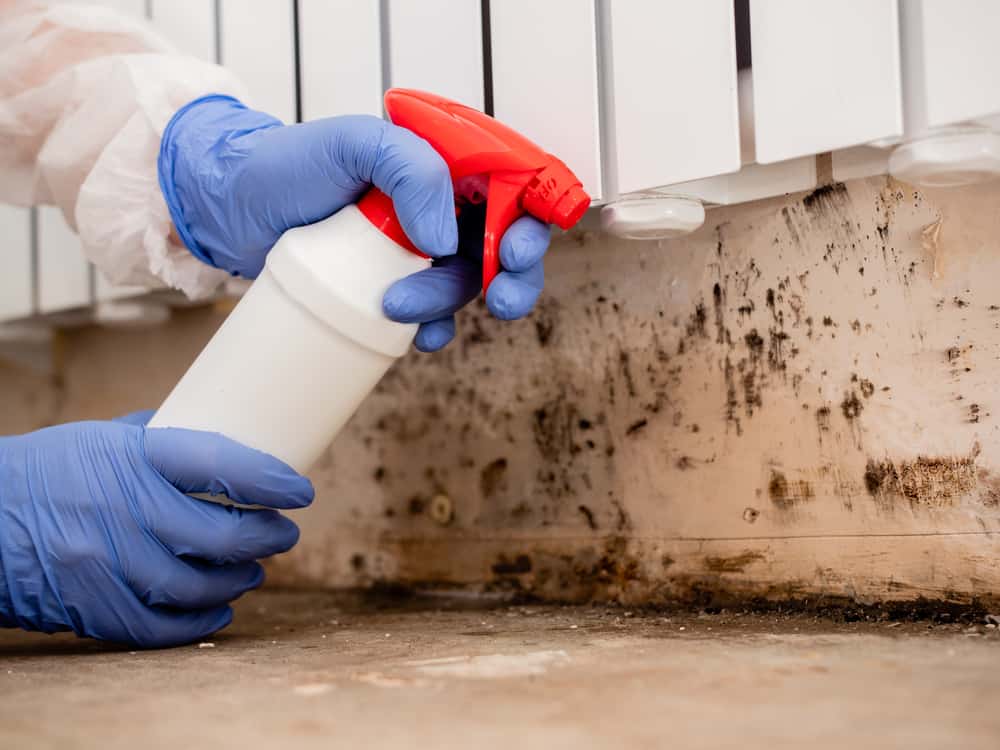
Once the source is identified and the scope is clear, we set up containment to prevent cross-contamination to unaffected areas of your home. Affected materials are removed following NYS Article 32 protocols, and antimicrobial treatment is applied to the structural surfaces that remain. If structural repairs are needed drywall replacement, framing work, insulation we handle those as part of the same process, not handed off to a second contractor.
After the remediation is complete, independent air quality testing confirms that mold spore counts are back to normal levels. You get a clearance report a physical document that proves the work was done correctly. That report matters for insurance claims, for real estate transactions, and for your own peace of mind. We also handle the final cleaning of affected surfaces and contents, so you’re not left coordinating a separate crew after the restoration work is done.
Ready to get started?
Black Mold and Basement Mold Remediation East Islip, NY
Mold in East Islip doesn’t show up in just one place. Attic mold is common in the hamlet’s older colonial and ranch-style homes, where inadequate ventilation traps summer humidity against the roof sheathing until condensation creates the conditions mold needs. Crawl space mold is a persistent problem in mid-century homes sitting over unencapsulated dirt floors, where the bay’s high water table keeps ground moisture moving upward year-round. Basement mold tends to develop in masonry-walled spaces that were never waterproofed from the inside and in East Islip, any home south of Montauk Highway that experienced Sandy flooding is a candidate for mold that’s been growing in hidden locations since 2012.
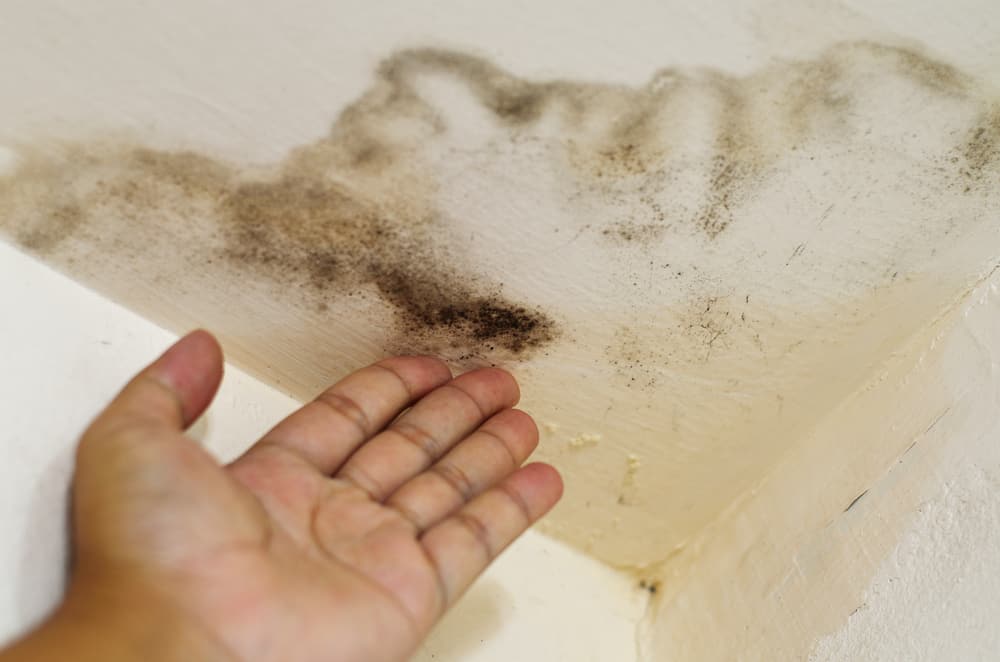
Black mold Stachybotrys is the variant that gets the most attention, and for good reason. It develops in areas of prolonged moisture exposure, which makes post-flood East Islip properties a real risk category. We handle black mold remediation using full containment, negative air pressure, and HEPA filtration to prevent spore spread during removal. The same protocols apply whether the mold is in a finished basement, a crawl space, or an attic that hasn’t been opened in years.
Because we operate both a restoration and a cleaning division, the job doesn’t stop at the structural work. Affected contents, surfaces, and living areas get a thorough post-remediation cleaning before we leave something most mold remediation companies in East Islip simply don’t offer.
Does homeowner's insurance cover mold remediation in East Islip, NY?
It depends on what caused the mold, and that distinction matters a lot. Homeowner’s insurance in New York typically covers mold remediation when it results from a sudden and accidental event a burst pipe, an appliance leak, or storm-driven water intrusion. If the mold developed from long-term moisture buildup or a maintenance issue that went unaddressed, most policies won’t cover it. The line between those two categories isn’t always obvious, and how the damage is documented makes a significant difference in how a claim gets evaluated.
For East Islip homeowners, this is especially relevant given the community’s history with coastal flooding. Properties that took on water during Hurricane Sandy or subsequent nor’easters may have legitimate insurance grounds for mold claims but only if the damage is properly documented and attributed to a covered event. We assist with that documentation process, helping you understand what your policy covers and submitting the claim in the format your insurer requires. Getting that part right from the start is what separates a paid claim from a denied one.
How much does mold remediation cost in East Islip for a typical home?
For most residential projects, professional mold remediation runs between $1,200 and $3,800, with a national average around $2,300. The actual cost in East Islip depends on where the mold is, how far it’s spread, and what materials need to be removed. Attic mold remediation tends to run $1,500 to $9,000 depending on the size of the attic and the extent of the affected sheathing. Crawl space remediation typically falls between $500 and $4,000. Basement mold can range from a few hundred dollars for surface-level growth to well over $10,000 if structural framing is involved.
In East Islip specifically, older homes with unencapsulated crawl spaces, masonry basements, and aging attic ventilation systems often present more complex scopes than newer construction would. The moisture conditions near the Great South Bay also mean that encapsulation or ventilation upgrades are frequently recommended alongside the remediation itself which affects total project cost but also determines whether the mold stays gone. We provide a clear, documented scope before any work begins so you know exactly what you’re paying for.
What's the difference between mold remediation and mold removal?
Mold removal typically refers to cleaning visible mold off surfaces wiping it down, applying a biocide, and calling it done. Mold remediation is a more complete process that addresses not just the visible growth but the conditions that allowed it to develop in the first place. That includes moisture source identification, containment to prevent cross-contamination, removal of affected materials, antimicrobial treatment of remaining surfaces, and post-remediation air quality verification.
The reason this distinction matters in East Islip is that surface cleaning in a high-humidity coastal environment doesn’t hold. If the moisture source isn’t corrected whether that’s a compromised foundation, inadequate crawl space ventilation, or bay-driven humidity working through an older building envelope the mold comes back. New York State law under Article 32 requires that licensed contractors follow remediation protocols, not just surface cleaning standards. Any contractor offering to “remove” your mold without addressing the underlying cause and verifying air quality afterward isn’t performing remediation in the legal or practical sense of the word.
Can mold come back after remediation in a waterfront East Islip home?
Mold can come back after remediation if the moisture source wasn’t fully addressed and in a waterfront community like East Islip, that’s a real risk if the job isn’t done thoroughly. The Great South Bay keeps ambient humidity elevated year-round, and homes near the water, in neighborhoods like The Moorings or along the canal corridors south of Montauk Highway, face baseline moisture exposure that doesn’t go away between seasons. If remediation stops at removing the visible mold without correcting the underlying moisture pathway, regrowth is likely within months.
The way to prevent recurrence is to treat moisture control as part of the remediation scope not an add-on. That might mean crawl space encapsulation, attic ventilation improvements, foundation waterproofing, or HVAC adjustments depending on where the mold originated. We identify the moisture source during the initial assessment and include source correction recommendations as part of every project. Post-remediation air quality testing then confirms that spore levels have returned to normal before the job is considered complete. That combination source correction plus verified clearance is what actually prevents mold from coming back in a South Shore home.
How do I know if my East Islip home has hidden mold after storm flooding?
Storm flooding that reaches into wall cavities, under flooring, or into structural framing creates the conditions for hidden mold growth and in East Islip, that scenario has played out in a significant number of homes since Hurricane Sandy pushed Great South Bay water inland in 2012. Properties that were flooded but not thoroughly remediated at the time may have mold that’s been growing in concealed locations for years. If you purchased a home after Sandy without full documentation of the remediation performed, that history is worth investigating.
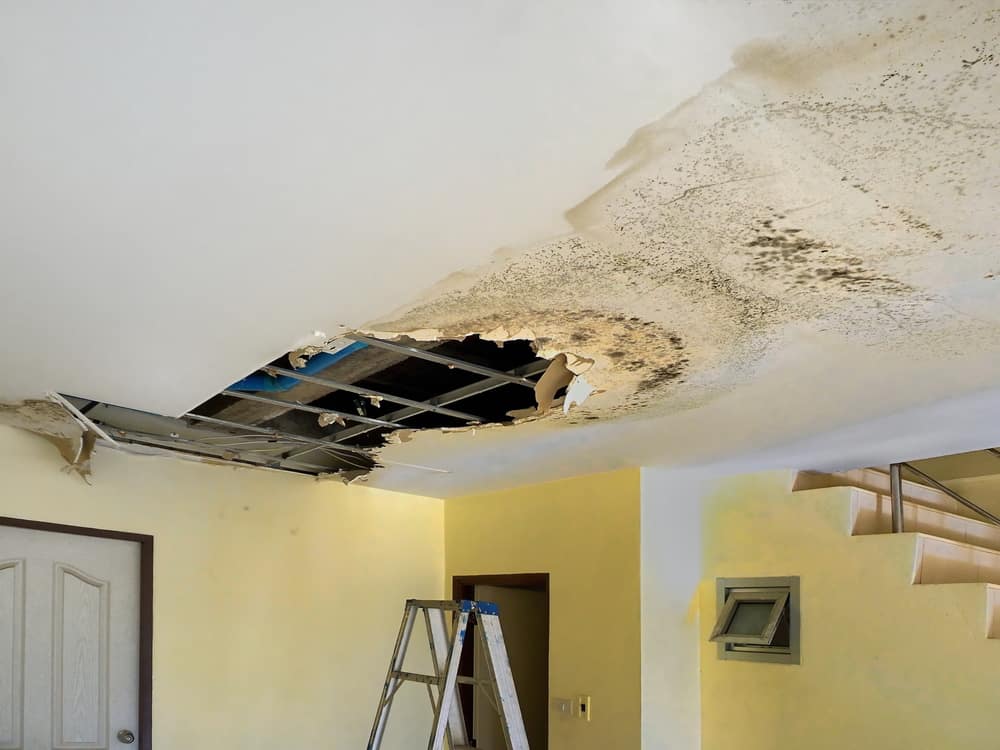
Signs that hidden mold may be present include a persistent musty odor that doesn’t go away with cleaning or ventilation, unexplained respiratory symptoms or allergy-like reactions that worsen indoors, visible staining on walls or ceilings that reappears after painting, and moisture readings on walls or floors that are elevated without an obvious active leak. A professional assessment using moisture mapping equipment can identify elevated moisture in areas that look dry on the surface. If you’re planning a renovation, a home inspection, or a sale of an East Islip property with any flood history, getting that assessment done before work begins or before the deal closes is the right move.
How long does mold remediation typically take in a Suffolk County home?
Most residential mold remediation projects in Suffolk County take between one and five days, depending on the size of the affected area and how much material needs to be removed. A contained attic mold issue in an East Islip colonial might be resolved in a day or two. A basement or crawl space project involving structural material removal and encapsulation work typically runs three to five days. Larger projects particularly those in homes with extensive post-Sandy damage or mold spread across multiple areas can take longer, and that timeline should be established clearly before work begins.
One factor that affects timing in East Islip specifically is the permit requirement for structural repairs. When remediation involves drywall removal and replacement, framing work, or insulation replacement, the Town of Islip Building Department may require a permit for that portion of the work. We account for this during the initial assessment so permit requirements don’t become a surprise mid-project. Post-remediation air quality testing also adds a step at the end typically 24 to 48 hours after the physical work is complete but that step is what produces your clearance report, and it’s not something worth skipping.
Useful Links
Other Services we provide in East Islip