
Mold Remediation in East Rockaway, NY
When the Mill River Comes Indoors, Mold Follows
Hear from Our Customers
Black Mold Remediation East Rockaway NY
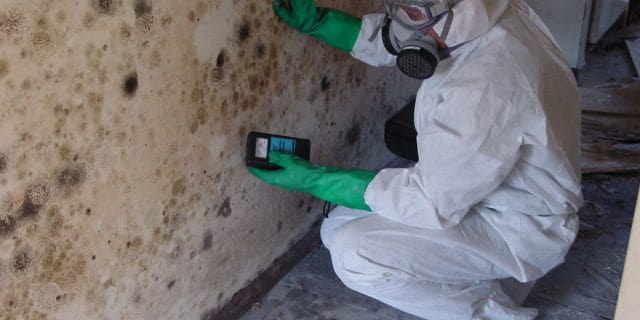
You stop second-guessing the air in your own home. That musty smell that’s been sitting in your basement or crawl space gone. The worry about what’s growing behind the drywall that got wet after a nor’easter flooded your street gone. That’s what a proper remediation actually delivers, and it’s a very different outcome than a surface wipe-down or a coat of paint over a problem that’s still very much alive.
For East Rockaway homeowners specifically, this matters more than it does in most places. The older Cape Cod homes throughout the village many built in the 1940s and ’50s were never designed with vapor barriers or modern crawl space drainage in mind. Ground moisture wicks up through unprotected soil floors, and with South Shore humidity regularly pushing past 60% in summer, those crawl spaces and attics become breeding grounds. Add in the recurring winter storm flooding that Bay Park and canal-adjacent streets deal with every single season, and you’re not talking about a one-time event. You’re talking about ongoing exposure.
Getting the mold remediated correctly not just treated on the surface, but traced back to the moisture source and fully resolved means you’re not doing this again in two years. Your home’s air quality improves. Your family breathes easier. And if you’re thinking about selling, a properly documented remediation protects a home value that’s sitting around $638,000 in this market. That’s worth doing right.
Certified Mold Remediation Companies East Rockaway NY
We’ve been serving Nassau County homeowners for close to three decades. That’s not a number pulled from a marketing template it means we were here before Sandy hit, during it, and through every winter storm that’s flooded Bay Park and the canal streets off East Rockaway Channel since. We know what South Shore homes deal with, because we’ve been remediating them for years.
Every technician who walks into your home is individually IICRC certified not just our company at the corporate level, but each person on the crew. That’s a meaningful distinction in a market where plenty of restoration companies carry a company-level certification while sending uncredentialed workers to do the actual job.
We also carry a dedicated Nassau County line at 516-698-1776. When you call, you’re reaching someone local not a national dispatch center routing your emergency to whoever’s available. For a village like East Rockaway, where trust is earned through accountability and track record, that matters.
Professional Mold Remediation Process East Rockaway NY
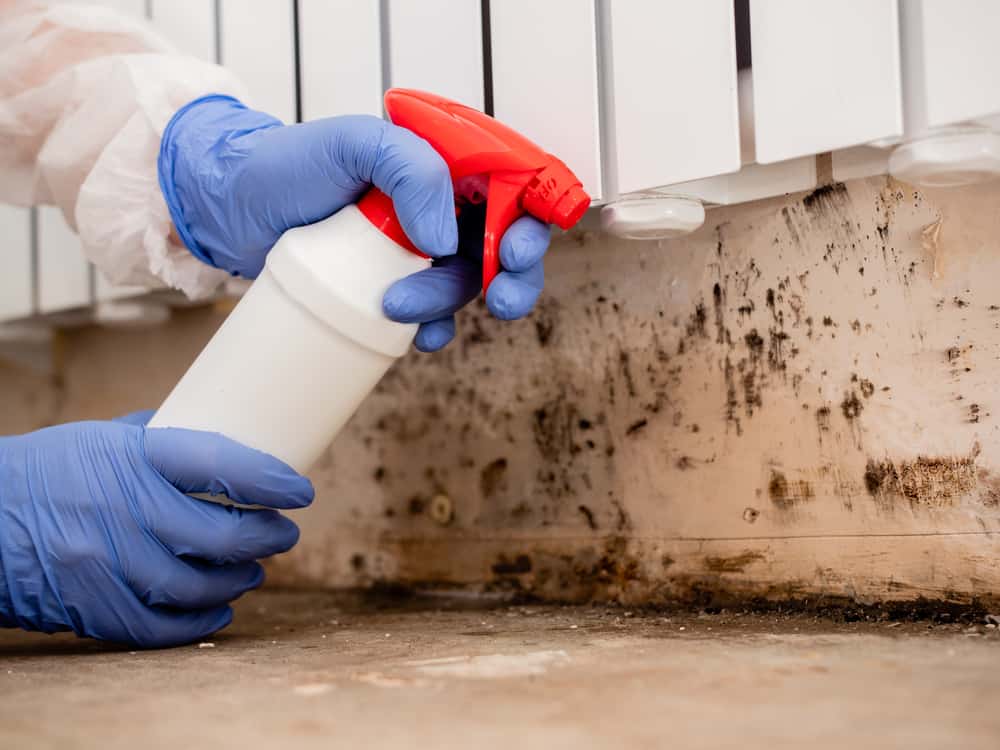
It starts with a thorough inspection not a visual glance and a verbal estimate, but a 13-point assessment that includes air testing, swab sampling, infrared imaging to find mold that’s hidden behind walls or under floors, moisture level readings, and a comparison of internal versus external mold particle counts. Written lab results come back within two to three business days. You’ll know exactly what you’re dealing with and where it is before any remediation work begins.
From there, the actual remediation is handled by the same certified team contained, methodical, and done to IICRC S520 standards. Every truck arrives fully equipped with air movers, commercial dehumidifiers, and moisture monitoring equipment. There’s no waiting on a second truck or a delayed supply order. In East Rockaway, where the 48-hour mold growth window closes fast after a flooding event, that readiness isn’t a convenience it’s the difference between a contained problem and a whole-house situation.
One thing worth knowing: New York State law prohibits the same company from performing both the mold assessment and the remediation on the same job. That law exists to protect you from inflated findings designed to generate a bigger contract. We comply fully, which means your inspection results are honest. After remediation is complete, we can also handle the full reconstruction replacing drywall, insulation, and any structural material that was removed. You won’t need to find a separate contractor to put your home back together.
Ready to get started?
Basement and Crawl Space Mold Remediation East Rockaway NY
East Rockaway’s housing stock creates specific mold conditions that a generic remediation approach won’t fully address. The post-war Cape Cods throughout the village with their crawl spaces, low-pitch attics, and older drainage systems need remediation that accounts for how moisture actually moves through these homes, not just what’s visible on the surface. That means crawl space mold remediation that addresses ground moisture and structural joist contamination, attic mold remediation that looks at ventilation failures alongside visible growth, and basement mold remediation that traces water intrusion back to its actual source.
The inspection scope covers air quality testing, infrared thermal imaging for hidden mold, swab sampling, moisture mapping, and water intrusion assessment. Lab results are documented in writing which matters significantly if you’re filing an insurance claim, going through a real estate transaction, or dealing with a flood-related loss. We have experience helping Nassau County homeowners navigate the insurance process, including the documentation standards that adjusters actually require.
Emergency mold remediation is available 24 hours a day, seven days a week. Whether you’re dealing with a winter storm that pushed water into your canal-adjacent home at midnight, or you discovered a crawl space problem during a home inspection on a Saturday morning, the response is the same a fully equipped crew, ready to work. And when remediation is done, the rebuild is handled in-house. No handoff, no gap between the mold work and the restoration.
Is mold from Hurricane Sandy still a problem in East Rockaway homes today?
It can be, yes and more commonly than most people expect. When Sandy hit in October 2012, more than 1,600 housing units in East Rockaway and Bay Park were flooded. The Bay Park Sewage Treatment Plant failed entirely, and sewage backed up into homes alongside the storm surge. That combination of saltwater intrusion and sewage contamination created ideal conditions for black mold to colonize walls, subfloors, insulation, and crawl spaces throughout the area.
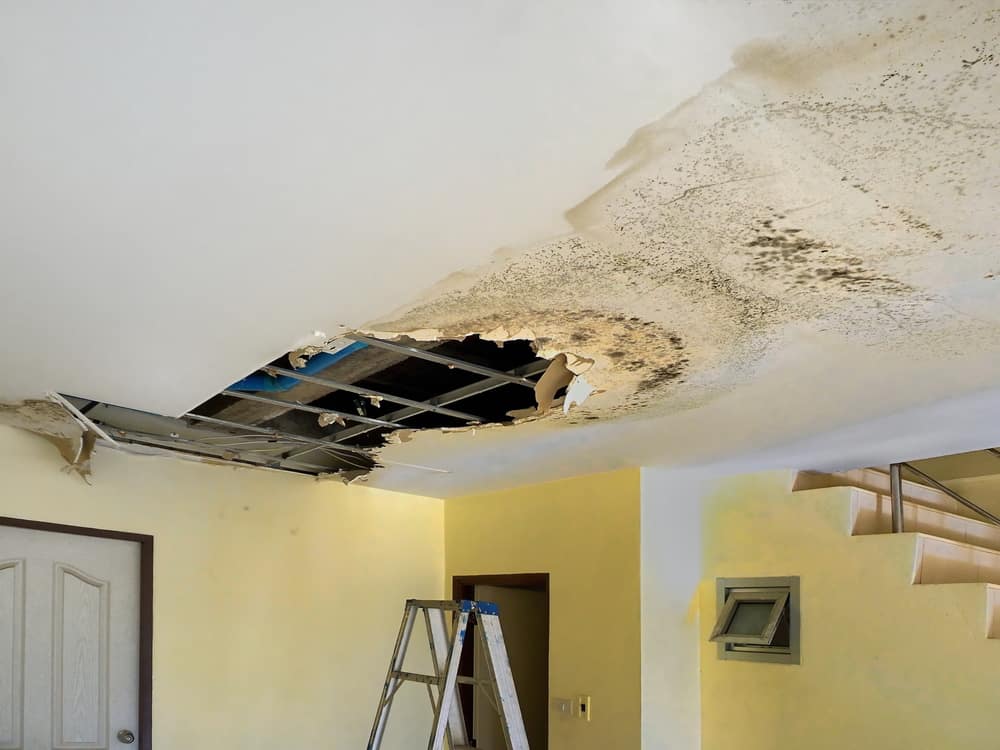
The problem is that a lot of that remediation work done quickly, under pressure, in the weeks after the storm was incomplete. Materials were dried rather than removed. Walls were patched without proper antimicrobial treatment. Mold that wasn’t fully eliminated went dormant, only to reactivate when the next moisture event hit. If your home was flooded in 2012 and you’ve noticed recurring musty odors, unexplained allergy symptoms, or water staining that keeps coming back, a professional inspection with air testing and infrared imaging is the only way to know for sure what’s still in there.
How much does mold remediation typically cost in East Rockaway, NY?
The honest answer is that it depends on the scope and in East Rockaway, scope varies significantly based on the type of home and where the mold is located. A straightforward basement or crawl space remediation in a post-war Cape Cod might run in the range of $1,500 to $3,500. A more involved job that includes attic remediation, structural material removal, and reconstruction can reach $5,000 to $10,000 or more depending on how far the contamination has spread.
What drives cost up is almost always the same thing: moisture that was never fully resolved. Every time a home on a canal street or near the Mill River takes on water and isn’t fully dried and treated within 48 hours, the remediation scope grows. Catching it early or getting a proper inspection before assuming the problem is minor almost always results in a lower final cost. For context, a home in East Rockaway with a median value around $638,000 that carries an undisclosed mold problem can lose 20% or more of its value at sale. The remediation cost is a fraction of that exposure.
What is the difference between mold remediation and mold removal in New York?
Mold removal implies taking mold out which sounds complete but often isn’t. Mold spores are naturally present in the air everywhere, including inside your home. The goal of remediation isn’t to eliminate every spore, because that’s not possible or necessary. The goal is to bring indoor mold levels back down to normal, naturally occurring levels and to eliminate the active growth that’s causing a problem.
Remediation also addresses the reason the mold grew in the first place. In East Rockaway homes particularly the older Cape Cods with crawl spaces and limited attic ventilation that usually means identifying and fixing a moisture source: a drainage failure, a compromised foundation, inadequate crawl space encapsulation, or a roof issue that’s allowing humidity to build up in the attic. New York State also has specific licensing requirements for mold remediation work, and the 2016 mold law prohibits the same company from both assessing and remediating your home. That separation is a legal protection for you as a homeowner, and any legitimate company operating in Nassau County will follow it.
Can mold in my crawl space affect the rest of my East Rockaway home?
Absolutely and it does so more quickly than most homeowners realize. Crawl spaces in South Shore homes like those throughout East Rockaway operate on what’s called the stack effect: air moves upward from the lowest point of your home to the highest. That means air from your crawl space along with whatever mold spores are in it gets pulled up through the floor system and into your living areas continuously. By the time you notice a musty smell in your first-floor rooms, the crawl space has often been contaminated for months.
The post-war Cape Cods that make up a large portion of East Rockaway’s housing stock are particularly vulnerable. Many have unencapsulated crawl spaces with exposed soil floors, no vapor barrier, and limited ventilation conditions that allow ground moisture to evaporate directly into the crawl space air. When South Shore summer humidity pushes past 60% outdoors, those crawl spaces hit mold-growth conditions fast. Proper crawl space mold remediation addresses the active growth on joists and structural framing, but also the moisture conditions that allowed it to develop otherwise the same problem returns within a season or two.
Does homeowners insurance cover mold remediation in New York?
It depends on the cause, and the documentation you have to support it. In New York, homeowners insurance typically covers mold remediation when the mold resulted from a sudden, accidental water event a burst pipe, an appliance failure, or storm-driven water intrusion that was reported and addressed promptly. What most policies exclude is mold that resulted from long-term neglect, gradual leaks, or flooding that wasn’t covered under the base policy.
For East Rockaway homeowners, this distinction matters because so much of the water damage history in this area involves storm events Sandy, nor’easters, winter flooding in Bay Park which often fall under flood insurance rather than standard homeowners coverage. If you have a separate NFIP or private flood policy, that coverage may apply to mold that resulted from a covered flood event. The key in either case is documentation: written inspection reports, lab results, photographs, and a clear timeline of when the water intrusion occurred. We provide that documentation as part of every remediation, specifically because insurance claims without it tend to go sideways. If you went through the Sandy claims process in 2012, you already know how much that paperwork matters.
How do I know if the mold in my home is actually black mold and how dangerous is it?
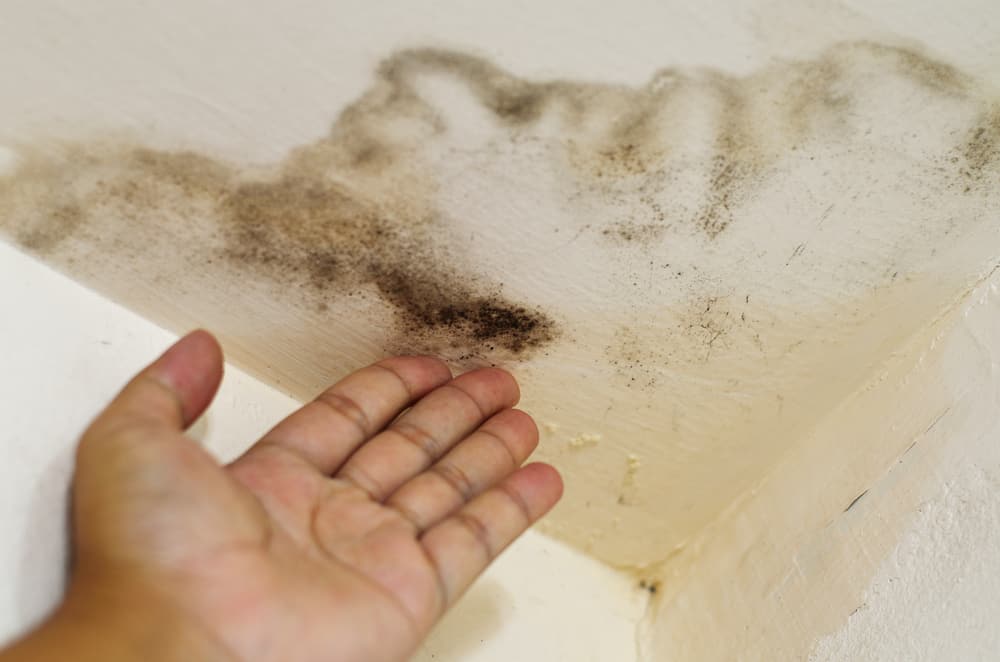
The term “black mold” gets used loosely, and it causes a lot of unnecessary panic but also sometimes not enough concern. Stachybotrys chartarum is the species most people mean when they say black mold, and it does produce mycotoxins that can cause serious health effects with prolonged exposure. But not everything dark-colored is Stachybotrys, and not everything that looks light or green is harmless. The only way to know what species you’re dealing with is lab analysis a visual inspection alone can’t tell you.
What matters more than the species in most cases is the extent of the growth and who’s being exposed to it. In East Rockaway homes that have experienced repeated water intrusion from Sandy, from winter storm flooding, from chronic crawl space moisture the risk of prolonged exposure is real regardless of species. Children, elderly residents, and anyone with asthma or respiratory sensitivities are more vulnerable to any mold exposure, not just Stachybotrys. If you’re noticing symptoms like persistent coughing, sinus congestion, headaches, or eye irritation that seem to improve when you leave the house, that’s a pattern worth taking seriously. A professional air quality test with lab results will tell you exactly what species are present, at what concentration, and how that compares to normal outdoor levels giving you actual data to make decisions from, not guesswork.
Useful Links
Other Services we provide in East Rockaway