
Mold Remediation in Eastport, NY
Coastal Air and High Water Tables Don't Forgive Slow Decisions
Hear from Our Customers
Mold Damage Repair Eastport, NY
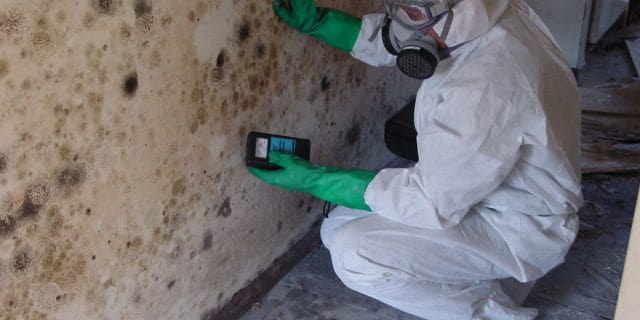
Finding mold is unsettling. But what matters more than the discovery is what happens next and whether the company you call actually solves the problem or just makes it look solved for a few months. Real mold remediation means identifying every moisture source, containing the spread, removing what’s contaminated, and verifying through independent air quality testing that your home is genuinely clear. That last step post-remediation verification is where a lot of companies cut corners. It’s also where the difference between a real fix and a temporary one becomes obvious.
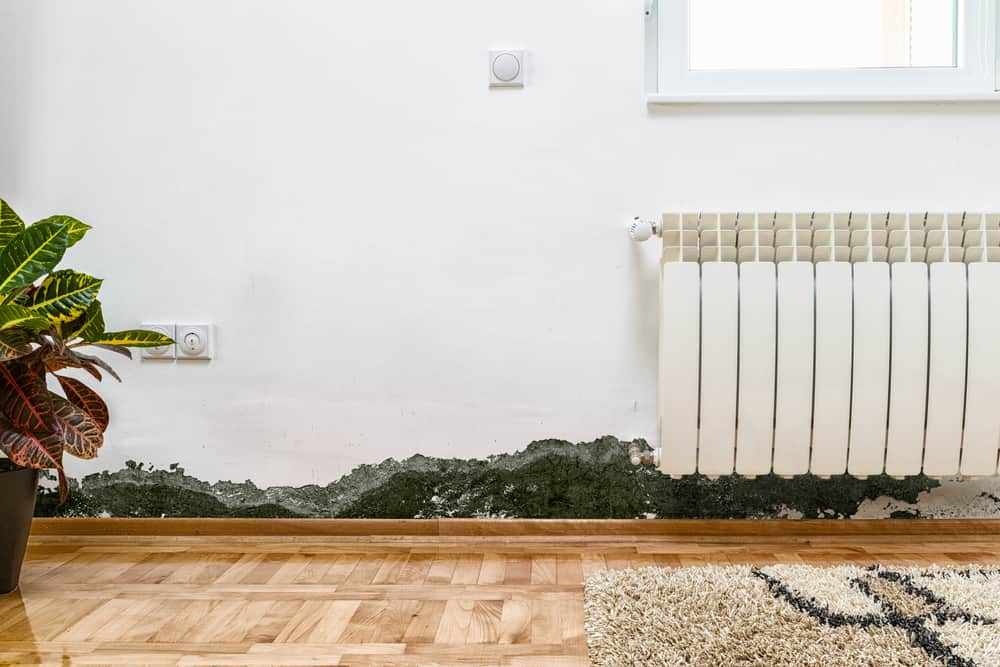
In Eastport specifically, the conditions that drive mold growth are persistent, not occasional. The low-lying land throughout the hamlet shaped by generations of duck farming along Seatuck Creek sits over a high water table that pushes moisture into crawl spaces and basement walls year-round, not just after storms. Add the coastal humidity rolling in off Moriches Bay from May through September, and you have an environment where mold can take hold faster than it would almost anywhere else on Long Island. Fixing the visible mold without addressing what’s feeding it is the most common reason homeowners in this area end up calling a second company.
When the work is done correctly, the difference is tangible. The air in your home smells and feels different. You’re not watching the same corner of your basement every spring wondering if it’s coming back. And if you’re heading into a real estate transaction which matters in a market where Eastport homes are selling near $849,000 you have the clearance documentation to back up every claim you make to a buyer.
Certified Mold Remediation Companies Eastport, NY
We’ve been working on Long Island for approximately 31 years. That’s not a number pulled from a marketing sheet it’s decades of working on South Shore homes, understanding what coastal construction looks like from the inside, and knowing what the combination of salt air, high water tables, and older building materials actually does over time. Owner Richard Peterson holds personal New York State licenses in both mold assessment and mold remediation contracting individual licenses tied to his name, verifiable through the NYS Department of Labor’s public lookup.
Every technician on our team holds IICRC certification, which means the people physically working in your home have been formally trained and tested to the industry’s remediation standard, not just handed a uniform and a spray bottle. The Eastport-South Manor area sits in a part of Suffolk County where homes range from mid-century builds near Montauk Highway to waterfront properties along Seatuck Cove and we’ve worked in both. Whether your property falls under Brookhaven Town’s jurisdiction or Southampton Town’s, we know the local landscape and we’re not learning it on your job.
Professional Mold Remediation Process Eastport, NY
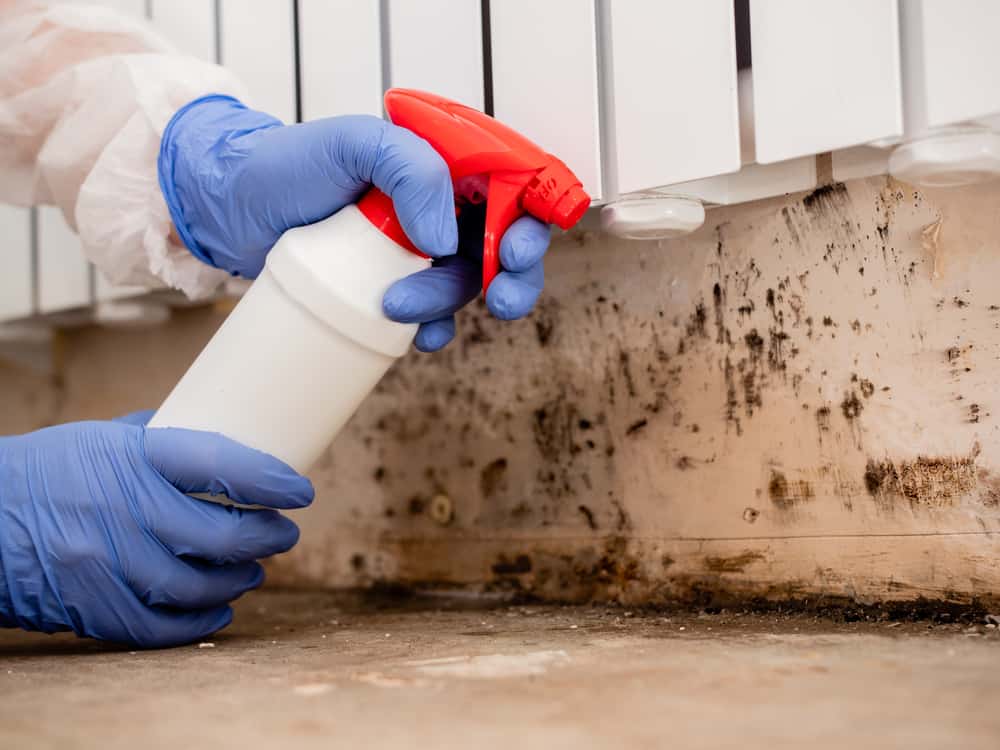
It starts with a thorough assessment not a quick visual scan, but moisture mapping that identifies where water is actually entering the structure and where mold may be growing behind surfaces you can’t see. In Eastport, this step matters more than most places. The high water table conditions throughout the hamlet mean moisture intrusion is often coming from below, not from a visible leak, and a remediation that skips proper moisture mapping will fail.
Once the source is identified and the full scope is clear, we set up containment to prevent mold spores from spreading to unaffected areas of your home during the removal process. Contaminated materials drywall, insulation, framing, whatever the mold has reached are removed and properly disposed of. The affected area is then treated with antimicrobial agents and dried to the correct moisture levels before anything is rebuilt or replaced.
Because Eastport straddles the Brookhaven and Southampton town lines, any structural work involved in remediation may require a permit from one town’s building department or the other, depending on where your property sits. We understand that distinction and can help you navigate it. The job closes with independent post-remediation air quality testing a clearance report that confirms mold spore counts are back to normal levels and gives you something in writing to stand behind.
Ready to get started?
Black Mold and Crawl Space Remediation Eastport, NY
Most mold remediation companies stop when the structural work is done and hand the rest off to someone else. We handle the complete cycle restoration and cleaning under one contract, with one point of contact, and one invoice. That matters when you’re dealing with a mold problem that has affected contents, surfaces, and structure all at once, which is common in Eastport’s older homes where a slow moisture problem has had time to spread.
Basement mold remediation and crawl space mold remediation are the most frequent calls we get from the Eastport area, and for good reason. The low-lying land near Seatuck Creek and Moriches Bay creates the kind of persistent groundwater pressure that keeps crawl spaces damp even when there hasn’t been a storm in weeks. Attic mold remediation is the second most common issue particularly in homes where ventilation hasn’t kept pace with the coastal humidity that settles in during the summer months.
Black mold remediation follows the same certified process regardless of species proper containment, removal, treatment, and verification. If your situation is an emergency a storm surge, a burst pipe, water in the house overnight we’re available around the clock. The 24-to-48-hour window before mold begins colonizing wet materials is real, and waiting until Monday morning is a decision that typically expands both the scope and the cost of the job.
Does mold remediation in Eastport, NY require a permit from the town?
It depends on the scope of the work and, specifically, which side of Eastport your property sits on. Eastport is one of the only hamlets on Long Island that straddles two separate town jurisdictions Brookhaven and Southampton and each has its own building department with its own permit requirements. If your remediation involves removing and replacing structural materials like drywall, framing, or insulation, that work may require a building permit from one town or the other depending on your property’s location relative to the town line near the West Pond.
Remediation work that is limited to surface treatment and cleaning typically does not require a permit. But if the mold has penetrated structural components which is common in Eastport’s older mid-century homes you’ll want a contractor who understands the local jurisdictional landscape and can tell you upfront what’s required. We’ve worked on both sides of that town line and know how to navigate the process without it becoming a delay that extends your project.
How much does mold remediation typically cost in Eastport, NY?
The range is wide because the scope varies significantly from one job to the next. Nationally, professional mold remediation averages around $2,347, but projects can run anywhere from $500 for a small, contained surface problem to $15,000 or more when mold has spread through structural materials in a basement, crawl space, or attic. In Eastport, where the housing stock includes a mix of older mid-century homes and waterfront properties with complex crawl space conditions, jobs that initially look straightforward sometimes reveal more extensive moisture damage once the walls or floors are opened up.
The most important thing to understand about cost is that it’s directly tied to how early you catch the problem. A mold issue that’s been developing slowly under a crawl space floor for two or three years which is common in Eastport given the high water table conditions near Seatuck Creek will cost significantly more to remediate than one caught within a few weeks of a water intrusion event. Getting a proper assessment before the problem grows is almost always less expensive than waiting.
What is the difference between mold remediation and mold removal?
Mold removal implies that mold can be completely eliminated from a space which is not accurate and not what reputable contractors promise. Mold spores exist naturally in the air and in building materials. What professional mold remediation does is bring mold levels back to a normal, safe range by removing contaminated materials, treating affected surfaces, correcting the moisture conditions that allowed mold to grow, and verifying through air quality testing that the environment is back to baseline.
The distinction matters practically because a company promising to “remove all mold” is either misinformed or being misleading. What you’re actually paying for and what you should be asking about is a process that addresses the source, contains the spread, removes what’s affected, and confirms the result with post-remediation testing. In a coastal environment like Eastport, where ambient humidity and groundwater conditions create ongoing mold pressure, remediation without moisture source correction is not remediation it’s a temporary fix that will require repeating.
How do I know if my Eastport home has hidden mold I can't see?
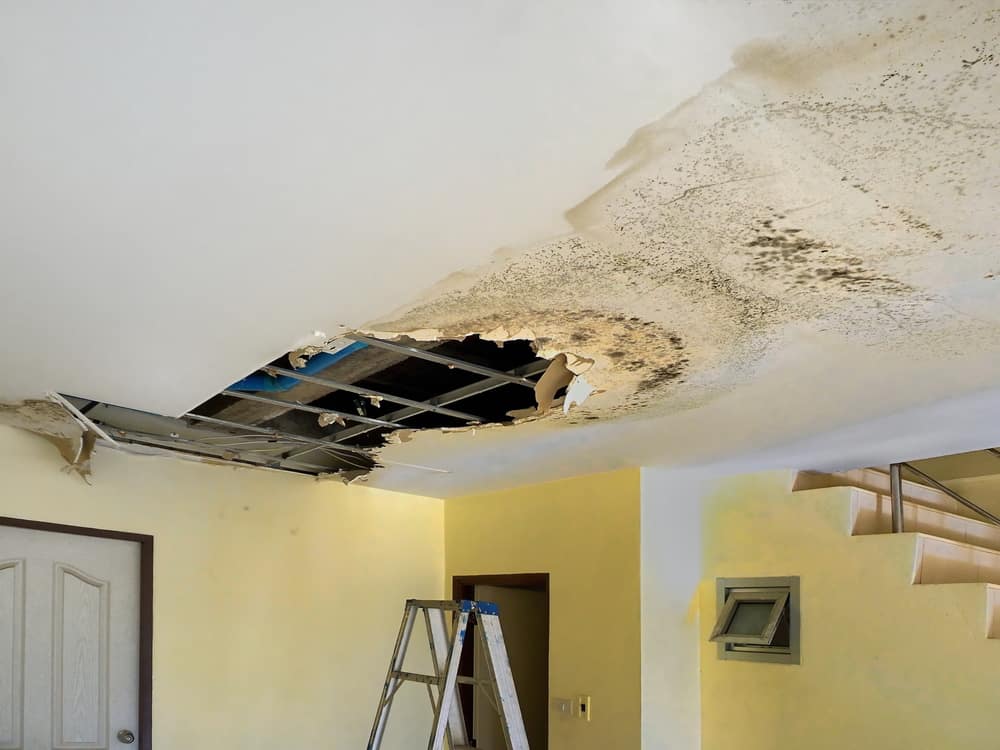
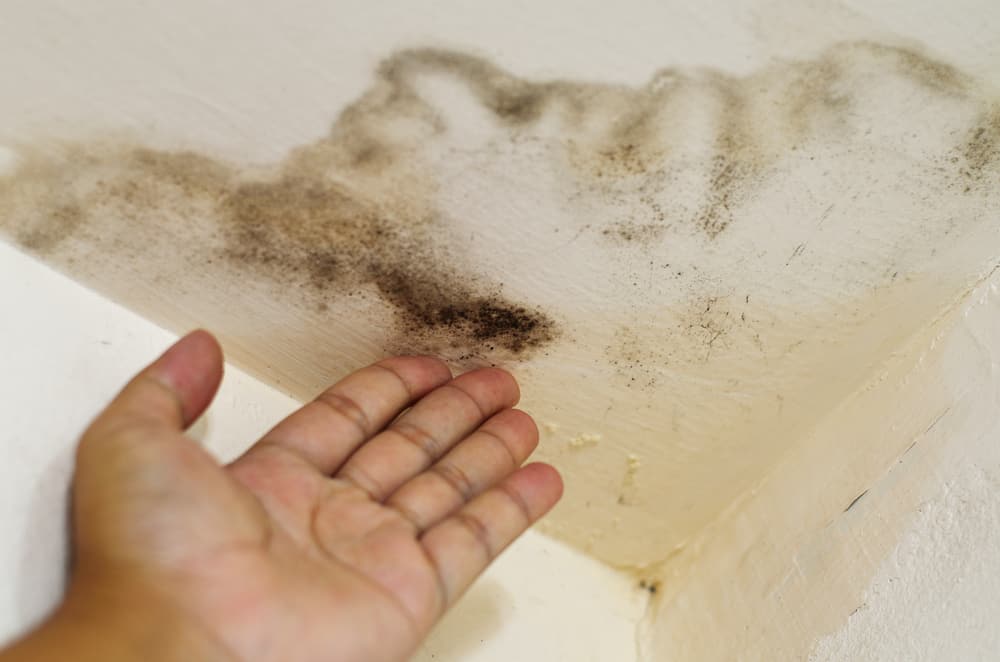
The most common indicators are a persistent musty smell in a specific area of the house, unexplained allergy or respiratory symptoms that improve when you leave the home, visible water staining on walls or ceilings without an obvious active leak, and a history of water intrusion whether from a storm, a plumbing failure, or the kind of slow basement seepage that’s endemic to Eastport’s high water table conditions.
In Eastport specifically, homes that were flooded during Superstorm Sandy in 2012 and remediated quickly under emergency conditions or not remediated at all are a particular concern. The Moriches Bay corridor took significant storm surge damage, and more than a decade later, some of those properties still carry hidden mold in wall cavities and sub-floor assemblies that was never properly addressed. If you bought your home after Sandy or if you’re not certain what remediation was done at the time, a professional moisture mapping assessment is a worthwhile investment not because something is necessarily wrong, but because knowing for certain is worth more than wondering.
Will my homeowner's insurance cover mold remediation in New York?
Coverage depends heavily on the cause of the mold, and insurance companies draw a sharp line between sudden events and long-term conditions. If mold resulted from a covered peril a burst pipe, a storm-related water intrusion, an appliance failure your policy will often cover at least a portion of the remediation cost. If the mold developed gradually over time due to ongoing moisture conditions, most policies will not cover it, treating it as a maintenance issue rather than a sudden loss.
For Eastport homeowners, this distinction is especially relevant because many of the moisture conditions that drive mold growth here high water table seepage into crawl spaces, coastal humidity accumulation in attics, slow foundation wall moisture intrusion are chronic rather than event-driven. That doesn’t mean you have no options, but it does mean documentation matters enormously. The way a claim is filed, the language used to describe the cause, and the evidence provided all affect how an insurer responds. We help customers understand what their specific situation looks like from a coverage standpoint and document the damage in the format that gives a claim the best possible foundation.
How long does mold remediation take for a typical Eastport home?
A straightforward job a contained area of surface mold in a basement or crawl space with a clear moisture source can typically be completed in one to two days. Jobs that involve structural material removal, extensive drying, and rebuilding take longer, often three to five days for the remediation phase alone, with additional time for the structural repairs that follow. Post-remediation air quality testing adds time as well, since samples need to be processed by an independent lab before a clearance report can be issued.
In Eastport, the factor that most commonly extends a job’s timeline is discovering that moisture intrusion is more widespread than the initial assessment suggested which happens more often in the hamlet’s older homes, where construction details like pier-and-beam crawl spaces and older vapor barrier conditions can hide moisture pathways that aren’t obvious until the work begins. We give you a realistic timeline after the assessment, not a number designed to get you to sign. If conditions change once the work starts, we communicate that before expanding scope, not after.
Useful Links
Other Services we provide in Eastport