
Mold Remediation in Farmingdale, NY
Farmingdale Homes Hide Mold Better Than You Think
Hear from Our Customers
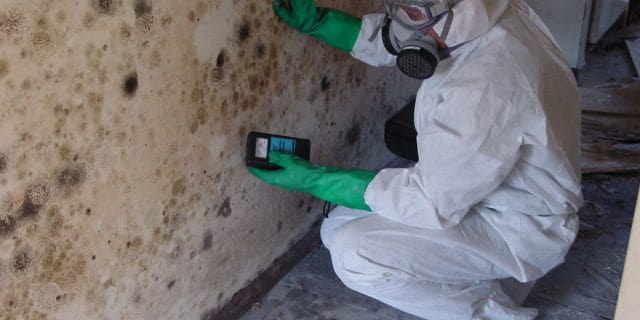
Basement Mold Remediation Farmingdale, NY
Mold doesn’t just look bad. It affects how your home smells, how your family breathes, and what a buyer’s inspector finds when you’re ready to sell. In a market where Farmingdale homes regularly list above $540,000, a mold problem discovered mid-transaction doesn’t just delay a closing it can kill the deal entirely. Getting it handled properly the first time protects your investment in a real, measurable way.
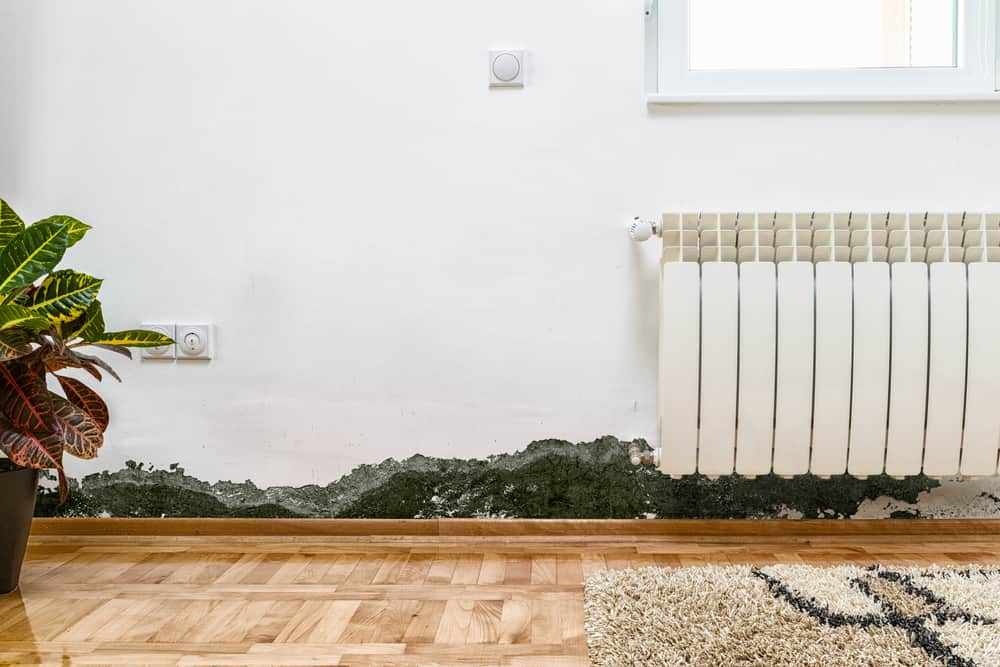
A lot of the homes in Farmingdale were built in the 1940s through the 1960s for workers at Republic Aviation. They’re solid structures, but they weren’t designed with today’s moisture management in mind. Original insulation, aging plumbing, and minimal attic ventilation create the exact conditions where mold takes hold quietly inside wall cavities, under original hardwood floors, and in attic assemblies that barely circulate air. You may not see it until it’s already spread.
For homes in South Farmingdale especially, where the water table sits higher and the Great South Bay drives coastal humidity well above 60% through most of the summer, the moisture pressure on your basement and crawl space is constant. Mold remediation here isn’t a one-size-fits-all job. It requires understanding the specific environment your home is sitting in and addressing the source, not just the surface.
Certified Mold Remediation Companies Farmingdale, NY
We’ve been working across Nassau and Suffolk County for nearly 30 years. That matters in Farmingdale specifically, because this community straddles both counties the village sits in Nassau, East Farmingdale falls in Suffolk, and the 11735 zip code covers all of it. We maintain dedicated lines for both: 516-698-1776 for Nassau, 631-587-5300 for Suffolk.
Every technician on our team carries individual IICRC certification not just the company. That’s a meaningful distinction. It means the person walking through your door has completed formal, verifiable training in mold remediation, not just watched a few hours of onboarding video. They know what they’re looking at when they pull back a baseboard in a South Farmingdale ranch or climb into the attic of a Farmingdale Cape Cod. And we operate under New York State’s Article 32 mold law, which legally separates the assessment from the remediation a protection that exists specifically because of how common mold industry fraud has been on Long Island.
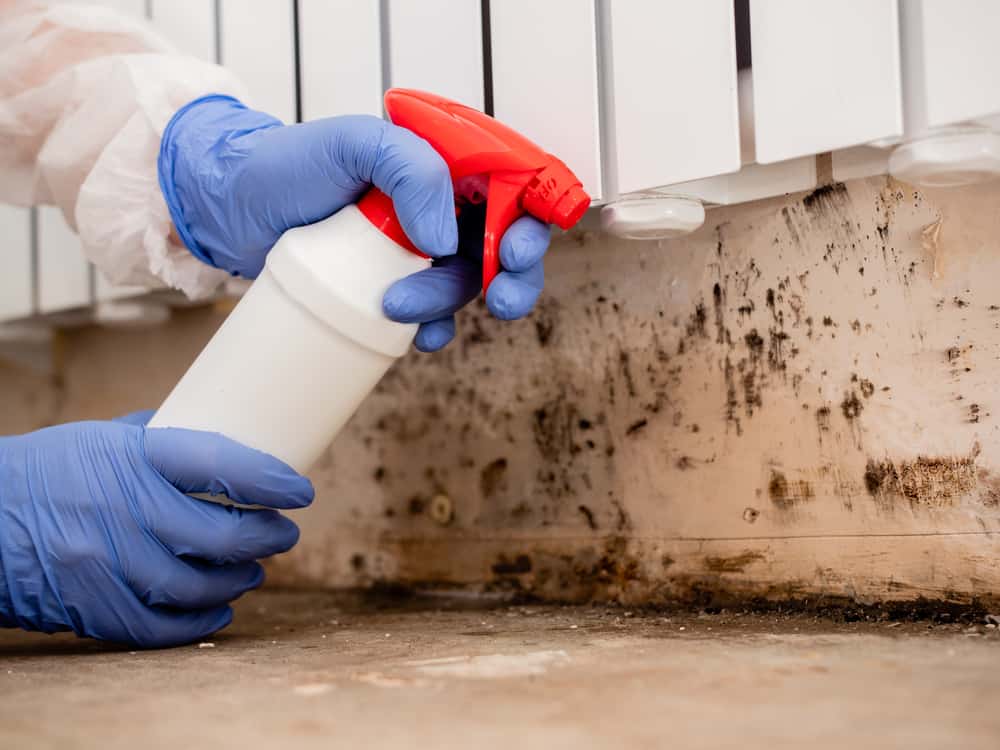
Professional Mold Remediation Process Farmingdale, NY
It starts with a 13-point inspection. That includes air testing, surface swab sampling, infrared imaging to detect moisture behind walls, and a full moisture level assessment throughout the affected area. Lab results come back in writing within two to three business days not a verbal summary, not a ballpark a documented report you can hand to your insurance adjuster, your real estate attorney, or your buyer’s agent.
Once the scope is confirmed, containment goes up before any removal starts. This keeps mold spores from spreading to unaffected areas of the home during the work. In older Farmingdale homes with open floor plans or limited attic separation, this step matters more than most homeowners realize. The affected materials drywall, insulation, subfloor, whatever was compromised come out, and the area is treated and cleared before anything gets rebuilt. Because of New York State’s Article 32, the assessment and remediation are handled through a properly separated process, which protects you legally and ensures there’s no conflict of interest in how the scope gets determined.
After remediation is complete, clearance testing confirms the job is done. That’s not optional it’s the only way to know for certain that spore levels are back within acceptable range. We also handle the rebuild after remediation, so you’re not left coordinating a separate contractor to close up the walls.
Ready to get started?
Black Mold Remediation Services Farmingdale, NY
Mold remediation in Farmingdale covers more ground than most people expect when they first call. The inspection alone involves air sampling, swab testing, infrared scanning, and moisture readings all documented. If black mold is present, that changes the containment protocol and the disposal process, and we handle it accordingly. There’s no single checklist that applies to every job, because a flooded basement in South Farmingdale after a sump pump failure during a nor’easter looks completely different from attic mold in a Farmingdale colonial caused by years of inadequate ridge ventilation.
For homes along the Route 110 corridor or in East Farmingdale’s older commercial buildings, the scope can extend to HVAC ductwork, ceiling plenum spaces, and large storage areas where mold spreads without obvious visible signs. Residential or commercial, the process follows the same standard: find the source, contain the spread, remove what’s contaminated, verify clearance.
We offer emergency mold remediation 24 hours a day, seven days a week. When a storm floods your basement at midnight and Long Island storms don’t check the calendar mold growth can start within 48 hours. Waiting until Monday morning isn’t a neutral decision. We show up with a fully equipped truck, ready to work, not to assess and reschedule.
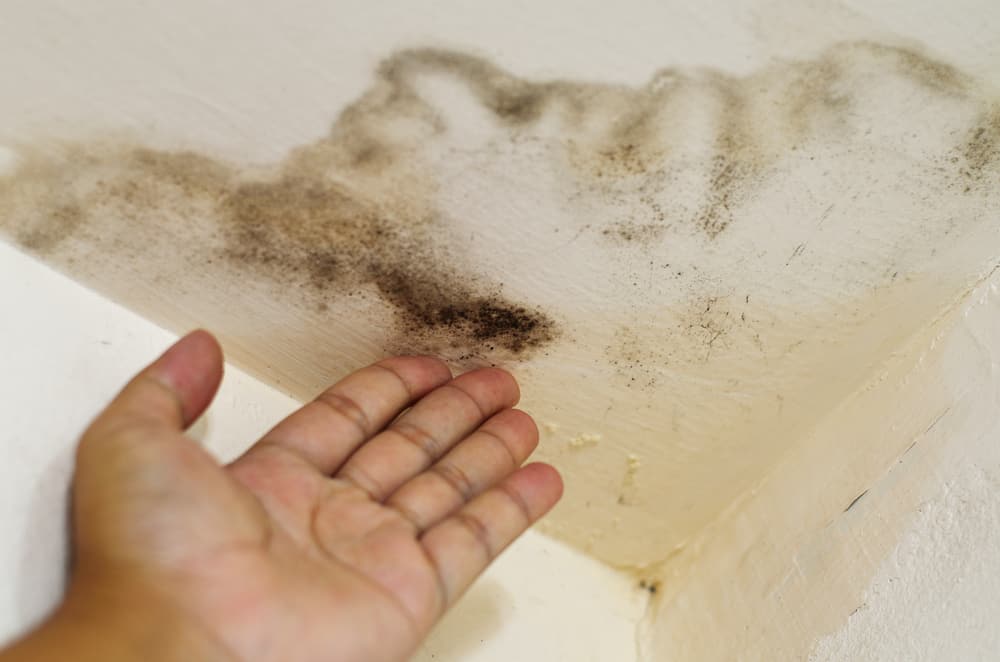
How much does mold remediation cost in Farmingdale, NY?
The honest answer is that it depends on where the mold is, how far it’s spread, and what caused it. Nationally, the average mold remediation job runs around $2,300, with most residential projects falling somewhere between $1,200 and $3,800. Larger jobs attic infestations, whole-basement contamination, or cases where mold has spread inside wall cavities across multiple rooms can run significantly higher.
In Farmingdale specifically, the age of the housing stock plays a role. Many of the Cape Cods and hi-ranches built in the post-war era have original insulation and plumbing that’s more likely to create hidden moisture problems, which means the scope of a remediation job here can be larger than it looks from the surface. A proper inspection tells you exactly what you’re dealing with before any work begins and that’s the only way to give you an accurate number. Any company that quotes a price before inspecting the space isn’t giving you a real estimate.
Can the same company inspect and remediate mold in New York State?
No and this is one of the most important things to understand before you hire anyone. New York State’s Article 32 mold law, passed in 2016, specifically prohibits the same contractor from performing both the mold assessment and the mold remediation on the same property. The law exists because the conflict of interest is obvious: a company that profits from remediation has every incentive to find more mold than actually exists.
This is why the “free mold inspection” offers you see from some Long Island companies should give you pause. If the company doing the free inspection is also the one selling you the remediation, the law isn’t being followed or the scope of the problem may not be as objective as it should be. We operate in full compliance with Article 32. The assessment and remediation are handled through a properly separated process, which means the scope you get is based on what’s actually there not on what generates the largest job.
What causes mold in Farmingdale basements and attics?
In Farmingdale, the two most common culprits are moisture intrusion and inadequate ventilation and they tend to show up in predictable places based on the local housing stock. Basements in South Farmingdale and the southern portions of the village sit in an area with a naturally elevated water table and South Shore humidity that regularly exceeds 60% during summer months. That constant moisture pressure on foundation walls, combined with aging drainage systems and sump pumps that can fail during power outages, makes basement mold a recurring issue rather than a rare event.
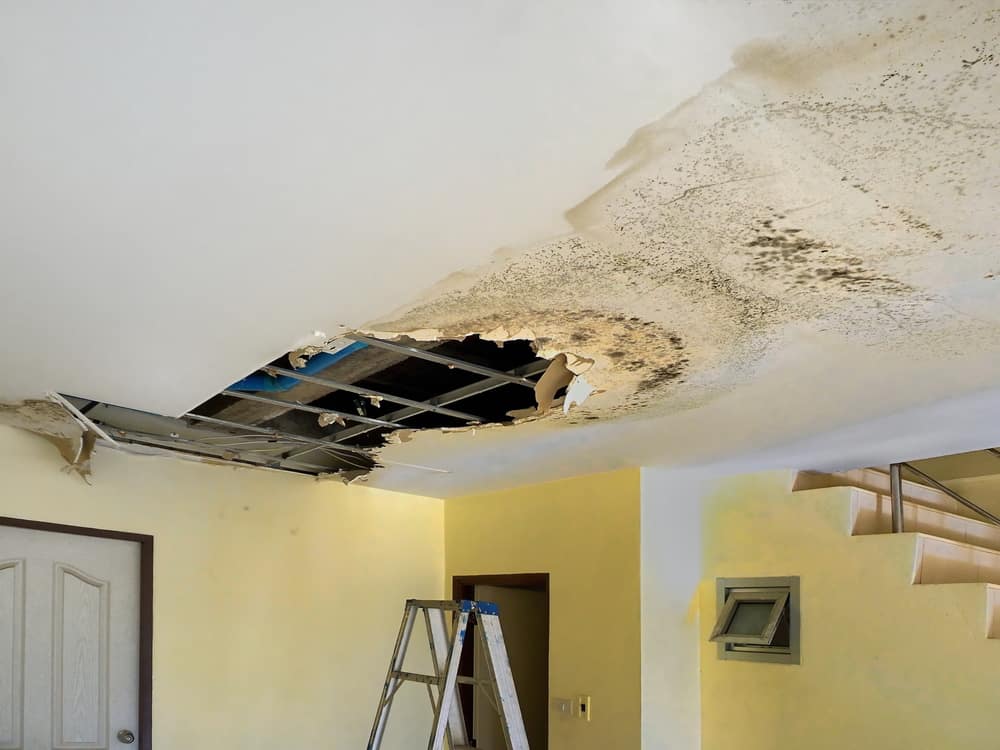
In the attics of older Cape Cods and hi-ranches which make up a large portion of Farmingdale’s housing the problem is usually ventilation. These homes weren’t built with ridge venting or soffit-to-ridge airflow in mind. Heat and moisture build up in the attic space, condensation forms on the roof sheathing, and mold colonizes the wood before anyone notices. It’s one of the more common findings during home inspections in this area, and it’s one of the reasons attic mold remediation is a specific service worth asking about when you call.
How long does mold remediation take in a Farmingdale home?
A straightforward basement or crawl space job typically takes one to three days from start to clearance testing. Larger jobs attic remediation in a two-story colonial, or a situation where mold has spread through multiple rooms after a significant water event can take longer, sometimes up to a week or more depending on the scope and what reconstruction is needed afterward.
The inspection and lab results come first, and that process takes two to three business days to return written documentation. So from the time you call to the time you have a completed, cleared, and documented remediation, you’re generally looking at one to two weeks for a typical residential job. If you’re under a real estate deadline which comes up often in Farmingdale given how active the local market is that timeline matters, and it’s worth discussing upfront so the process can be sequenced properly around your closing date or inspection contingency window.
Will homeowners insurance cover mold remediation in Nassau County?
It depends on what caused the mold. Most standard homeowners insurance policies in Nassau County will cover mold remediation if it’s the direct result of a covered water damage event a burst pipe, an appliance failure, or storm-related water intrusion that you reported and addressed promptly. What policies typically don’t cover is mold that developed from long-term moisture problems, deferred maintenance, or flooding from groundwater, which is classified separately and usually requires flood insurance.
For Farmingdale homeowners, this distinction matters because a lot of basement mold here develops gradually from slow foundation seepage, aging sump systems, or humidity-driven condensation that builds up over months. That kind of mold is less likely to be covered than an acute event like a pipe burst. The best thing you can do is document everything from the moment you discover a problem, call your insurance company before any work begins, and work with a remediation company that provides written inspection reports and lab results because that documentation is what your adjuster will need to process a claim.
Does mold come back after professional remediation in Farmingdale?
It can but only if the moisture source wasn’t properly identified and fixed. Mold remediation removes what’s there. It doesn’t prevent future growth if the conditions that caused it in the first place are still present. That’s why the inspection phase matters as much as the removal itself. Finding the mold is the easy part. Finding why it’s there a failed sump pump, a slow plumbing leak inside a wall, inadequate attic ventilation, or a compromised foundation joint is what determines whether the remediation actually holds.
In Farmingdale’s older housing stock, moisture sources are sometimes layered. A basement might have both a drainage issue and an aging water heater with a slow drip feeding the same wall cavity. Missing one of those sources means the mold comes back within months. Our inspection process is specifically designed to identify all contributing moisture sources before remediation begins and clearance testing after the job confirms that spore levels are within acceptable range. That final verification step is what separates a completed job from a job that just looks completed.
Useful Links
Other Services we provide in Farmingdale