
Mold Remediation in Flower Hill, NY
When Your Million-Dollar Home Has a Mold Problem, Guesswork Isn't an Option
Hear from Our Customers
Basement Mold Remediation Flower Hill NY
Mold in a Flower Hill home isn’t just a health issue it’s a financial one. In a village where median sale prices have reached $3 million and some properties trade well above that, a mold discovery during a pre-purchase inspection can unravel a deal fast. Buyers walk. Prices drop. And the longer it sits, the worse it gets.
What changes after professional mold remediation in Flower Hill isn’t just the air quality it’s your position. You have lab results. You have clearance documentation. You have proof the problem was found, addressed, and verified. That paper trail matters enormously in a real estate market this competitive.
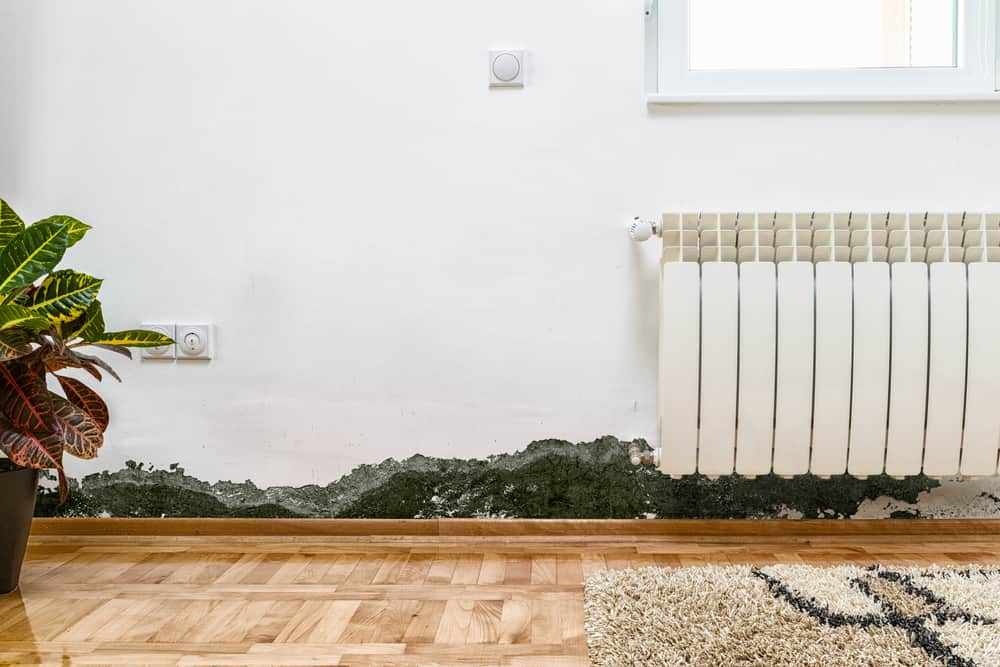
Flower Hill’s geography makes this more urgent than most people realize. The village sits directly on the Harbor Hill Moraine, a glacially formed ridge with clay-heavy soil that drains slowly and holds moisture against foundation walls for extended periods. Homes built in the 1950s and 1960s which make up the majority of the village’s housing stock weren’t built with modern waterproofing standards. That combination creates persistent moisture conditions that don’t fix themselves. Professional remediation that addresses the moisture source, not just the visible mold, is what actually resolves the problem.
Certified Mold Remediation Companies Flower Hill NY
We’ve been serving Nassau County homeowners for close to three decades. That’s not a marketing number it means we’ve worked in homes along Old Northern Boulevard, off Manhasset Woods Road, and throughout the Flower Hill Estates development. We know what North Shore foundations look like from the inside, and we know what the Harbor Hill Moraine’s clay soil does to them over time.
Every technician who arrives at your door is individually IICRC certified not just the company. That distinction matters in an industry where credentials are easy to claim and hard to verify. We also comply fully with New York State’s Article 32 mold law, which requires a licensed, independent assessor to define the scope of work before any remediation begins. That law exists to protect you, and we’ll explain exactly how it works before we do anything.
We’re not a franchise. There’s no national call center routing your call. When you reach us at our Nassau County line, you’re talking to people who have been doing this work on Long Island for a long time.
Professional Mold Remediation Process Flower Hill NY
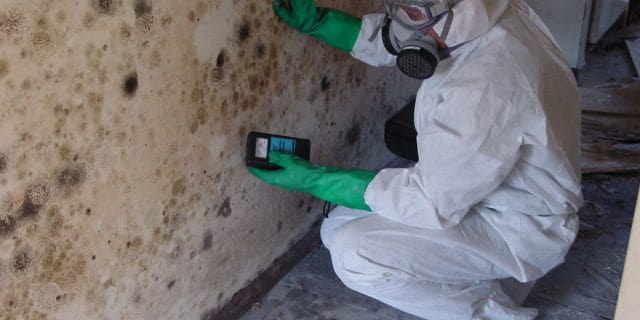
It starts with a 13-point mold inspection. We use air testing, surface swab sampling, infrared imaging to locate hidden moisture behind walls and under flooring, and direct moisture level readings throughout the affected areas. Lab results come back within 2 to 3 business days, and everything is documented in writing. You’ll know exactly what was found, where it was found, and what it means.
Because Flower Hill has its own Village Building Department with local permit requirements, any remediation that involves structural elements removing drywall, replacing subfloor, opening ceiling cavities may require permit coordination before work begins. We factor that into the timeline upfront so nothing stalls mid-project. New York State’s Article 32 also requires that a licensed, independent assessor define the remediation scope before we touch anything. We’ll walk you through that step so there are no surprises.
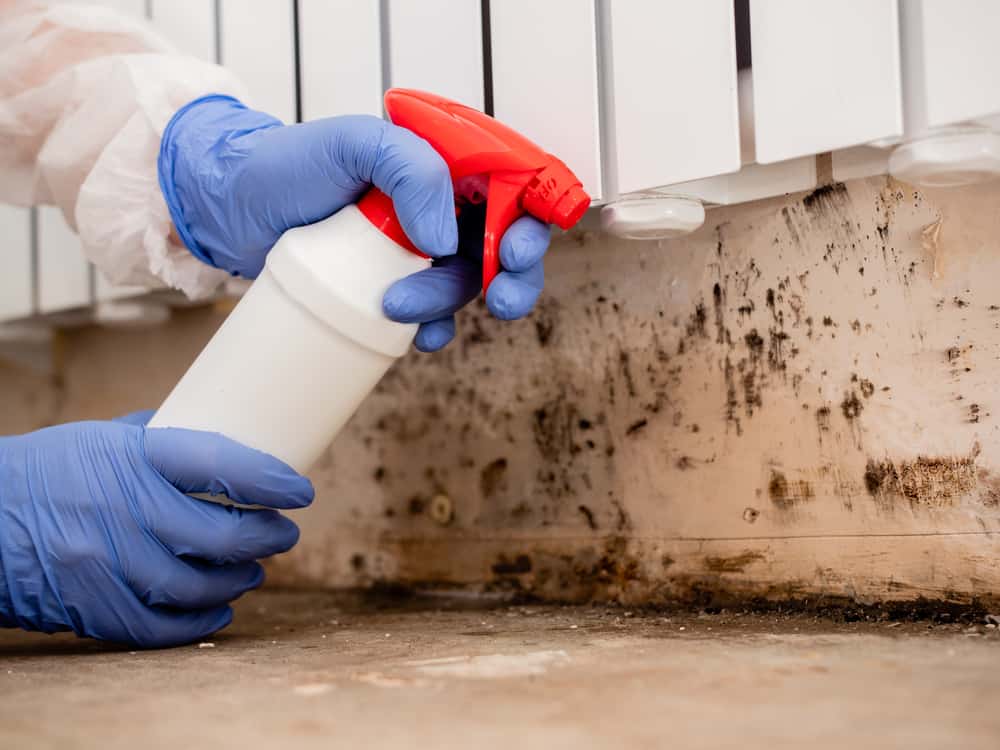
Once remediation begins, containment goes up immediately to prevent cross-contamination to unaffected areas of your home. HEPA air filtration runs throughout. We remove affected materials, treat them, and dispose of them properly. After the work is complete, a post-remediation clearance test confirms the job is done not just finished. That final documentation is what gives you, your insurer, and any future buyer confidence that the problem is actually resolved.
Ready to get started?
Attic and Crawl Space Mold Remediation Flower Hill NY
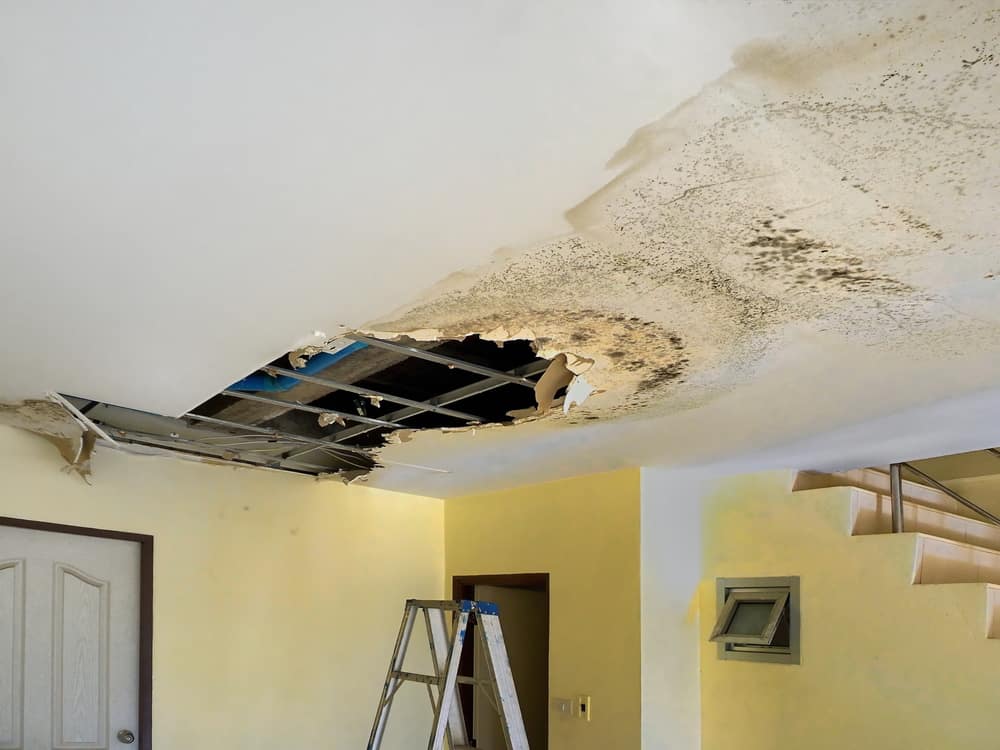
Mold remediation in Flower Hill isn’t a one-size situation. The village’s large single-family homes many with finished basements, multiple bathrooms, pool equipment rooms, and converted attic spaces present a range of mold initiation points that require different approaches. Basement mold remediation typically involves moisture source identification, containment, material removal, antimicrobial treatment, and structural drying. Attic mold remediation, which is common in Flower Hill’s tree-canopied neighborhoods where organic debris backs up in gutters and drives moisture under rooflines, involves a different protocol focused on ventilation correction and sheathing treatment. Crawl space mold remediation addresses the vapor intrusion and ground moisture issues that are especially common in the village’s older housing stock.
Every project includes written documentation from start to finish inspection report, lab analysis, scope of work, and post-remediation clearance testing. We also handle full reconstruction of affected areas after remediation is complete, so you’re not left coordinating a separate contractor to rebuild what was removed. And if your project involves an insurance claim which is common for water-related mold damage in homes at this value level we help document the damage and communicate with your adjuster throughout the process.
If you’re in the Manhasset section of the village (ZIP 11030), the Port Washington section (ZIP 11050), or the Roslyn-area section (ZIP 11576), we serve all of Flower Hill. One call, one company, one accountable team from inspection through restoration.
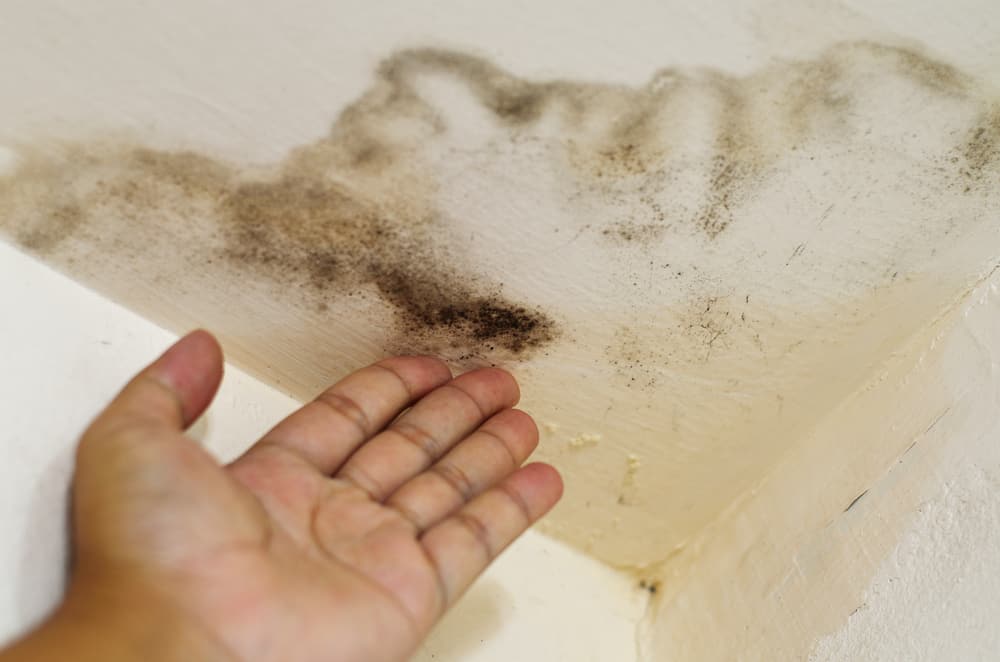
What causes mold to keep coming back in Flower Hill basement walls?
The short answer is that surface-level treatment doesn’t fix a moisture problem it just delays the next outbreak. Flower Hill sits on the Harbor Hill Moraine, a glacially formed ridge composed of clay-heavy soil that retains water and drains slowly. That means hydrostatic pressure builds against basement foundation walls during and after rain events, and it doesn’t release quickly. Homes built in the 1950s and 1960s which represent the majority of Flower Hill’s housing stock were constructed before modern waterproofing standards existed, so the original foundation systems weren’t designed to handle sustained moisture pressure.
When mold returns after a cleaning, it almost always means the moisture pathway into the wall or floor assembly was never identified or corrected. Professional mold remediation in Flower Hill includes moisture source investigation using infrared imaging and direct measurement to find where water is entering before any treatment begins. Addressing the entry point is what breaks the cycle. Without that step, you’re cleaning the symptom and leaving the cause completely intact.
Does homeowners insurance cover mold remediation costs in Flower Hill, NY?
It depends on how the mold started. Most standard homeowners insurance policies in New York will cover mold remediation if the mold resulted from a covered sudden and accidental event a burst pipe, an appliance failure, storm-driven water intrusion from a nor’easter. What they typically won’t cover is mold that developed gradually from long-term moisture seepage, deferred maintenance, or flooding from outside the home.
In Flower Hill, where homes are large, complex, and high in value, the documentation you submit to your insurer matters enormously. A well-documented claim with a written inspection report, lab results, photographic evidence, and a clear scope of remediation is significantly more likely to be processed efficiently than a verbal description of the problem. We help Flower Hill homeowners build that documentation from the first inspection forward and can communicate directly with your adjuster throughout the claim process. If you’re unsure whether your specific situation is covered, the best move is to get a professional assessment done first so you have something concrete to submit.
Is black mold common in North Shore Long Island homes like mine?
Stachybotrys chartarum what most people call black mold requires sustained moisture to establish, typically a surface that has been wet for seven to ten days or longer. On Long Island’s North Shore, and in Flower Hill specifically, the conditions that produce that kind of prolonged moisture exposure are not rare. The clay-heavy soil of the Harbor Hill Moraine holds water against foundations for extended periods after rain. Nor’easters and heavy spring rainfall events regularly saturate the ground. And the village’s dense tree canopy limits sunlight and airflow at the foundation level, slowing evaporation and keeping exterior walls and soil damp longer than they would be in more exposed areas.
That said, black mold is just one of many mold species that can affect indoor air quality and cause health problems. The color of mold you can see doesn’t tell you how serious the contamination is or how far it’s spread. Lab testing is the only way to identify the species present and understand the full scope of the problem. If you’re seeing dark discoloration on basement walls, ceiling tiles, or around bathroom fixtures in your Flower Hill home, professional air and surface sampling is the right next step not a DIY bleach treatment.
What does the New York State mold law actually require before remediation starts?
New York State’s Labor Law Article 32 requires that a licensed mold assessor someone completely separate from the company doing the remediation inspect the property, identify the mold, and produce a written remediation plan before any cleanup work begins. The law also prohibits the same person or company from performing both the assessment and the remediation on the same job. That separation exists specifically to protect homeowners from a scenario where a company inflates or fabricates a mold problem to generate remediation revenue.
After remediation is complete, a post-remediation assessment by a licensed assessor is required to verify the work was done correctly and the mold has been successfully addressed. That clearance report is your written proof. In a village like Flower Hill, where home values regularly exceed $1 million and real estate transactions are scrutinized closely, that final clearance document carries real weight with buyers, with insurers, and with anyone else who has a stake in the condition of the property. We comply with Article 32 on every project and will connect you with a licensed assessor to start the process correctly from day one.
How long does mold remediation take for a large Flower Hill home?
The honest answer is that it depends on the scope, and scope in Flower Hill tends to run larger than average. The village’s housing stock is predominantly large, single-family detached homes many with finished basements, multiple bathrooms, attic conversions, and pool equipment areas, all of which are common mold initiation points. A contained single-area remediation in a finished basement might take two to three days. A multi-room project involving structural material removal, reconstruction, and post-remediation clearance testing can take one to two weeks or more.
Permit requirements can also affect the timeline. Flower Hill has its own Village Building Department, and any remediation work that involves structural elements opening walls, removing ceiling assemblies, replacing subfloor may require a permit before work begins. We account for that during the initial assessment so you have a realistic timeline from the start, not a surprise mid-project. The post-remediation clearance test, which is required under New York State law, adds time at the end but it’s also what gives you the documented proof that the job was completed correctly. Skipping that step to save a day isn’t something we do.
Can I stay in my home during mold remediation in Flower Hill?
In many cases, yes but it depends on where the mold is located, how extensive the contamination is, and whether the remediation work involves opening walls or disturbing large quantities of material. For a contained remediation in a finished basement or a single bathroom, proper containment barriers and HEPA air filtration can isolate the work area effectively enough that the rest of the home remains livable. For larger projects especially those involving attic remediation, multi-room basement work, or significant structural material removal temporary relocation during the active remediation phase is often the safer and more practical choice.
Flower Hill’s homes tend to be large enough that physical separation from the work area is often possible even during more involved projects. That said, individuals with respiratory conditions, asthma, compromised immune systems, or young children at home should take extra caution regardless of project size. We’ll give you an honest assessment of whether staying home is reasonable for your specific situation during the initial inspection, not a blanket answer that ignores what’s actually happening in your house.
Useful Links
Other Services we provide in Flower Hill