
Mold Remediation in Garden City South, NY
Your 1950s Cape Cod Deserves More Than a Flashlight and a Guess
Hear from Our Customers
Basement and Attic Mold Remediation, Nassau County
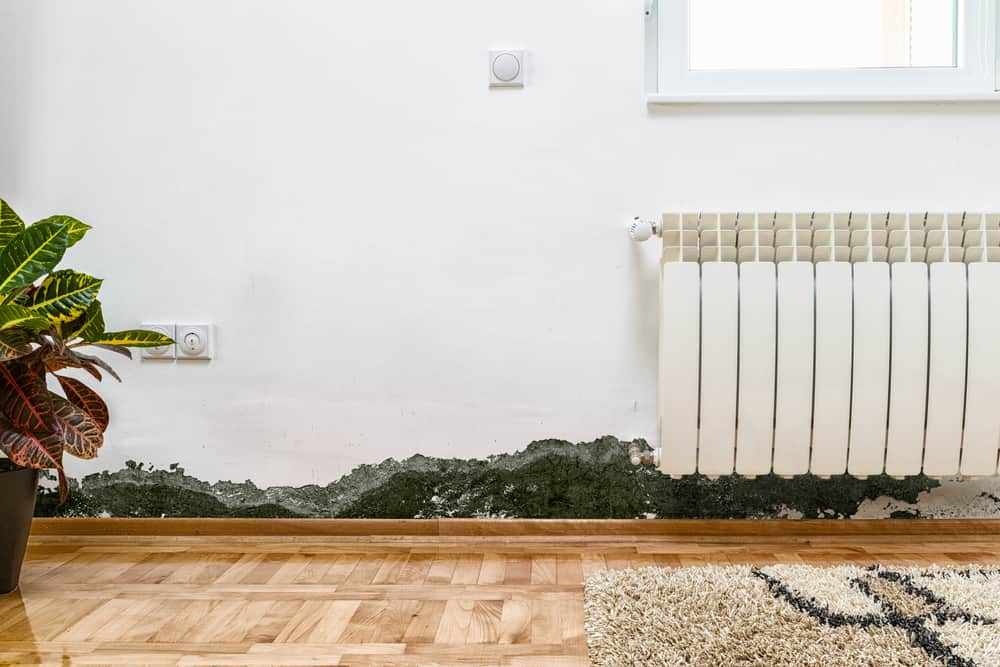
Garden City South is a community of established homeowners people who have invested real money into homes that, in many cases, were built before vapor barriers and modern waterproofing were standard. The Cape Cods and split-levels on these streets are well-loved, but they carry moisture vulnerabilities that were baked in during the 1950s. Concrete block foundations that seep after heavy rain. Attic spaces that trap Long Island’s summer humidity above 60% and never dry out on their own. Walls that hide slow plumbing leaks for years before anything visible appears.
When mold takes hold in those spaces, the clock starts. Mold growth can begin within 48 hours of a water intrusion event, and once it spreads behind drywall or into structural framing, the remediation scope and the cost grows fast. A confirmed mold problem can reduce a home’s resale value by 20% to 37%. In a market where Garden City South homes sell for $600,000 or more, that is not a small number.
Professional mold remediation done right with written documentation, lab-verified clearance, and full reconstruction where needed protects your home’s value, your family’s air quality, and your ability to sell when the time comes. That is what this is really about.
Certified Mold Remediation Companies in Nassau County
First Response Restoration and Cleaning Inc. has been serving Long Island homeowners for close to three decades. We have worked inside hundreds of Cape Cods, split-levels, and ranch homes throughout Nassau County the exact housing types that define Garden City South. We know what a 1950s concrete block basement looks like after a nor’easter. We know what improper attic ventilation does to a Cape Cod over a Long Island summer. This is not a national franchise routing calls through a 1-800 number. We are a local company with a Nassau County phone line 516-698-1776 and real accountability to the communities we serve.
Every technician who walks into your home holds individual IICRC certification. Not just the company every person on the crew. We arrive fully equipped: air movers, industrial dehumidifiers, HEPA filtration units, and moisture monitors loaded on the truck before we leave the depot. And because we handle remediation and reconstruction under one roof, you are not left coordinating a second contractor after the mold is gone.

The Mold Remediation Process in Garden City South
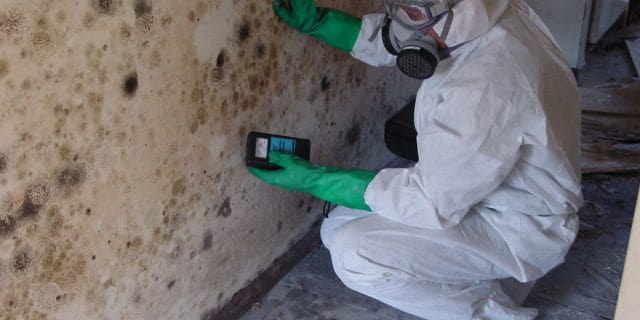
It starts with a 13-point mold inspection. That means air sampling, surface swab testing, infrared imaging to detect moisture hidden behind walls, and a direct comparison of interior and exterior mold particle levels. Everything goes to a certified lab, and you receive a written report with results within 2 to 3 business days. For Garden City South homeowners navigating a real estate transaction or an insurance claim, that documentation is not optional it is what your attorney and your adjuster are going to ask for.
Once the inspection confirms the scope, a licensed mold assessment contractor prepares a written remediation plan before any work begins. This is required under New York State’s Article 32 mold law, which also prohibits the same company from performing both the assessment and the remediation on your property. We operate in full compliance with Article 32 and hold the Nassau County Environmental Hazard Remediation Contractors License issued by the Nassau County Fire Marshal a local licensing requirement that many companies operating in this area quietly skip.
Remediation itself involves full containment of the affected area, HEPA air filtration, removal of contaminated materials, and treatment of affected surfaces. When structural elements drywall, framing, flooring need to come out and be replaced, we handle that too. Post-remediation clearance testing confirms the job is done. You get a written clearance report. That is what resolved looks like.
Ready to get started?
Black Mold Remediation and Cleanup in Garden City South
Most mold remediation companies in the Garden City South area stop at remediation. They remove what they can see, treat the surfaces, and leave handing you a short list of contractors to call for the drywall replacement and structural repairs that follow. We do not work that way. From the initial 13-point inspection through post-remediation reconstruction, it is one company, one point of contact, and one written scope of work.
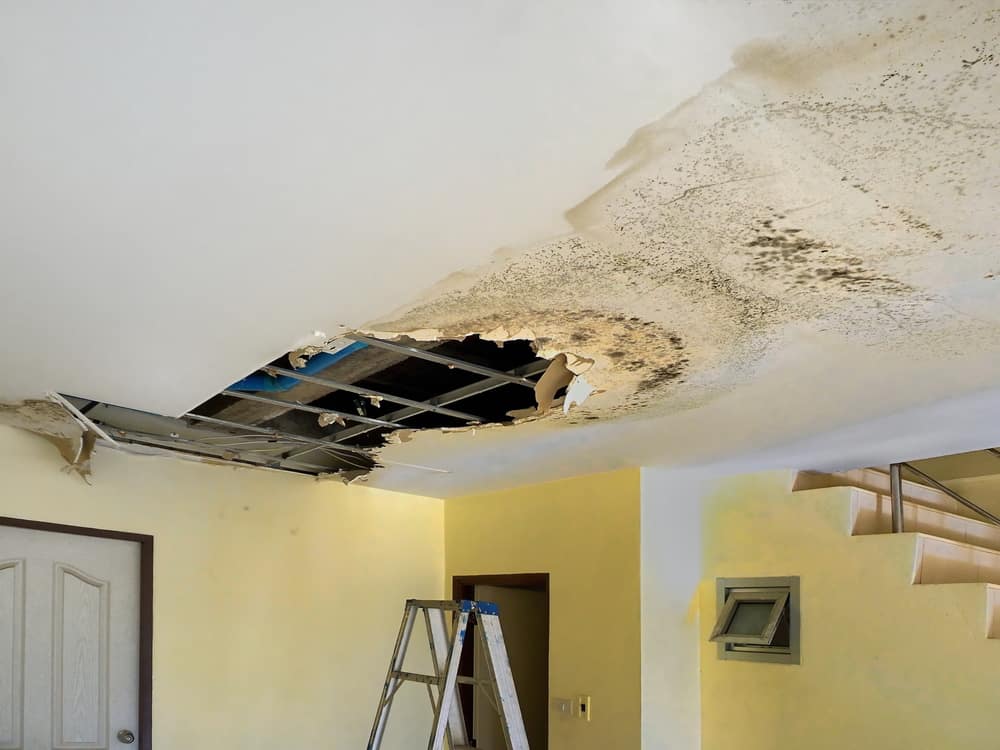
For Garden City South specifically, the most common remediation scenarios involve basement mold remediation in 1950s foundations after rain events or slow seepage, attic mold remediation in Cape Cod homes where summer humidity and poor ventilation have gone unchecked for years, and crawl space mold remediation in split-level homes where ground moisture migrates upward without a proper vapor barrier in place. Emergency mold remediation is also available 24 hours a day, 7 days a week because when a basement floods after a nor’easter, the 48-hour window before mold growth begins does not wait for Monday morning.
We also work directly with homeowners insurance companies, providing the documentation that adjusters require and helping you understand what your policy covers before the bill arrives. For a dual-income household in Garden City South where time is already stretched, that is not a small thing.
Is mold common in Garden City South's 1950s Cape Cod and split-level homes?
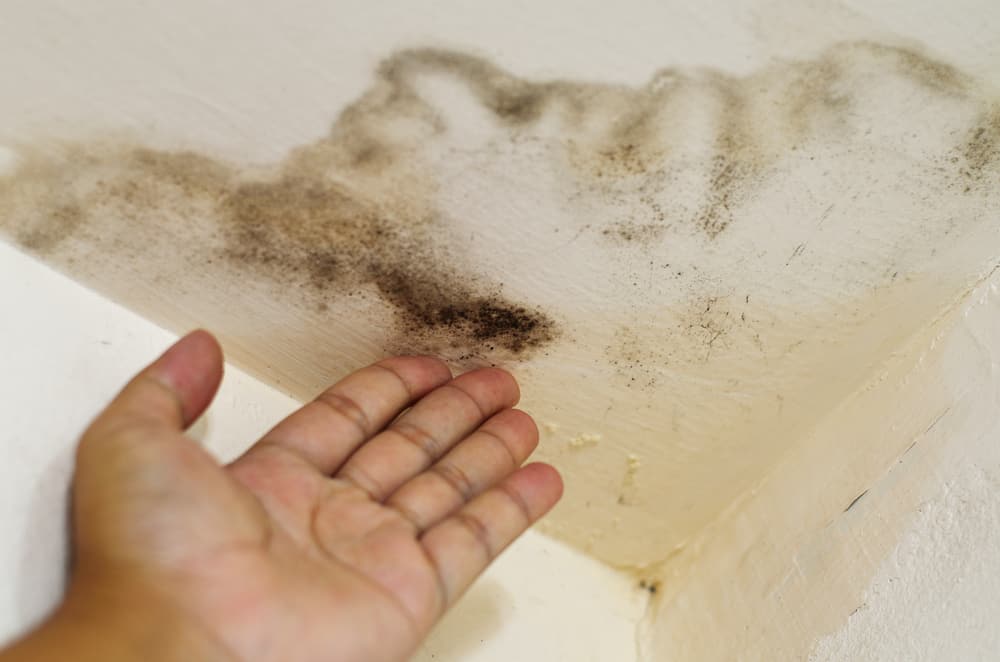
Yes and it is more common than most homeowners realize until something forces them to look. Homes built in the 1950s were constructed before modern moisture management became standard. That means no vapor barriers in crawl spaces, limited waterproofing on concrete block foundations, and attic spaces in Cape Cods that were designed for passive ventilation but often retrofitted with insulation in ways that trap heat and humidity instead of releasing it.
On Long Island, where summer relative humidity routinely exceeds 60%, those structural conditions create a near-perfect environment for mold growth especially in spaces that go years without inspection. Basements, attic knee walls, and the areas behind finished drywall in split-level homes are the most common discovery points. If your Garden City South home has not had a professional mold inspection in the past few years, and especially if you have had any basement seepage or roof issues, it is worth knowing what is actually in those spaces.
How much does mold remediation cost in Garden City South, NY?
The honest answer is that cost depends heavily on where the mold is, how far it has spread, and whether structural materials need to be removed and replaced. For a contained problem say, a section of basement wall or a localized area of attic sheathing remediation costs typically run in the range of $1,500 to $4,000. Larger infestations that have spread through wall cavities, floor joists, or significant attic square footage can reach $10,000 to $30,000 or more once remediation and reconstruction are both factored in.
For Garden City South homeowners, the more important number is often the cost of doing nothing. A mold problem that reduces your home’s resale value by 20% to 37% in a market where homes sell for $600,000 or more is a six-figure financial exposure. Getting a written inspection report and a clear scope of work upfront rather than a verbal estimate is the only way to know exactly what you are dealing with and what it will take to resolve it properly.
What is the difference between mold remediation and mold removal?
Mold removal is a term that gets used loosely and sometimes misleadingly. The reality is that mold spores are naturally present in the air and cannot be completely eliminated from any indoor environment. What professional mold remediation actually does is bring indoor mold levels back to a normal, safe range by removing contaminated materials, treating affected surfaces, and correcting the moisture conditions that allowed mold to grow in the first place.
The distinction matters because a company promising total mold removal is either using the term casually or overpromising what is scientifically possible. What you actually want and what we deliver is a documented remediation process that meets the IICRC S520 standard, followed by post-remediation clearance testing that confirms indoor mold levels are back within an acceptable range. That clearance report is what your real estate attorney, your insurance adjuster, and any future buyer’s inspector will ask to see.
Does homeowners insurance cover mold remediation in Nassau County, NY?
It depends on the cause of the mold, and the answer is not always straightforward. Most standard homeowners insurance policies in Nassau County will cover mold remediation if the mold resulted directly from a covered peril a sudden pipe burst, an appliance leak, or storm-related water intrusion. What they typically will not cover is mold that resulted from long-term seepage, deferred maintenance, or gradual moisture buildup which, in Garden City South’s aging 1950s housing stock, is actually a very common scenario.
The practical step is to document the moisture source carefully before any remediation work begins. A written inspection report that identifies both the mold and its likely cause is critical for making a successful claim. We work directly with insurance companies and provide the documentation adjusters need including lab results and a written remediation plan. We can also help you understand what your specific policy covers before you commit to a scope of work, so there are no surprises when the bill arrives.
How long does mold remediation take for a typical Garden City South home?
For a contained problem a section of basement wall, a localized patch of attic sheathing, or a crawl space with limited spread remediation typically takes one to three days once the written remediation plan is in place and work begins. Larger projects involving multiple areas of a home, or situations where significant drywall and framing need to be removed and replaced, can run a week or more depending on the reconstruction scope.
In Garden City South, the timeline is also affected by what happens before remediation starts. Under New York State’s Article 32 mold law, a licensed mold assessment contractor must prepare a written remediation plan before any remediation work begins and the assessment contractor cannot be the same company performing the remediation. We work within this framework and can walk you through realistic timing from inspection through clearance based on what the initial 13-point inspection reveals. Lab results typically come back within 2 to 3 business days of the inspection, which is usually the starting point for the full timeline conversation.
What should I do if I find mold during a home renovation in Garden City South?
Stop the renovation work in that area and do not disturb the mold further. Cutting into or sanding moldy materials without proper containment releases spores into the air and can spread contamination to areas of the home that were previously unaffected. This is especially relevant in Garden City South, where renovation projects frequently involve opening walls in 1950s homes that have never been touched and where hidden mold behind original drywall or insulation is a genuinely common discovery.
The next step is to call a licensed mold assessment contractor for a proper inspection before any remediation work begins. New York State law requires that the assessment and the remediation be handled by separate licensed parties so the company you call to inspect cannot be the same company that does the cleanup. We can connect you with a licensed assessor and then take over from there once the written remediation plan is in place. If you are mid-renovation and working against a contractor’s schedule, call the Nassau County line at 516-698-1776 emergency response is available around the clock, and getting the inspection started quickly is the fastest way to get your project back on track.
Useful Links
Other Services we provide in Garden City South