
Hear from Our Customers
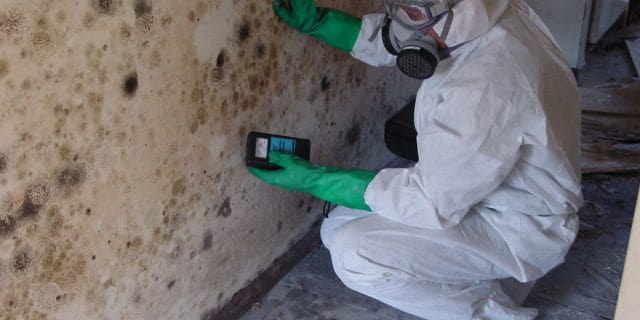
You stop wondering what’s behind the walls. That’s the real outcome — not just a clean inspection report, but the confidence that comes from knowing the source was found, addressed, and documented. For homeowners in Great Neck Estates, where a significant portion of the housing stock dates back to before World War II, that peace of mind matters more than most people realize until they’re standing in a basement with a flashlight and a sinking feeling.
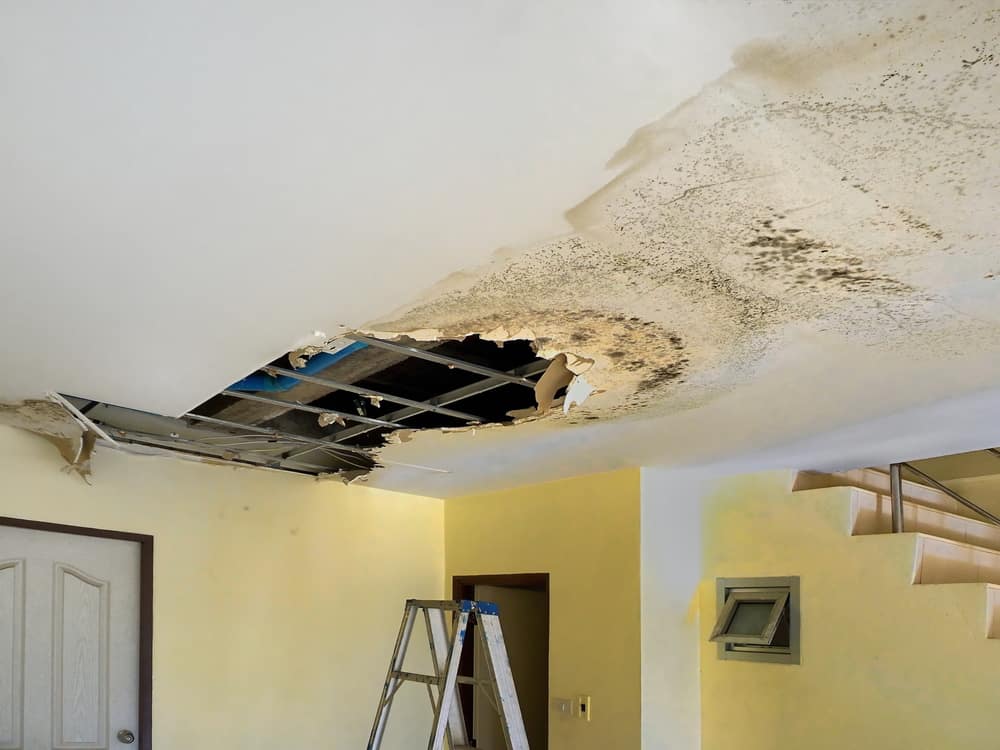
Great Neck Estates sits on a peninsula surrounded by Long Island Sound, Manhasset Bay, and Little Neck Bay. That coastal position keeps humidity elevated well above the 60% threshold where mold thrives — and older homes here, many built with original plumbing and without modern vapor barriers, don’t fight that moisture the way newer construction does. When water gets in — through a slow roof leak, a compromised foundation, or a nor’easter that pushes water into a crawl space at 2 AM — mold can take hold within 48 hours.
Once the remediation is done correctly, the air in your home changes. The musty smell is gone. The lab report is in your hands. If you’re heading into a real estate transaction, you have documentation that protects your position. And if it was an insurance claim, you have the paperwork to back it up. That’s what a proper remediation actually delivers.
We’ve been serving Nassau County homeowners since the late 1990s. That’s not a marketing number — it means we’ve worked in the kinds of homes that define Great Neck Estates: pre-war Colonials, Tudor-style houses built in the decades after the village was master-planned in 1911, and older properties where the basement hasn’t been properly waterproofed in decades. We know what those homes look like from the inside, and we know where moisture hides in them.
Every technician we send to your door is individually IICRC certified — not just our company, but the person doing the actual work. We arrive at every job with fully equipped trucks: air movers, dehumidifiers, moisture monitors, and detection equipment ready to go. No waiting for a second vehicle, no delays while mold continues to spread through original wood framing.
We also handle the full scope — from remediation through reconstruction — so you’re not left coordinating between us and a separate contractor after the mold is gone.
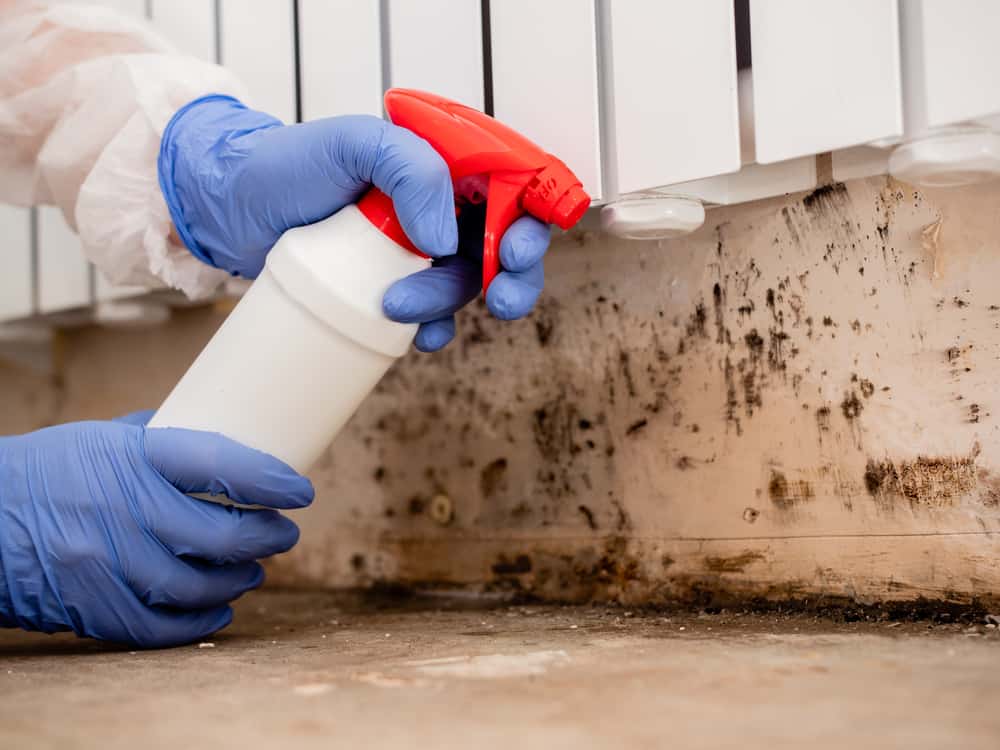
It starts with a thorough inspection — and we mean thorough. Our 13-point mold inspection protocol includes air testing, swab sampling, infrared imaging to detect moisture hidden behind walls and under floors, and moisture level measurements throughout the affected areas. In a village where many homes were built before 1950, visual inspection alone doesn’t cut it. Mold can live inside original plaster walls, in attic cavities under aging rooflines, and in crawl spaces that haven’t been opened in years. We find it before we treat it, and we document everything. Lab results come back within 2 to 3 business days in a written report you can use for insurance, real estate disclosure, or your own records.
Once the scope is confirmed, remediation begins. We contain the affected area, remove contaminated materials, treat surfaces with appropriate antimicrobial agents, and run air filtration throughout the process. But before we call it done, we address the moisture source — because mold that comes back in three months isn’t a remediation, it’s a delay. Whether the source is a roof issue, a plumbing leak, or a foundation gap that’s been letting in groundwater, we identify it and resolve it as part of the job.
If structural materials need to come out — drywall, insulation, framing — we handle the rebuild too. The Village of Great Neck Estates requires building permits for structural repairs through their Building Department at Atwater Plaza on Gateway Drive, and we’re familiar with that process. You don’t have to figure it out on your own.
Ready to get started?
Mold problems in Great Neck Estates homes tend to show up in predictable places: basements with aging waterproofing, attic spaces under older rooflines challenged by the peninsula’s mature tree canopy and leaf debris, and crawl spaces in pre-war homes that were never designed to manage modern humidity loads. Black mold remediation, crawl space mold remediation, attic mold remediation — these aren’t separate categories to us, they’re all part of understanding how moisture moves through an older home on a coastal peninsula.
What you get from us is a complete service: inspection, containment, removal, antimicrobial treatment, air filtration, moisture source resolution, and full reconstruction if structural materials are involved. We also help you navigate the insurance claim — documenting the damage, providing the lab-backed reports your insurer needs, and walking you through what’s typically covered and what isn’t. In Nassau County, mold caused by a sudden event like a burst pipe is generally covered; gradual moisture issues may not be. Knowing the difference before you file matters.
New York State law prohibits the same company from both assessing and remediating mold on the same property — a rule that exists specifically to protect homeowners from inflated diagnoses. Our inspection and remediation services are structured in full compliance with that law. We’ll explain exactly how it works before anything begins.
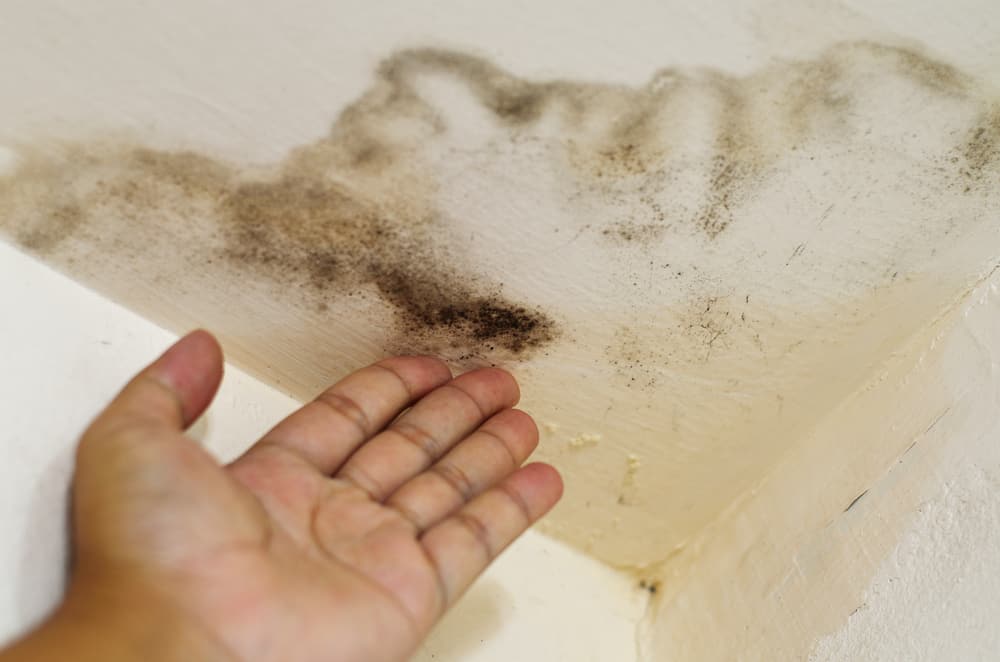
The range is wide, and it depends heavily on where the mold is and how far it’s spread. A contained basement or bathroom situation typically runs between $1,200 and $3,800. Larger projects — attic remediation, crawl space work, or cases where mold has spread through multiple areas of an older home — can reach $10,000 to $30,000 or more. In Great Neck Estates, where median home values exceed $1 million, most homeowners find that the cost of professional remediation is straightforward to justify when you consider what an unresolved mold problem does to resale value. Studies consistently show mold can reduce a home’s market value by 20% to 37% — on a $1 million home, that’s $200,000 to $370,000 at risk. The cost of doing it right is almost never the bigger number.
Getting an accurate estimate requires an actual inspection, not a phone quote. The square footage of contamination, the materials involved, and whether structural elements need to be removed and replaced all affect the final cost. We’ll walk you through everything before work begins.
It depends on the cause. In Nassau County, homeowners insurance typically covers mold remediation when it results from a sudden, covered event — a burst pipe, an appliance failure, storm-driven water intrusion. What’s usually not covered is mold that developed from a slow, ongoing leak that wasn’t addressed, or general moisture buildup over time. The distinction matters, and it’s worth understanding before you file.
What helps your claim is documentation — written inspection reports, lab results, and photographs that clearly establish the cause and scope of the damage. That’s exactly what our 13-point inspection produces. We’ve worked with Nassau County homeowners through the insurance process enough times to know what insurers look for and how to present the information clearly. If you’re not sure whether your situation is likely to be covered, we can help you think through it during the inspection.
Often, yes — and it’s worth being honest about that. Homes built before 1950, which make up a significant portion of Great Neck Estates’ housing stock, were constructed with materials and methods that predate modern moisture management standards. Original plaster walls, older wood framing, and basement structures without waterproofing membranes can all absorb moisture over years or decades, creating conditions where mold has had a long time to establish itself in places a standard visual inspection would never find.
That’s exactly why our inspection protocol includes infrared imaging and air testing, not just a walkthrough. In a home where the walls haven’t been opened since the 1940s, you need tools that can detect what’s happening behind the surface. The remediation process itself isn’t necessarily more complicated — but finding the full scope of the problem in an older Great Neck Estates home requires more thoroughness upfront, and skipping that step is how mold comes back three months later.
Mold removal implies that mold can be completely eliminated — taken out and gone forever. Remediation is the more accurate term, and it’s the professional standard for a reason. Mold spores exist naturally in the air inside and outside every home. The goal of remediation isn’t to achieve zero spores — it’s to bring indoor mold levels back to normal, safe concentrations by removing the active growth, treating affected surfaces, improving air quality, and eliminating the moisture source that allowed the problem to develop.
For Great Neck Estates homeowners, this distinction matters practically. A company that promises to “remove all mold” is making a claim that isn’t scientifically possible and should raise a flag. A company that commits to returning your home to a safe, normal baseline — and addresses the underlying cause so it doesn’t come back — is describing what professional mold remediation actually is. That’s the standard we work to, and it’s the standard you should expect from any company you hire.
In most cases, yes — but it depends on where the mold is, how extensive it is, and how sensitive you or your family members are to mold exposure. For a contained situation in a basement or crawl space, most homeowners can remain in the home while work is underway, as long as the affected area is properly sealed off. For larger-scale remediation involving HVAC systems or multiple rooms, temporary relocation may be the more comfortable and safer option, particularly for households with young children, elderly residents, or anyone with respiratory conditions.
We’ll give you a straight answer on this during the inspection, based on what we actually find — not a blanket policy. If there’s any question about air quality during the process, we use air filtration equipment throughout the job and can conduct post-remediation air testing to confirm the space is safe before you resume normal use of the affected areas. You won’t be left guessing.
The honest answer is that mold will always come back if the moisture source isn’t resolved. Treating visible mold growth without finding and fixing what caused it is like mopping up a floor without turning off the faucet. On the Great Neck Peninsula, where coastal humidity is persistently elevated and older homes deal with everything from aging roof flashing to original basement construction, there’s rarely just one moisture issue — and a thorough job means identifying all of them.
Our process doesn’t end at cleanup. We locate the water intrusion source — whether that’s a slow roof leak, a foundation gap, a plumbing issue behind a wall, or a crawl space without adequate vapor management — and we address it as part of the remediation. Post-remediation, we can conduct air testing to verify that mold levels have returned to normal. That written result gives you something concrete: documentation that the job was done, the source was fixed, and your home is back to a safe baseline. That’s the difference between a remediation and a temporary fix.
Useful Links
Other Services we provide in Great Neck Estates