
Mold Remediation in Head of the Harbor, NY
When Harbor Humidity Moves In, Here's How We Move It Out
Hear from Our Customers
Certified Mold Remediation in Suffolk County
The air in your home feels different when it’s clean. Not just less musty genuinely different. No more unexplained headaches. No more kids waking up congested every morning. No more that feeling that something is off but you can’t quite name it. That’s what professional mold remediation actually delivers when it’s done completely and correctly.
For homes along the northern edge of Head of the Harbor where Stony Brook Harbor’s tidal humidity pushes moisture into basements, crawl spaces, and attic cavities year-round the relief isn’t just physical. It’s financial. A properly remediated and documented home holds its value. A home with an unresolved mold history, or one where the remediation was done by someone without the right credentials, can lose 20 to 37 percent of its market value. In a community where the median home value exceeds one million dollars, that’s not a small number.
What you’re really getting here is a clean result with documentation to prove it. Post-remediation air quality testing confirms the job is finished not just visually, but measurably. That clearance report matters whether you’re staying put or eventually selling. Either way, you deserve to know the problem is gone, not just covered.
Licensed Mold Remediation Companies in Head of the Harbor
First Response Restoration and Cleaning Inc. has been working across Long Island’s North Shore for over three decades, including throughout Head of the Harbor and the surrounding communities. The owner, Richard Peterson, holds personal New York State licenses in both mold assessment and mold remediation not a company-level credential filed away somewhere, but his own licenses, tied to his name, under Article 32 of the NYS Labor Law. Every technician on our team carries IICRC certification, which means the people physically working inside your home have been trained and tested to the industry’s recognized standard.
Head of the Harbor is not a community where shortcuts go unnoticed. Between the village’s historic preservation requirements along the North Country Road corridor, its active building department, and homeowners who routinely have attorneys involved in real estate transactions, the bar for contractor accountability is genuinely high. We meet it and can prove it before a single piece of containment goes up.
Professional Mold Remediation Process in Head of the Harbor
It starts before anything is removed. The first step is finding where the moisture is actually coming from because mold is a symptom, not the problem. In Head of the Harbor’s estate homes, that source could be a vapor barrier that’s failed in a crawl space, an attic ventilation issue caused by decades of dense oak canopy limiting airflow, a foundation drainage problem, or a sump pump that went down during one of the frequent power outages the village experiences. Without fixing the source, the mold comes back. That’s not remediation that’s a temporary fix.
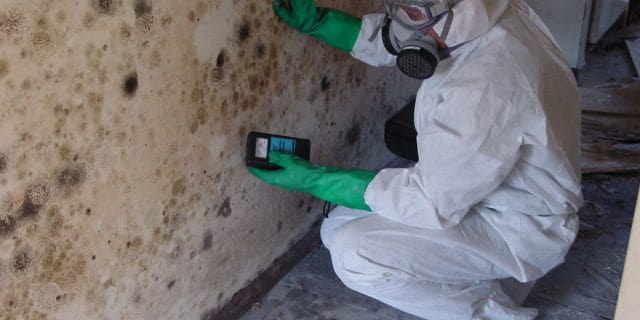
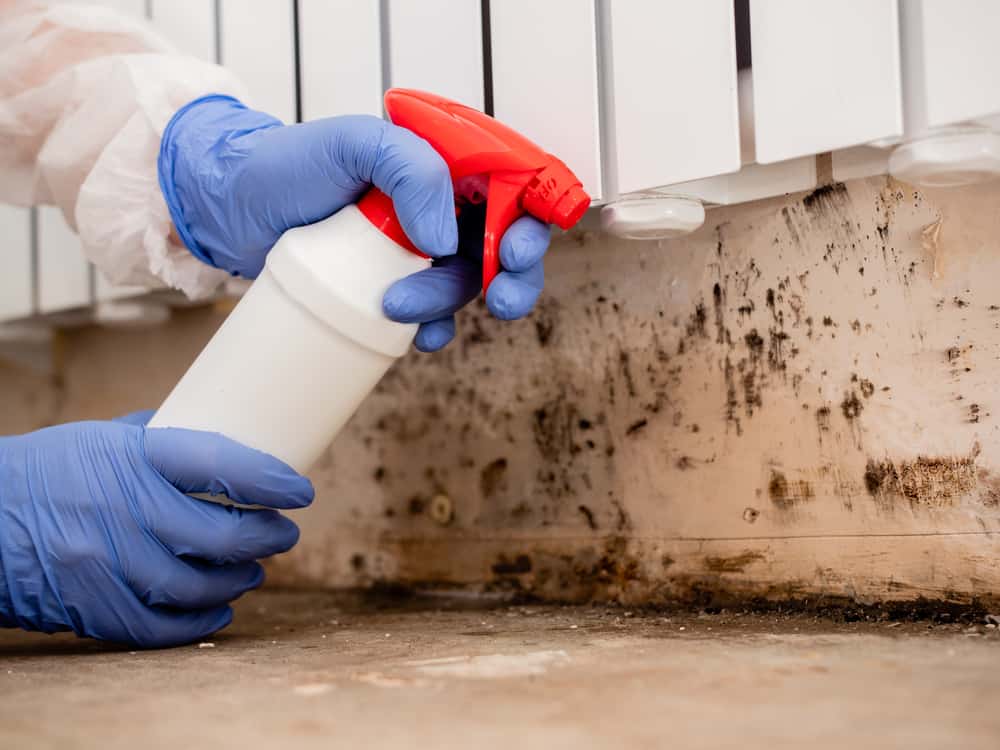
Once the source is identified and documented, we set up containment to isolate the affected area. HEPA air filtration runs continuously throughout the job. Contaminated materials drywall, insulation, wood framing where necessary are removed and disposed of properly. Antimicrobial treatment is applied to all affected surfaces. In homes with historically significant materials or high-value finishes, which are common in Head of the Harbor, the surrounding areas are protected carefully throughout the process.
After the structural work is done, post-remediation air quality testing confirms that spore counts have returned to normal levels. You get a written clearance report the kind of documentation that holds up in a real estate transaction, satisfies an insurance adjuster, and gives you actual peace of mind, not just a verbal assurance. From there, our cleaning team handles the final restoration of affected spaces so the job is complete from start to finish.
Ready to get started?
Attic and Crawl Space Mold Remediation in Head of the Harbor
Mold remediation in Head of the Harbor isn’t a one-size job. The average home here runs around 3,600 square feet on a two-acre-plus lot, often with a full attic, a basement or crawl space, and multi-zone HVAC systems that can carry spores from one part of the house to another. The scope of a proper remediation reflects that complexity.
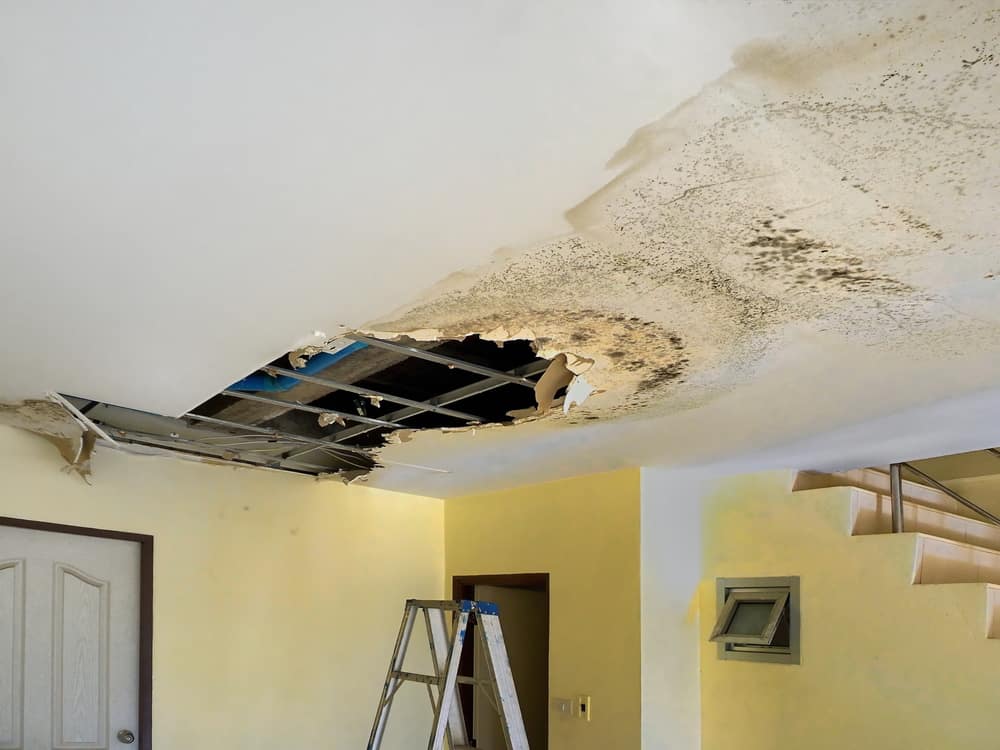
Attic mold remediation is one of the most common needs in Head of the Harbor specifically because the mature oak canopy that defines the village’s character also limits sunlight exposure to roofs, traps moisture from leaf debris in gutters and valleys, and creates ideal conditions for mold growth in attic spaces that aren’t adequately ventilated. Crawl space mold is similarly endemic on the North Shore, particularly in older homes that lack modern vapor barriers. Basement mold remediation is a recurring need following the kind of sump pump failures that happen when power goes out something Head of the Harbor residents know well.
All work we perform is fully compliant with New York State Article 32 licensing requirements. If your property falls within the village’s historic district along the North Country Road corridor, we work with awareness of preservation requirements so the remediation doesn’t create a separate compliance issue. The full service includes moisture source correction, containment, removal, antimicrobial treatment, post-remediation verification, and final cleaning one company, one scope, one point of accountability.
Does mold remediation in Head of the Harbor require a licensed contractor under New York State law?
Yes and this is not optional. Under Article 32 of the New York State Labor Law, which took effect in 2016, any individual or company performing mold assessment or mold remediation in New York must hold a valid state-issued license. It is unlawful to perform this work, advertise it, or even hold yourself out as a mold remediation contractor without one. The license is verifiable through the NYS Department of Labor’s public lookup system, and any reputable contractor should be able to give you their license number before you sign anything.
This matters especially in Head of the Harbor, where homeowners are frequently represented by attorneys in real estate transactions and where the village’s building department actively enforces compliance. Hiring an unlicensed contractor doesn’t just risk a poor result it can void your insurance claim and create legal exposure. Richard Peterson, the owner of First Response Restoration and Cleaning Inc., holds personal NYS licenses in both mold assessment and mold remediation. That’s verifiable accountability, not a marketing claim.
How much does mold remediation typically cost for a large home in Head of the Harbor, NY?
For most residential projects, professional mold remediation runs between $1,200 and $3,800. Larger infestations particularly in attics, crawl spaces, or areas where structural materials need to be removed typically fall in the $5,000 to $15,000 range. For the estate-scale homes in Head of the Harbor, where attic footprints are large, crawl spaces are common, and the source of moisture often requires correction alongside the remediation itself, projects at the higher end of that range are not unusual.
The honest answer is that cost depends on where the mold is, how far it’s spread, and what’s required to fix the underlying moisture problem. A written estimate with a clear scope of work should always come before any work begins no verbal quotes, no scope that expands after the fact. We provide detailed written estimates so you know exactly what you’re paying for and why. If your homeowner’s insurance policy covers the triggering event a burst pipe, a storm-related roof breach, a sump pump failure the claim documentation we provide can significantly offset your out-of-pocket cost.
Why is attic mold so common in Head of the Harbor homes specifically?
It comes down to the tree canopy. Head of the Harbor’s dense oak coverage the same characteristic that earned the village its Tree City USA designation eight years running limits direct sunlight exposure to rooftops and exterior walls. Less sunlight means less natural drying. Leaves and organic debris accumulate in gutters and roof valleys, retaining moisture against roofing materials and creating conditions where mold takes hold quickly. Add in the ambient humidity that moves inland from Stony Brook Harbor, and attic spaces that aren’t adequately ventilated become high-risk environments year-round.
Older homes compound the issue. Many of Head of the Harbor’s estate properties were built before modern insulation and ventilation standards, which means attic airflow is often insufficient relative to the moisture load the structure is managing. Attic mold remediation in this environment isn’t just about removing what’s visible it requires correcting the ventilation deficiency so the conditions that allowed mold to grow don’t simply recreate themselves within a season or two. That’s a meaningful part of what a thorough remediation process addresses.
What is post-remediation verification and do I actually need it for my Head of the Harbor property?
Post-remediation verification is independent air quality testing conducted after the remediation work is complete. It measures mold spore counts in the treated areas and confirms they’ve returned to normal background levels meaning the mold is genuinely gone, not just visually absent. The result is a written clearance report from a third party, not from the company that did the remediation.
For Head of the Harbor homeowners, this documentation is not optional in any practical sense. If you ever sell the property, the buyer’s inspector or attorney will want to see it. If you filed an insurance claim, the adjuster may require it. And even if neither of those situations applies right now, the clearance report is the only objective confirmation that the job was done correctly not a verbal assurance from the contractor, but a measurable, documented result. We include post-remediation verification as a standard step in the process, not an add-on. In a community where homes are worth what they are in Head of the Harbor, that documentation is part of what you’re paying for.
Can mold in a crawl space spread to the rest of my home if it's left untreated?
It can, and it often does. Crawl spaces are rarely sealed environments air moves between the crawl space and the living areas above through gaps in flooring, around pipes and wiring penetrations, and through HVAC systems that draw air from lower levels of the structure. When mold is actively growing in a crawl space, spores become airborne and travel with that air movement into the main living areas. Over time, what started as a contained crawl space problem becomes a whole-house air quality issue.
On the North Shore, crawl space mold is particularly common in older homes that lack proper vapor barriers and many of Head of the Harbor’s estate properties fall into that category. The combination of ground moisture, harbor humidity, and limited airflow in an unencapsulated crawl space creates conditions where mold can establish and spread quickly. The fix involves more than removing the visible mold it requires correcting the moisture pathway, whether that’s installing or replacing a vapor barrier, improving drainage around the foundation, or addressing ventilation. Treating the mold without fixing the source is a short-term answer to a long-term problem.
How do I know if a mold problem in my home is covered by homeowner's insurance?
Whether your insurance covers mold remediation depends largely on what caused the mold in the first place. Most standard homeowner’s policies cover mold when it results from a sudden and accidental event a burst pipe, a storm-related roof breach, or a sump pump failure during a power outage. They typically don’t cover mold that developed gradually from a long-term moisture problem or deferred maintenance. The distinction matters, and how the damage is documented matters just as much as the cause.
In Head of the Harbor, sump pump failures during power outages are a real and recurring scenario residents have experienced multiple outages per year due to downed trees from the village’s dense oak canopy. If a basement floods during one of those events and mold develops within the following 24 to 48 hours, that’s the kind of sudden, documented event that most policies are designed to cover. We document the damage in the format insurance companies require, which gives your claim the best possible foundation. High-value homeowner’s policies common in this community often carry higher mold coverage limits, but the documentation still has to support the claim. Getting that right from the start is worth the effort.
Useful Links
Other Services we provide in Head Of The Harbor