
Mold Remediation in Holtsville, NY
Holtsville's Older Homes Deserve More Than a Surface Fix
Hear from Our Customers
Certified Mold Remediation in Suffolk County
When mold remediation is done correctly not just cosmetically you stop having the same conversation every two years. No more mystery odors in the basement. No more discoloration creeping back behind the drywall. No more wondering if the air your family is breathing is clean. That’s what a real fix looks like, and it starts well before any mold is removed.
Holtsville’s housing stock is predominantly from the 1960s, which means most homes here were built before modern moisture barriers and vapor retarders were standard. Concrete-block foundations crack over time. Crawl spaces go unencapsulated for decades. Attic insulation from that era doesn’t manage condensation the way it should during Long Island’s humid summers. These aren’t hypothetical risks they’re the conditions inside thousands of homes in ZIP code 11742 right now, and they’re exactly why mold keeps coming back when the source isn’t addressed.
If you’re in the Summerfield community or one of the older ranch neighborhoods off Waverly Avenue, your home’s value is real and worth protecting. Unresolved mold issues can drop a home’s resale value by 20 to 37 percent. For a home at Holtsville’s median value of around $475,600, that’s not a small number. Professional mold remediation with documented clearance testing isn’t just about health it’s a financial decision that protects what you’ve built here.
Licensed Mold Remediation Companies in Holtsville
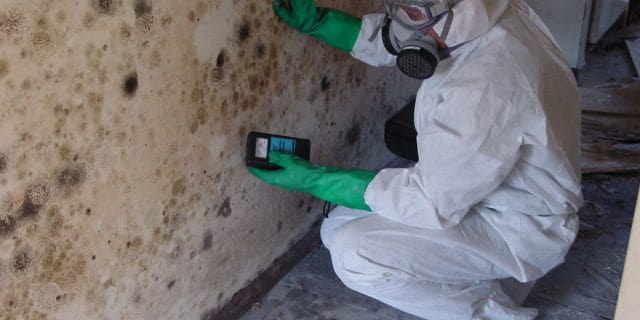
We’ve been working in Suffolk County for over 31 years. That’s not a marketing number it’s the length of time it takes to truly understand what Long Island homes go through, season after season, storm after storm. Our owner, Richard Peterson, holds personal New York State licenses in both mold assessment and mold remediation. Under NYS Labor Law Article 32, those licenses are required by law and they’re issued to individuals, not companies. That means there’s a real person with real credentials accountable for every job we do.
Every technician on our team is also IICRC-certified, so the people physically working in your Holtsville home have been formally trained and tested, not just handed a spray bottle. From the older ranch homes near the Holtsville Ecology Site to the newer construction in Summerfield, we’ve seen what central Suffolk County’s climate and housing stock actually produce and we know how to handle it completely.
Professional Mold Remediation Process in Holtsville
The first thing that happens isn’t mold removal it’s moisture mapping. Before anything is touched, we identify the source of the moisture driving the mold growth. In Holtsville’s older homes, that could be a hairline crack in a concrete-block foundation, an unencapsulated crawl space pulling ground moisture into floor joists, or an attic with inadequate ventilation trapping summer humidity against aging insulation. Skipping this step is how mold comes back.
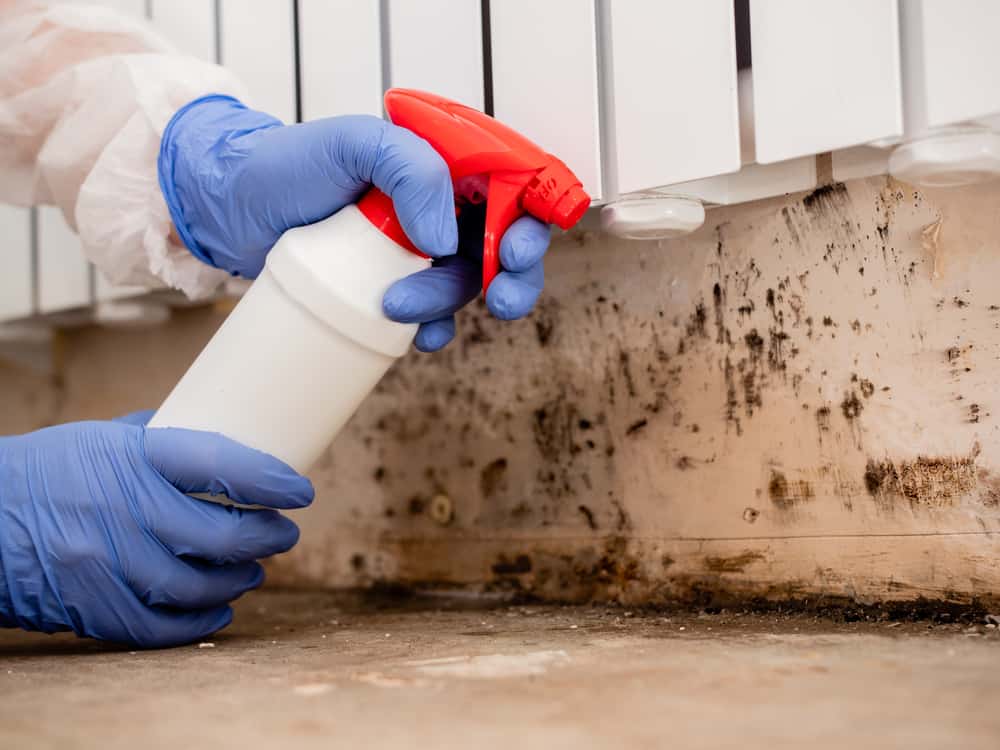
Once the source is identified and controlled, we set up containment. HEPA air filtration runs continuously to prevent spores from spreading to unaffected areas of your home while remediation work is underway. Contaminated materials are removed, treated surfaces receive antimicrobial application, and the work area is cleaned thoroughly not left for you to deal with. Because we operate an integrated cleaning division, the post-remediation cleanup is handled by the same team, under the same roof, on the same job.
After the work is complete, we conduct post-remediation verification testing. This is independent air quality testing that confirms mold spore counts have returned to normal levels. You get documentation the kind that satisfies insurance companies, real estate attorneys, and your own peace of mind. If structural work during remediation triggers a permit requirement under the Town of Brookhaven’s building code, we can walk you through what applies to your specific scope of work before anything begins.
Ready to get started?
Basement and Attic Mold Remediation in Holtsville
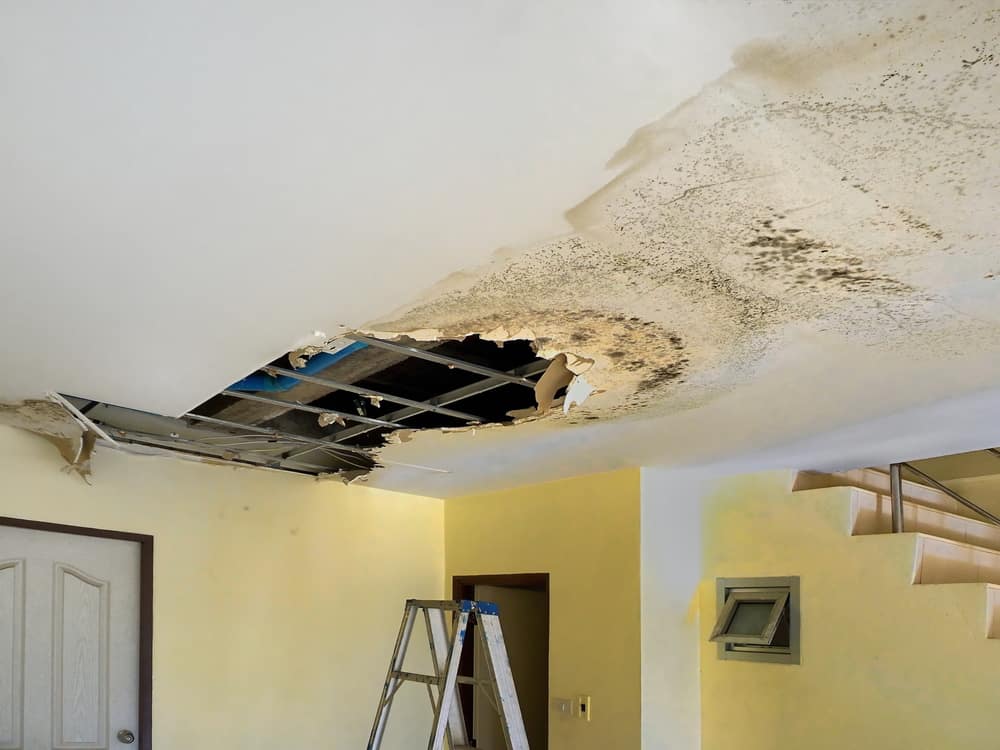
Mold remediation in Holtsville looks different depending on where the problem is and how long it’s been developing. Basement mold in a 1960s-era concrete-block foundation is a different job than attic mold in a ranch home with a low-slope roofline and inadequate ventilation and both are different from crawl space contamination in an older home that was never properly encapsulated. We handle all of it, and we adapt our process to what your specific home actually has going on, not a one-size template.
For basement mold remediation in Holtsville, costs typically range from $500 to $3,000 for surface-level contamination, and can reach $10,000 or more when structural materials are involved. Attic mold remediation generally runs $1,500 to $9,000 depending on the size of the space and the extent of contamination. Crawl space work averages $500 to $4,000 for standard remediation, and can exceed $6,000 when full encapsulation is part of the solution. These ranges exist because no two jobs are the same and any company that quotes you a flat number before seeing your home is guessing.
If you’re dealing with mold after a water intrusion event a pipe failure in an aging plumbing system, a storm-related basement flood following a nor’easter, or an appliance leak we also handle the water damage restoration side of the job. We offer emergency response 24 hours a day, seven days a week, because mold begins growing within 24 to 48 hours of water contact with building materials. Waiting until Monday morning is not a neutral decision.
Does mold remediation in Holtsville, NY require a licensed contractor?
Yes and this is one of the most important things to verify before hiring anyone. Under New York State Labor Law Article 32, which has been in effect since January 1, 2016, any person or company performing mold remediation in New York is legally required to hold a valid state-issued license. This applies to every job, regardless of size. Hiring an unlicensed contractor for mold work in Holtsville exposes you to real risk: potential liability, possible insurance claim denial, and the very real chance that the work was done improperly which can spread mold spores rather than contain them.
You can verify any contractor’s NYS mold remediation license through the New York State Department of Labor’s public license lookup. When you call us, our owner Richard Peterson holds personal NYS licenses in both mold assessment and mold remediation. That’s not a company credential on paper. It’s individual accountability you can verify before anyone sets foot in your Holtsville home.
How much does mold remediation typically cost for a home in Holtsville?
The honest answer is that cost depends heavily on where the mold is, how far it’s spread, and what’s causing it which is why any quote you get over the phone without an inspection should be taken with skepticism. For most residential projects, professional mold remediation runs between $1,223 and $3,754, with a national average around $2,347. But in Holtsville’s older housing stock, where 1960s-era basements and crawl spaces can hide years of moisture damage behind finished walls, the scope can be larger than it first appears.
Basement mold remediation typically ranges from $500 to $3,000 for surface contamination and can reach $10,000 or more when structural materials are involved. Attic mold in a ranch home with a low-slope roofline generally runs $1,500 to $9,000. Crawl space remediation averages $500 to $4,000, and can exceed $6,000 when encapsulation is added. The most cost-effective approach is always to address the moisture source at the same time otherwise you’re paying for remediation twice.
What is the difference between mold remediation and mold removal?
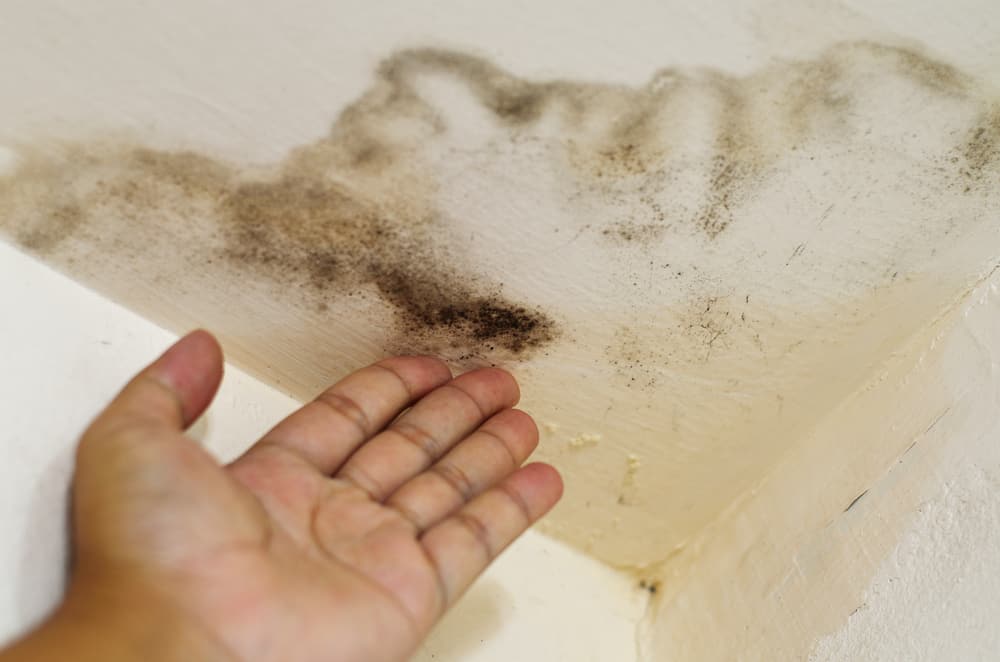
Mold removal is a term that technically means eliminating visible mold from a surface. Mold remediation is the complete process and there’s a meaningful difference. Remediation includes identifying and correcting the moisture source, containing the affected area to prevent spore spread, removing contaminated materials, treating surfaces with antimicrobial agents, and verifying through post-remediation air quality testing that the problem is actually resolved. Removal without remediation is like painting over rust it looks better temporarily, but the underlying problem keeps going.
In Holtsville’s older homes, where moisture intrusion often goes undetected for years inside concrete-block foundations and unencapsulated crawl spaces, surface removal alone rarely produces a lasting result. The mold you can see is almost never the full picture. A complete remediation process one that includes source correction and clearance testing is the only approach that holds up over time and produces the documentation that insurance companies and real estate attorneys actually require.
Can I stay in my house during mold remediation in Holtsville?
It depends on the location and extent of the contamination. For small, well-contained jobs surface mold in a single room or a limited area of a basement it’s often possible to remain in the home while work is underway, as long as proper containment barriers and HEPA air filtration are in place to prevent spores from circulating into living areas. We walk you through this specifically based on what we find during the assessment, not give you a blanket yes or no.
For larger jobs involving significant structural contamination, attic-wide mold growth, or situations where the HVAC system may have been affected, temporary relocation is sometimes the safer and more practical choice especially for households with young children, elderly residents, or anyone with respiratory conditions or mold sensitivities. Given that nearly 20 percent of Holtsville’s population is under 18 and about 16 percent is 65 or older, this is a real consideration for a lot of families here. We give you an honest answer based on your specific situation, not what’s easiest for the schedule.
Why does mold keep coming back in my Holtsville basement after I've had it treated?
If mold is returning after treatment, the moisture source was never fully corrected and this is the most common reason remediation fails in older Long Island homes. In Holtsville’s 1960s-era housing stock, the most frequent culprits are hairline cracks in aging concrete-block or poured-concrete foundation walls, inadequate exterior grading that directs water toward the foundation, failed or missing interior drainage systems, and crawl spaces that allow ground moisture to migrate upward into the structure. Treating the mold without addressing any of these conditions guarantees a repeat problem.
Long Island’s climate adds to this. The period from May through September brings sustained high humidity that keeps moisture levels elevated in basements and crawl spaces that aren’t properly sealed or ventilated. Nor’easters and heavy rainfall events which Holtsville sees regularly can overwhelm aging drainage systems and push water through foundation walls that have been slowly deteriorating for decades. A proper remediation process starts with moisture mapping before anything is removed. If your previous contractor skipped that step, that’s likely why you’re dealing with this again.
Does homeowner's insurance cover mold remediation for a Holtsville property?
It depends on what caused the mold, and the answer varies significantly by policy. Most standard homeowner’s insurance policies in New York will cover mold remediation when it results directly from a covered peril a sudden pipe burst, an appliance failure, or storm-related water intrusion that was addressed promptly. What policies typically do not cover is mold that developed gradually over time due to ongoing moisture issues, deferred maintenance, or flooding from outside the home, which is generally excluded unless you carry separate flood coverage.
For Holtsville homeowners, this distinction matters a lot. Many of the moisture problems in older ranch homes here slow foundation seepage, crawl space condensation, aging plumbing fall into the gradual category that insurers may push back on. That’s why documentation matters from the moment you discover a problem. We help customers understand what their policy likely covers, document the damage in the format insurers require, and can work through the claims process alongside you. Having a contractor who knows how to communicate with adjusters is often the difference between a claim that gets paid and one that doesn’t.
Useful Links
Other Services we provide in Holtsville