
Mold Remediation in Huntington Station, NY
Older Homes, Hidden Mold, Real Answers
Hear from Our Customers
Certified Mold Remediation Suffolk County
Most mold jobs in Huntington Station fail for the same reason: someone removed the visible mold and left the moisture problem completely untouched. That’s not remediation that’s a temporary fix on a recurring problem. The mold comes back, the damage gets worse, and you’re paying for the same job twice.
What actually changes when the work is done right is that the air in your home feels different. The musty smell that you stopped noticing because it had been there so long is gone. Your basement, crawl space, or attic goes back to being a functional part of your home instead of something you avoid.
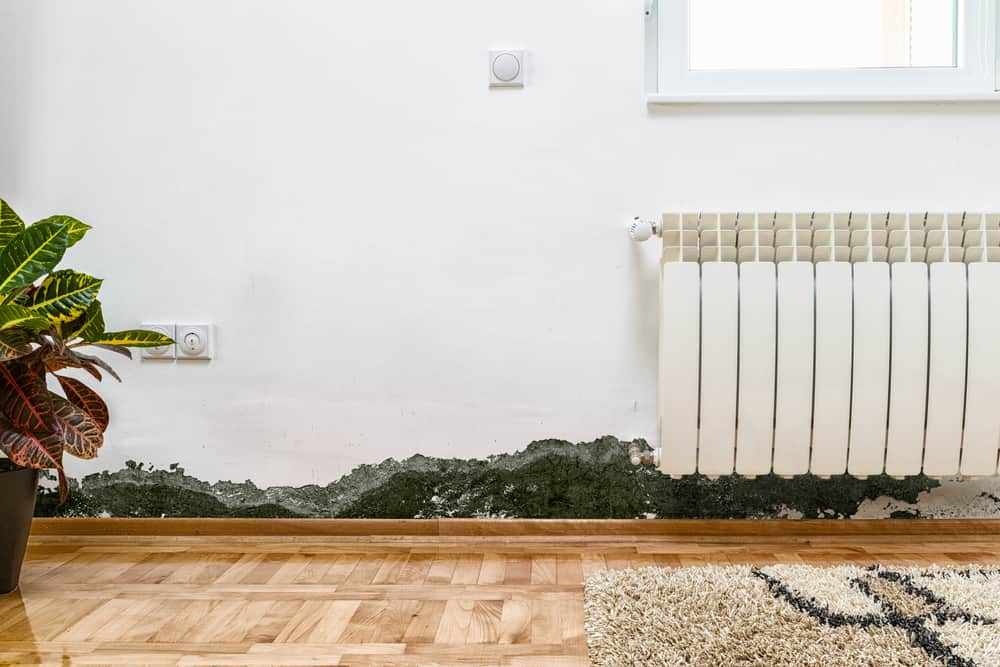
For homes in Huntington Station specifically, that matters more than it might in a newer suburb. The majority of homes here were built before modern moisture barriers existed. Foundations built in the 1950s weren’t designed with today’s waterproofing standards. When hydrostatic pressure pushes moisture through those older block or poured concrete walls after a heavy rain, it doesn’t take long for conditions to become ideal for mold growth. Getting that cycle addressed not just cleaned up is what makes the difference between a one-time fix and a permanent solution.
Licensed Mold Remediation Companies Huntington Station
We’ve been working in Long Island homes for approximately 31 years, which means we’ve been inside the Cape Cods, colonials, and ranch-style homes that make up Huntington Station’s residential streets long enough to know exactly where moisture hides in that era of construction and what it takes to actually fix it.
Our owner, Richard Peterson, holds personal New York State licenses in both mold assessment and mold remediation under Article 32 of the Labor Law not just a company-level credential, but an individual license that he earned and is personally accountable for. Every technician on our team is IICRC-certified, which means the people doing the hands-on work in your home have been formally trained to the industry’s own written standard for mold remediation.
We also operate an in-house cleaning division, so once remediation is complete, the same team handles the final cleanup. No second company, no second invoice, no gap in accountability. From the South Huntington Union Free School District neighborhoods to the older blocks near New York Avenue, we know this community and we’ve been working in it for decades.
Professional Mold Remediation Process Huntington Station
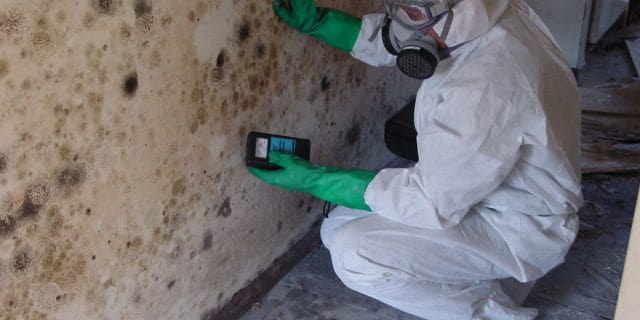
It starts with a thorough assessment not just a visual scan of what’s visible, but a moisture mapping process that identifies every source of water intrusion in the affected area. In Huntington Station’s older homes, that often means checking behind walls, under flooring, inside HVAC systems, and in crawl spaces or attic spaces that haven’t been properly ventilated in decades. Mold follows moisture, and moisture in these homes doesn’t always travel where you’d expect it to.
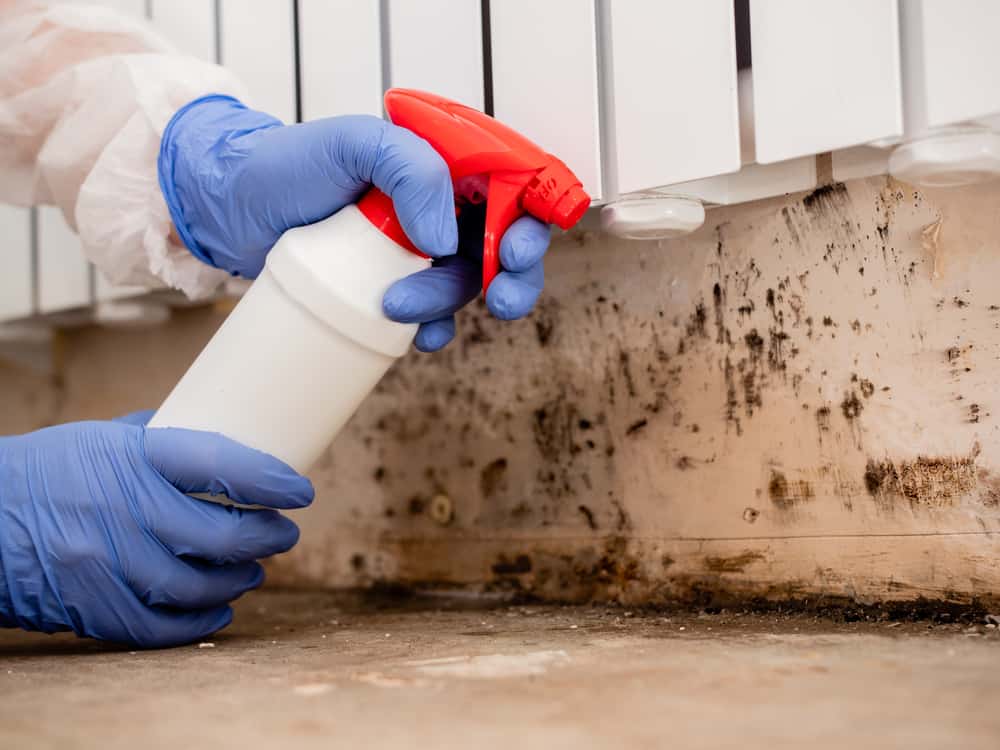
Once the moisture sources are identified and documented, we set up containment. That means the affected area is isolated using physical barriers and negative air pressure so that mold spores can’t travel to unaffected parts of your home during the removal process. Contaminated materials drywall, insulation, structural members if necessary are removed and disposed of properly. Remaining surfaces are treated with EPA-registered antimicrobial agents.
Under New York State’s Article 32 mold law, all of this work must be performed by a licensed mold remediation contractor and the assessment and remediation cannot legally be done by the same company on the same project. We handle remediation; if you need an independent assessment, we’ll walk you through what that process looks like. After the remediation is complete, post-remediation verification through independent air quality testing confirms the job is done. You get a clearance report documented proof, not just a verbal assurance that spore counts are back to normal levels.
Ready to get started?
Basement and Attic Mold Remediation Huntington Station
The mold problems we handle most often in Huntington Station fall into a few consistent categories and they’re all tied directly to the age and construction style of the local housing stock.
Basement mold is the most common. Older block and poured concrete foundations in this area weren’t built with modern waterproofing, and seasonal hydrostatic pressure especially after the kind of heavy rain that soaks Long Island’s clay-heavy soil pushes moisture through foundation walls consistently. Left unaddressed, that moisture creates the exact conditions mold needs. Crawl space mold is a close second, particularly in ranch-style homes built in the 1950s and 60s that lack vapor barriers and adequate ventilation. Attic mold is the one that surprises people most it’s common in Cape Cod-style homes throughout Huntington Station because the roof geometry limits airflow, and inadequate ventilation traps humidity against the sheathing all summer long.
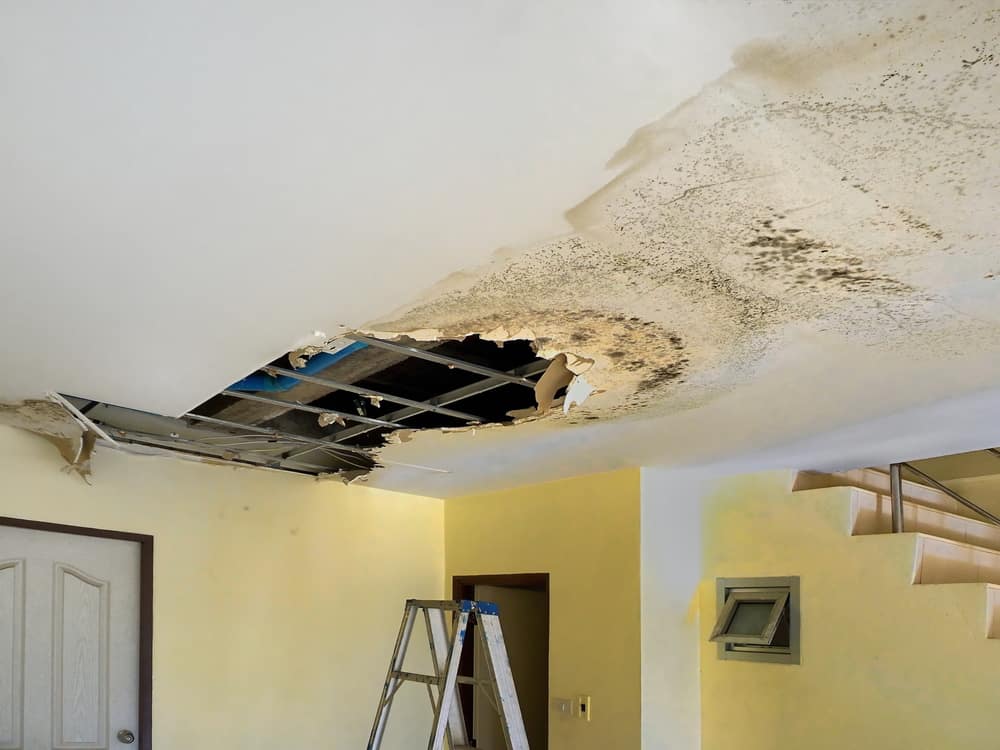
We handle all of it basement mold remediation, crawl space mold remediation, attic mold remediation, and mold cleanup tied to water damage from leaking pipes, HVAC issues, or storm intrusion. Our service runs from initial containment through final cleaning, and includes assistance with insurance documentation for cases where a covered event a pipe burst, storm damage is the source of the moisture. If you’re in the middle of a real estate transaction and need remediation completed before a closing, we understand that timeline and work within it.
Does mold remediation in Huntington Station homes require a New York State license?
Yes and this is one of the most important questions you can ask before hiring anyone. Under New York State’s Article 32 of the Labor Law, which has been in effect since January 1, 2016, any contractor performing mold remediation must hold a valid Mold Remediation Contractor License issued by the NYS Commissioner of Labor. Individual workers must also hold Mold Abatement Worker Certification. Hiring an unlicensed contractor isn’t just a risk to the quality of the work it can create real problems with your insurance claim if the carrier determines the remediation wasn’t performed by a licensed operator.
You can verify any contractor’s license directly through the NYS Department of Labor’s online lookup tool. Our owner, Richard Peterson, holds personal state licenses in both mold assessment and mold remediation not a company-level credential that gets delegated, but an individual license he’s personally accountable for. That’s worth confirming before anyone starts work in your home.
How much does mold remediation typically cost in Huntington Station, NY?
Cost depends heavily on where the mold is, how far it’s spread, and whether structural materials need to be removed and replaced. For most residential projects, professional mold remediation nationally runs between roughly $1,200 and $3,800 but in older Huntington Station homes, the range can extend significantly depending on what’s behind the walls. Attic mold remediation, which is common in the Cape Cod-style homes throughout this area, typically runs between $1,500 and $9,000 depending on the square footage affected and the condition of the sheathing. Basement and crawl space mold remediation generally falls between $500 and $4,000 for surface-level contamination, and higher when structural members are involved.
What drives cost up in older homes specifically is that moisture often travels further than expected before it shows up as visible mold. A small patch on a basement wall can be the surface expression of a much larger moisture problem inside the wall cavity. A thorough assessment upfront before any work begins is what keeps the scope accurate and the cost from expanding unexpectedly mid-job. We provide written estimates before anything starts, so you know what you’re agreeing to.
What's the difference between mold remediation and mold removal?
Mold removal, technically speaking, refers to physically taking mold out of a space scrubbing a surface, removing contaminated drywall, that kind of thing. Mold remediation is the full process: identifying the moisture source, containing the affected area so spores don’t spread during the work, removing contaminated materials, treating remaining surfaces with antimicrobial agents, and then verifying through air quality testing that the space has returned to normal spore levels.
The distinction matters because removal without remediation almost always results in the mold coming back. If the moisture source isn’t found and corrected, you’re just cleaning a surface that will be recontaminated within weeks or months. In Huntington Station’s older housing stock where moisture can enter through aging foundations, poorly ventilated attics, or deteriorating crawl space conditions skipping the moisture assessment step is the single most common reason homeowners end up paying for the same mold problem twice. True mold remediation addresses the cause, not just the symptom.
How quickly does mold start growing after water gets into a Huntington Station home?
Mold can begin growing within 24 to 48 hours of water intrusion and that clock starts the moment moisture reaches an organic material like drywall, wood framing, or insulation. In Huntington Station, where many homes have older foundation systems that aren’t fully waterproofed, a heavy rain event or a burst pipe can introduce moisture into wall cavities and crawl spaces that don’t dry out quickly on their own. Long Island’s humid summers make that drying window even shorter, because ambient humidity slows evaporation significantly.
That 24 to 48 hour window is why emergency response capability matters. If you come home from a day commuting into the city and find water in your basement, waiting until the next business day to make a call isn’t a neutral decision every hour of delay increases the likelihood that mold has already established itself in materials that will need to be removed. We’re available 24 hours a day, 7 days a week, specifically because moisture emergencies don’t happen on a schedule.
Will homeowner's insurance cover mold remediation in my Huntington Station home?
It depends on the source of the moisture. Homeowner’s insurance in New York typically covers mold remediation when the mold is a direct result of a sudden and accidental covered event a burst pipe, an appliance leak, storm-related water intrusion. What it generally does not cover is mold that developed gradually over time due to deferred maintenance, chronic moisture, or a slow leak that went unaddressed for months or years.
For older homes in Huntington Station, this distinction is important because many moisture problems in these homes are long-standing a foundation that’s been seeping for years, a crawl space that’s never had a vapor barrier. In those cases, insurance coverage is unlikely. But when the source is a covered event, documentation matters enormously. We help customers document damage in the format insurance carriers require, which makes the claims process significantly less frustrating. If you’re unsure whether your situation qualifies, the assessment process will give you a clear picture of when the moisture likely started which is the key factor in any coverage determination.
Is the mold in older Huntington Station homes more dangerous than mold in newer construction?
The health risks from mold exposure are tied to the type of mold present and the level of exposure not specifically to the age of the home. That said, older homes in Huntington Station do tend to create conditions where mold can grow more extensively before it’s discovered, which increases the potential for higher spore counts and longer exposure periods. Homes built in the 1940s, 50s, and 60s have more hidden cavities unfinished basement areas, crawl spaces without vapor barriers, attic spaces with limited airflow where mold can establish itself and grow for months or years without being visible from any living area.
The CDC estimates that one in three people has some sensitivity to mold, and for children, elderly residents, or anyone with a respiratory condition, prolonged exposure to elevated spore counts carries real health consequences. The practical takeaway for Huntington Station homeowners isn’t that older homes are automatically more dangerous it’s that they require a more thorough assessment process, because the mold is more likely to be in places you haven’t looked. A visual inspection alone isn’t enough in a home where the walls and subfloor have been managing moisture for six or seven decades.
Useful Links
Other Services we provide in Huntington Station