
Mold Remediation in Inwood, NY
South Shore Homes Hide Mold. We Find Every Bit of It.
Hear from Our Customers
Certified Mold Remediation, Nassau County
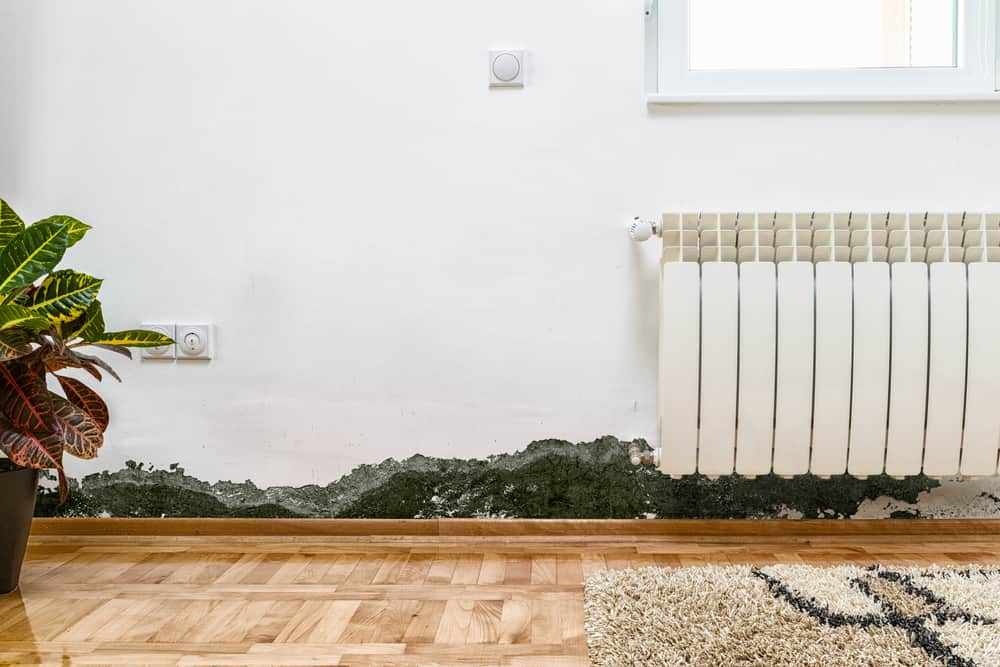
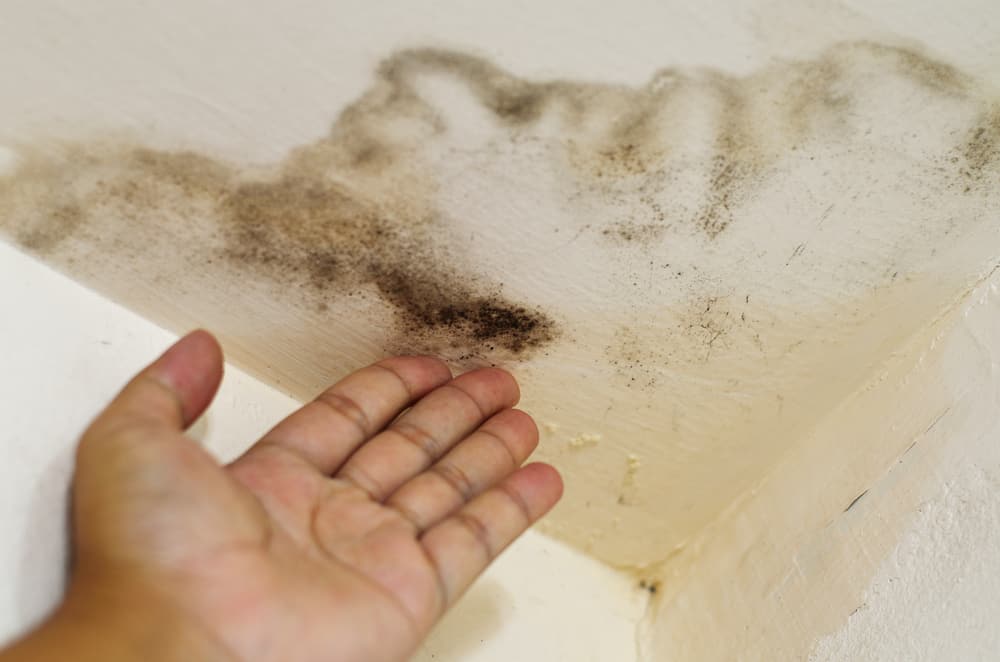
Most homeowners who call us have already tried something. A bleach spray. A dehumidifier. Maybe a handyman who wiped down the visible surface and called it done. And then the smell came back, or the stain returned, or someone in the house started coughing again. That’s because surface treatment doesn’t fix a mold problem it just delays it.
When mold remediation is done correctly, the difference is immediate and lasting. The air in your home smells clean. The discoloration is gone. And more importantly, the moisture source that fed the mold in the first place has been identified and addressed, so it doesn’t come back next season.
For Inwood homeowners specifically, that last part matters more than it does almost anywhere else in Nassau County. Your home sits in a coastal flood zone, bordered by Mott’s Basin and Jamaica Bay. Tidal flooding, storm surge, and high groundwater are recurring realities here not once-in-a-decade events. If the underlying moisture issue isn’t fixed as part of remediation, the next nor’easter or heavy rain puts you right back where you started. In a 1940s home with original foundations and no vapor barriers, the moisture pathways are numerous and often hidden. Getting it right the first time isn’t just about comfort. It’s about protecting a home that’s worth $625,000 or more in today’s market.
Professional Mold Remediation in Inwood
We’ve been serving Nassau County homeowners since the late 1990s. That means we were working on Long Island through Hurricane Floyd, Hurricane Sandy, and every major coastal flood event that has hit the Five Towns South Shore since. We know what these storms do to homes like yours in Inwood because we’ve been inside them, repeatedly, for decades.
Every technician we send to your Inwood home is individually IICRC-certified under the ANSI/IICRC S520 standard for mold remediation. That’s not a company-level credential it’s a personal one. The person at your door has been formally trained to handle mold safely, completely, and in compliance with New York State’s mold remediation law.
We also handle full reconstruction after remediation. That means when the mold is gone and the damaged materials are removed, you don’t have to find a second contractor to rebuild the wall or the ceiling. One call, one company, start to finish from the first inspection through the final coat of paint.
Emergency Mold Remediation, Inwood NY
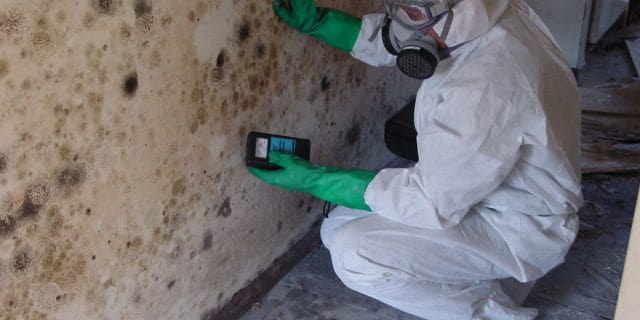
It starts with a 13-point inspection not a visual walkthrough and a verbal opinion. We use air testing, swab sampling, moisture meters, and infrared technology to find mold that isn’t visible to the naked eye. In Inwood’s 1940s housing stock, that matters. Mold hides behind plaster walls, inside unventilated crawl spaces, and in attic spaces with original insulation that has absorbed decades of coastal humidity. We look in all of it. Lab results come back within 2 to 3 business days, and you get a full written report.
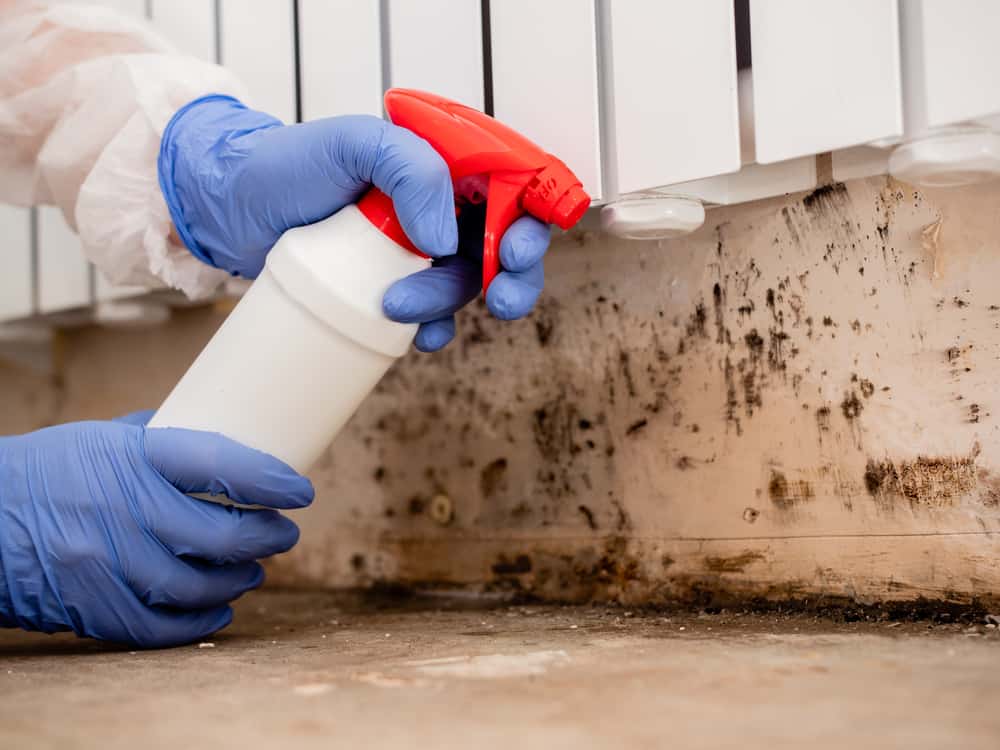
Once we know what we’re dealing with, remediation begins. We contain the affected area, remove contaminated materials, treat surfaces with EPA-registered antimicrobials, and run HEPA air filtration throughout the process. Before anything else, though, we address the moisture source because in a community that sits in a coastal flood zone and experiences recurring tidal flooding off Mott’s Basin, skipping that step means the mold returns. We don’t skip it.
After remediation, if reconstruction is needed drywall, flooring, insulation, whatever was removed we handle that too. Because New York State law requires that mold assessment and remediation be performed by separate licensed entities, our inspection process is structured to comply with that law fully. We’ll explain how that protects you when we talk.
Ready to get started?
Black Mold Remediation Services, Inwood NY
Every remediation we perform in Inwood starts with a documented inspection not an estimate designed to sell you a job. You get a written report with lab-verified results, moisture readings, infrared imaging findings, and a clear picture of what’s actually in your home and where it is. That documentation matters when you’re filing an insurance claim after storm damage, navigating a real estate transaction, or dealing with a landlord-tenant situation all common scenarios in a community where roughly half of households are renters.
From there, remediation covers full containment of the affected area, physical removal of contaminated materials, antimicrobial treatment of all affected surfaces, and HEPA air filtration throughout the process. We work in basements, crawl spaces, attics, walls, and any other area where mold has been confirmed or where moisture levels suggest it’s developing. For Inwood’s older homes most of which were built in the 1940s with dirt-floor crawl spaces, original plumbing, and no modern vapor barriers crawl space mold remediation and attic mold remediation are among the most common scopes we handle.
If materials need to be rebuilt after removal, we do that in-house. No subcontractors, no coordination headaches, no gap between the remediation team and the rebuild team. We’re available 24 hours a day, 7 days a week, because mold doesn’t wait and neither should you.
How much does mold remediation cost for an Inwood, NY home?
The honest answer is that it depends on the scope and scope varies more in Inwood than it does in many other Nassau County communities. Most residential mold remediation jobs fall somewhere between $1,200 and $3,800. More complex situations, like widespread crawl space contamination or mold that has spread through multiple rooms after a flooding event, can run higher sometimes into the $8,000 to $15,000 range.
What drives cost in Inwood specifically is the age of the housing stock and the recurring nature of moisture exposure. A 1940s home with an unencapsulated crawl space that has experienced multiple flooding events from tidal surges off Mott’s Basin may have mold in more places than a homeowner realizes. The inspection tells us the real scope, and the written report makes that scope transparent before any work begins. There are no estimates designed to get us in the door and expand once we’re there. You see the findings, you understand the recommendation, and you decide.
Does homeowners insurance cover mold remediation after storm flooding in Nassau County?
It depends on the cause and your specific policy, but the short answer is: sometimes yes, and it’s worth finding out before you assume you’re paying out of pocket. Most standard homeowners insurance policies cover mold remediation when it results directly from a covered event a burst pipe, an appliance leak, or storm-related water intrusion that was sudden and accidental. Gradual moisture buildup or long-term seepage is typically excluded.
For Inwood homeowners, the distinction matters because the community sits in a coastal flood zone and experiences recurring tidal flooding off Jamaica Bay. If mold developed after a documented storm event like the August 2024 flash flooding that prompted New York State’s HCR program to make funds available to income-eligible homeowners across Long Island there may be a legitimate claim path. We help you document the damage thoroughly, including a full written report with lab results, moisture readings, and photographic evidence. That documentation is what insurance carriers need to process a claim, and having it organized from the start makes the process significantly less painful.
What's the difference between mold remediation and mold removal?
Mold removal suggests you can take all the mold out of a space and that’s not quite how it works. Mold spores exist naturally in the air everywhere, including in your home. The goal of mold remediation is to bring indoor mold levels back to normal, safe concentrations, remove the contaminated materials that can’t be cleaned, treat affected surfaces with antimicrobials, and eliminate the moisture source that allowed mold to grow in the first place.
The distinction is important because companies that promise complete “mold removal” are often overselling what’s possible or underselling what’s necessary. Remediation is the accurate term for what a legitimate, certified company does. It’s a documented process with a beginning, a middle, and a verifiable end including post-remediation air testing to confirm that spore levels have returned to acceptable ranges. In Inwood, where South Shore humidity and coastal flood exposure create ongoing moisture pressure, remediation that doesn’t address the source is remediation that will need to be repeated.
Can the same company in New York inspect my home and then do the mold remediation?
No and this is one of the most important things to understand before you hire anyone. New York State passed a law in 2016 specifically prohibiting the same company from performing both mold assessment and mold remediation on the same property. The law exists because the conflict of interest is obvious: a company that profits from remediation has a financial incentive to find a problem, regardless of whether one actually exists.
This is why the “free inspection” model that some companies advertise should raise a flag. If a company is offering to inspect your home at no cost and then remediate it themselves, they are either operating outside New York law or structuring their business in a way that technically complies while still creating the same conflict. At First Response Restoration, our inspection process is structured to comply fully with the 2016 law. The assessment stands on its own the findings are documented, lab-verified, and yours to act on however you choose. We’ll tell you what we found. What you do with that information is your call.
How quickly can mold grow after basement flooding in an Inwood home?
Within 48 hours. That’s the EPA’s documented threshold for mold growth after water intrusion. In a community like Inwood, where basement flooding after a nor’easter or tidal surge off Mott’s Basin is a real and recurring event, that 48-hour window is the difference between a manageable remediation and a much larger one.
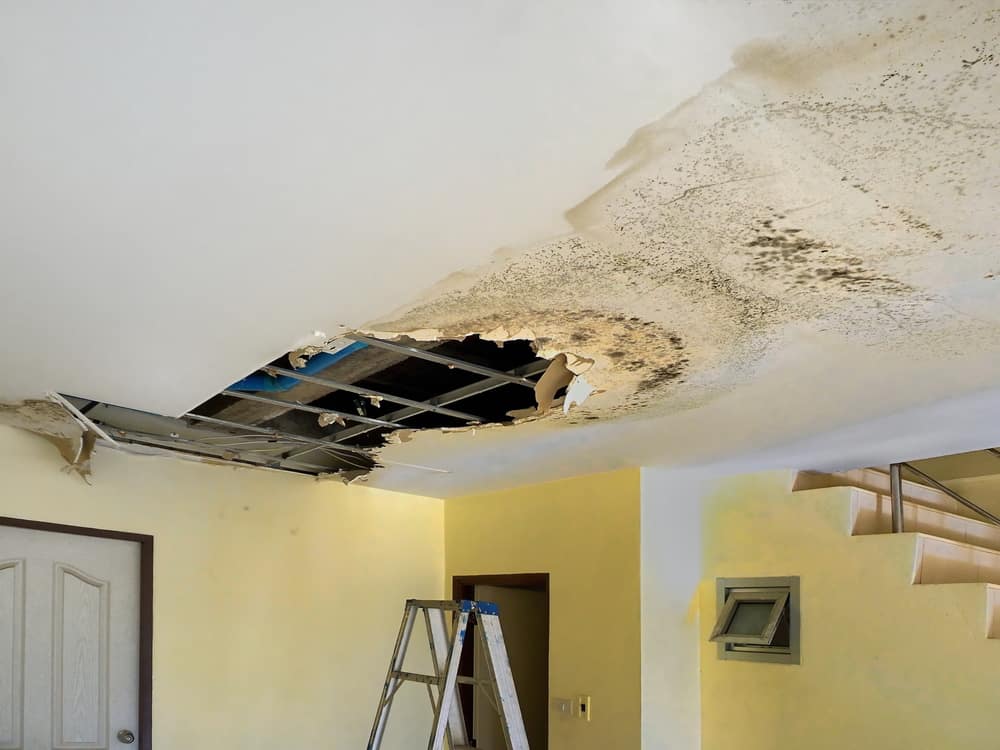
The risk is compounded in Inwood’s older housing stock. Homes built in the 1940s typically have porous foundation materials, original plumbing, and limited drainage infrastructure. When water gets in whether from storm surge, groundwater pressure, or a burst pipe during a cold snap it doesn’t just sit on the floor. It wicks into plaster walls, gets absorbed by original wood framing, and saturates insulation that may have been in place for decades. By the time the water is pumped out and the floor looks dry, the conditions for mold growth are already in place inside the walls. That’s why response time matters, and why we’re available 24 hours a day, 7 days a week.
Is crawl space mold common in Five Towns homes, and how is it treated?
It’s extremely common and it’s often the last place homeowners think to look. Crawl spaces in Inwood’s 1940s-era homes were typically built with dirt floors, no vapor barriers, and minimal ventilation. Decades of groundwater pressure, coastal humidity from Jamaica Bay, and recurring moisture from seasonal flooding create conditions in these spaces that are ideal for mold growth. Because crawl spaces aren’t part of daily life, the mold can develop for years before anyone notices often only discovered during a home inspection ahead of a sale, or when musty odors start coming up through the floors.
Treatment starts with a full assessment of the space moisture readings, air sampling, and a physical inspection of the structural components, insulation, and any existing vapor barriers. Contaminated insulation and materials are removed, affected surfaces are treated with antimicrobials, and HEPA filtration runs throughout the process. After remediation, encapsulation sealing the crawl space with a heavy-duty vapor barrier is often recommended to prevent recurrence, particularly in a community with Inwood’s groundwater and humidity profile. We handle the full scope, from the initial assessment through encapsulation if it’s warranted, so you’re not coordinating between multiple contractors to get a single space properly addressed.
Useful Links
Other Services we provide in Inwood