
Hear from Our Customers
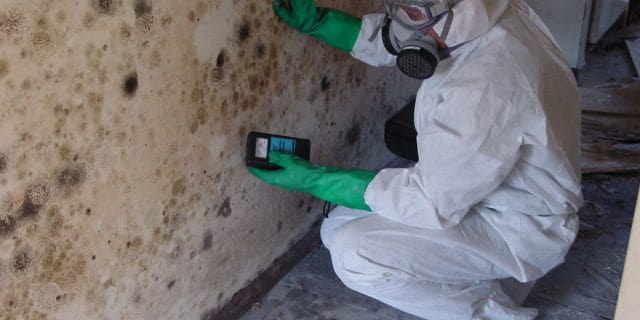
Finding mold in your Kensington home isn’t just a health concern. In a neighborhood where properties routinely list between $1.5 million and $4.5 million, a mold problem that isn’t handled correctly can strip six figures off your home’s value before a buyer ever makes an offer. Studies show mold issues can reduce resale value by 20% to 37%, and half of prospective buyers walk away entirely once mold is disclosed. Getting it done right the first time isn’t a luxury — it’s financial protection.
Kensington’s housing stock complicates things further. Most homes here were built in the pre-WWII era, starting as far back as 1909. Aging stone foundations, original crawl spaces with no modern vapor barriers, and decades-old plumbing hidden behind original plaster walls — these aren’t just charming details, they’re real moisture entry points. When Manhasset Bay humidity pushes past 70% in the summer months, those vulnerabilities become active mold risks in ways that newer, inland homes simply don’t face.
The right remediation doesn’t just clean what you can see. It identifies where moisture entered, treats the affected materials properly, and confirms through post-remediation testing that the problem is actually gone — not just temporarily invisible. That’s the outcome worth paying for.
We’ve been serving Nassau and Suffolk County homeowners for close to three decades. That’s not a marketing number — it’s a track record you can verify. Across the Great Neck Peninsula and throughout North Hempstead, we’ve worked in the kinds of older, well-maintained homes that define Kensington and this part of Long Island, and we understand what makes them different from newer construction.
What sets us apart isn’t just longevity. Every technician on our team holds individual IICRC certification — not just the company as a whole, which is the industry norm. Whoever walks into your Kensington home has been trained and credentialed to handle mold remediation correctly, following the IICRC S520 standard from start to finish.
We also handle full reconstruction after remediation. Most companies stop at cleanup and leave you to coordinate a separate contractor for repairs. We don’t. From the initial inspection to a fully restored home, you’re working with one team the entire way.
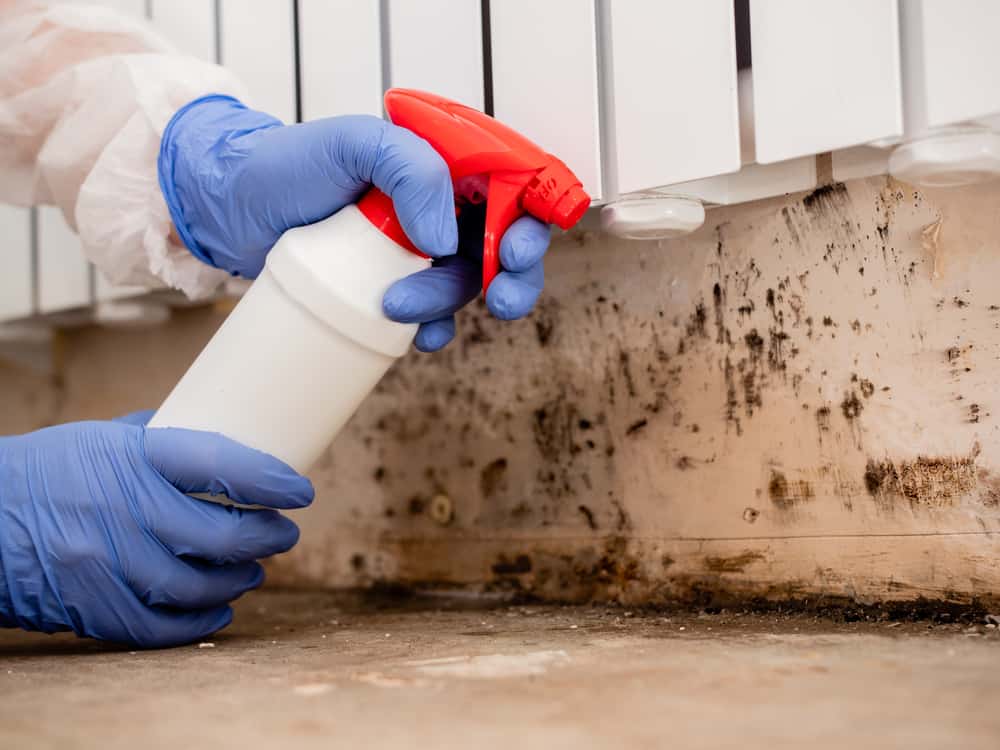
It starts with a thorough inspection — not a quick visual walkthrough. Our 13-point mold inspection process includes air testing, swab sampling, infrared imaging to detect moisture hidden behind walls and under floors, and moisture level measurements throughout the affected areas. For Kensington’s older homes, where original plaster walls are thick and original framing sits behind them, the infrared step alone often reveals problems that a standard inspection would miss entirely. Lab results come back within 2 to 3 business days, and you receive a written report that documents everything.
Once the scope is confirmed, we establish proper containment to prevent spores from spreading to unaffected areas of your home. Affected materials are removed and disposed of correctly. We treat the structural surfaces, run commercial-grade air movers and dehumidifiers, and monitor moisture levels throughout the process. Because New York State law requires that the company performing the mold assessment and the company performing the remediation be separate licensed entities, we make sure you understand exactly where those lines are drawn and how the process is structured to protect you.
After remediation is complete, we conduct post-remediation clearance testing to confirm the mold is gone — not just visually, but verifiably. If any structural materials need to be rebuilt, our reconstruction team picks up right where the remediation ends.
Ready to get started?
Mold remediation in Kensington isn’t a one-size job. Basement mold remediation in older peninsula homes often involves aging sump systems, original concrete block foundations, and crawl spaces that were never designed to handle today’s moisture loads — especially after a coastal storm event. The Great Neck area experienced flash flooding as recently as July 2025, and that kind of acute water intrusion is exactly what triggers mold colonization within 48 hours if it isn’t addressed immediately. Our emergency mold remediation response is available 24 hours a day, seven days a week, because post-storm situations don’t wait for Monday morning.
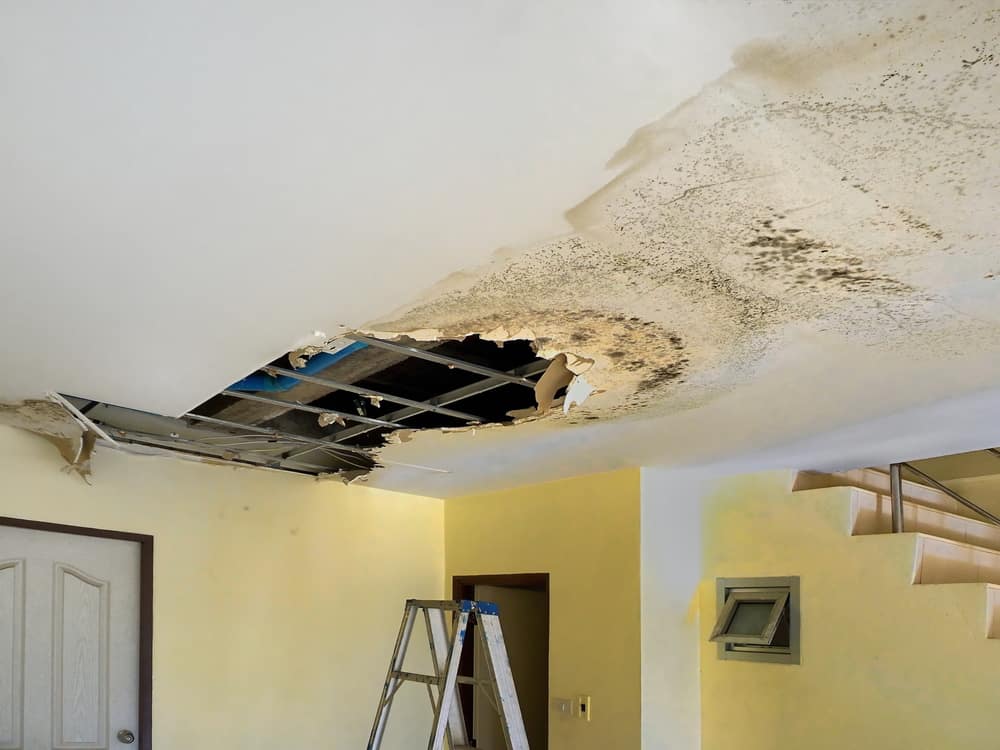
Attic mold remediation is another area where Kensington’s housing stock creates specific challenges. Original wood framing in pre-war attics absorbs decades of moisture cycles, and when bay humidity combines with inadequate ventilation, the attic becomes one of the most common — and most overlooked — mold locations in these homes. We inspect attic spaces as part of every comprehensive assessment, not as an add-on.
For homeowners navigating a real estate transaction, we provide the written documentation — lab reports, photographic records, and clearance testing results — that your real estate attorney, insurance company, or buyer’s agent will need. In a market where a mold finding can derail a multi-million-dollar sale, having that paper trail matters.
It depends on the cause. Most homeowners insurance policies in New York will cover mold remediation if the mold resulted directly from a covered water damage event — a burst pipe, a storm-related roof leak, or sudden flooding. What policies typically don’t cover is mold that developed gradually from a slow leak or deferred maintenance, even if the homeowner wasn’t aware of it.
For Kensington residents, this distinction matters more than it might in other communities. Coastal storm events on the Great Neck Peninsula — nor’easters, tropical remnants, and flash flooding like what hit the Great Neck LIRR station in July 2025 — can create sudden water intrusion that qualifies as a covered event. The key is documentation. Our written inspection reports, lab results, and photographic records are formatted to support insurance claims, so you have what your insurer needs to process the coverage correctly. If you’re unsure whether your situation qualifies, call us first — we can help you understand what documentation to gather before you file.
The national average for mold remediation runs between $1,200 and $3,800 for most residential jobs, with larger or more complex situations reaching $10,000 or more depending on the extent of the growth and how many structural materials need to be removed and replaced. In Nassau County, costs tend to reflect the higher cost of living and labor in the New York metro area, so it’s reasonable to expect pricing at or above the national midpoint for a thorough job.
What affects your specific cost most is the size of the affected area, the type of materials involved, and whether the moisture source requires structural repair after remediation. In Kensington’s older homes, where mold can spread into original hardwood subfloors, plaster walls, or aging roof decking, the scope of removal and reconstruction can add to the overall cost. The most important thing to understand is that a lower quote often means a less thorough job — surface treatment without moisture source correction is how mold comes back within a season. We provide detailed, written scopes of work so you know exactly what you’re paying for before anything starts.
Mold removal implies taking mold out — which sounds straightforward but misses the point. Mold is naturally present in the environment at low levels, and the goal isn’t to achieve a zero-mold environment. The goal is to bring mold levels back to normal, non-harmful concentrations and eliminate the conditions that allowed it to grow in the first place. That’s what remediation means: treating the affected materials, correcting the moisture source, and verifying through testing that the environment is back to a safe baseline.
A company that promises complete mold removal is either misusing the term or overpromising. What you actually want is a certified mold remediation process that follows established protocols — specifically the IICRC S520 standard — and concludes with post-remediation clearance testing that confirms the job is done. For homeowners in Kensington dealing with mold in a pre-war home, where the structure itself may have absorbed moisture over decades, this distinction is especially important. Treating the surface without addressing what’s behind it isn’t remediation — it’s a temporary fix.
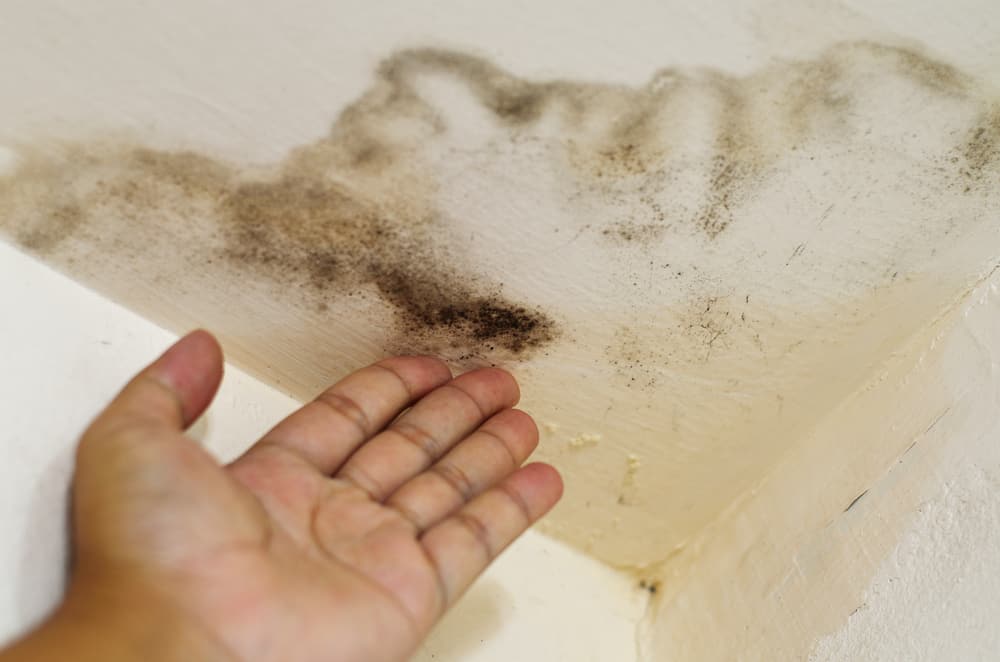
The most common signs are a persistent musty smell that doesn’t go away after airing out the space, visible water staining on walls or ceilings, or a history of water intrusion — even if the intrusion seemed minor at the time. In Kensington’s pre-war homes, where original plaster walls are thick and original framing sits behind them, mold can grow extensively without ever being visible from the surface.
That’s why infrared imaging is a critical part of our inspection process, not an optional upgrade. Infrared cameras detect temperature differentials caused by moisture behind walls and under floors — moisture that standard visual inspections simply cannot find. We also use moisture meters to measure actual water content in building materials, which tells us whether conditions are actively supporting mold growth even if no visible mold is present yet. If you’ve had any water intrusion event in your home — a roof leak, a plumbing issue, post-storm flooding — and you haven’t had a professional assessment since, that’s reason enough to schedule one. In a home worth what Kensington properties are worth, the cost of an inspection is negligible compared to what goes undetected.
For most residential jobs, the active remediation work takes between one and five days depending on the size of the affected area and the complexity of the materials involved. The inspection and lab results phase adds two to three business days before remediation begins, and post-remediation clearance testing adds another few days at the end to confirm the results. From first call to final clearance, most homeowners are looking at one to two weeks for a complete, properly documented process.
If you’re working against a real estate timeline — a listing date, a closing deadline, or a buyer’s inspection window — let us know upfront. Kensington’s luxury real estate market moves quickly, and a mold finding that surfaces during a transaction creates real time pressure. We can structure the process to meet your timeline without cutting corners on the steps that matter. Emergency situations, like post-storm water intrusion that needs to be addressed before mold colonizes, are handled on an expedited basis through our 24/7 emergency response line.
Attic mold is one of the most frequently discovered mold locations in older North Shore homes, and Kensington’s housing stock is particularly susceptible. The combination of original wood framing — often Douglas fir or pine that has been absorbing moisture for 80 to 100 years — and inadequate attic ventilation creates conditions where mold can establish itself quietly over many seasons without any obvious signs at the living level below.
On the Great Neck Peninsula, the bay humidity factor amplifies this. Manhasset Bay air carries elevated moisture year-round, and when that humid air infiltrates an attic space that isn’t properly ventilated, condensation forms on the underside of the roof decking. That’s where the mold starts. Roof flashing that has been repaired multiple times over the decades — common in homes of this age — also creates entry points for water that feed attic mold growth. We inspect attic spaces as a standard part of every mold assessment in Kensington, not as a separate service, because in homes of this age and in this climate, the attic is one of the first places we look.
Useful Links
Other Services we provide in Kensington