
Mold Remediation in Kings Park, NY
North Shore Homes Need More Than a Surface Fix
Hear from Our Customers
Certified Mold Remediation Kings Park, NY
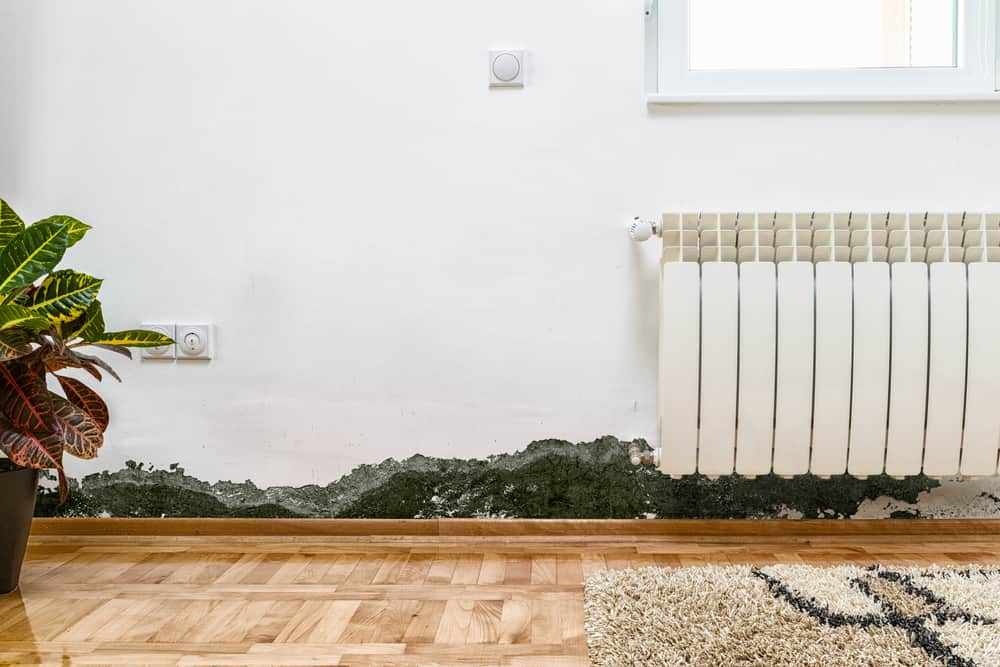
Most mold problems in Kings Park homes aren’t a one-time event. They’re a pattern. A basement that smells every spring. An attic that gets treated and comes back two years later. The reason it keeps coming back is almost always the same the moisture source was never dealt with. Treating visible mold without addressing what’s feeding it isn’t remediation. It’s a temporary fix that costs you twice.
Kings Park’s position on the North Shore puts homes in a genuinely high-moisture environment. The Nissequogue River runs along the eastern edge of town, ambient humidity off Long Island Sound stays elevated through most of the warmer months, and properties near the San Remo neighborhood can see groundwater fluctuations tied to tidal cycles. Add a housing stock dominated by Cape Cods, split-levels, and colonials built in the 1960s and 70s most without modern vapor barriers or current attic ventilation standards and you have conditions that make moisture intrusion a recurring reality, not a fluke.
When remediation is done right, the difference is real. The musty smell doesn’t come back. The air in your home is cleaner. Your family isn’t breathing something that shouldn’t be there. And if you’re ever thinking about selling, you have documentation that the problem was resolved not just painted over. In a Kings Park real estate market where buyers walk away from mold history, that clearance report matters more than people realize.
Licensed Mold Remediation Company Kings Park, NY
First Response Restoration and Cleaning Inc. has been working in Long Island homes for over three decades long before mold remediation became a regulated industry in New York State. When Article 32 of the Labor Law took effect in 2016 and made it illegal to perform mold remediation without a state-issued license, it formalized what we had already been doing: taking the work seriously.
Owner Richard Peterson holds personal NYS licenses in both mold assessment and mold remediation. Not a corporate filing his own licenses, which means his name is on every job. Every technician on our team is IICRC-certified, meaning the people doing the work in your Kings Park home have been formally trained and tested, not just supervised by someone who was. That combination of owner accountability and technician-level certification is harder to find in the Suffolk County market than most homeowners realize.
From the split-levels near Sunken Meadow State Park to the older colonials along Route 25A, we’ve worked in the specific housing types that define Kings Park. That’s not a marketing line it’s 31 years of showing up.

Mold Cleanup and Remediation Process Kings Park, NY
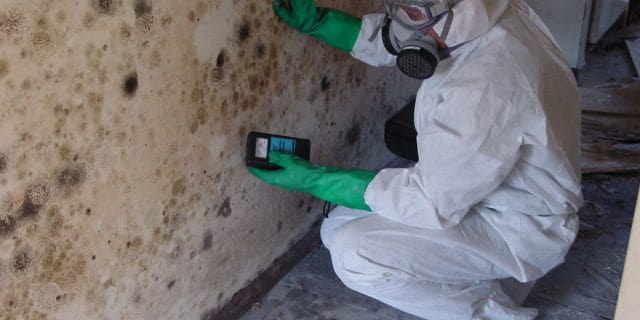
It starts with a thorough assessment not a quick walk-through. Moisture mapping is part of every job, because visible mold is often just the surface of a larger problem. In Kings Park homes, that might mean tracing condensation to an under-ventilated attic in a 1960s Cape Cod, finding a slow foundation leak in a split-level near the Nissequogue River corridor, or identifying a failing vapor barrier in a crawl space that’s been holding moisture for years. Until the source is identified, nothing else matters.
Once the source is located, containment goes up before anything is removed. This is a non-negotiable step without proper containment, the remediation process itself can spread spores to unaffected areas of your home. All contaminated materials are removed and disposed of according to NYS Article 32 requirements, which govern how mold remediation work must be performed throughout New York State, including Kings Park and the Town of Smithtown. If structural repairs are needed replacing drywall, addressing roof sheathing, or repairing framing those may require permits through the Town of Smithtown Building Department, and we’re familiar with that process.
After removal and antimicrobial treatment, the job doesn’t end there. Post-remediation air quality testing confirms that spore counts have returned to normal levels. You get a written clearance report the kind of documentation that holds up for insurance claims, real estate transactions, and your own peace of mind.
Ready to get started?
Basement and Attic Mold Remediation Kings Park, NY
Mold doesn’t stay in one place, and neither does our service. Basement mold remediation in Kings Park typically involves addressing moisture intrusion through foundation walls a common issue in the older homes throughout the hamlet, especially after the heavy nor’easters that push water against north-facing foundations. Attic mold remediation is another frequent need here, driven by the inadequate ventilation systems common in mid-century construction and the sustained humidity that builds up during Long Island’s warmer months. Crawl space mold remediation, including encapsulation when needed, addresses the vapor barrier failures that are endemic in homes built before modern standards existed.
Beyond the structural areas, we also handle mold damage repair for affected surfaces and contents, and our integrated cleaning division means the full restoration cycle from initial containment through final cleaning is handled by one company. You’re not coordinating a remediation contractor and a separate cleaning crew. One call, one team, one process from start to finish.
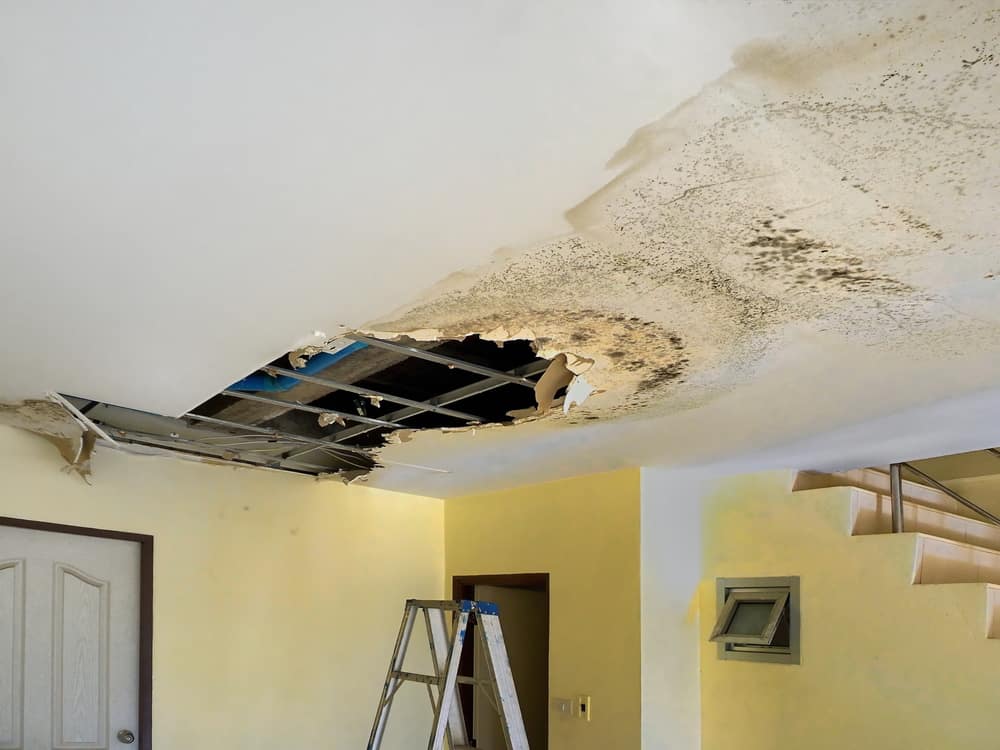
For Kings Park homeowners dealing with water damage from a storm or pipe failure, we offer emergency mold remediation around the clock. Mold begins growing within 24 to 48 hours of water intrusion. In a community with real North Shore storm exposure, that 24/7 availability isn’t a selling point it’s a practical necessity.
Is mold remediation in Kings Park, NY covered by homeowner's insurance?
It depends on what caused the mold. If it resulted from a sudden, covered event a burst pipe, roof damage from a nor’easter, or a sump pump failure during a storm your homeowner’s insurance policy may cover the remediation. Kings Park homeowners deal with nor’easters and coastal storm events more regularly than many other Long Island communities, and those events are a common trigger for exactly this kind of claim.
What insurance typically won’t cover is mold that developed gradually due to deferred maintenance or a slow leak that went unaddressed for months. The distinction matters, and it’s worth understanding before you assume you’re covered or assume you’re not. We help customers document the damage in the format insurance companies require and can walk you through what the claims process looks like. Having a licensed contractor produce that documentation someone whose credentials can be verified through the NYS Department of Labor carries weight with adjusters in a way that an unlicensed operator’s report simply doesn’t.
What's the difference between mold remediation and mold removal?
Mold removal implies you can simply take mold out of a space and be done with it. Remediation is a more accurate description of what actually needs to happen and in New York State, it’s also the legally defined term under Article 32 of the Labor Law, which regulates this work statewide.
Remediation means bringing mold levels back to a normal, safe baseline. That includes containment to prevent cross-contamination, physical removal of affected materials, antimicrobial treatment of surfaces, moisture source correction so the mold doesn’t return, and post-remediation verification through air quality testing. A company that offers “mold removal” without those surrounding steps especially without identifying and fixing the moisture source is selling you a temporary result. In Kings Park’s humid North Shore environment, where the conditions that create mold are persistent and seasonal, skipping those steps means you’ll likely be dealing with the same problem again within a year or two.
Why does attic mold keep coming back in Kings Park homes?
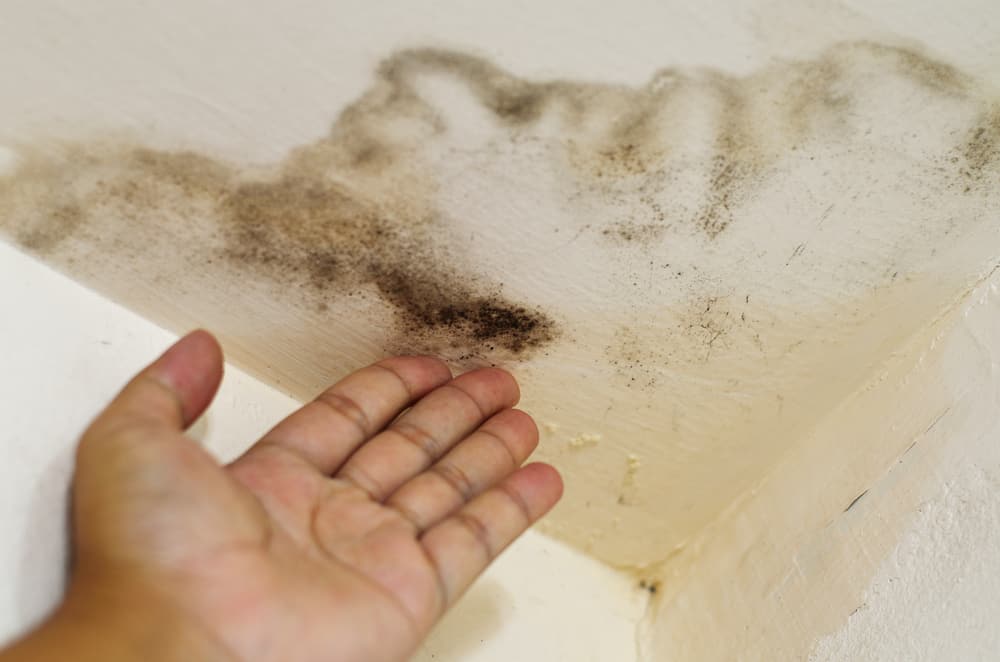
Recurring attic mold in Kings Park is almost always a ventilation problem. The mid-century Cape Cods, ranches, and colonials that make up a large portion of the hamlet’s housing stock were built with ventilation standards that don’t hold up against modern expectations or against the sustained humidity that builds up on the North Shore during summer months. When warm, moist air from the living space rises into an attic that isn’t moving air properly, condensation forms on the sheathing and framing. That’s the moisture source. Treat the mold without fixing the ventilation, and it will grow back.
The fix isn’t just remediation it’s remediation plus a ventilation correction. That might mean adding soffit and ridge vents, addressing a bathroom exhaust fan that’s venting directly into the attic instead of outside, or repairing insulation that’s blocking airflow. We identify the specific cause before any removal work begins, which is the only way to make sure the attic mold remediation in your Kings Park home actually holds.
How much does mold remediation cost in Kings Park, NY?
Most residential mold remediation projects fall somewhere between $1,200 and $6,000, depending on where the mold is, how far it’s spread, and whether structural materials need to be removed and replaced. Basement mold remediation in Kings Park typically runs $500 to $10,000 depending on the extent of the damage and whether foundation waterproofing is involved. Attic mold remediation generally falls in the $1,500 to $9,000 range. Crawl space work, especially if encapsulation is part of the solution, can range from $500 to over $6,000.
The honest answer is that scope drives cost more than anything else. A small area of surface mold caught early costs significantly less than a situation where mold has spread behind drywall or into structural framing which is why getting a professional assessment sooner rather than later almost always saves money. What you shouldn’t do is choose a contractor based on the lowest number without verifying their NYS Article 32 licensing. An unlicensed operator working in Kings Park is doing so illegally, and if something goes wrong, your insurance claim and your legal standing are both at risk.
Can I stay in my home during mold remediation in Kings Park?
In many cases, yes but it depends on the location and extent of the mold, and whether the affected area can be properly contained. If mold is isolated to a crawl space, a section of the basement, or a single room that can be sealed off effectively, most families can remain in the home during the remediation process. We set up containment barriers and use negative air pressure systems to prevent spores from moving into unaffected areas of the house.
Where it gets more complicated is when mold is in a central HVAC system, spread across multiple areas, or present in a volume that makes containment across the whole home impractical. In those situations, temporary relocation during the active remediation phase is the safer call especially if you have children, elderly family members, or anyone with respiratory sensitivities in the home. Kings Park homes with older HVAC systems, which are common in the hamlet’s mid-century housing stock, sometimes have mold in the ductwork that requires the system to be shut down during remediation. The assessment phase will tell you clearly what you’re dealing with and what the recommendation is for your specific situation.
How do I verify a mold remediation contractor's license in Kings Park, NY?
New York State makes this straightforward. Under Article 32 of the Labor Law, all mold assessors, remediation contractors, and abatement workers must hold a valid license issued by the NYS Commissioner of Labor. You can verify any contractor’s license directly through the New York State Department of Labor’s online licensing database it’s publicly accessible, and you can search by name or license number.
This matters more than it might seem. Kings Park is in Suffolk County, and the mold remediation market on Long Island includes operators who are not properly licensed, either because they haven’t gone through the state’s licensing process or because they’re using a company-level credential that doesn’t satisfy the individual licensure requirement. Hiring an unlicensed contractor exposes you to real consequences: insurance claims can be denied if the work wasn’t performed by a licensed professional, and improper remediation particularly inadequate containment can spread mold to areas of your home that weren’t originally affected. Richard Peterson’s personal NYS mold assessment and remediation licenses are verifiable through the state’s system. That’s the standard to hold every contractor to before you let anyone into your home.
Useful Links
Other Services we provide in Kings Park