
Mold Remediation in Kings Point, NY
When Water Gets In, Gold Coast Homes Can't Wait
Hear from Our Customers
Mold Damage Repair in Nassau County
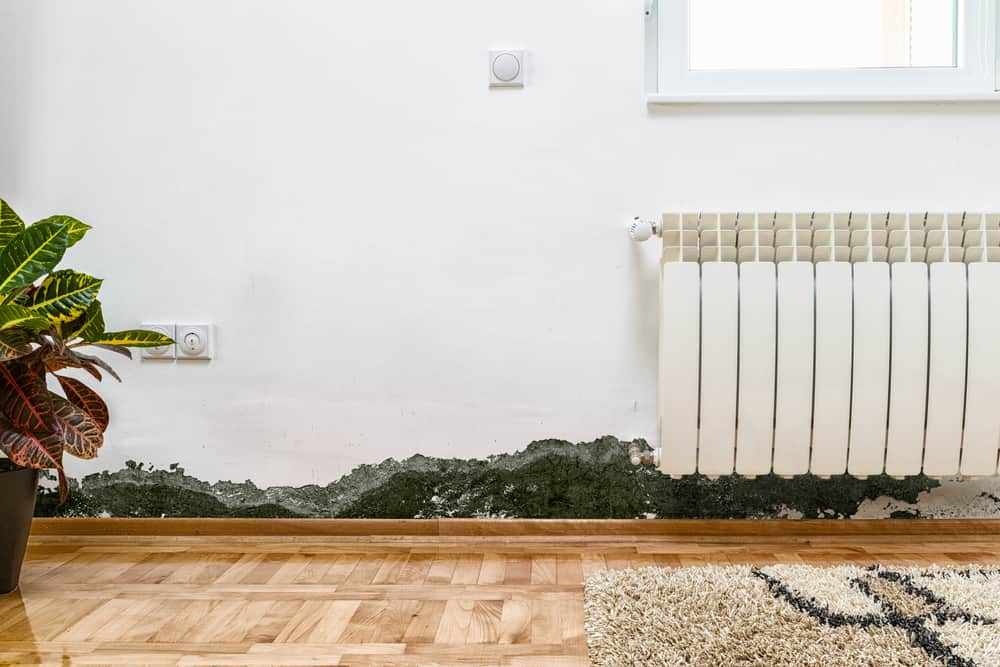
Mold doesn’t just look bad it works against you quietly. It compromises the air your family breathes, it spreads into materials you can’t see, and in a Kings Point home, it threatens an asset worth millions. The difference after a proper remediation isn’t just cosmetic. It’s structural, financial, and real.
Kings Point homes have a specific vulnerability that most remediation companies don’t fully account for. More than half the housing stock here was built before 1960 original foundations, older crawl spaces, framing that was never designed to handle the moisture load that comes with being surrounded by Manhasset Bay, Little Neck Bay, and Long Island Sound simultaneously. When humidity climbs past 60% in the summer, and it does here regularly, older homes without active moisture management become incubators. The mold doesn’t care how much the house is worth.
After a thorough remediation one that finds the source, not just the surface you get your home back. Not just clean walls, but documented clearance, a paper trail that holds up for insurance and for any future buyer, and the confidence that the problem was actually solved. In this market, where a mold finding can derail a multi-million dollar sale, that documentation isn’t a bonus. It’s the whole point.
Certified Mold Remediation Companies in Kings Point
We’ve been serving Nassau County homeowners since the late 1990s. That’s not a marketing number it means our team has worked through every type of North Shore property, from the older estates near Gatsby Lane to the waterfront homes along West Shore Road in Kings Point, and understands exactly what mold remediation looks like in practice for this community.
Every technician who shows up at your door holds individual IICRC certification not just the company as a whole, but each person on the crew. That distinction matters more than most homeowners realize. It means whoever is in your home has been trained to the IICRC S520 standard, the governing protocol for professional mold remediation, and is personally accountable to it.
Nassau County also requires mold remediation contractors to hold an Environmental Hazard Remediation Provider license through the Nassau County Department of Health a county-specific requirement that goes beyond the state license. We carry that too. You shouldn’t have to ask. But you should know it’s there.
Professional Mold Remediation Process in Kings Point
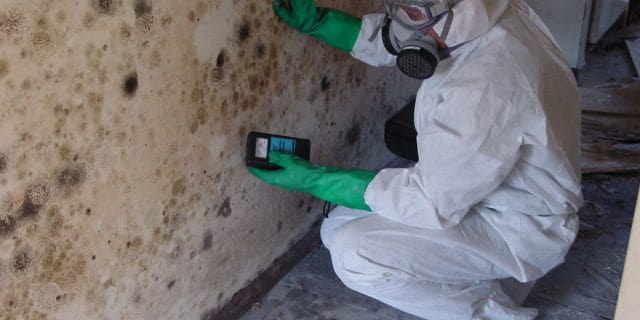
We start with a 13-point inspection not a walkthrough, an actual documented scope. Air testing, swab sampling, moisture level readings, infrared scanning for mold behind walls and under floors, water intrusion assessment, and full photographic documentation. Lab results come back within two to three business days and give you a written, objective foundation for every decision that follows. In Kings Point, where homes often have extensive basement systems, crawl spaces, and multi-level mechanical rooms, that kind of thorough inspection isn’t optional it’s the only way to find everything.
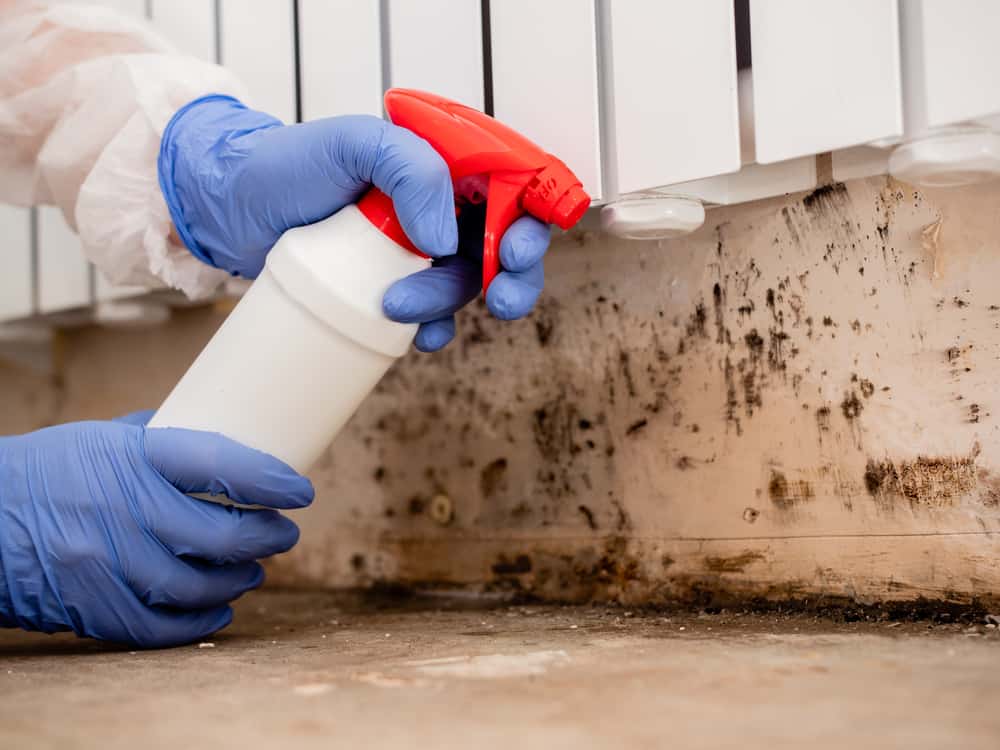
Once the scope is confirmed, remediation begins. Containment goes up, HEPA air filtration runs throughout the process, and contaminated materials are removed and disposed of properly. The moisture source gets addressed because mold that comes back means the source was never fixed. That’s the most common failure in this industry, and it’s the one that costs homeowners the most in the long run.
After remediation, clearance testing is performed by an independent assessor required under New York State’s 2016 mold law, which prohibits the same contractor from doing both the inspection and the remediation. That separation protects you. When clearance is confirmed, we can handle full reconstruction and restoration, so you’re not left coordinating between two different companies to get your home back to where it was.
Ready to get started?
Basement and Crawl Space Mold Remediation Kings Point
Mold remediation in Kings Point, NY isn’t a one-size approach. The homes here are large, many are old, and the coastal exposure is constant. Basement mold remediation in Kings Point is one of the most common scopes we handle older foundations with limited waterproofing, hydrostatic pressure from groundwater, and sump pumps that can’t keep up during a nor’easter all create the conditions. Crawl space mold remediation is equally common, particularly in homes with vented rather than encapsulated crawl spaces, which pull in humid air from the surrounding waterways all summer long.
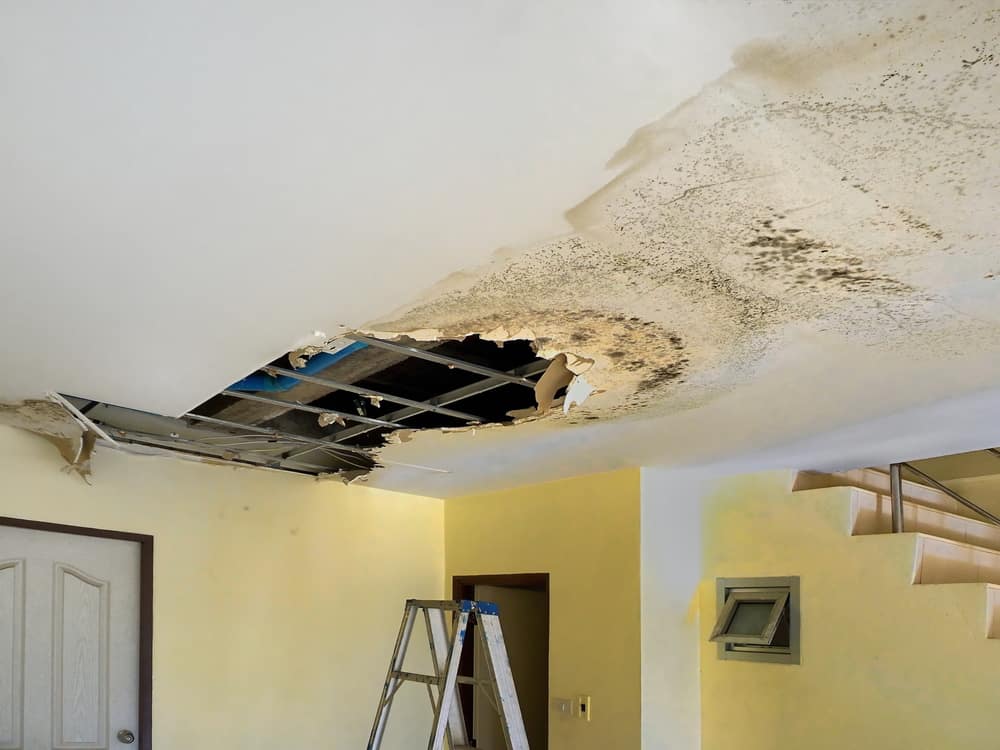
Attic mold remediation comes up more often than homeowners expect usually tied to inadequate ventilation in older roof systems, or to HVAC ductwork that’s been sweating condensation into insulation for years without anyone noticing. We offer emergency mold remediation 24 hours a day, seven days a week, because a storm surge or a burst pipe during a winter storm doesn’t wait for business hours, and the 48-hour window before mold colonization begins is not a figure of speech.
Every project we complete includes a documented scope, lab-backed inspection results, containment and HEPA filtration throughout, source correction, and post-remediation clearance documentation. For Kings Point homeowners managing high-value properties and navigating insurance claims, real estate transactions, or both that complete paper trail is part of what you’re hiring us for.
Does mold remediation in Kings Point, NY require any permits or licensed contractors?
Yes, and the requirements here go beyond what most homeowners expect. New York State requires mold remediation contractors to hold a state-issued license under the Department of Labor’s Mold Program. But Nassau County adds its own layer: contractors performing mold work in Nassau County must also hold an Environmental Hazard Remediation Provider license issued by the Nassau County Department of Health. Individual technicians are required to hold a separate Environmental Hazard Remediation Technician certification at the county level as well.
New York’s 2016 mold law also prohibits the same contractor from performing both the mold assessment and the remediation on the same property. This rule exists specifically to protect homeowners from the “free inspection” model, where companies inflate findings to sell work. So when you’re vetting a remediation company, ask for their state mold contractor license number and their Nassau County EHRP license both should be readily available if the company is operating legally.
How much does mold remediation cost in Kings Point, NY for a large estate home?
The national average for mold remediation is around $2,300, but that number has almost no relevance to a Kings Point estate. Homes here are large, older, and structurally complex often with multi-level basement systems, extensive crawl spaces, pool houses, and mechanical rooms that require separate scopes. A more realistic range for a thorough remediation in a Kings Point home starts around $5,000 for a contained, single-area project and can reach $20,000 to $50,000 or more for whole-house or multi-zone remediation.
The more important number is what mold costs if it’s not addressed. A documented mold problem can reduce a home’s resale value by 20% to 37%. On a Kings Point property listed at $6 million, that’s a potential loss of $1.2 million to $2.2 million. The remediation cost, in that context, is not the expensive option.
What makes waterfront homes in Kings Point more vulnerable to mold growth?
Kings Point is surrounded by open water on three sides Manhasset Bay to the west, Little Neck Bay to the east, and Long Island Sound to the north. That means the air around the village carries elevated humidity year-round, and in summer, coastal humidity regularly exceeds 60%, which is the threshold at which mold growth becomes self-sustaining without active moisture control. For a large home with crawl spaces, older insulation, or a basement that sees any groundwater intrusion, that ambient moisture is a constant pressure.
The housing stock makes it worse. Over half of Kings Point’s homes were built before 1960, and many have original foundation systems that weren’t designed with modern waterproofing in mind. Add in the documented FEMA flood zones along the coastline and near the creek running through the center of the neighborhood, and you have a community where mold isn’t a rare event it’s a recurring risk that requires active management, especially after any storm event that brings water into the structure.
How do I know if the mold in my home has been fully remediated and won't come back?
The short answer is: clearance testing by an independent assessor. Under New York State law, the company that performs the remediation cannot also perform the post-remediation assessment those are required to be separate. After the remediation work is complete, an independent mold assessor conducts air and surface sampling to confirm that mold levels are within normal parameters. If the clearance test passes, you receive written documentation that the remediation was successful.
That said, clearance testing confirms the mold is gone it doesn’t prevent it from returning if the moisture source wasn’t corrected. Mold that comes back within months of remediation almost always traces back to a source that was never addressed: a foundation crack still letting water in, a crawl space that’s still vented and pulling in humid coastal air, or an HVAC system still producing condensation in the wrong place. A remediation that only treats the surface without fixing the source is a temporary fix, and in a Kings Point home, a temporary fix is an expensive mistake.
Is mold remediation covered by homeowners insurance in Kings Point, NY?
It depends on the cause. Most standard homeowners insurance policies will cover mold remediation if the mold resulted from a covered peril a burst pipe, storm damage, or sudden water intrusion. What they typically won’t cover is mold that developed from long-term neglect, gradual leaks, or ongoing humidity issues that weren’t addressed. The distinction matters, and insurance adjusters will look at the timeline and the cause carefully.
Kings Point homeowners with high-value estate policies often have more complex coverage arrangements some policies include mold remediation as a covered line item up to a specified limit, while others exclude it or cap it at a low dollar amount. The documentation from a professional inspection lab results, moisture readings, photographic evidence, and a written scope is what supports your claim. Without it, adjusters have little to work with. Our inspection process produces exactly the kind of documented record that holds up through the claims process.
What's the difference between mold remediation and mold removal, and why does it matter?
Mold removal is a term that technically describes what it sounds like physically removing mold from a surface. Mold remediation is a broader, more complete process: it includes removing the mold, treating affected materials, addressing the moisture source that caused it, filtering the air during the process with HEPA equipment, and verifying through clearance testing that the environment is back to normal. The difference is significant because mold spores are airborne disturbing mold without proper containment and filtration can spread contamination to areas of the home that weren’t originally affected.
In a Kings Point home, where square footage is substantial and HVAC systems can carry airborne spores through multiple zones, the distinction between surface removal and full remediation is especially consequential. A company that removes visible mold without containment, without treating the source, and without clearance testing hasn’t solved the problem they’ve moved it. Certified mold remediation in Kings Point, NY follows the IICRC S520 standard precisely because the process matters as much as the outcome.
Useful Links
Other Services we provide in Kings Point