
Mold Remediation in Lake Grove, NY
Lake Grove's Aging Homes Deserve More Than a Surface Fix
Hear from Our Customers
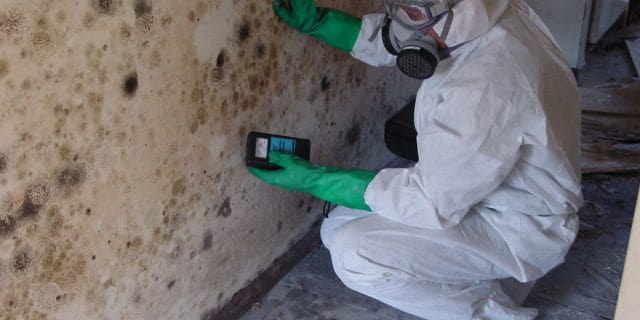
Basement Mold Remediation Lake Grove NY
The musty smell in the basement stops being something you explain away to guests. The attic you’ve been avoiding gets cleared, documented, and signed off. Your family breathes easier not as a figure of speech, but literally. That’s what professional mold remediation in Lake Grove actually delivers when it’s done right.
Lake Grove’s housing stock tells the whole story. The majority of homes here were built in the 1950s and 1960s, and those foundations were never designed to handle decades of hydrostatic pressure from Suffolk County’s saturated water table. When a nor’easter rolls through and drops several inches of rain, older cinder block and poured concrete foundations don’t always hold. Water gets in, it sits, and within 24 to 48 hours mold has already started. Homes throughout Lake Grove deal with this every single season.
Attic mold is just as common here, and it’s usually invisible until it isn’t. Long Island’s humid summers push moisture into attic spaces that weren’t built with modern ventilation in mind and if your HVAC system was retrofitted into that attic at some point over the past few decades, the risk goes up significantly. Getting the mold removed is one thing. Getting it removed correctly, with post-remediation air quality testing to confirm it’s actually gone, is what protects your Lake Grove home’s value and your family’s health long term.
Licensed Mold Remediation Companies Lake Grove NY
We’ve been working in Lake Grove and across Long Island for approximately 31 years. That’s not a corporate timeline that’s one owner, Richard Peterson, who holds personal New York State licenses in both mold assessment and mold remediation contracting. Not a company-level registration. His individual license, publicly verifiable through the NYS Department of Labor.
That distinction matters more in Lake Grove than most places. The Porch.com aggregator lists only two mold removal companies in this area as specifically state-licensed under New York’s Article 32 requirements. Unlicensed operators are actively working in Lake Grove, and homeowners who hire them risk improper remediation, insurance claim denial, and mold that spreads instead of gets contained.
Every technician on our team holds individual IICRC certification trained and tested against the S520 Standard for Professional Mold Remediation. And because we also operate an integrated cleaning division, the full job gets handled under one roof: containment, removal, structural drying, antimicrobial treatment, and final cleaning. One company, one point of accountability, from start to clearance.
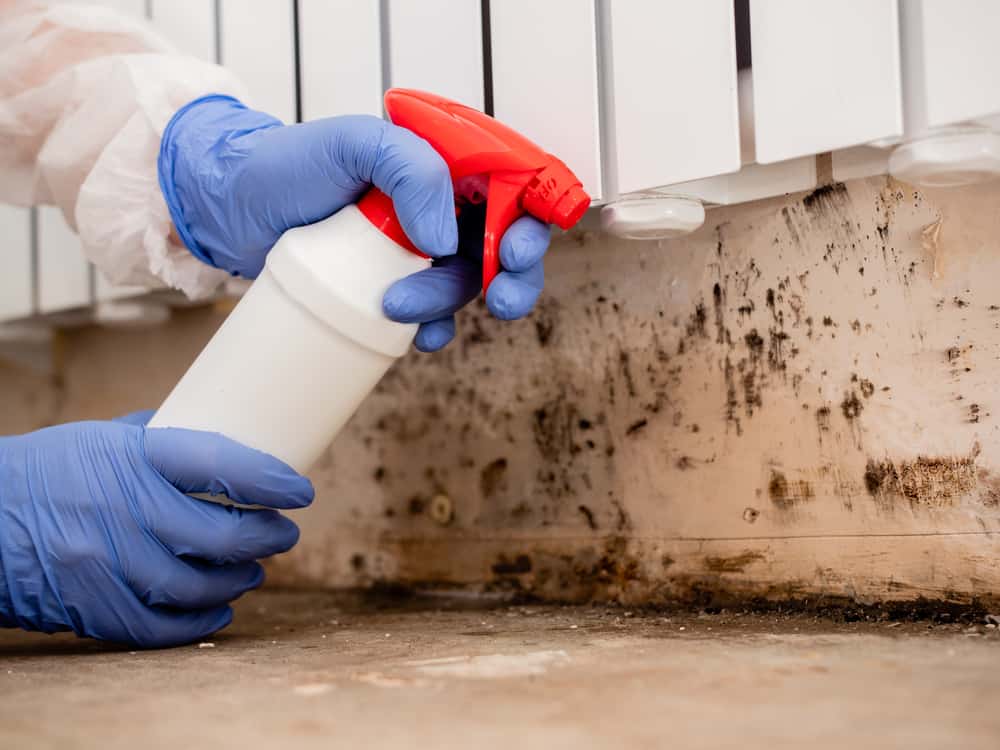
Professional Mold Remediation Process Lake Grove NY
It starts with moisture mapping, not mold removal. Before anything gets touched, we identify the source of the moisture driving the mold growth. In Lake Grove’s older housing stock, that’s often a compromised foundation wall, a failing sump pump, an improperly vented bathroom exhaust fan, or an HVAC system creating condensation in an attic that wasn’t designed for it. Skipping this step is why mold comes back.
Once the source is identified, we contain the affected area negative air pressure, physical barriers, HEPA filtration so mold spores don’t travel to unaffected parts of your home during removal. Contaminated materials are removed, surfaces are treated with antimicrobial agents, and structural drying brings moisture levels down to where mold can’t survive. Because Lake Grove is an incorporated village with its own code enforcement authority, any structural work that involves opening walls or replacing framing may require a building permit from the village before work begins something we account for upfront, not after the fact.
After remediation is complete, we conduct post-remediation verification testing to confirm that airborne mold spore counts have returned to normal levels. You get a clearance report something you can hand to an insurance adjuster, a real estate agent, or a home inspector without hesitation. In a market where median home values are approaching $600,000, that documentation isn’t optional. It’s the proof the job was done right.
Ready to get started?
Attic and Crawl Space Mold Remediation Lake Grove
Basement mold remediation in Lake Grove typically involves foundation moisture assessment, containment, material removal, antimicrobial treatment, and structural drying. Given the age of most homes in ZIP code 11755, galvanized plumbing failures and deteriorating drainage systems are common contributing factors and we address them as part of the process, not ignore them.
Attic mold remediation in Lake Grove follows the same principle. We assess the attic for ventilation deficiencies, HVAC condensation issues, and any insulation that’s been compromised by moisture. Affected sheathing and framing get treated or replaced depending on the extent of the damage. Crawl space mold remediation addresses vapor barriers, ground moisture, and any structural materials that have been colonized a common scenario in the ranch-style and split-level homes that make up a large portion of Lake Grove’s residential neighborhoods.
We offer emergency mold remediation 24 hours a day, seven days a week. When a nor’easter hits central Suffolk County and your basement takes on water at 2 a.m. on a Sunday, you have a narrow window before mold sets in. Black mold remediation, certified mold remediation for real estate transactions, and full mold restoration services for insurance claims are all services we handle with the NYS licensing and IICRC credentials to back every job up. Post-remediation clearance documentation is standard, not an add-on.
How much does mold remediation cost in Lake Grove, NY?
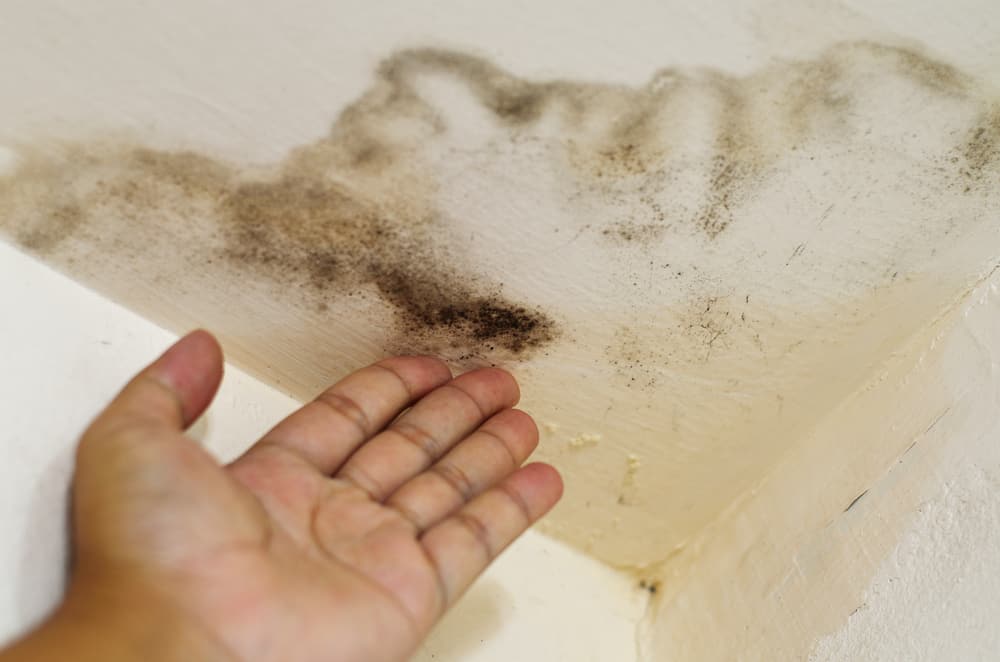
The honest answer is that it depends on where the mold is, how far it’s spread, and what caused it. For most residential jobs in Lake Grove, professional mold remediation runs somewhere between $1,200 and $4,000. Attic mold remediation tends to fall between $1,500 and $9,000 depending on how much sheathing and framing is involved. Basement mold remediation can range from $500 for a contained surface issue to well over $10,000 if the moisture source has been active for years and structural materials are heavily compromised.
What drives cost up most often in Lake Grove’s older housing stock is scope that wasn’t visible at first glance mold behind finished basement walls, inside wall cavities, or deep in attic insulation. A proper assessment identifies all of it upfront so there are no surprises mid-job. If your homeowner’s insurance policy covers the water damage event that caused the mold, a portion of the remediation cost may be covered and we can help you document the damage in the format your insurer requires.
What's the difference between mold remediation and mold removal?
Mold removal implies you’re simply taking mold away scrubbing a surface, wiping something down, maybe spraying a store-bought product on it. Mold remediation is a structured process that brings mold levels back to a normal, safe range while also addressing the conditions that allowed mold to grow in the first place. It involves containment, proper removal of contaminated materials, antimicrobial treatment, structural drying, and post-remediation verification.
The reason the distinction matters is that mold removal without remediation almost always results in mold coming back. If the moisture source a leaking foundation, inadequate attic ventilation, a failing sump pump isn’t corrected, the mold returns within weeks. In Lake Grove, where most homes were built in an era before modern moisture management standards, the underlying cause is almost always something structural or mechanical. Fixing the surface without fixing the source is money spent twice.
Is mold in my Lake Grove home covered by homeowner's insurance?
It depends on what caused the mold. If the mold resulted from a sudden, accidental water event a burst pipe, an appliance failure, an overflow most standard homeowner’s insurance policies will cover at least part of the remediation cost. If the mold developed gradually from a long-term moisture issue, like a slow foundation leak or chronic basement seepage, most policies will not cover it because insurers treat ongoing neglect differently than sudden damage.
In Lake Grove, where many homes have aging foundations and drainage systems that have been slowly deteriorating for decades, this distinction is important. If you’re filing a claim, documentation matters enormously the scope of the damage, photos, moisture readings, and a written assessment from a licensed mold professional. New York State’s Article 32 licensing law requires that mold assessors hold valid state-issued licenses, which means the documentation we produce carries the legal weight your insurer needs to process the claim properly.
How do I know if I need mold remediation or just a cleaning?
If you’re seeing mold on a small, non-porous surface like a bathroom tile or a section of glass and there’s no moisture problem behind it, cleaning may be sufficient. But if you’re smelling mold without seeing it, if the affected area covers more than about 10 square feet, if the mold is on drywall, wood framing, insulation, or subflooring, or if there’s any reason to believe moisture has been present for more than a day or two, you’re in remediation territory.
In Lake Grove’s post-war homes, the tricky part is that mold is often hidden. It grows inside wall cavities where a foundation is weeping, under basement flooring where a slab has been slowly taking on moisture, and in attic sheathing where condensation has been accumulating season after season. A surface cleaning in those situations doesn’t touch the actual problem. A proper mold assessment conducted by a NYS-licensed assessor tells you exactly what you’re dealing with before any money is spent on remediation.
A home inspection found mold in my Lake Grove house what happens now?
This is one of the most common calls we get, and the timeline pressure is real. When mold turns up during a home inspection in Lake Grove, it can stall or kill a transaction fast roughly half of potential buyers walk away when mold is discovered without a clear remediation plan in place. The good news is that a documented remediation with a post-remediation clearance report can keep the deal moving.
The first step is getting a licensed mold assessment done quickly to define the scope. From there, remediation can usually be scheduled within days, and the clearance report confirming that airborne mold spore counts are back to normal gives both the buyer and their agent something concrete to work with. In Lake Grove’s active real estate market, where median home values are approaching $600,000, sellers who handle mold findings proactively and transparently are in a much stronger position than those who try to minimize or delay. We can move fast and provide the documentation your transaction requires.
How do I verify that a mold remediation contractor in Lake Grove is actually licensed?
New York State makes this straightforward. The NYS Department of Labor maintains a public license lookup tool where you can search any mold assessor or mold remediation contractor by name or license number and confirm whether their license is current and valid. Under Article 32 of the Labor Law which took effect January 1, 2016 it is unlawful for any company or individual to perform mold remediation in New York without a valid state-issued license. That applies to every job, regardless of size.
The reason this matters in Lake Grove specifically is that unlicensed operators are actively working in this market. Before you sign anything or allow anyone to start work in your home, ask for their NYS mold remediation contractor license number and look it up. Richard Peterson’s individual licenses in both mold assessment and mold remediation contracting are verifiable through that same state database. In a community where residents take credentials seriously and have significant home equity at stake, spending two minutes on a license lookup before hiring is one of the most practical things you can do to protect yourself.
Useful Links
Other Services we provide in Lake Grove