
Mold Remediation in Lawrence, NY
When Reynolds Channel Comes Indoors, It Doesn't Leave Quietly
Hear from Our Customers
Certified Mold Remediation, Nassau County
You stop second-guessing the air in your own home. That’s the most immediate thing people notice not just the absence of a visible problem, but the absence of the low-grade anxiety that comes with knowing something is wrong and not knowing how far it’s spread. For Lawrence homeowners, that anxiety is often tied to something specific: a basement that flooded during a bad nor’easter, a crawl space that’s been damp for years, or an attic in an older estate home that hasn’t been properly ventilated since the house was built.
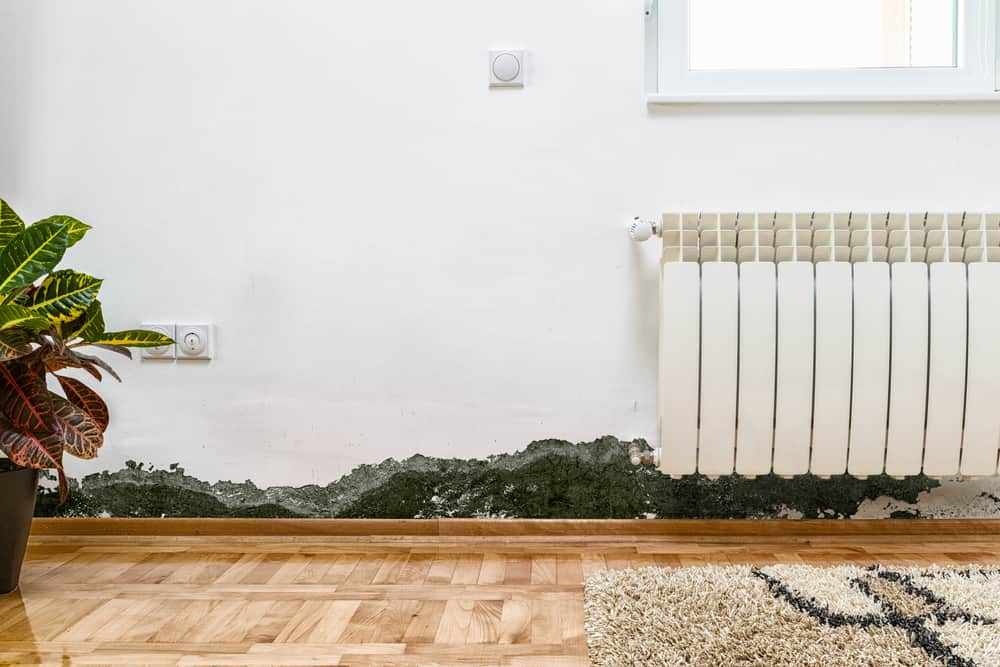
Lawrence sits right on Reynolds Channel, and nearly 18% of the village’s total land area is water. That’s not a backdrop that’s a moisture environment your home lives in year-round. Older properties in the Back Lawrence and Old Lawrence sections were built with materials that absorb and hold moisture differently than modern construction. Once mold takes hold in original wood framing or behind plaster walls, surface treatment isn’t enough. Real remediation means identifying where the moisture is coming from, containing the affected area properly, removing what can’t be saved, and treating what can so the problem doesn’t come back in six months.
When it’s done correctly, you get your home back. Clean air. A documented clearance result. And if you’re in the middle of a real estate transaction which happens more often in Lawrence than people expect, given how rarely these homes turn over you get your closing back on track.
Professional Mold Remediation in Lawrence, NY
We’ve been serving Nassau and Suffolk County homeowners since the late 1990s. That’s not a corporate timeline that’s nearly three decades of showing up to South Shore homes, including Lawrence and the Five Towns, and doing the kind of work that holds up under scrutiny. IICRC certification isn’t just a company badge here. Every technician on every job is individually certified, which matters when the property you’re protecting is a historic estate off Rockaway Turnpike or a prewar building near the Lawrence LIRR station.
We carry a dedicated Nassau County line 516-698-1776 not a national routing number. When you call, you reach people who know Lawrence, understand what the village’s coastal geography does to older homes, and can tell you exactly what the process looks like before anyone sets foot in your house. That kind of transparency is harder to find than it should be in this industry.
Mold Cleanup and Remediation, Lawrence, NY
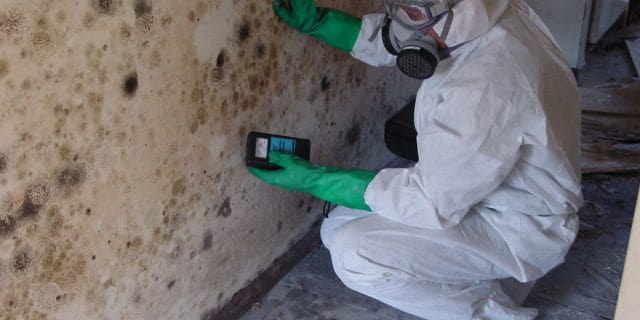
It starts with a thorough inspection not a quick visual walkthrough, but a 13-point assessment that includes air testing, swab sampling, infrared imaging to detect moisture hidden behind walls and under floors, and a full moisture level evaluation throughout the property. Written results come back within 2 to 3 business days. For a Lawrence home especially one with a basement near the water table or an attic that’s been quietly accumulating South Shore humidity for decades this step isn’t optional. It’s the only way to know what you’re actually dealing with.
From there, a licensed mold assessor produces a written remediation plan specific to your property. Under New York State’s Article 32, the company performing the assessment cannot be the same company performing the remediation a law that exists specifically to protect you from inflated scopes and unnecessary work. We operate in full compliance with that separation, and we’ll walk you through exactly what it means for your job before anything starts.
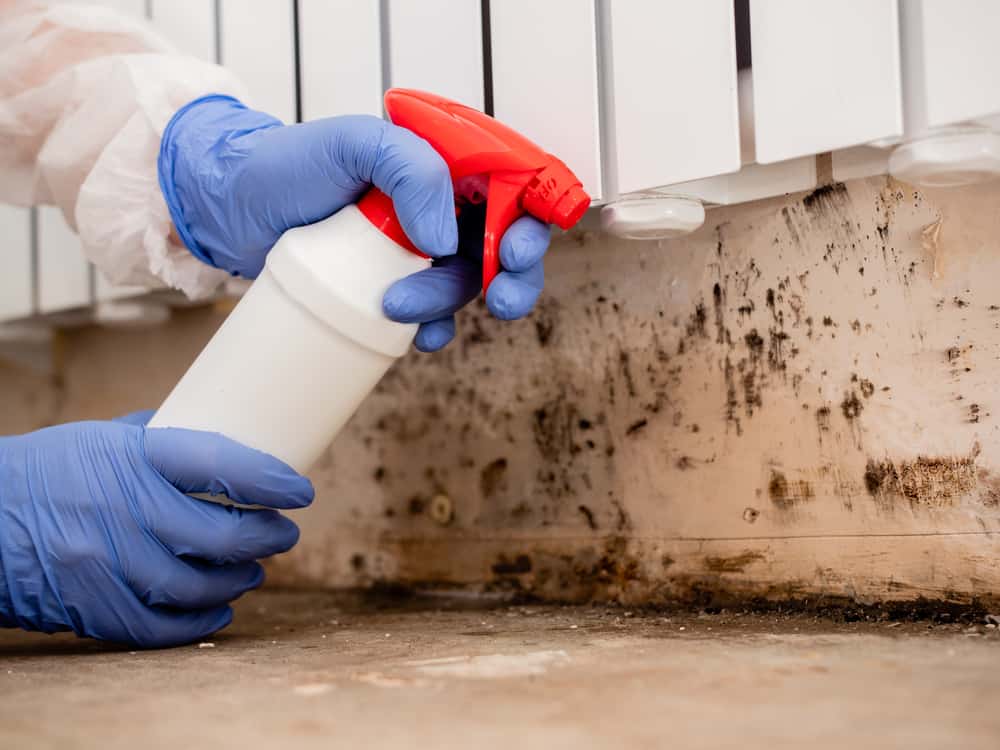
Remediation itself involves proper containment of the affected area, HEPA filtration, removal of materials that can’t be treated, and treatment of surfaces that can. After the work is complete, an independent licensed assessor returns to conduct post-remediation clearance testing documented proof that the mold is gone, not just covered. If your home needs reconstruction after remediation, we handle that too, so you’re not left coordinating a separate contractor to put the space back together.
Ready to get started?
Basement and Attic Mold Remediation, Lawrence, NY
Lawrence’s housing stock is unlike most of Nassau County. Old Lawrence estate homes with original wood framing, unventilated crawl spaces, and foundations sitting close to the Reynolds Channel water table present a specific set of conditions that require more than a standard treatment protocol. The same applies to the prewar brick buildings clustered near the Lawrence LIRR station dense, older construction where moisture infiltration can travel through masonry and settle into structural cavities that aren’t immediately visible.
Every remediation engagement we handle includes the full scope: containment setup, HEPA vacuuming, air scrubbing, material removal where necessary, antimicrobial treatment, and post-remediation clearance testing coordinated through a licensed independent assessor as required under Article 32 of New York State Labor Law. If the job involves structural work drywall removal, subfloor replacement, or rebuilding a finished basement we manage the full reconstruction as well, including any permits required through the Nassau County Building Department.
For homeowners navigating an insurance claim after a storm event or plumbing failure, we have close to three decades of experience documenting jobs for insurance adjusters on Long Island. That means organized written records, photographs, moisture data, and a scope of work structured the way adjusters actually need to see it not a handwritten invoice and a verbal summary.
Does mold remediation in Lawrence, NY get covered by homeowners insurance?
It depends on how the mold started. Homeowners insurance typically covers mold remediation when it results from a sudden and accidental covered event a burst pipe, a roof leak from storm damage, or flooding caused by a covered peril. What it usually won’t cover is mold that developed slowly over time due to deferred maintenance or a chronic moisture issue that was never addressed.
For Lawrence homeowners, this distinction matters more than it might in other parts of Nassau County. The South Shore’s storm history particularly the record coastal flooding that hit western Nassau during Hurricane Sandy in 2012 means a significant number of properties in Lawrence experienced water intrusion events that may have seeded mold growth that’s still present today. If your basement flooded during a named storm and was never fully professionally dried, there’s a reasonable chance mold developed, and whether that’s a covered claim depends on your specific policy language and the documentation you can provide. We’ve been working alongside Long Island insurance adjusters for nearly 30 years and can help you build the documentation package your claim actually needs.
How much does mold remediation typically cost for a home in Lawrence?
The honest range is wide because the scope varies significantly depending on where the mold is, how far it’s spread, and what materials are affected. A contained basement or bathroom situation typically runs somewhere between $1,500 and $4,000. Attic mold remediation which is common in Lawrence’s older estate homes with inadequate ventilation often falls in the $3,000 to $7,000 range. Whole-house remediation in a large property, or a job that involves significant structural material removal and reconstruction, can run $10,000 to $30,000 or more.
In Lawrence specifically, where median home values sit above $833,000 and estate properties regularly exceed $2 million, the cost of remediation needs to be weighed against what an unresolved mold problem does to a property’s value. Studies consistently show that mold discovered during a home inspection can reduce a property’s sale price by 20% to 37%. On a $1.5 million Lawrence home, that’s a potential loss of $300,000 to $550,000. The remediation cost, in that context, isn’t the risk skipping it is.
Why does New York State require separate companies for mold testing and mold removal?
New York State enacted Article 32 of the Labor Law in 2016 specifically because the conflict of interest was causing real harm to consumers. When the same company assesses the mold and then sells you the remediation, there’s a financial incentive to find more mold than actually exists or to recommend a more expensive scope of work than the situation requires. The law eliminates that conflict by requiring that a licensed mold assessor and a licensed mold remediator be separate parties on every job.
What this means practically is that you should never hire a single company that offers to do both the inspection and the remediation without involving an independent assessor. If a company quotes you a remediation job based solely on their own inspection, that’s a red flag under New York law and a potential liability for you as the homeowner. We operate in full compliance with Article 32, which means the assessment is conducted independently, a written remediation plan is prepared before any work begins, and an independent assessor returns after the job is complete to confirm the clearance result.
What are the signs of mold in an older Lawrence home I should watch for?
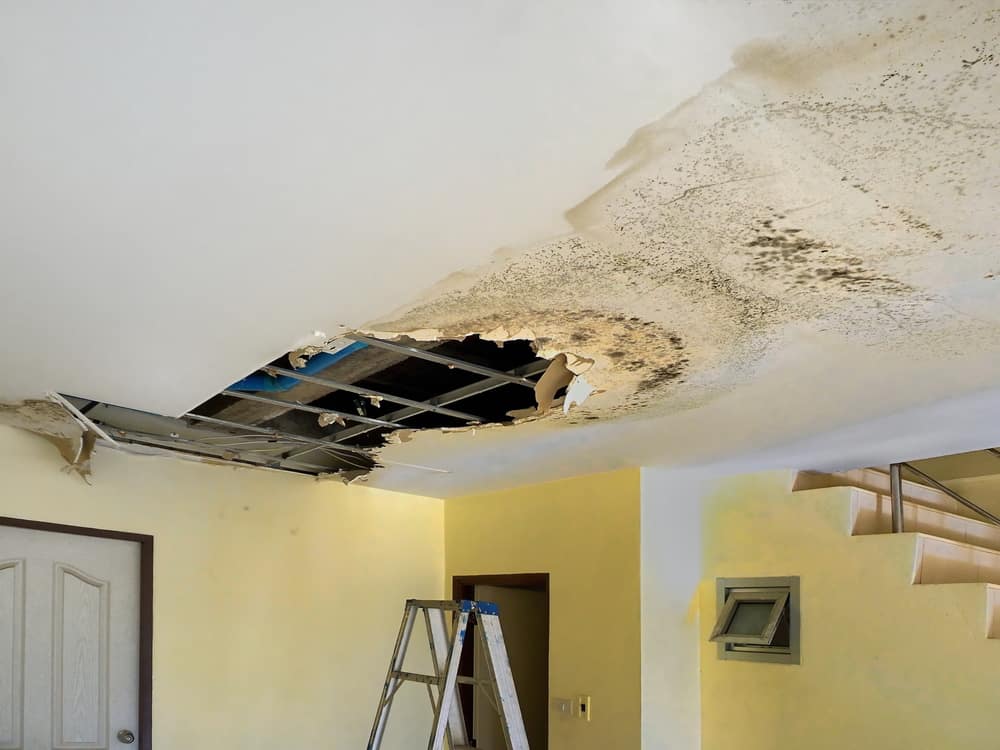
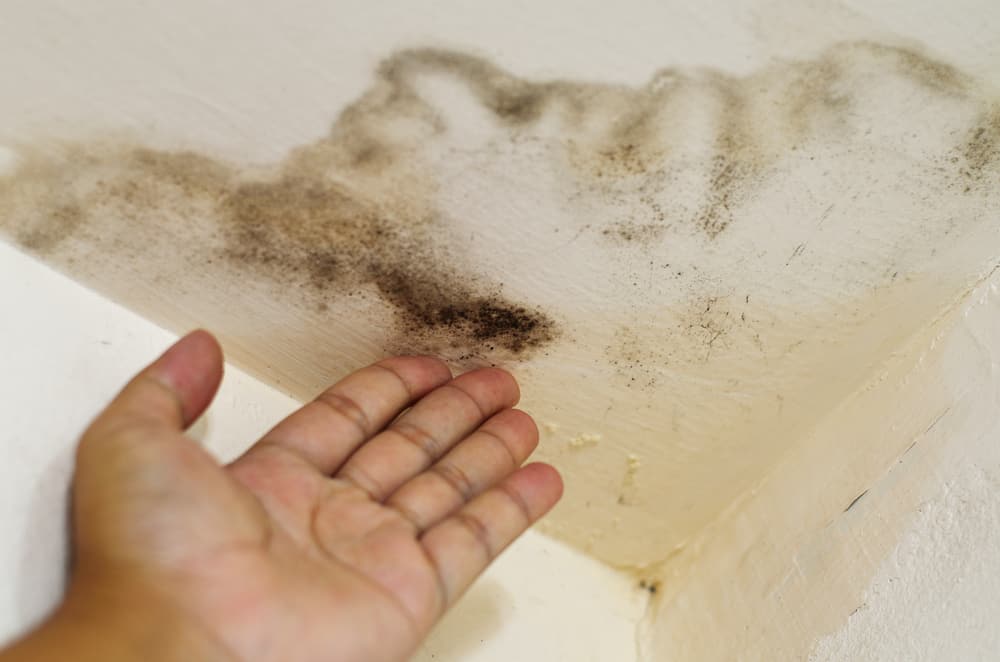
The obvious ones are visible growth dark spots on walls, ceilings, or grout lines and a persistent musty smell that doesn’t go away after cleaning or airing out the space. But in Lawrence’s older housing stock, the more telling signs are often subtler: paint or wallpaper that’s bubbling or peeling without an obvious cause, wood floors that are warping or cupping, or a basement that always feels damp regardless of the season.
Older homes in the Back Lawrence and Old Lawrence sections were built with materials that hold moisture differently than modern construction. Horsehair plaster, original wood framing, and unreinforced masonry foundations can harbor mold growth behind finished surfaces for months or years before it becomes visible. If your home is more than 40 or 50 years old and has had any history of water intrusion even a single basement flood from a nor’easter it’s worth having a proper inspection with infrared imaging, not just a visual check. Mold that’s hidden behind walls doesn’t show up in a flashlight walkthrough.
How long does mold remediation take, and can I stay in the house during the process?
Timeline depends on the scope of the job. A contained single-room remediation a bathroom, a small section of basement can often be completed in one to two days. Larger jobs involving multiple areas, structural material removal, or attic work in a large estate home can take anywhere from three days to two weeks, with reconstruction adding additional time after the remediation phase is complete.
Whether you can stay in the home during remediation depends on the containment setup and the severity of the affected area. In most cases, if the mold is isolated and the containment barriers are properly installed, occupying other parts of the home is reasonable. If the remediation is extensive particularly in whole-house situations or jobs involving significant airborne spore counts temporary relocation for the duration of the active work is the safer call. This is something that gets discussed specifically during the assessment phase, before any work begins, so you’re not making that decision under pressure on the day the crew arrives.
Can mold come back after professional remediation in a Lawrence home?
Yes if the moisture source isn’t corrected, mold will return. This is the most common reason remediation fails, and it’s especially relevant in Lawrence given the area’s coastal geography. Treating mold growth on a foundation wall without addressing the groundwater infiltration that’s causing it, or clearing attic mold without fixing the roof penetration or ventilation issue that allowed moisture to accumulate in the first place, is a temporary fix at best.
Proper remediation always starts with identifying and addressing the source. In Lawrence homes near Reynolds Channel, that often means evaluating foundation drainage, crawl space vapor barriers, and sump pump performance. In older estate homes, it might mean assessing roof condition, attic ventilation, or aging HVAC drainage systems. Our inspection process covers moisture source identification as part of the initial assessment not as an afterthought. Post-remediation clearance testing then confirms the work held. That combination source correction plus documented clearance is what separates a remediation that lasts from one that buys you six months before the problem comes back.
Useful Links
Other Services we provide in Lawrence