
Mold Remediation in Manhasset Hills, NY
Your 1960s Split-Level Deserves More Than a Surface Fix
Hear from Our Customers
Certified Mold Remediation, Nassau County
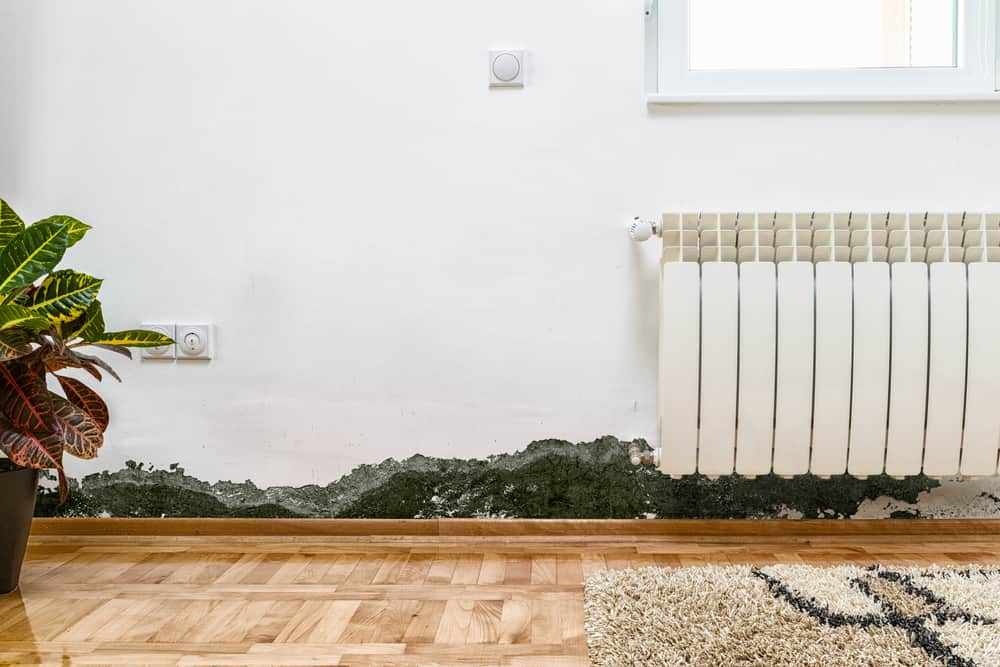
Most mold problems in Manhasset Hills don’t start at the surface. They start in the partial below-grade spaces that define split-level construction those transitional areas where ground moisture meets indoor air and nobody’s checking. When remediation only treats what’s visible, you’re back to square one within a season. What you actually need is someone who finds where the moisture is coming from and closes that door before anything else.
The homes in Manhasset Hills were built in the 1950s and 1960s, well before modern waterproofing standards, proper vapor barriers, or HVAC systems designed with humidity control in mind. Nassau County summers push indoor humidity past the 60% threshold where mold thrives, and the freeze-thaw cycle every winter creates new entry points in foundations that were already working with limited protection. That combination aging construction plus a climate that doesn’t let up is exactly why mold keeps returning in homes where it was supposedly handled.
When remediation is done correctly, you get air you can actually breathe, a home that holds its value, and documentation that stands up to an insurance claim or a buyer’s inspection. In Manhasset Hills, where the median home value clears a million dollars, that last part matters more than most people realize until they’re sitting across from a buyer who just found a mold report.
Mold Remediation Companies, Manhasset Hills NY
We’ve been working in Nassau County homes for nearly three decades. That means we’ve been inside hundreds of homes built in the same era as the ones in Manhasset Hills the split-levels along Shelter Rock Road, the ranches near Marcus Avenue, the finished basements that were never quite designed to handle what Long Island weather throws at them. This isn’t generic Long Island experience. It’s specific, earned familiarity with the housing stock that Manhasset Hills residents actually live in.
Every technician who comes to your home is individually IICRC certified not just the company. That distinction matters when you’re making a decision about a property worth over a million dollars. We also operate in full compliance with New York State’s 2016 Mold Law, which requires that assessment and remediation be handled separately a consumer protection measure that exists because conflicts of interest in this industry are real and well-documented.
When you call the Nassau County line at 516-698-1776, you’re reaching our local team that knows this area not a national call center routing your job to whoever’s available.
Mold Cleanup and Remediation, Manhasset Hills NY
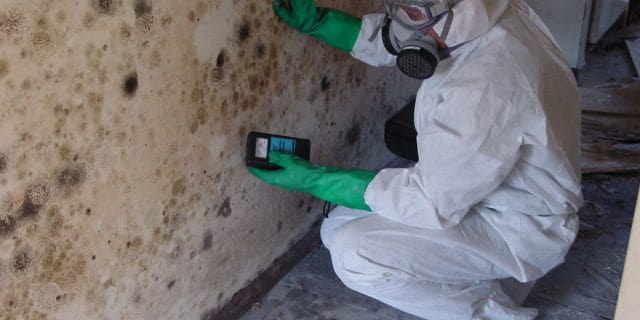
It starts with a 13-point inspection. That includes air testing, swab sampling, infrared imaging, moisture level measurements, and laboratory analysis delivered in a written report within two to three business days. This isn’t a visual walkthrough followed by a verbal opinion. It’s documented, evidence-based assessment that holds up when you need to present it to your insurance company, your real estate attorney, or a prospective buyer.
Once the inspection confirms the scope, remediation begins with the moisture source not the mold itself. In Manhasset Hills homes, that often means addressing foundation seepage, inadequate attic ventilation, or condensation from aging HVAC systems in subgrade mechanical spaces. Every truck arrives fully equipped with air movers, dehumidifiers, and moisture monitoring equipment, so the work starts the moment our team walks in. Mold can advance measurably within 24 to 48 hours waiting for a second truck to show up with gear isn’t something you can afford.
If building materials need to come out drywall, insulation, framing we handle the full reconstruction as well, including any permits required by the Town of North Hempstead’s Building Department. You don’t have to coordinate a separate contractor. One call, one company, start to finish.
Ready to get started?
Black Mold Remediation, Basement and Attic Services
Whether the mold is in a finished basement, a crawl space, an attic with inadequate ventilation, or behind the walls of a split-level’s below-grade living area, we handle the full scope. Basement mold remediation in Manhasset Hills is among the most common calls we receive and for good reason. The partial below-grade design of split-level homes creates moisture conditions that standard waterproofing rarely accounts for, especially in houses that predate modern building codes.
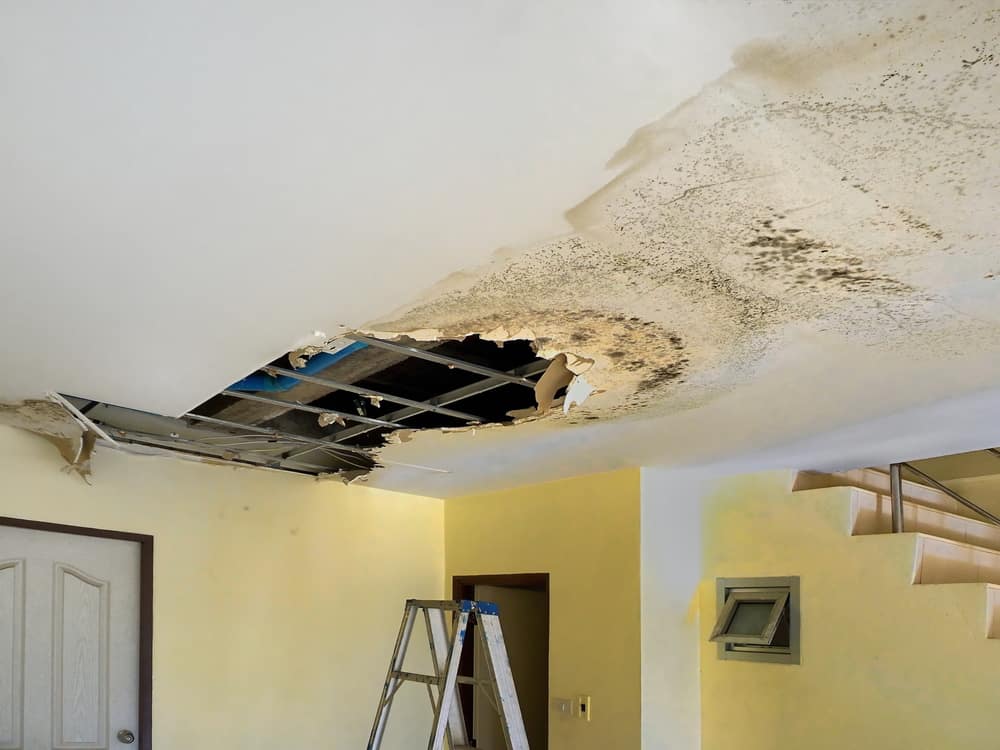
Attic mold remediation is the other frequent issue in this neighborhood. Homes from the 1950s and 1960s were rarely built with the ventilation standards required today, and when warm, humid air gets trapped in an attic through a Nassau County summer, it condenses on roof decking and creates the exact conditions black mold needs to establish itself. By the time it’s visible, it’s usually been growing for a while.
Crawl space mold remediation, emergency mold remediation after a pipe failure or sump pump outage, and full mold restoration services following structural damage are all within scope. We also offer post-remediation clearance testing because “we think it’s done” isn’t the same as documented proof that your home’s air quality has been restored. In Manhasset Hills, where buyers conduct thorough inspections on homes worth well over a million dollars, that documentation is the difference between a clean sale and a deal that falls apart.
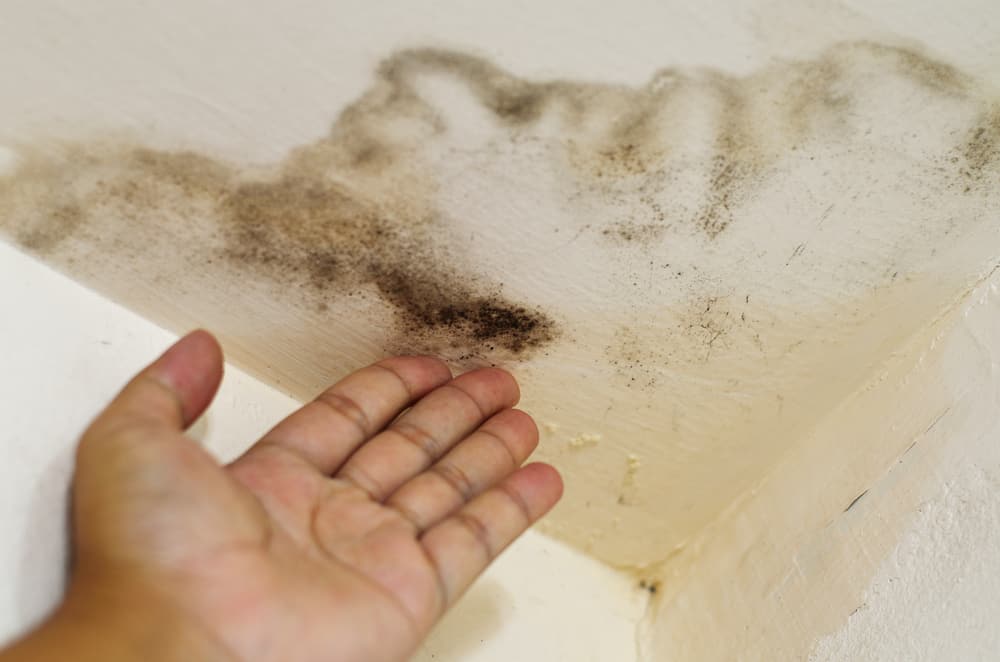
How much does mold remediation typically cost for homes in Manhasset Hills, NY?
The honest range for most residential mold remediation projects runs between $1,223 and $3,754. That covers the majority of contained infestations a single room, a section of basement, or an isolated attic area. Whole-house remediation, or situations where mold has spread through structural framing or HVAC systems, can reach $10,000 to $30,000 or more depending on scope.
In Manhasset Hills specifically, the age of the housing stock is a significant cost factor. Homes built in the 1950s and 1960s often have mold that’s been growing behind materials wood paneling, paper-faced insulation, older drywall that need to be fully removed rather than treated in place. That adds to the scope. The good news is that a documented inspection report gives you a clear picture of what you’re actually dealing with before any work begins, so there are no surprises mid-project. If your homeowners insurance covers the water intrusion event that caused the mold, a portion of the remediation cost may be reimbursable and having a written inspection report makes that claim significantly easier to file.
What is the difference between mold remediation and mold removal?
Mold removal implies you can eliminate every mold spore from a space which isn’t accurate and isn’t what reputable companies promise. Mold spores are naturally present in the air. The goal of mold remediation is to bring indoor mold levels back to a normal, safe range and eliminate the active growth and the conditions that caused it.
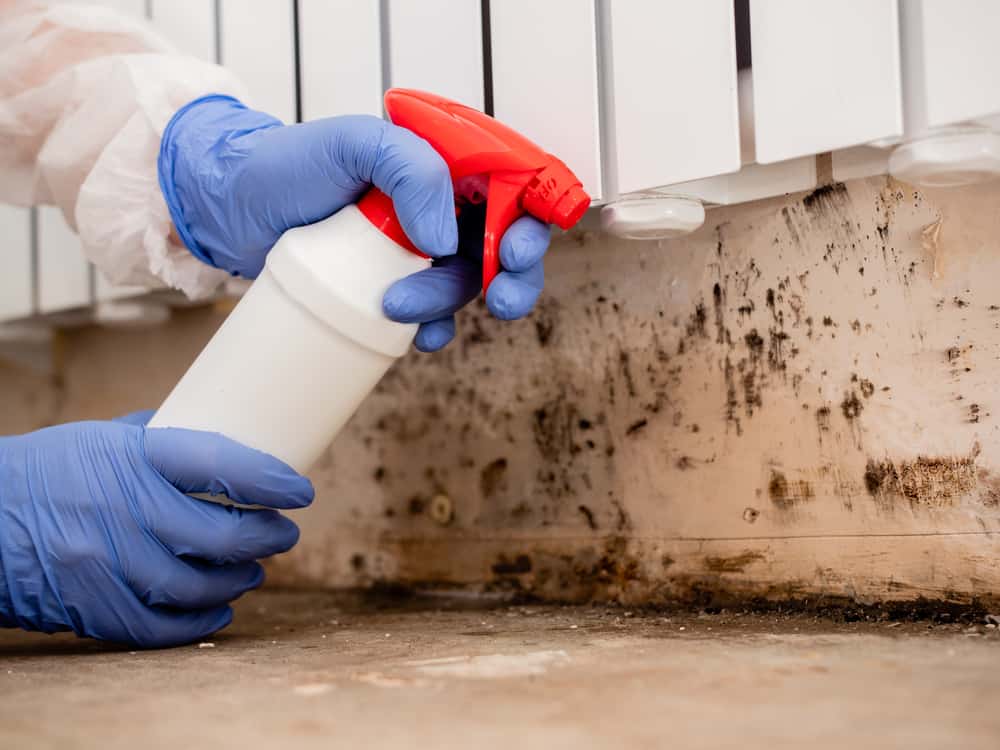
Remediation is a process: contain the affected area, remove contaminated materials, treat surfaces, address the moisture source, and verify through post-remediation testing that levels have returned to baseline. A company that promises to “remove all mold” is either misinformed or not being straight with you. What you want is a company that documents the before and after air testing results, moisture readings, lab analysis so you have verifiable proof that the problem was resolved, not just treated on the surface. That’s the standard we hold every job to.
Can mold in my Manhasset Hills home affect the sale price or a real estate transaction?
Yes and the impact can be significant. Research consistently shows that a known mold problem can reduce a home’s resale value by 20% to 37%, and roughly half of prospective buyers will walk away from a property with a mold history entirely. In Manhasset Hills, where median home values sit between $1.06 million and $1.21 million, that translates to potential losses of $200,000 to $450,000 or more.
Home inspectors in Nassau County are thorough, and mold discovered during a buyer’s inspection is one of the most common reasons deals fall apart or get renegotiated at a lower price. Sellers in Manhasset Hills have a strong financial incentive to get a professional inspection done before listing not after an offer is already on the table. If mold is found, having a documented remediation report from a certified contractor gives buyers confidence and protects the sale. Our written inspection reports and post-remediation clearance documentation are specifically designed to hold up in real estate transactions.
Does homeowners insurance cover mold remediation in New York?
It depends on what caused the mold. Most standard homeowners insurance policies in New York will cover mold remediation if it resulted directly from a covered event a burst pipe, a sudden appliance failure, or storm-related water intrusion. What they typically won’t cover is mold that developed from a long-standing moisture problem, deferred maintenance, or gradual seepage that went unaddressed.
In Manhasset Hills, the most common insurance-eligible scenarios involve sudden pipe failures in aging plumbing systems, sump pump failures during heavy rain events, or water intrusion following a nor’easter. The key is documentation. An insurance adjuster needs to see a clear record of what happened, when it happened, and what the resulting damage looks like. Our inspection report with air testing results, moisture readings, and lab analysis is exactly the kind of documentation that supports a successful claim. If you’re unsure whether your situation qualifies, call your insurer and ask specifically about mold coverage tied to the water event that caused it.
How do I know if the mold in my basement or attic is actually a health risk?
Not all mold carries the same health risk, but you can’t determine that with a visual inspection alone. The species of mold, the concentration of spores in the air, and the duration of exposure all matter. Black mold Stachybotrys chartarum gets the most attention, but other species like Cladosporium and Aspergillus can also cause respiratory issues, worsen asthma, and trigger chronic inflammatory responses, particularly in children and people with compromised immune systems.
The only way to know what you’re dealing with is air testing and lab analysis. Our inspection includes air sampling sent to an independent lab, with results delivered in a written report within two to three business days. That report tells you exactly what species are present, at what concentration, and how those levels compare to outdoor baseline readings giving you actual data to make a decision, not just a technician’s opinion.
How quickly does mold grow after a water leak or basement flood in Nassau County?
Mold can begin growing within 24 to 48 hours of a moisture event and in Nassau County’s humid summers, that window gets shorter, not longer. Once humidity levels in a space climb above 60%, which happens readily in the below-grade areas of Manhasset Hills split-level homes during July and August, active mold growth can establish itself faster than most homeowners expect.
The most common scenarios in Manhasset Hills involve sump pump failures during heavy spring rains, pipe bursts in aging plumbing systems, and water heater failures in subgrade mechanical spaces. By the time you notice a musty smell or visible growth, mold has typically been active for longer than the event that triggered it. That’s why the 48-hour window matters the faster moisture is addressed, the smaller the remediation scope and the lower the cost. We’re available 24/7 for emergencies. If you discover water intrusion at any hour, calling 516-698-1776 connects you directly to our Nassau County team that can respond the same day not a scheduling queue that pushes you to next week.
Useful Links
Other Services we provide in Manhasset Hills